
Starting an ABA therapy business can be rewarding, but it is important to be prepared for competition from other providers in your area.
The key to standing out lies in offering effective, well-structured services that deliver results for your clients.
One proven way to achieve this is by developing and implementing high-quality ABA therapy lesson plans tailored to meet each child’s unique needs.

ABA therapy lesson plans serve as a roadmap for sessions, ensuring that learning objectives are clear, measurable, and achievable.
They help therapists stay organized, track progress, and maintain consistency across sessions.
In this article, we will explore some of the best ABA therapy lesson plans you can use to enhance outcomes and give your business a competitive edge.
Best ABA Therapy Lesson Plans
-
Matching Objects
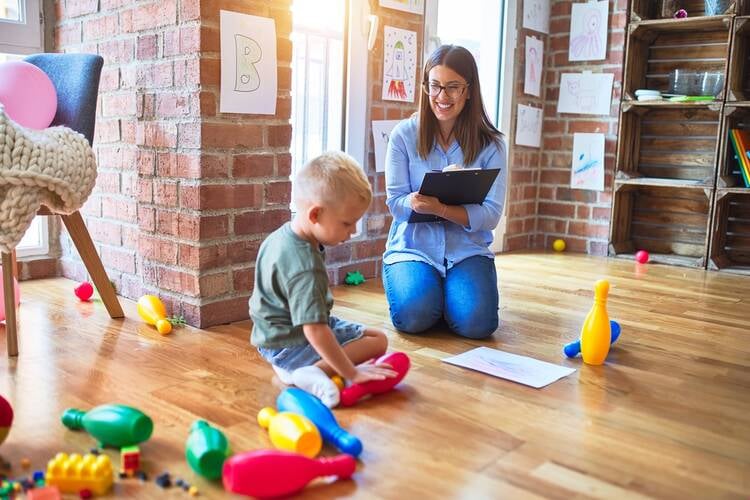
This lesson plan focuses on teaching children to match identical objects, a foundational skill in early learning.
Begin with simple, concrete items such as toy blocks or spoons, presenting one as a sample and offering two or more options for the child to choose from.
Provide immediate praise or a preferred reinforcer for correct matches. Gradually increase complexity by using more abstract items, different colors, or varying sizes.
Matching objects enhances visual discrimination, attention to detail, and categorization skills, which are essential for academic readiness and daily living activities.
-
Following One-Step Instructions
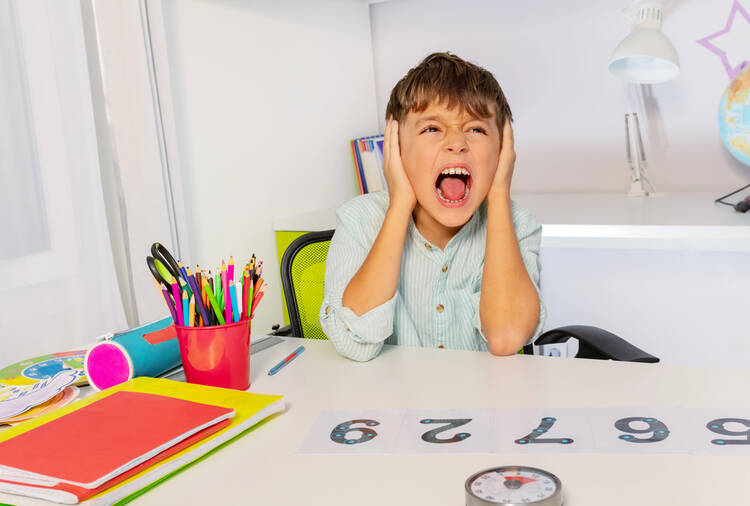
Start by giving simple, clear commands such as “clap your hands” or “touch your nose.”
Demonstrate the action if necessary, then provide the instruction again. Reinforce correct responses with praise or a tangible reward.
This lesson improves listening skills, comprehension, and compliance, which are essential for successful classroom participation and daily interactions.
As the child progresses, introduce a variety of one-step commands in different settings to promote generalization.
Keep instructions concise and consistent, and always model desired behaviors when needed to ensure understanding and build confidence in following directions.
-
Expressive Language: Labeling Items

This plan teaches children to verbally identify common objects. Begin with familiar, high-interest items like a favorite toy or snack.
Present the object, ask “What is this?” and provide a prompt if the child struggles. Offer immediate reinforcement for correct responses.
Rotate through categories such as animals, food, and clothing to broaden vocabulary.
Labeling helps improve expressive language, promotes communication independence, and supports future academic learning.
Visual flashcards or real-life items can be used, with gradual fading of prompts to encourage spontaneous labeling in natural settings.
-
Receptive Language: Identifying Items

In this lesson, focus on helping children recognize objects by name. Lay out two or more items and say, “Show me the ball.”
Reinforce correct selections promptly. Start with highly familiar items and slowly expand to include less common objects.
Use different formats real objects, pictures, or even digital images, to encourage generalization across settings.
This plan supports listening comprehension, vocabulary development, and the ability to follow verbal cues.
It’s particularly helpful for building a strong foundation for more advanced receptive language skills and social communication.
-
Turn-Taking Skills
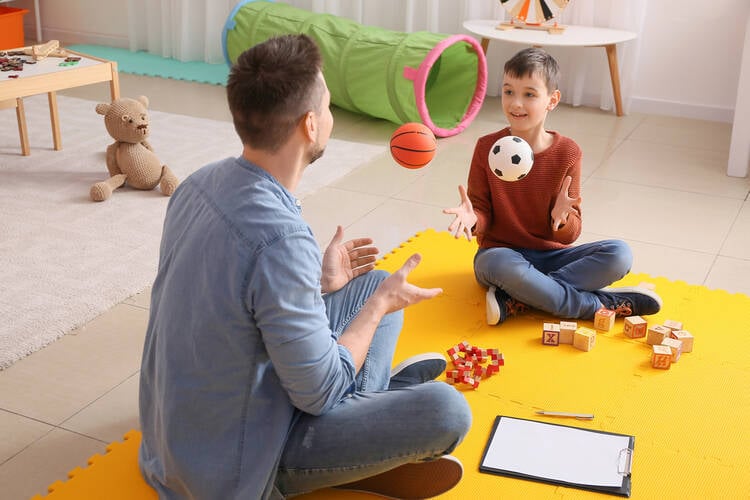
Turn-taking is vital for social interaction and cooperative play. Begin with structured games like rolling a ball back and forth, using clear verbal cues such as “my turn” and “your turn.”
Reinforce waiting and sharing behaviors. Gradually transition to board games, building blocks, or group activities.
This lesson plan fosters patience, cooperation, and understanding of social rules.
It also helps children tolerate delays in gratification and respect others’ participation.
Consistent reinforcement and modeling by the therapist are essential to mastering this skill in both therapy and real-life environments.
-
Eye Contact
Encourage appropriate eye contact by pairing it with engaging activities. Hold a preferred item near your eyes and wait for the child to look before giving it to them.
Offer praise for each instance of eye contact, increasing the required duration over time.
Eye contact lessons improve social awareness, attention, and connection during communication.
Avoid forcing eye contact, as it can be uncomfortable for some children. Focus instead on gentle encouragement and pairing the skill with positive experiences.
This plan is foundational for many other communication and social interaction goals.
-
Functional Play Skills
Teach children how to use toys and objects as intended. Begin with simple toys like shape sorters, stacking cups, or puzzles, demonstrating their use and encouraging imitation.
Reinforce correct functional play immediately. This lesson supports fine motor development, creativity, and social play readiness.
Functional play also builds the foundation for pretend play and cooperative activities.
Use a variety of toys to promote flexibility and prevent rigidity in play patterns.
Rotate toys regularly to maintain interest and encourage exploration of different play styles.
-
Requesting (Mand Training)
This lesson teaches children to request desired items or activities, fostering independent communication. Start with high-motivation items placed in view but out of reach.
Model or prompt the correct request verbally or through alternative communication systems, then provide the item immediately upon request.
Reinforce all attempts, gradually shaping them toward more accurate or complex requests.
Mand training is crucial for reducing frustration-related behaviors and empowering children to have their needs met appropriately.
-
Sorting by Category
This plan teaches children to group items by shared features, such as color, shape, size, or function.
Present a variety of objects and ask the child to place them into matching groups. Begin with one sorting criterion, then progress to more complex categories.
Sorting improves cognitive flexibility, problem-solving skills, and early math readiness.
Use everyday objects, pictures, or digital activities to keep practice engaging.
-
Gross Motor Imitation
In this lesson, encourage children to imitate large body movements such as jumping, waving, or stomping feet.
Model the action, then prompt the child to copy it. Reinforce successful attempts with praise or a small reward.
Gross motor imitation supports physical coordination, listening skills, and social engagement.
Incorporate music, dance, or movement games to make learning fun and motivating.
-
Fine Motor Imitation
Teach children to replicate small, precise hand movements, such as pointing, stacking blocks, or drawing lines.
Model the movement clearly, prompt the child to imitate, and reinforce correct attempts.
Fine motor imitation helps develop skills necessary for writing, self-care, and manipulating objects.
Use engaging materials like playdough, beads, or craft supplies to maintain interest. Gradually increase complexity to build dexterity and precision.
Consistent practice in different contexts ensures skill generalization for school and daily life tasks.
-
Picture-to-Object Matching
This lesson plan develops symbolic understanding by teaching children to match a picture with its corresponding real-life object.
Begin by presenting a picture card alongside several objects, prompting the child to select the correct match.
Start with highly familiar items to build confidence, then gradually introduce new vocabulary for skill expansion.
Picture-to-object matching enhances cognitive connections, strengthens language development, and sharpens visual discrimination abilities.
It also lays the groundwork for using visual schedules, choice boards, and other picture-based communication tools.
-
Sequencing Daily Routines
Teach children to arrange the steps of everyday routines, such as brushing teeth or getting dressed, in the correct sequence.
Use picture cards, physical props, or live demonstrations to illustrate each step clearly.
Encourage the child to place the steps in order, then act out the routine for reinforcement.
Sequencing builds independence, organizational skills, and memory while helping children understand cause-and-effect relationships.
Practicing this skill also supports the ability to follow multi-step instructions, an important competency for success in academic tasks, home responsibilities, and daily life activities.
-
Social Greetings
This lesson plan teaches children to both respond to and initiate greetings like “hello” and “goodbye” naturally and confidently.
Begin with role-play activities, modeling the correct verbal and nonverbal responses, and use prompt fading to encourage independence.
Reinforce every correct exchange with praise or tangible rewards to strengthen the behavior.
Practice in different settings, such as therapy rooms, playgrounds, or community spaces, to promote generalization.
Mastering social greetings builds rapport, boosts confidence, and lays the groundwork for more advanced conversation skills.
-
Emotional Recognition
Teach children to recognize and label emotions in themselves and others using visual aids such as pictures, mirrors, or videos.
Begin with simple emotions like happy, sad, and angry, then gradually introduce more complex feelings like surprised or frustrated. Provide prompts and reinforce correct labeling with praise or rewards.
Encourage children to connect emotions to real-life scenarios, such as “He’s excited because it’s his birthday.”
Developing emotional recognition fosters empathy, enhances self-awareness, and builds social problem-solving skills, which are essential for positive relationships and overall personal and academic growth.