
Having the right ABA therapy room is essential for delivering effective therapy sessions and quality services as an ABA therapy clinic owner.
A well-designed space creates a comfortable, engaging environment that helps clients feel safe and focused.
The layout, lighting, and materials all play a crucial role in supporting learning, reducing distractions, and encouraging positive behaviors.
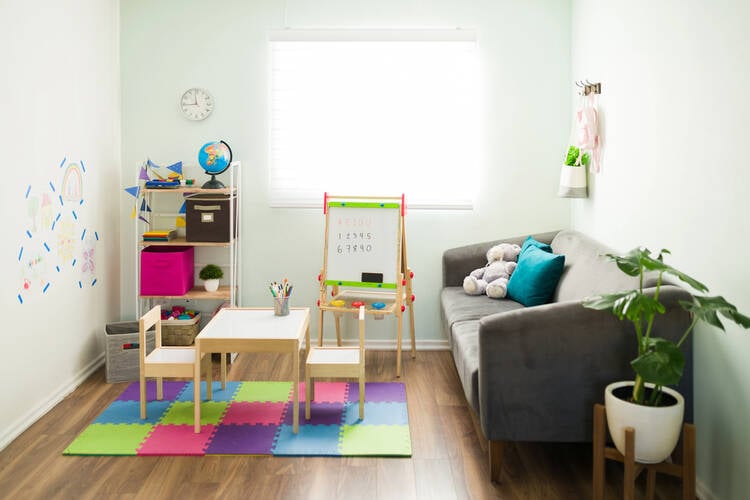
When thoughtfully arranged, the therapy room becomes a powerful tool to enhance progress and make sessions more productive and enjoyable.
In this article, we will explore some of the best ABA therapy room ideas to consider for your clinic.
From organizing functional zones to choosing appropriate sensory tools and decor, these tips will help you create a space that meets both therapeutic goals and client needs.
Best ABA Therapy Room Ideas
-
Designate Functional Zones
Creating clearly defined zones within the therapy room helps organize activities and supports varied learning needs.

For example, set up separate areas for discrete trial training, sensory play, and group interactions.
This zoning minimizes distractions and helps children understand expectations tied to each space.
Use rugs, furniture placement, or partitions to visually separate these zones.
Clear organization encourages smooth transitions and maintains structure throughout sessions.
-
Use Adjustable Lighting
Lighting greatly impacts a child’s comfort and attention. Adjustable lighting options, such as:
Dimmable overhead lights or lamps, allow therapists to create the best ambiance for different activities.
Bright lights may energize learning tasks, while softer lighting can calm sensory-sensitive clients during breaks.
Natural light is ideal when available, but curtains or blinds should help control glare.
Consider using LED lights with adjustable color temperature to mimic natural daylight or warm tones.
-
Incorporate Sensory Corners
Sensory corners provide a dedicated space for calming and self-regulation, essential for many ABA clients.
Equip this area with soft seating, weighted blankets, tactile toys, and calming visuals or sounds.
Items like fidget tools, sensory brushes, or a small ball pit offer soothing sensory input tailored to individual needs.
Therapists can guide clients to this corner during moments of overwhelm, promoting emotional regulation and focus.
A well-designed sensory corner supports mental well-being and encourages positive coping strategies.
-
Use Visual Schedules and Cue Cards
Visual supports like schedules, cue cards, and choice boards help children understand daily routines and expectations.
Placing these materials at eye level and within easy reach empowers clients to anticipate transitions and reduce anxiety. Use clear, simple images or icons that correspond to activities and breaks.
Visual aids promote independence by allowing children to communicate preferences and follow instructions with less verbal prompting.
Incorporating these tools in the therapy room fosters structure, predictability, and clearer communication.
-
Choose Comfortable, Child-Friendly Furniture
Selecting furniture designed for children’s sizes ensures comfort and accessibility during therapy.
Tables and chairs should be appropriately scaled to support posture and ease of movement.
Soft seating options, like bean bags or floor cushions, provide cozy alternatives for relaxation or group activities.
Flexible seating arrangements allow for both one-on-one and group sessions.
Comfortable, welcoming furniture helps children feel at ease, reducing distractions and resistance.
-
Utilize Storage Solutions
Effective storage is key to maintaining an organized therapy room. Use labeled bins, shelves, and drawers to keep materials like toys, learning aids, and sensory tools neatly arranged and easily accessible.
Clear containers allow quick identification, while color-coded labels help both therapists and children locate items efficiently.
Organized storage reduces clutter, minimizes distractions, and streamlines session preparation and cleanup.
It also teaches children responsibility as they learn to return items to their proper place.
-
Incorporate Interactive Whiteboards
Interactive whiteboards are excellent tools for engaging clients during therapy.
They can be used to display visual schedules, play educational games, or demonstrate tasks and concepts.
Whiteboards encourage participation through drawing, matching, or writing exercises tailored to therapy goals.
Portable or wall-mounted, interactive whiteboards add versatility to your therapy room.
Using technology in sessions keeps children motivated and supports a dynamic, hands-on learning environment that reinforces communication, cognitive, and fine motor skills effectively.
-
Create a Quiet Reading Nook
A quiet reading nook offers a cozy space for focused literacy activities and calming breaks.
Furnish this area with soft seating, good lighting, and a selection of age-appropriate books and visual aids.
This corner encourages language development, comprehension, and social skills through shared reading or independent exploration.
A reading nook also provides a low-stimulation environment for children who may feel overwhelmed, helping them self-regulate.
Having this dedicated, inviting spot supports diverse therapy needs and fosters a love of books.
-
Display Motivational and Educational Posters
Colorful, engaging posters that showcase social skills, emotions, or behavioral expectations reinforce therapy goals visually.
Place these around the room at child-friendly heights for constant exposure.
Posters can depict emotions, daily routines, or positive affirmations, aiding in language development and emotional literacy.
Rotating the posters regularly keeps content fresh and relevant. Visual reminders help children internalize concepts and serve as conversation starters during sessions.
-
Use Non-Slip Rugs and Mats
Non-slip rugs and mats define activity areas while ensuring safety during movement-based tasks.
Rugs with bright colors or shapes can also serve as learning tools for games or spatial awareness exercises.
The soft surface reduces fatigue when sitting or kneeling for extended periods.
Secure rugs prevent slips and falls, making the environment safer for children with motor challenges. Choose durable, easy-to-clean materials to maintain hygiene.
-
Incorporate Natural Elements
Adding natural elements like plants or nature-inspired décor creates a calming, welcoming atmosphere in the therapy room.
Plants improve air quality and introduce a sensory experience through sight and touch.
Natural light, combined with earthy colors and textures, helps reduce stress and increase focus.
Including small water features or nature sounds can also provide soothing background stimuli.
These elements support emotional regulation and well-being, making the space feel less clinical and more inviting.
-
Provide Flexible Seating Options
Offering various seating choices, such as chairs, floor cushions, bean bags, or wobble stools, allows children to select what’s most comfortable for them.
Flexible seating supports different sensory needs and promotes self-regulation by letting children adjust their position to focus better.
Having diverse seating options accommodates group work, one-on-one sessions, and movement breaks.
This adaptability creates an inclusive environment that respects individual preferences and helps reduce behavioral challenges linked to discomfort or restlessness during therapy.
-
Use Calming Colors on Walls
Choosing calming colors like soft blues, greens, or neutrals for walls sets a soothing tone in the therapy room.
These colors help reduce anxiety and overstimulation, creating a peaceful backdrop for learning.
Avoid overly bright or busy patterns that may distract or overwhelm clients.
Consider accent walls or murals with gentle imagery related to nature or positive themes.
A carefully selected color palette enhances emotional regulation and concentration, supporting the therapeutic process.
-
Install Sound-Absorbing Materials
Acoustic panels, curtains, or rugs can reduce echo and background noise in the therapy room, which is especially helpful for children sensitive to sound.
A quieter environment minimizes distractions and auditory overload, helping clients focus on tasks and communication.
Sound-absorbing materials create a more controlled sensory space and improve the overall quality of sessions.
These additions contribute to a calming atmosphere for both children and therapists.
Incorporating sound control is an essential part of designing an ABA therapy room that meets diverse sensory and behavioral needs.
-
Display Client Work and Achievements
Showcasing children’s artwork, progress charts, or certificates in the therapy room boosts motivation and self-esteem.
Display areas like bulletin boards celebrate successes and make clients feel valued and proud of their efforts.
This visual reinforcement encourages continued participation and goal achievement. Involving children in updating displays fosters ownership and engagement.
Recognizing achievements helps build confidence and reinforces the therapeutic alliance, making the therapy room a place of encouragement and inspiration.