

What if you could turn something you enjoy making into a business that pays you?
Perhaps you already make jewelry, crochet bags, design greeting cards, decorate cakes, or create beautiful items from wood.
You may have even received compliments from friends who suggested you start selling your creations.

But there is a big difference between making something people admire and building a business around products they will consistently buy.
For example, a handmade bracelet might cost you $5 in materials and sell for $25. That sounds attractive, but you still need to account for your labor, packaging, advertising, selling fees, and possibly shipping.
Likewise, a beautiful handmade candle may attract attention at a craft fair, but profitability depends on how much you spend on wax, fragrances, containers, labels, testing, and finding customers.

The good news is that you do not necessarily need a large investment to start an arts and crafts business.
Some opportunities, such as greeting card design, crochet, beaded jewelry, and digital art, can be tested with a relatively small budget. Others, including pottery, screen printing, laser engraving, and furniture making, may require a larger investment in equipment and workspace.
You can also sell through different channels, including your own website, handmade marketplaces, local craft fairs, wholesale accounts, and custom orders from individuals and businesses.

If you are ready to start an arts and crafts business, here are 40 ideas worth considering in the United States, along with their estimated startup costs and the customers you can target.
Important: The startup figures below are illustrative planning ranges for lean, primarily home-based US businesses. They are not verified national averages or guaranteed supplier quotes.
Actual costs depend on equipment, production methods, location, insurance, licensing, and whether you already possess the necessary skills and tools. Profitability is not guaranteed.
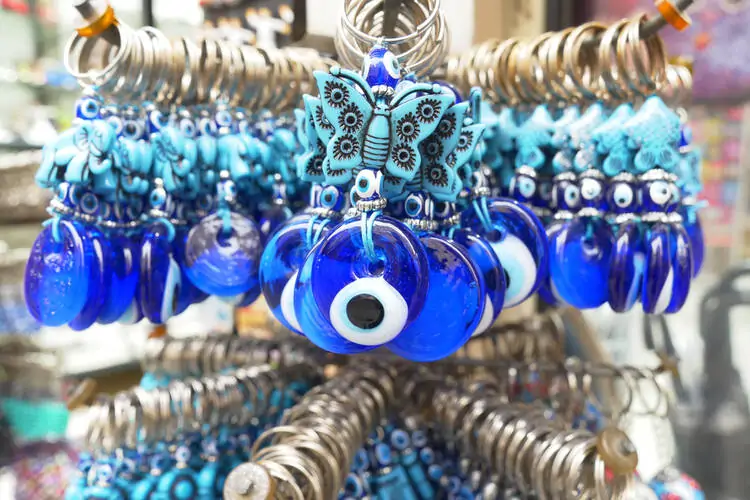
Handmade Jewelry and Fashion Accessories
1. Beaded Jewelry Business

Estimated startup budget: $300 – $2,500.
Beaded jewelry is one of the more accessible craft businesses because you can begin with basic tools, beads, wire, clasps, and a small collection of designs.
You can produce bracelets, necklaces, earrings, anklets, and personalized accessories for different customers.
For example, you could specialize in wedding party jewelry, colorful festival accessories, personalized birthstone bracelets, or minimalist everyday designs.
How you make money: Sell ready-made jewelry online, accept customized orders, and supply boutiques or gift shops.
What to watch: Competition is substantial. Pay attention to material quality, durability, metal allergies, and the accuracy of any gemstone or precious metal claims.
2. Handmade Metal Jewelry Business
Estimated startup budget: $1,500 – $12,000.
If you enjoy working with metals, you could establish a jewelry business specializing in sterling silver, brass, copper, or gold-filled accessories.
Potential products include rings, pendants, earrings, bracelets, and personalized pieces.
Unlike basic bead assembly, metalsmithing may require specialized tools, soldering equipment, ventilation, polishing equipment, and technical training.
How you make money: Sell finished collections, offer custom jewelry, and provide selected jewelry repair or resizing services when qualified.
What to watch: Precious metal costs can fluctuate, and your products must be accurately described. Do not advertise an item as solid gold or sterling silver unless it meets the applicable standards.
See how to start a jewelry business online.
3. Polymer Clay Earrings Business
Estimated startup budget: $300 – $2,000.
Polymer clay can be shaped, colored, and combined to produce distinctive earrings, pendants, charms, and other decorative accessories.
You can create seasonal collections, geometric designs, personalized initials, or accessories that complement particular clothing styles.
Because the finished products are often lightweight, shipping expenses may be relatively manageable compared with larger crafts.
How you make money: Sell through online marketplaces, social media, gift stores, and craft fairs.
What to watch: Product finishing matters. Poorly cured clay, weak attachments, and rough edges can lead to returns. Follow manufacturer curing instructions and use suitable jewelry findings.
4. Resin Art and Accessories Business

Estimated startup budget: $500 – $4,000.
Resin crafting involves using suitable casting materials and molds to produce decorative items.
Products may include coasters, jewelry, keychains, trays, bookmarks, and selected home decorations.
You can differentiate your products through original color combinations, embedded decorative elements, and personalization.
How you make money: Sell finished pieces and custom gift orders.
What to watch: Uncured resin and related chemicals require appropriate handling, ventilation, and protective equipment. Not every resin is suitable for food contact, children’s products, or prolonged skin contact.
Use materials according to their documented intended uses rather than assuming that every cured resin product is automatically safe.
5. Handmade Leather Goods Business
Estimated startup budget: $800 – $6,000.
Leather crafting offers opportunities to create wallets, belts, cardholders, keychains, bags, and small accessories.
Rather than attempting to compete with major handbag manufacturers immediately, you can specialize in small, personalized products.
For example, custom leather cardholders for corporate gifts could create an opportunity for repeat orders.
How you make money: Sell finished products, custom orders, and branded accessories for businesses.
What to watch: Leather quality, stitching, cutting accuracy, and labor time affect profitability.
Be accurate when describing genuine leather, synthetic leather, or other materials.
6. Handmade Handbags and Tote Bags

Estimated startup budget: $500 – $5,000.
If you can sew or construct bags, you could produce fabric tote bags, crossbody bags, shopping bags, laptop sleeves, and travel organizers.
A particularly practical approach is to develop a limited collection using a few repeatable patterns.
For example, you could focus on durable tote bags for teachers, customized shopping bags, or compact organizers for travelers.
How you make money: Sell directly to consumers, accept bulk promotional orders, or supply independent boutiques.
What to watch: Fabric waste, zippers, straps, lining materials, and labor can raise production costs. Test durability before selling bags designed to carry heavy items.
7. Handmade Hair Accessories

Estimated startup budget: $250 – $1,500.
Handmade hair accessories can include scrunchies, headbands, bows, decorative hair clips, and fabric hair wraps.
This business is suitable for someone who wants to begin with relatively small products and a limited amount of equipment.
You could specialize in accessories for bridesmaids, adults, dancers, or seasonal fashion collections.
How you make money: Sell individual accessories, coordinated sets, gift bundles, and wholesale packages.
What to watch: Avoid making unsupported safety claims. Products intended for young children may be subject to additional consumer product safety rules, particularly concerning small detachable parts and materials.
8. Custom Hat and Millinery Business
Estimated startup budget: $600 – $4,500.

Hat making is a craft business where design and workmanship can distinguish your products from mass-produced alternatives.
Depending on your skills, you might produce fascinators, fabric hats, bridal headpieces, decorative caps, or customized occasion hats.
You could also begin by personalizing blank hats rather than making every product entirely from scratch.
How you make money: Accept wedding and occasion orders, sell fashion accessories, and provide personalized hats for events.
What to watch: Fashion trends change, and custom fitting can be time-consuming. Obtain deposits for made-to-order items and establish a clear approval process.
Sewing, Needlework, and Textile Crafts
9. Crochet Products Business
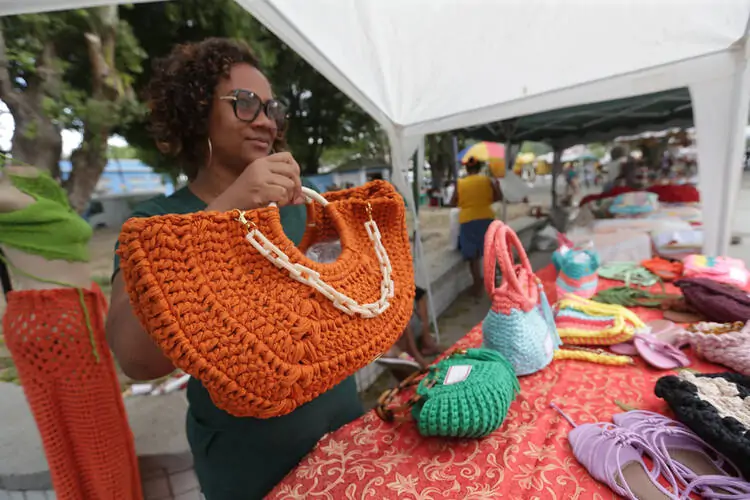
Estimated startup budget: $200 – $2,500.
Crochet is an attractive home-based business for someone who already enjoys working with yarn.
You can create bags, hats, scarves, table runners, blankets, clothing accessories, and decorative home items.
Instead of offering every type of crochet product, consider specializing in items with repeatable patterns and manageable production times.
For example, a collection of crochet handbags may be easier to market consistently than a store containing dozens of unrelated handmade items.
How you make money: Sell finished items, accept custom orders, or create and sell original crochet patterns.
What to watch: Labor time is often the largest hidden expense. If a bag takes eight hours to make, your selling price must reflect that effort.
Read how to start a crochet business.
10. Knitted Clothing and Accessories

Estimated startup budget: $300 – $2,000.
A knitting business can produce scarves, cardigans, shawls, beanies, sweaters, and other textile accessories.
You could serve customers seeking handmade gifts, custom sizing, or distinctive designs not readily available in ordinary retail stores.
One way to improve efficiency is to offer a small number of established designs with controlled customization options.
How you make money: Sell garments, accept made-to-order commissions, and license or sell original knitting patterns.
What to watch: Yarn expenses, sizing errors, production time, and seasonality can affect your margins. Clearly explain how customers should care for delicate handmade products.
11. Custom Embroidery Business

Estimated startup budget: $800 – $8,500.
An embroidery business personalizes fabrics with names, logos, initials, and decorative designs.
Customers may include small companies, schools, sports groups, event planners, and individuals purchasing personalized gifts.
You can begin with hand embroidery or a suitable entry-level machine, depending on the services you want to provide.
How you make money: Charge for embroidered garments, uniforms, towels, caps, and custom orders.
What to watch: Machine embroidery requires design preparation, suitable stabilizers, testing, and proper placement. Business logos and other protected designs should only be reproduced with permission.
12. Sewing, Alterations, and Custom Clothing

Estimated startup budget: $700 – $5,000.
A sewing and alterations business can combine a traditional craft with practical services customers need regularly.
You could repair zippers, hem trousers, adjust dresses, replace buttons, make cushions, or produce limited-run clothing.
Alterations may offer more consistent local service demand than relying entirely on customers buying original fashion designs.
How you make money: Charge per alteration, repair, custom garment, or sewing project.
What to watch: You need accurate measurements, reliable turnaround times, and clear pricing for complicated alterations.
13. Quilts and Memory Blankets Business
Estimated startup budget: $500 – $6,000.
Quilting offers opportunities to create personalized blankets, decorative throws, and memory quilts made from customers’ treasured fabrics.
For example, a customer might commission a quilt made from old sports jerseys, school shirts, or clothing belonging to a loved one.
These projects can have meaningful personal value, which makes customization an important selling point.
How you make money: Charge for custom quilts, memory blankets, and longarm quilting services if you have suitable equipment.
What to watch: Custom quilts require many hours. Document the condition of customer-supplied materials and obtain written approval before cutting irreplaceable garments.
14. Tie-Dye and Hand-Dyed Clothing

Estimated startup budget: $400 – $3,500.
Tie-dye offers a creative way to turn plain garments into distinctive clothing and accessories. You can produce T-shirts, hoodies, scarves, tote bags, and matching sets.
Rather than depending only on individual online orders, you could approach event organizers, schools, and community groups that want customized merchandise.
How you make money: Sell finished collections, themed products, and bulk custom orders.
What to watch: Test colorfastness and laundering performance. Dyeing requires suitable protective equipment, work surfaces, and wastewater handling procedures.
15. Screen Printing Business
Estimated startup budget: $2,500 – $15,000.
Screen printing involves transferring designs onto fabric or other suitable surfaces using prepared screens and inks.
It can be a good business for serving organizations that regularly purchase branded clothing.
Potential customers include schools, local businesses, sports teams, clubs, and event organizers.
How you make money: Charge for T-shirts, sweatshirts, tote bags, and other customized merchandise, particularly in batches.
What to watch: Setup and cleanup take time, so very small orders may have poor margins. Ventilation, ink handling, print quality, and curing procedures are important.
See how to start a screen printing business.
16. Print-on-Demand Apparel Design

Estimated startup budget: $300 – $3,000.
Print-on-demand allows you to create original designs for clothing and accessories while using a third-party production company to manufacture products after a customer places an order.
You might design shirts for a particular hobby community, profession, occasion, or interest group.
Because you do not necessarily hold finished inventory, you can test designs without buying hundreds of blank garments.
How you make money: Earn the difference between the amount paid by the customer and your production, selling, and fulfillment expenses.
What to watch: Profit margins can be narrow. Order samples to check print quality, and use only designs you have the legal right to sell.
Read how to start a T-shirt business.
17. Personalized Monogram Products
Estimated startup budget: $600 – $6,000.
Monogramming involves personalizing products with names, initials, and decorative lettering.
Potential products include towels, robes, bags, baby blankets, hats, and clothing accessories.
You can begin by offering a small set of items and using approved embroidery or printing equipment.
How you make money: Charge for custom gifts, wedding orders, employee appreciation products, and business merchandise.
What to watch: Personalized orders are difficult to resell when customers make mistakes or change their minds. Require confirmation of names, spelling, colors, and design placement before production.
See how to start a monogram business.
Woodworking, Pottery, Art, and Home Décor
18. Wooden Home Décor Products

Estimated startup budget: $1,000 – $9,000.
Woodworking gives you opportunities to create useful and decorative products from wood.
You might specialize in serving trays, wall shelves, decorative boxes, desk organizers, or home accents.
Small products are generally easier to ship than large furniture, making them worth considering when you want to sell online.
How you make money: Sell ready-made pieces, offer personalization, and supply gift shops or home décor retailers.
What to watch: Machinery, dust, finishing chemicals, and power tools require suitable safety procedures. Calculate wood waste and shipping costs before choosing your products.
Read how to start a woodworking business.
19. Custom Wooden Signs
Estimated startup budget: $700 – $5,000.
Custom wooden signs can be sold for weddings, home entrances, business premises, children’s rooms, and special events.
For example, you could create personalized family name signs, nursery decorations, or welcome signs for events.
You can begin with hand painting and basic woodworking equipment before purchasing more advanced cutting or engraving machines.
How you make money: Charge for custom designs, materials, sizes, and special finishes.
What to watch: Personalized signage requires careful measurement and approval. Outdoor products also need finishes appropriate for the intended exposure.
20. Small Furniture Making and Restoration
Estimated startup budget: $2,000 – $15,000.
If you have woodworking or upholstery skills, you could make small furniture pieces or restore selected used items.
Potential products include side tables, stools, benches, floating shelves, and carefully restored chairs.
Starting with smaller projects may be more manageable than attempting to build large dining sets or fitted cabinetry immediately.
How you make money: Sell finished furniture, accept commissions, or charge for restoration services.
What to watch: Furniture requires structural integrity and safe construction. Large items also create transportation and storage expenses that can reduce profits.
21. Laser Engraving and Personalized Gifts

Estimated startup budget: $2,500 – $12,000.
Laser engraving allows you to personalize suitable materials with names, artwork, logos, and decorative patterns.
Possible products include wooden plaques, selected leather accessories, signage, decorative ornaments, and business gifts.
Custom orders can make this business attractive because customers pay for personalization rather than an ordinary unbranded product.
How you make money: Sell engraved gifts, corporate orders, event merchandise, and custom signage.
What to watch: Laser equipment presents fire, eye, and fume hazards. Use appropriate enclosure, ventilation, and materials. Certain plastics and coatings can release hazardous fumes when processed.
22. Pottery and Ceramics Business

Estimated startup budget: $2,500 – $15,000.
A pottery business creates products such as mugs, bowls, planters, vases, and decorative objects.
You can begin by renting studio time or using a shared ceramic workshop rather than purchasing a kiln immediately.
Customers may include homeowners, gift buyers, cafés, florists, and boutique retailers.
How you make money: Sell finished pottery, accept custom commissions, or teach classes.
What to watch: Pottery involves equipment, energy, breakage, and labor costs. Products intended for food contact need suitable materials, glazes, firing procedures, and compliance with applicable safety requirements.
23. Original Canvas Painting Business
Estimated startup budget: $400 – $3,500.
If you enjoy painting, you can create original artwork for homes, offices, and other interior spaces.
You might specialize in landscapes, abstract art, floral paintings, or a recognizable personal style.
Another approach is to offer commissioned paintings based on a customer’s preferences.
How you make money: Sell original paintings, accept commissions, and offer authorized reproductions of your work.
What to watch: Art sales can be unpredictable. Build a portfolio, price consistently, and document ownership and reproduction rights when accepting commissions.
24. Custom Pet Portrait Business
Estimated startup budget: $300 – $3,000.
Pet portraits can be an appealing niche for artists who enjoy drawing or painting animals.
You can produce watercolor portraits, pencil drawings, digital illustrations, or other original artwork based on photographs supplied by customers.
Potential customers include pet owners purchasing gifts, memorial portraits, and personalized home decorations.
How you make money: Charge per portrait based on size, medium, number of animals, and complexity.
What to watch: Set expectations for revisions, delivery schedules, reference photographs, and commercial reproduction rights.
25. Mosaic and Stained Glass Art
Estimated startup budget: $800 – $6,000.
Mosaic and stained glass businesses create decorative items using colored glass, tiles, and other suitable materials.
Products may include wall art, mirrors, panels, ornaments, and decorative home accessories.
You could specialize in smaller pieces before offering custom architectural installations.
How you make money: Sell original pieces, accept commissioned work, and provide workshops.
What to watch: Glass cutting, soldering, sharp edges, and some traditional stained glass materials require appropriate safety procedures. Larger installations may involve additional structural and building requirements.
Candles, Soap, and Personal Care Crafts
26. Handmade Candle Business

Estimated startup budget: $600 – $5,000.
Candle making is a popular craft because you can create products using different fragrances, containers, colors, and styles.
Potential customers include gift buyers, homeowners, spas, and businesses purchasing promotional merchandise.
However, making a candle that looks attractive is not the same as manufacturing one that burns safely and consistently.
How you make money: Sell individual candles, seasonal collections, gift bundles, and wholesale orders.
What to watch: Conduct suitable burn testing, use appropriate containers and wicks, and follow relevant fire-safety and labeling guidance, including applicable ASTM candle standards.
Read how to start a candle making business.
27. Scented Wax Melts Business
Estimated startup budget: $400 – $2,500.
Wax melts are fragranced wax products designed for use with suitable warming devices rather than being burned with an exposed wick.
They can be made in different fragrances, shapes, and coordinated collections.
You could sell them alongside candles or specialize exclusively in home fragrance products.
How you make money: Sell individual packages, seasonal fragrance collections, and repeat-purchase bundles.
What to watch: Test products with the intended warming method, provide accurate instructions, and avoid unsupported safety or health claims.
28. Handmade Soap Business
Estimated startup budget: $1,000 – $6,000.

Handmade soap is another craft business worth investigating if you are interested in personal care products.
You could produce traditional bar soap using suitable ingredients and controlled manufacturing procedures.
However, the regulatory classification of a product depends on its composition and intended use.
For example, a traditional product marketed only as soap may fall under the Consumer Product Safety Commission, while products marketed for moisturizing or other cosmetic purposes may be regulated as cosmetics by the Food and Drug Administration.
Claims about treating disease or killing germs can also trigger drug requirements.
How you make money: Sell individual bars, gift sets, and products to qualifying retail customers.
What to watch: Ingredient handling, product safety, labeling, and compliant marketing are essential. Do not assume a handmade product is exempt from regulation simply because it is produced at home.
29. Bath Bombs and Bath Products Business
Estimated startup budget: $800 – $4,500.
Bath bombs and related bath products can be sold as gifts or personal care accessories.
You can create original fragrances, colors, packaging, and themed collections.
However, making products that customers apply to their bodies creates regulatory and safety responsibilities.
How you make money: Sell individual products, gift boxes, and selected wholesale packages.
What to watch: Investigate applicable FDA cosmetics requirements, ingredient safety, color additives, labeling, and product claims. Avoid unsupported therapeutic or medical claims.
Paper Crafts, Personalized Gifts, and Digital Designs
30. Handmade Paper Flowers
Estimated startup budget: $300 – $2,000.
Paper flower making involves creating decorative flowers and arrangements from suitable paper and craft materials.
Products may include bouquets, event decorations, wall displays, and seasonal home décor.
Because paper flowers can be designed around particular colors and themes, custom event orders may be worth exploring.
How you make money: Sell ready-made arrangements, decorative backdrops, and custom event pieces.
What to watch: Large arrangements can be difficult to transport, while delicate flowers may require protective packaging.
31. Handmade Greeting Cards
Estimated startup budget: $300 – $3,000.
A greeting card business can focus on birthdays, weddings, anniversaries, graduations, sympathy messages, and other occasions.
You can create original illustrated cards, layered paper designs, hand-lettered messages, or small printed collections.
Rather than competing on price with mass-produced cards, specialize in a distinctive design style or underserved audience.
How you make money: Sell individual cards, boxed sets, personalized orders, and wholesale collections.
What to watch: Printing, paper, envelopes, packaging, and shipping can reduce margins on low-priced orders. Multipacks may help improve transaction value.
32. Wedding Invitations and Event Stationery
Estimated startup budget: $600 – $4,000.
Wedding stationery includes invitations, save-the-date cards, menus, place cards, welcome signs, and other printed materials.
You can offer original designs, customized templates, and coordinated stationery collections.
One practical approach is to outsource specialized printing while focusing on design, customer service, and packaging.
How you make money: Charge for design packages, customized invitations, printing coordination, and additional stationery.
What to watch: Customers may request numerous revisions. Establish clear proofing, approval, and change-order procedures before sending designs to production.
33. Handmade Journals and Bookbinding
Estimated startup budget: $800 – $5,000.
Bookbinding allows you to make journals, sketchbooks, notebooks, memory books, and other paper products.
You can differentiate your products through binding methods, cover materials, paper quality, and customization.
Potential customers include artists, writers, students, and gift buyers.
How you make money: Sell finished journals, personalized books, and custom orders.
What to watch: Paper and binding quality must be consistent. Complex books may take longer to produce than customers expect, so track labor carefully.
34. Custom Stickers and Labels Business
Estimated startup budget: $300 – $5,000.
Stickers and labels are relatively compact products that can be sold to individuals and small businesses.
You could create original decorative stickers for journals, packaging labels for small brands, or personalized stickers for events.
You can begin by outsourcing printing before investing in your own cutting or printing equipment.
How you make money: Sell sticker sheets, custom orders, branded packaging labels, and repeat business supplies.
What to watch: Test adhesives and finishes for their intended uses. Do not claim that labels are waterproof, dishwasher-safe, or suitable for food contact without appropriate evidence.
35. Digital Art and Printable Templates
Estimated startup budget: $100 – $2,000.
Not every arts and crafts business requires physical inventory.
You could design original downloadable artwork, planners, wall prints, invitation templates, calendars, and other digital products.
Customers purchase the files and download them for personal printing or other permitted uses.
How you make money: Sell individual digital downloads, coordinated bundles, and customized files.
What to watch: Competition is intense, and digital files may be copied or redistributed. Clearly specify usage rights and avoid reselling artwork or templates you do not own or have permission to use.
On Etsy, original seller-designed digital products are permitted under the platform’s Creativity Standards. Seller-prompted AI creations require disclosure, and not every type of AI-related product is eligible.
36. Original Fabric and Surface Pattern Design
Estimated startup budget: $200 – $2,500.
If you enjoy illustration and repeating patterns, you could design artwork for fabric, wallpaper, stationery, or other products.
Rather than manufacturing every physical item yourself, you can investigate licensing your designs or working with suitable production partners.
This business may suit artists who prefer creating original designs over handling inventory and shipping.
How you make money: Sell original pattern files, license designs, or sell finished products manufactured with your artwork.
What to watch: Review licensing agreements carefully, particularly exclusivity, permitted uses, territories, compensation, and ownership rights.
Gift Products, Event Crafts, and Creative Experiences
37. Personalized Gift Basket and Gift Box Business
Estimated startup budget: $500 – $4,000.
A gift basket business combines products into attractive packages designed for particular recipients and occasions.
For example, you might create employee appreciation boxes, housewarming gifts, graduation packages, or themed gift baskets.
Customers are paying for convenience, attractive presentation, thoughtful product selection, and customization.
How you make money: Sell individual gift packages, corporate orders, and seasonal collections.
What to watch: Avoid purchasing too much inventory before securing orders. Products such as food, cosmetics, and children’s items may carry additional requirements.
See how to start a gift basket business.
38. Balloon Decorations and Party Backdrops

Estimated startup budget: $800 – $8,000.
Balloon decoration combines craft skills with event services. You can create balloon arches, garlands, columns, photo backdrops, and themed installations for birthdays, weddings, graduations, and business events.
Unlike a conventional craft product business, much of your work may be performed or installed at the customer’s venue.
How you make money: Charge for design, materials, setup, transportation, installation, and removal.
What to watch: Transport time, labor, damaged materials, venue access, and last-minute changes can affect profitability. Follow appropriate safety procedures for installation and cleanup.
39. Basket Weaving and Woven Home Accessories
Estimated startup budget: $400 – $4,000.
Basket weaving is a traditional craft that can be adapted into products for contemporary homes.
You can create storage baskets, decorative wall pieces, trays, planters, and other woven accessories.
Instead of attempting to compete with inexpensive mass-produced baskets, focus on craftsmanship, distinctive designs, and appropriate materials.
How you make money: Sell handmade home accessories, custom baskets, and selected wholesale collections.
What to watch: Large baskets can be expensive to ship, and production may be labor-intensive. Price according to materials, time, and finishing quality.
40. Craft Kits and Creative Workshops
Estimated startup budget: $500 – $6,000.
If you are skilled in a particular craft, you can generate income by teaching it or packaging materials into beginner-friendly kits.
For example, you could create crochet starter kits, beginner embroidery packages, paper flower kits, or introductory painting workshops.
Another option is to organize small creative sessions for adults, teams, or community groups.
How you make money: Sell kits, charge workshop admission, or organize private group classes.
What to watch: Workshops require planning, suitable venues, supervision, liability considerations, and adequate supplies. Products marketed to children may need to comply with children’s product safety rules.
Arts and Crafts Business Startup Cost Comparison
One of the advantages of the crafts industry is that you can often test customer interest before committing to a permanent studio or expensive equipment.
However, startup costs vary substantially between different activities.
The following table provides illustrative planning ranges for selected arts and crafts businesses.
| Craft Business | Illustrative Startup Budget | Possible First Customers |
|---|---|---|
| Beaded Jewelry | $300 – $2,500 | Gift buyers and local boutiques |
| Polymer Clay Accessories | $300 – $2,000 | Online fashion accessory shoppers |
| Crochet Products | $200 – $2,500 | Gift buyers and handmade fashion shoppers |
| Custom Embroidery | $800 – $8,500 | Small businesses, schools, and events |
| Sewing and Alterations | $700 – $5,000 | Local clothing customers |
| Tie-Dye Clothing | $400 – $3,500 | Event organizers and clothing buyers |
| Screen Printing | $2,500 – $15,000 | Schools, companies, and sports teams |
| Wooden Home Décor | $1,000 – $9,000 | Homeowners and gift retailers |
| Laser Engraving | $2,500 – $12,000 | Gift buyers and corporate customers |
| Pottery | $2,500 – $15,000 | Home décor shoppers and gift stores |
| Candles | $600 – $5,000 | Gift buyers, boutiques, and spas |
| Handmade Soap | $1,000 – $6,000 | Personal care shoppers and gift buyers |
| Greeting Cards | $300 – $3,000 | Gift shops and online shoppers |
| Stickers and Labels | $300 – $5,000 | Small businesses and stationery buyers |
| Digital Printables | $100 – $2,000 | Online customers seeking original templates |
| Gift Baskets | $500 – $4,000 | Corporate clients and gift shoppers |
| Balloon Decorations | $800 – $8,000 | Event planners and private celebrations |
| Craft Kits and Workshops | $500 – $6,000 | Beginners, community groups, and teams |
Budget note: These figures illustrate possible lean startup budgets. They are not supplier quotations or national average costs, and they do not guarantee that every business can operate within the stated range. Businesses involving machinery, chemicals, children’s products, or commercial premises may face additional compliance and insurance expenses.
How Much Profit Can You Make Selling Handmade Crafts?
The amount you earn depends on what you sell, how long it takes to produce each item, your pricing, and the cost of finding customers.
One of the biggest mistakes craft sellers make is calculating profit by subtracting only the cost of materials from the selling price.
For example, imagine you sell a handmade product for $40 through Etsy.
The following hypothetical calculation illustrates the expenses involved in one US Etsy order, using the platform’s published standard listing, transaction, and US payment-processing fees as of November 2026.
| Revenue or Expense | Illustrative Amount |
|---|---|
| Selling Price (Including Shipping) | $40.00 |
| Materials | $12.00 |
| Packaging | $2.00 |
| Shipping Cost Paid by Seller | $6.00 |
| Etsy Transaction Fee (6.5%) | $2.60 |
| US Etsy Payments Processing (3% + $0.25) | $1.45 |
| Listing Fee | $0.20 |
| Balance Before Labor, Advertising, Taxes, and Other Overheads | $15.75 |
Important: This calculation assumes one $40 order, including shipping, with no additional advertising charges or sales tax included in the fee base. Etsy fees can also include optional advertising, Offsite Ads, a shop setup charge, and other location-dependent charges. Payment processing fees vary by country. The $15.75 balance is not net profit because it excludes labor, advertising, returns, equipment depreciation, taxes, and other business overhead.
If the product takes three hours to make, the amount remaining may not provide reasonable compensation for your work.
This is why calculating a price that reflects your time is especially important for handmade businesses.
Where Can You Sell Handmade Arts and Crafts?
Finding customers is just as important as learning to make good products.
Many craft businesses struggle not because their products are poorly made, but because they depend on a single sales channel or fail to understand what buyers want.
1. Your Own Online Store
A dedicated website gives you control over branding, product presentation, and customer relationships.
However, you must generate your own traffic and manage payments, delivery, customer support, and marketing.
2. Handmade Marketplaces
Platforms such as Etsy provide access to shoppers interested in handmade, designed, vintage, and certain craft supply products.
However, sellers must follow the platform’s creativity standards, listing requirements, and fee structure.
For example, Etsy generally requires sellers who use production partners to disclose those partners on the relevant listings.
It also requires disclosure when eligible creations use artificial intelligence.
Make sure your listings accurately describe how products are made and who made or designed them.
3. Local Craft Fairs and Markets
Craft fairs can help you discover which products attract attention and what customers are willing to pay.
They can also provide opportunities to meet buyers, collect feedback, and establish repeat customer relationships.
However, vendor fees, transportation, display equipment, and unsold inventory must be included in your calculations.
4. Wholesale Sales to Retailers
Gift shops, boutiques, florists, bookstores, and home décor retailers may be interested in stocking selected handmade products.
However, wholesale buyers usually expect prices low enough for them to earn a retail margin.
Before accepting a wholesale order, calculate whether you can produce the requested quantity profitably.
5. Custom Orders from Businesses and Events
Many craft businesses can earn income by supplying personalized products rather than competing only for individual retail purchases.
Examples include embroidered uniforms, custom signs, corporate gifts, wedding stationery, and event decorations.
Business customers may place repeat orders when the quality, pricing, and delivery schedule meet their needs.
How to Start an Arts and Crafts Business From Home
1. Choose a Product You Can Make Consistently
You do not need to master every craft before starting a business.
Choose one product category you understand and can produce to a reliable standard.
For example, if you enjoy sewing, beginning with fabric tote bags may be easier than launching a large clothing collection.
2. Investigate Customer Demand
Study comparable products, customer reviews, typical prices, and the types of buyers who purchase them.
Look for practical opportunities to improve quality, customization, convenience, or presentation.
Do not assume that a product will sell simply because it receives likes on social media.
3. Make a Small Test Collection
Start with a limited number of products rather than purchasing materials for hundreds of items.
For example, produce five to ten designs and test customer interest before making a larger investment.
This can reduce the amount of money tied up in unsold inventory.
4. Calculate Your True Cost Per Product
Your calculations should include materials, consumables, packaging, labor, selling fees, shipping, returns, and an appropriate share of equipment and operating costs.
Use these figures to establish a price that can support your business.
5. Check Business and Product Safety Requirements
Depending on the products you make, you may need a business license, sales tax registration, appropriate insurance, or compliance with specific manufacturing rules.
For example, handmade candles, cosmetics, children’s toys, and certain jewelry products have safety considerations that should be investigated before selling.
A product is not automatically exempt from safety requirements simply because it is handmade or produced in small batches.
6. Photograph Your Products Professionally
Customers buying crafts online cannot inspect your items in person.
Clear product photographs should show the product’s appearance, scale, details, and intended use.
Use accurate images rather than misleading digital mockups.
7. Choose One or Two Initial Sales Channels
You do not need to sell through every platform immediately.
For example, you might begin with local craft fairs and a handmade marketplace, then develop your own website once you know which products generate consistent demand.
8. Track Your Sales and Customer Feedback
Record which products sell, their actual profit margins, customer complaints, and repeat purchase patterns.
Use this information to improve or discontinue products rather than continuing to produce items with weak demand.
Important Legal and Safety Considerations for Craft Businesses
Copyright and Trademark Protection
Be careful when using popular cartoon characters, movie artwork, sports logos, celebrity images, song lyrics, and other protected content.
Purchasing a blank T-shirt or a digital design file does not automatically give you the right to reproduce protected artwork commercially.
Make sure you have the necessary rights or licenses before selling products featuring someone else’s intellectual property.
Children’s Products
Handmade toys, children’s jewelry, and certain other products intended for children may be subject to federal consumer product safety rules.
Depending on the product, these rules can involve testing, tracking labels, certification, lead limits, and small-parts requirements.
Qualifying small-batch manufacturers may receive limited relief from certain third-party testing obligations, but they must still comply with applicable safety requirements and issue required certifications.
Candles and Fragrance Products
Candle businesses should investigate applicable fire-safety standards, warning labels, materials, and product testing.
Different rules may apply depending on the product’s construction, particularly when metal-cored wicks or regulated components are involved.
Handmade Cosmetics and Soap
Products applied to the body may be regulated as cosmetics or drugs depending on their composition and marketing claims.
For example, an ordinary soap marketed only for cleansing may be regulated differently from a product advertised as treating acne or other medical conditions.
Investigate applicable FDA and CPSC rules before manufacturing and selling these items.
Frequently Asked Questions About Arts and Crafts Businesses
What Is the Best Arts and Crafts Business to Start With Little Money?
Beaded jewelry, crochet, greeting cards, paper flowers, digital printables, and some handmade accessories can be tested with relatively small startup budgets.
However, the best choice depends on your skills, customer demand, production costs, and available time.
Can You Make a Living Selling Handmade Crafts?
Yes, some entrepreneurs earn a living from craft businesses, but the outcome is not guaranteed.
You need enough sales at prices that cover materials, labor, selling expenses, and business overhead.
A product that sells frequently is not necessarily profitable if each sale requires excessive labor or carries high fulfillment costs.
Which Crafts Are Best for Selling Online?
Small, lightweight products such as jewelry, stickers, greeting cards, accessories, and certain personalized gifts can be practical for online sales because they are easier to package and ship.
Digital products eliminate physical shipping but may face significant competition and intellectual property concerns.
What Craft Business Can I Start Without a Shop?
Many craft businesses can operate from home, including crochet, knitting, handmade cards, illustration, sewing, digital design, and certain jewelry activities.
However, zoning, safety, equipment, and local business rules may still apply.
Do I Need a Business License to Sell Crafts?
Licensing requirements vary by state, county, municipality, and business activity.
You may also need to comply with sales tax requirements, home occupation rules, and product-specific regulations.
Check the requirements for your location and intended products before beginning regular sales.
Is Etsy a Good Place to Sell Handmade Crafts?
Etsy can help eligible sellers reach shoppers interested in handmade and original designs.
However, selling fees, advertising expenses, competition, and platform rules affect profitability.
Evaluate your net margin rather than assuming that the listed price is the amount you will earn.
Can I Sell Crafts Made With AI Designs?
Some marketplaces permit eligible AI-assisted creations under specific conditions.
For example, Etsy permits certain seller-prompted AI creations but requires disclosure of AI use in the listing.
However, not all AI-related products qualify, and sellers remain responsible for intellectual property compliance and accurate product descriptions.
How Should I Price Handmade Products?
Calculate materials, labor, packaging, equipment costs, selling fees, shipping, and other overhead.
Then add a margin appropriate for your business, the market, and the value of the product.
Review your prices regularly as material costs and selling expenses change.
Should I Sell Custom-Made or Ready-Made Crafts?
Both models have advantages.
Ready-made products can be shipped quickly, but you risk holding unsold inventory.
Custom orders reduce the need to produce speculative inventory but may require more communication and revisions.
A combination may be appropriate when your production process allows it.