
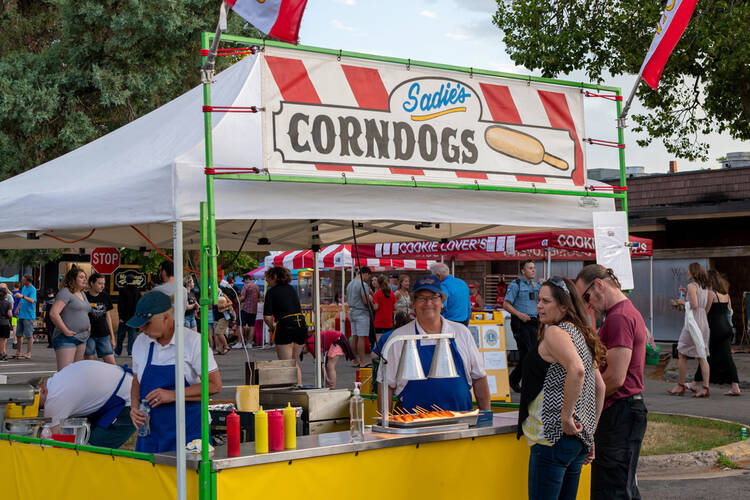
Designing a functional concession stand requires careful planning, efficient use of space, and a clear understanding of customer flow.
From the placement of equipment to the visibility of menu items, every detail plays a role in maximizing sales and reducing wait times.
A smart layout also helps staff work more comfortably and safely, especially during busy periods.
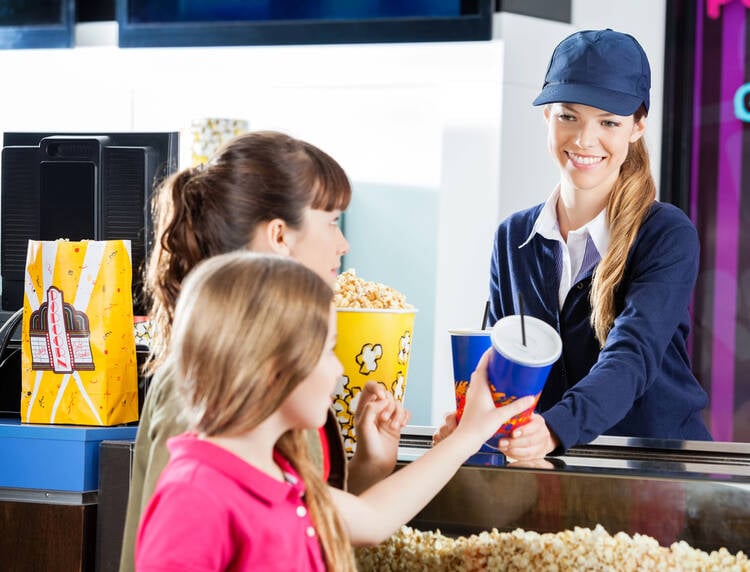
Whether you operate at sports events, fairs, or school functions, the right setup can improve service speed and enhance your customer experience.
Best Concession Stand Layout Ideas
-
Straight-Line Layout

A straight-line layout is one of the simplest and most efficient concession stand designs.
Customers move in a single direction from ordering to payment to pickup, reducing confusion and congestion.
This setup works well in small spaces and helps staff serve customers quickly. It also makes it easier to organize equipment along one counter.
By keeping everything in a logical flow, this layout improves speed, reduces wait times, and increases overall customer satisfaction during busy events.
-
L-Shaped Layout
The L-shaped layout uses two connected counters forming a corner, allowing better separation of tasks.
One side can be dedicated to order taking, while the other handles food preparation and delivery. This helps improve workflow and reduces crowding in one area.
It is ideal for medium-sized concession stands where space efficiency is important.
The design also allows staff to communicate easily while maintaining an organized service line.
-
U-Shaped Layout
A U-shaped layout surrounds the staff with counters on three sides, creating a highly efficient workspace.
This design allows multiple staff members to work simultaneously without interfering with each other.
It improves the speed of service and helps manage high customer volumes.
Customers are served from one opening, making the flow clear and controlled.
This layout is ideal for busy events like sports games and fairs where fast service is essential.
-
Island Layout
An island layout places the concession stand in the center of the space, allowing customers to approach from all sides.
This design increases visibility and attracts more attention. It is often used in large venues or open spaces.
The setup allows for multiple service points, reducing wait times. However, it requires good organization to manage customer flow effectively.
It works best when there is enough space for movement around the stand.
-
Food Truck Style Layout

A food truck-style layout is compact and mobile, designed for efficiency in small spaces.
All equipment is arranged along one side or in a tight workflow system. This layout is perfect for outdoor events and mobile concessions.
It emphasizes speed, simplicity, and easy access to ingredients and tools. Because space is limited, careful planning is needed to avoid crowding and ensure smooth operations.
-
Double Service Window Layout
This layout features two service windows, one for ordering and one for pickup.
It helps reduce congestion and speeds up customer flow. One window handles payments and orders, while the other delivers food or drinks.
This separation improves efficiency during busy hours. It is ideal for high-traffic events where fast service is essential.
Staff can also focus on specific tasks, improving accuracy and customer satisfaction.
-
Open Kitchen Layout
An open kitchen layout allows customers to see food preparation in real time.
This builds trust and adds excitement to the experience. It also encourages transparency and can attract more customers.
Staff work in a visible, organized space, making it important to maintain cleanliness and efficiency.
This layout is especially effective for fresh food stands like burgers, popcorn, or grilled items.
-
Self-Service Layout
A self-service layout allows customers to pick up pre-packaged items or serve themselves drinks and snacks. This reduces staffing needs and speeds up service.
It is ideal for high-volume events where quick transactions are important. Clear signage and organized displays are essential for success.
This layout works best for items like candy, bottled drinks, and packaged snacks.
-
Circle Flow Layout
A circular flow layout guides customers in a circular movement around the stand, improving traffic control.
Customers enter, order, pay, and exit smoothly without crossing paths. This design minimizes confusion and prevents crowding.
It works well in busy environments where managing large crowds is important. Proper signage and clear pathways are key to making this layout effective.
-
Modular Layout
A modular layout uses movable stations that can be rearranged depending on the event or space.
This flexibility allows operators to adjust for different crowd sizes and menu types.
It is highly adaptable and cost-effective in the long term. Each station can handle specific tasks like cooking, serving, or payment.
This layout is ideal for businesses that operate in multiple locations or seasonal events.
-
Back-to-Back Layout
A back-to-back layout positions two service counters facing opposite directions, allowing staff to serve customers from both sides.
This design is ideal for high-traffic events where large crowds gather on multiple sides of a stand.
It improves efficiency by doubling service points without requiring extra space.
Each side can have its own mini workflow, such as one for drinks and the other for food.
Proper coordination between staff is important to avoid confusion and ensure smooth, fast service.
-
Corner Booth Layout
A corner booth layout makes use of corner spaces in venues, creating a compact yet highly visible stand.
It allows customers to approach from two directions, increasing accessibility and reducing wait times.
This setup is ideal for fairs, stadiums, and markets where corner spaces are available.
It also helps maximize limited space while still maintaining an organized workflow. Strategic menu placement on both sides can attract more impulse buyers.
-
Drive-Through Style Layout
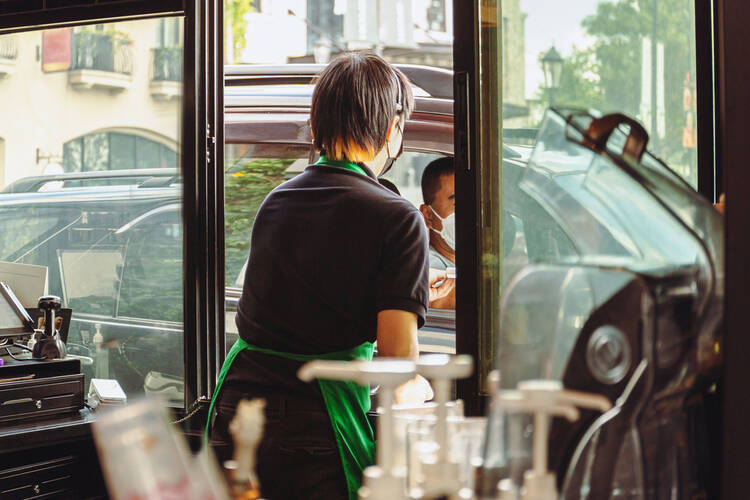
A drive-through style layout is designed for fast service, where customers place orders at one point and pick up at another. It minimizes congestion by separating ordering and delivery areas.
This layout is highly efficient for outdoor events or mobile concessions with vehicle access or walk-up lanes.
It focuses on speed, accuracy, and convenience, making it ideal for high-demand environments where quick turnover is essential.
-
Linear Assembly Line Layout
A linear assembly line layout organizes staff and equipment in a step-by-step production line.
Each station handles a specific task such as ordering, preparation, packaging, and payment.
This system improves speed and reduces errors because everyone has a defined role.
It works especially well for busy concession stands with repetitive menu items like burgers, fries, or drinks. It also ensures consistent quality and faster service during peak hours.
-
Hybrid Layout
A hybrid layout combines two or more design styles, such as L-shaped and self-service or straight-line and double window setups.
This flexible approach allows concession stand owners to customize their space based on demand, menu type, and event size. It improves efficiency while adapting to different customer flows.
A hybrid layout is ideal for businesses that operate in varied environments, ensuring both speed and functionality without sacrificing customer experience.