

A crochet business designs, produces, markets, and sells handmade products created primarily by interlocking yarn or thread with a crochet hook.
Crochet businesses can produce an enormous range of products, including:
- Clothing
- Handbags
- Hats
- Scarves
- Baby products
- Blankets
- Home décor
- Amigurumi
- Wedding accessories
- Fashion accessories
- Custom commissions.
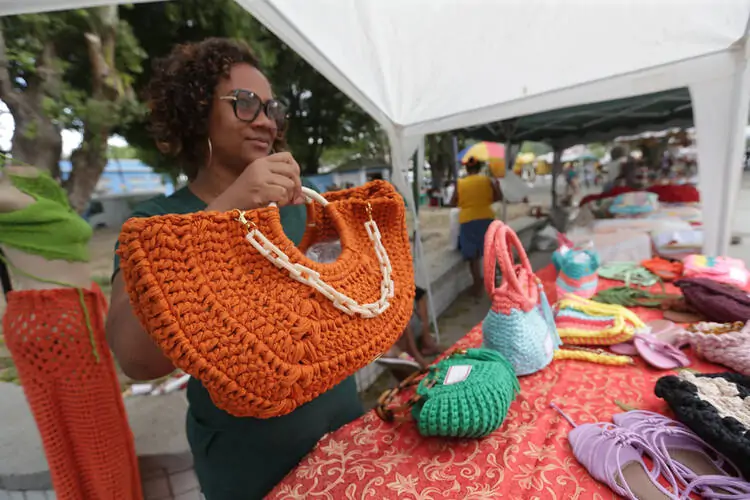
However, one of the biggest challenges in building a profitable crochet company is labor. A handmade crochet cardigan may require many hours to complete.
If the business simply calculates the cost of yarn and adds a small markup, it can sell large quantities while barely paying its artisans.
Pauline Williams™ Crochet Inc. will therefore treat skilled labor as a genuine production cost. The company’s strategy will combine:
- Premium handmade products
- Standardized repeatable designs
- High-value custom commissions
- Wholesale collections
- DIY crochet kits
- Digital patterns
- Workshops and classes.
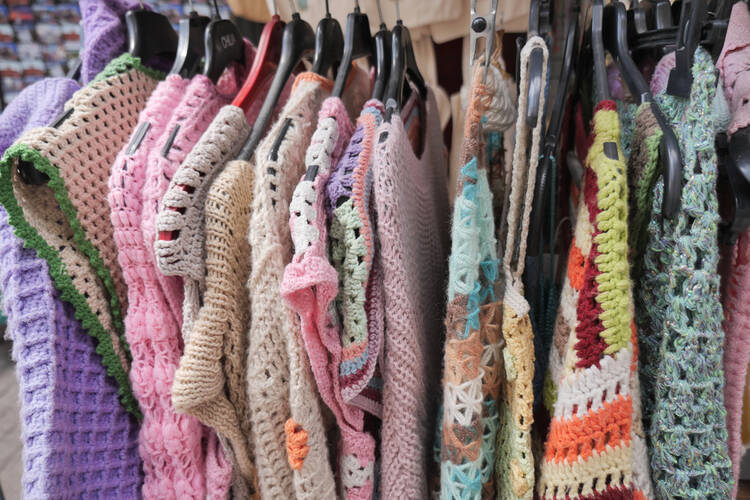
This diversified model allows the company to maintain its handmade identity while building revenue streams that are not completely limited by the number of hours Pauline Williams can personally crochet.
Entrepreneurs interested in selling handmade products primarily through an online marketplace can also review this Etsy Shop Business Plan.
Steps on How to Write a Crochet Business Plan

-
Executive Summary
Pauline Williams™ Crochet Inc. is a proposed premium crochet design, production, education, and e-commerce company based in Dallas, Texas.
The company will be founded by Pauline Williams, an experienced crochet designer whose role will evolve from personally making most products to serving as:
- Founder
- Chief Executive Officer
- Creative Director
- Lead Designer.
Pauline Williams™ Crochet Inc. will operate from approximately 2,500 square feet of leased studio, showroom, classroom, and fulfillment space in Dallas.
The facility will include:
- Design studio
- Crochet production area
- Yarn and materials storage
- Quality-control station
- Photography/content area
- Small customer showroom
- Workshop/classroom space
- Packing and fulfillment area
- Administrative workspace.
The company will produce collections such as:
- Crochet hats
- Scarves
- Handbags
- Cardigans
- Tops
- Dresses
- Swim and resort pieces
- Blankets
- Decorative throws
- Baby gift sets
- Amigurumi
- Home accessories
- Custom fashion pieces.
Additional revenue will come from:
- Digital crochet patterns
- DIY crochet kits
- Beginner classes
- Intermediate workshops
- Private crochet lessons
- Wholesale accounts
- Corporate and event gifts.
The company will sell through:
- Its own e-commerce website
- Selected online marketplaces
- Dallas craft and design markets
- Pop-up events
- Wholesale boutiques
- Direct custom commissions
- Social-commerce channels.
Pauline Williams™ Crochet Inc. will not attempt to compete against mass-produced imported knitwear on price. Instead, its competitive position will be built around:
- Original designs
- Handmade craftsmanship
- Premium materials
- Limited collections
- Customization
- Transparent product stories
- Attractive packaging
- Reliable fulfillment.
The company will employ trained crocheters who work from standardized:
- Patterns
- Yarn specifications
- Gauge specifications
- Measurements
- Finishing instructions
- Quality-control standards.
Pauline will remain responsible for:
- Design direction
- Prototype approval
- Seasonal collections
- Brand identity.
This allows multiple artisans to produce a recognizable Pauline Williams™ product without every item having to be personally handmade by the founder.
The startup requires approximately: $300,000. Our three-year forecast is:
| Financial Year | Projected Revenue | Projected Net Profit | Net Margin |
|---|---|---|---|
| FY1 | $520,000 | $36,400 | 7% |
| FY2 | $820,000 | $98,400 | 12% |
| FY3 | $1,150,000 | $184,000 | 16% |
The long-term objective is to establish Pauline Williams™ Crochet Inc. as a recognizable American handmade lifestyle brand with customers throughout the United States and selected international markets.
-
Company Profile
a. Our Products and Services
Crochet Hats and Beanies
The company will offer seasonal hat collections in:
- Classic neutrals
- Bold colors
- Textured stitches
- Premium fibers
- Limited seasonal colors.
Hats provide a practical introductory product because they require less production time than large garments.
Crochet Scarves and Wraps
Scarves may range from:
- Basic everyday designs
- Chunky winter scarves
- Lightweight decorative wraps
- Premium wool and natural-fiber pieces.
Crochet Handbags
The handbag range may include:
- Market totes
- Crossbody bags
- Beach bags
- Evening bags
- Structured crochet handbags.
Products requiring structure may incorporate:
- Linings
- Zippers
- Magnetic closures
- Handles
- Reinforced bases.
Crochet Tops and Cardigans
Fashion products will be developed from standardized sizing specifications rather than relying entirely on one-off measurements. Products may include:
- Crop tops
- Summer tops
- Vests
- Cardigans
- Oversized sweaters
- Festival pieces.
Crochet Dresses and Statement Fashion
Premium dresses will generally be positioned as:
- Resort wear
- Vacation wear
- Festival fashion
- Special-occasion pieces.
These products will command substantially higher prices because of:
- Design complexity
- Material requirements
- Labor hours.
Crochet Swim and Resort Pieces
The company may offer:
- Beach cover-ups
- Resort skirts
- Lightweight tops
- Decorative swimwear pieces.
Products will be designed with realistic consideration of:
- Stretch
- Water exposure
- Fiber selection
- Lining requirements.
Blankets and Throws
Products may include:
- Baby blankets
- Lap blankets
- Decorative throws
- Premium oversized blankets.
Because large blankets can require many hours of labor, they will be priced as premium products rather than low-cost accessories.
Baby Gift Sets
Gift collections may contain combinations such as:
- Baby blanket
- Hat
- Booties
- Cardigan.
Safety and labeling requirements will be reviewed carefully for products marketed primarily to children.
Amigurumi
The company may produce original crochet figures such as:
- Animals
- Fantasy characters
- Educational figures
- Nursery décor.
Pauline Williams™ Crochet Inc. will develop its own characters rather than building a product line around unauthorized copies of copyrighted or trademarked characters.
Products intended as children’s toys will only be marketed as such after applicable children’s product safety requirements are satisfied.
Home Décor
Products may include:
- Cushion covers
- Table runners
- Storage baskets
- Decorative wall pieces
- Plant holders
- Throws.
Custom Crochet Commissions
Customers may request customized:
- Colors
- Measurements
- Garments
- Wedding pieces
- Baby gifts
- Family heirloom items.
Custom work will require:
- A written specification
- Production timeline
- Deposit
- Final price approval.
Wedding and Event Crochet
Potential products include:
- Bridal wraps
- Flower accessories
- Wedding shawls
- Table décor
- Custom gift pieces
- Bridesmaid accessories.
Corporate and Promotional Gifts
Companies may purchase:
- Handmade holiday gifts
- Employee appreciation gifts
- Client gifts
- Limited branded products.
Large orders will be accepted only when production capacity can support the promised delivery date.
DIY Crochet Kits
Kits may contain:
- Yarn
- Pattern
- Hook where included
- Accessories
- Instruction guide.
Kits allow Pauline Williams™ Crochet Inc. to earn revenue from people who prefer making the product themselves.
Digital Crochet Patterns
Original patterns may be sold as digital downloads. Advantages include:
- No physical inventory
- No shipping cost
- High contribution margin
- International availability.
Patterns will include:
- Materials
- Gauge
- Stitch abbreviations
- Measurements
- Step-by-step instructions
- Photographs or diagrams where useful.
Crochet Workshops
Classes may include:
- Introduction to crochet
- Reading patterns
- Garment construction
- Amigurumi techniques
- Advanced finishing.
Workshops help the business create a local community around the brand while generating revenue during periods when product demand is slower.
Private Crochet Lessons
Customers may book:
- One-on-one lessons
- Small private groups
- Birthday craft sessions
- Corporate creative workshops.
b. Nature of the Business
Pauline Williams™ Crochet Inc. will operate through:
- Business-to-consumer sales
- Business-to-business wholesale
- Educational services
- Digital product sales.
c. The Industry
The company operates across the:
- Handmade products industry
- Fashion and accessories industry
- Home décor industry
- Craft education industry
- E-commerce industry.
d. Mission Statement
“At Pauline Williams™ Crochet Inc., our mission is to transform traditional crochet craftsmanship into beautiful, useful, contemporary products through original design, skilled handmade production, premium materials, fair artisan compensation, and memorable customer experiences.”
e. Vision Statement
“Pauline Williams™ Crochet Inc. envisions becoming a nationally recognized handmade lifestyle brand known for distinctive crochet fashion, beautiful home accessories, exceptional craftsmanship, original patterns, and a creative community that keeps the art of crochet relevant for a new generation.”
f. Our Tagline
“Pauline Williams™ Crochet – Handmade With Style. Made to Be Cherished.”
g. Legal Structure of the Business
Pauline Williams™ Crochet Inc. will operate as a Texas corporation. The company will maintain applicable:
- Texas corporate registration
- Federal Employer Identification Number
- Texas sales and use tax registration
- Dallas zoning and occupancy approvals
- Employer registrations
- Business insurance.
h. Organizational Structure
The initial organizational structure will include:
- Founder/Chief Executive Officer/Creative Director
- Production Manager
- Lead Crochet Artisan
- Crochet Artisans
- E-Commerce and Marketing Coordinator
- Fulfillment/Inventory Associate
- Customer Service Associate
- Part-Time Workshop Instructors
- Outside Bookkeeper/CPA.
i. Ownership/Shareholder Structure
The proposed ownership structure is:
- Pauline Williams – Founder/CEO – 70 Percent
- Dave Anderson – Investor/Director – 15 Percent
- Juliana Rhodes – Investor/Brand Advisor – 10 Percent
- Employee/Management Equity Pool – 5 Percent.
-
SWOT Analysis
a. Strengths
- Original Design: Pauline Williams™ Crochet Inc. will create its own collections rather than simply copying trending patterns.
- Handmade Positioning: Customers receive a product with craftsmanship and individuality that mass-market retailers cannot easily duplicate.
- Diverse Revenue: Products, patterns, kits, wholesale, custom work, and classes reduce dependence on one income stream.
- E-Commerce Reach: The business can sell nationally from Dallas.
- Low Production Machinery Requirement: Crochet does not require a large industrial manufacturing line.
- Community Potential: Classes and workshops can create loyal customers who become brand advocates.
- Customization: The company can serve customers seeking unique colors, sizes, and gifts.
b. Weaknesses
- Hand crochet is labor intensive.
- Production cannot scale as easily as machine-made clothing.
- Some customers underestimate the cost of handmade labor.
- Demand for heavy winter products is lower in a warm-weather market such as Dallas.
- Quality can vary if production standards are not documented.
- Founder dependence may initially be high.
c. Opportunities
- Online sales
- Resort and summer crochet fashion
- Custom wedding pieces
- Home décor
- DIY kits
- Digital patterns
- Online classes
- Wholesale boutique accounts
- Corporate gifts
- Collaborations with fashion designers.
i. How Big is the Industry?
Crochet participates in several larger consumer markets rather than one isolated market. Products compete for customer spending within:
- Fashion
- Accessories
- Gifts
- Baby products
- Home décor
- Craft supplies
- Creative education.
This gives a well-positioned crochet business several different ways to find customers.
ii. Is the Industry Growing or Declining?
Crochet itself is an old craft, but that does not make it commercially obsolete. Its fashion relevance changes with:
- Color trends
- Festival fashion
- Resort wear
- Handmade trends
- Social-media aesthetics.
The mistake would be treating every crochet product as equally marketable. Pauline Williams™ Crochet Inc. will continuously test which:
- Styles
- Colors
- Product categories
- Price points
customers are actually buying.
iii. Future Trends in the Industry
Important trends include:
- Modern Crochet Fashion: Lightweight tops, dresses, bags, resort wear, and statement pieces can make crochet a year-round category.
- Digital Patterns: Designers can monetize intellectual property without physically manufacturing every product.
- DIY Kits: Customers increasingly enjoy purchasing complete project kits rather than sourcing every material separately.
- Limited Drops: Small handmade brands can release limited collections rather than carrying large year-round inventory.
- Personalization: Customers value customized colors, initials, sizing, and gift packaging.
- Creator-Led Commerce: Demonstrations and behind-the-scenes production content can become part of the brand’s marketing.
- Production Transparency: Handmade brands increasingly benefit from explaining who made a product and why it costs more than mass-produced alternatives.
iv. Existing Niches in the Industry
Unlike the assumption that crochet has no distinct niches, the market contains many. Examples include:
- Crochet fashion
- Luxury crochet
- Baby crochet
- Amigurumi
- Home décor
- Wedding crochet
- Festival fashion
- Resort wear
- Crochet patterns
- Craft education
- Crochet kits.
Pauline Williams™ Crochet Inc. will focus primarily on:
- Contemporary fashion
- Accessories
- Gift products
- Home décor
- Patterns and education.
v. Can You Sell a Franchise in the Future?
A conventional retail franchise is possible but will not be the company’s preferred early growth model. The business can expand more efficiently through:
- E-commerce
- Wholesale
- Licensing original patterns
- Approved production partnerships
- Classes and kits.
d. Threats
- Cheap mass-produced crochet-look products
- Copied designs
- Seasonal fashion changes
- Yarn price increases
- Artisan turnover
- Online marketplace competition
- Economic downturns
- Shipping costs
- Intellectual-property disputes.
i. Who are the Major Competitors?
The company will compete with:
- Independent crochet designers
- E-commerce craft sellers
- Fashion boutiques
- Handmade markets
- Home décor artisans
- Mass retailers selling crochet-inspired products.
Competition will therefore occur on:
- Design
- Quality
- Price
- Brand
- Shipping speed
- Customization.
ii. Is There a Franchise for Crochet Businesses?
Crochet itself is generally not dominated by franchise operations. The market is more commonly made up of:
- Independent makers
- Designers
- Small brands
- Craft retailers
- Online sellers.
iii. Policies, Regulations, Licenses and Permits
Texas Sales and Use Tax
Because Pauline Williams™ Crochet Inc. will sell tangible products in Texas, the company will obtain the applicable Texas sales and use tax permit.
The business will maintain systems for:
- Collecting applicable sales tax
- Recording taxable sales
- Filing required returns
- Maintaining sales records.
Sales made through third-party marketplaces will be accounted for separately so the company understands which taxes:
- The marketplace collects
- Pauline Williams™ Crochet Inc. remains responsible for collecting.
Dallas Zoning and Certificate of Occupancy
The company will lease commercial space approved for its intended:
- Studio
- Retail/showroom
- Classroom
- Fulfillment
activities. Before signing an unconditional lease, management will confirm:
- Zoning
- Permitted use
- Certificate of Occupancy requirements
- Any required construction permits.
Home-Based Alternative
A very small crochet company could initially operate as a Dallas home occupation. However, the growth model in this business plan requires:
- Employees
- Inventory
- Classes
- Customer visits
- Fulfillment.
A dedicated commercial studio is therefore more appropriate.
Textile Labeling
Applicable textile products will carry appropriate labeling. Depending on the product, labels may need information concerning:
- Fiber content
- Manufacturer/marketer identification
- Country of origin
- Care instructions.
The company will not describe synthetic yarn as:
- Wool
- Cotton
- Cashmere
- Another premium fiber
unless the actual fiber content supports that description.
Children’s Product Safety
Special care will apply to:
- Children’s toys
- Amigurumi marketed as toys
- Children’s apparel
- Other products designed primarily for young children.
Where applicable, the company will comply with relevant:
- Testing
- Certification
- Children’s Product Certificate
- Tracking-label requirements.
Management will not assume that being a small handmade company automatically exempts children’s products from federal safety requirements.
Small Components
Products intended for young children will be designed carefully regarding items such as:
- Buttons
- Plastic eyes
- Beads
- Decorative attachments.
Where appropriate, embroidered or crocheted features may be preferred over detachable components.
Copyright and Trademark
Pauline Williams™ Crochet Inc. will develop original:
- Patterns
- Characters
- Artwork
- Product designs.
The company will not sell unauthorized merchandise featuring protected:
- Movie characters
- Sports logos
- Brand logos
- Celebrity likenesses
- Other protected intellectual property.
Employment Law
Production workers will be properly classified. The company will not simply label someone an “independent contractor” when the actual working relationship indicates that the individual functions as an employee.
Although Texas’s general wage floor is substantially lower than the wages required to attract skilled artisans, Pauline Williams™ Crochet Inc. will budget market-oriented compensation.
-
Marketing Plan
a. Target Audience
i. Fashion-Conscious Women
The principal fashion audience will include women seeking:
- Unique pieces
- Resort wear
- Statement accessories
- Limited collections.
ii. Handmade Product Buyers
These customers value:
- Craftsmanship
- Small businesses
- Original design
- Product story.
iii. Gift Buyers
Gift products may be purchased for:
- Birthdays
- Baby showers
- Weddings
- Housewarmings
- Christmas
- Mother’s Day.
iv. Parents and Grandparents
Products may include:
- Baby blankets
- Cardigans
- Gift sets
- Nursery products.
v. Craft Enthusiasts
These customers are potential buyers of:
- Patterns
- Kits
- Workshops
- Private lessons.
vi. Boutiques
Independent retailers may purchase:
- Handbags
- Hats
- Resort pieces
- Gift products
at wholesale.
vii. Corporate Customers
Businesses may order:
- Employee gifts
- Client gifts
- Event merchandise.
viii. Geographic Market
Dallas-Fort Worth will provide the company’s local customer base. However, e-commerce will allow the brand to target customers throughout:
- Texas
- The United States
- Selected international markets.
b. Advertising and Promotion Strategies
Marketing will rely heavily on visual storytelling. Customers should be able to see:
- How products are designed
- How yarn is selected
- How products are crocheted
- How long production takes
- How finished pieces are styled.
i. Digital Marketing
The company will invest in:
- Search optimization
- Email marketing
- Retargeting
- Social-commerce content
- Product photography
- Short-form video.
ii. Social Media
Content may include:
- Time-lapse crochet videos
- New product launches
- Styling videos
- Behind-the-scenes production
- Yarn-selection content
- Customer features
- Tutorials.
iii. Limited Collection Drops
Instead of trying to keep hundreds of products permanently in stock, Pauline Williams™ Crochet Inc. may release:
- Spring collection
- Summer/resort collection
- Fall collection
- Holiday gift collection.
This strategy creates urgency while allowing production to be planned.
iv. Dallas Markets and Pop-Ups
Selected local events allow customers to:
- Touch products
- Try garments
- Meet the designer
- Discover the brand.
The company will measure sales from each market rather than participating simply because an event appears popular.
v. Influencer Seeding
Selected fashion and lifestyle creators may receive products. Management will focus on creators whose audience actually matches the brand rather than simply selecting accounts with the largest follower numbers.
c. Pricing Strategy
Products will be priced using:
- Material cost
- Direct labor
- Packaging
- Marketplace/payment fees
- Overhead
- Target profit margin.
Illustrative retail pricing is:
| Product/Service | Planning Retail Price |
|---|---|
| Crochet Beanie/Hat | $45 – $75 |
| Scarf/Wrap | $55 – $110 |
| Crochet Handbag | $75 – $160 |
| Crochet Top | $75 – $150 |
| Cardigan/Sweater | $135 – $275+ |
| Premium Crochet Dress | $195 – $450+ |
| Blanket/Throw | $140 – $375+ |
| Amigurumi/Decorative Figure | $35 – $100+ |
| Baby Gift Set | $70 – $175 |
| Digital Pattern | $5 – $14 |
| DIY Kit | $28 – $75 |
| Group Workshop | $40 – $85/person |
Labor-Based Pricing Example
Assume a cardigan requires:
- $38 of yarn and components
- 7 hours of direct crochet/finishing labor
- $22 hourly production labor value.
Direct labor alone equals: $154.
Materials plus labor already total: $192.
That product cannot sustainably retail for $75 simply because mass-market sweaters sell for $75. Its final price must also cover:
- Packaging
- Payment fees
- Marketing
- Studio overhead
- Profit.
The company will therefore either:
- Price labor-intensive products appropriately
- Simplify the design to reduce production hours
- Discontinue products whose market price cannot support their true cost.
-
Sales and Distribution Plan
a. Sales Channels
The company will sell through:
- Official website
- Online marketplaces
- Social commerce
- Dallas markets
- Pop-up stores
- Wholesale boutiques
- Custom commissions
- Workshops.
b. Inventory Strategy
Products will be divided into:
Ready-to-Ship Inventory
This will include high-selling standardized products such as:
- Hats
- Bags
- Selected scarves
- Gift products.
Made-to-Order Products
These may include:
- Garments
- Premium blankets
- Custom colors
- Higher-price pieces.
Custom Commissions
These will only enter production after:
- Specifications are approved
- Deposit is paid
- Delivery schedule is confirmed.
c. Payment Options
Customers may pay using:
- Credit cards
- Debit cards
- Approved digital wallets
- Online payment processors
- ACH for qualifying wholesale orders.
d. Return Policy
Standard unused products may generally be returned within the company’s published return period if they remain:
- Unworn
- Unused
- Undamaged
- In appropriate original condition.
Custom products will generally be final sale unless:
- The item is defective
- The company made an error
- Another legal return obligation applies.
e. Custom Order Deposit Policy
Custom projects may require:
- 50 percent deposit at order
- Remaining balance before shipment/delivery.
Design work will not begin until the deposit clears.
f. Wholesale Strategy
Wholesale products will be selected based on whether the retail price can support both:
- A retailer margin
- Pauline Williams™ Crochet Inc.’s own margin.
Not every handmade product is suitable for wholesale. Products requiring excessive labor may remain:
- Direct-to-consumer
- Made-to-order.
g. Customer Support Strategy
Customers will receive:
- Order confirmation
- Estimated production timeline
- Shipping confirmation
- Tracking details
- Care instructions.
Custom-order customers will receive progress updates where appropriate.
-
Operational Plan
The studio will generally operate:
- Monday – Friday: 9:00 AM – 5:30 PM
- Saturday: Workshops, appointments, and selected retail hours.
E-commerce orders can be placed 24 hours a day.
a. What Happens During a Typical Day?
Production begins with review of:
- Open customer orders
- Wholesale orders
- Inventory requirements
- Custom commissions
- Shipping deadlines.
Artisans receive work assignments specifying:
- Pattern
- Size
- Color
- Yarn
- Required completion date.
Completed items move to quality control. Products passing inspection are:
- Finished
- Blocked where required
- Labeled
- Packaged
- Moved into inventory or fulfillment.
b. Production Process
A typical production process is:
- Design concept.
- Prototype.
- Pattern development.
- Gauge testing.
- Material selection.
- Costing.
- Production sample.
- Wear/use testing where applicable.
- Final pattern approval.
- Production.
- Quality inspection.
- Blocking/finishing.
- Labeling.
- Packaging.
c. Quality Control
Every product will be inspected for:
- Correct dimensions
- Consistent gauge
- Loose ends
- Incorrect stitches
- Weak seams
- Secure attachments
- Color consistency
- Cleanliness
- Accurate labeling.
d. Artisan Production Standards
The company will not simply hand an employee a photograph and say:
“Make something that looks like this.”
Each production design will have clear specifications. This helps ensure that a medium cardigan made by one artisan is reasonably consistent with the same cardigan made by another artisan.
e. Supply Chain
The company will establish multiple suppliers for:
- Cotton yarn
- Acrylic yarn
- Wool
- Premium natural fibers
- Hooks
- Buttons
- Zippers
- Linings
- Packaging.
f. Yarn Inventory
Inventory will be managed by:
- Fiber
- Color
- Dye lot where applicable
- Weight
- Quantity.
For made-to-order garments, sufficient yarn from the same dye lot will be reserved before production begins where color matching is important.
g. Order Fulfillment
Ready-made orders will generally be shipped quickly. Made-to-order products will display realistic estimated production periods.
The company will not promise: “Ships tomorrow” for a garment requiring many hours or several days of production.
h. Sources of Income
Revenue will come from:
- Direct product sales
- Custom commissions
- Wholesale orders
- Markets and pop-ups
- Digital patterns
- DIY kits
- Classes
- Private lessons
- Corporate/event orders.
-
Financial Plan
a. Amount Needed to Start Pauline Williams™ Crochet Inc.
The company will require approximately: $300,000. A person selling crochet products from home can start for a fraction of this amount. This plan assumes a professionally staffed brand with:
- Commercial studio
- Inventory
- E-commerce
- Production employees
- Wholesale capability
- Workshops
- Substantial working capital.
b. Startup Costs
| Startup Item | Estimated Cost |
|---|---|
| Lease Deposit, Initial Rent and Studio Build-Out | $45,000 |
| Crochet Tools, Workstations, Blocking and Production Equipment | $18,000 |
| Opening Yarn, Components and Materials Inventory | $35,000 |
| Website, E-Commerce, Product Photography and Content Setup | $25,000 |
| Packaging, Shelving and Inventory Storage | $15,000 |
| POS, Inventory and Business Software | $10,000 |
| Legal, Insurance, Registration and Compliance | $12,000 |
| Recruitment, Training and Pre-Opening Payroll | $35,000 |
| Brand Launch, Markets, Advertising and Influencer Seeding | $25,000 |
| Working Capital | $70,000 |
| Contingency | $10,000 |
| Total Estimated Startup Requirement | $300,000 |
c. Do You Need to Build a Facility?
No. Pauline Williams™ Crochet Inc. will lease a relatively small commercial studio. The company does not need:
- A factory
- A huge warehouse
- Expensive high-street retail space.
The ideal facility will provide affordable space for:
- Production
- Storage
- Fulfillment
- Photography
- Classes.
d. Ongoing Expenses
| Expense Category | What It Covers |
|---|---|
| Production Payroll | Crochet artisans, production management and quality control. |
| Materials | Yarn, closures, linings, stuffing, labels and decorative components. |
| Occupancy | Rent, electricity, internet, insurance and facility maintenance. |
| E-Commerce | Website, apps, payment fees, marketplace fees and technology. |
| Fulfillment | Packaging, labels, shipping materials and postage support. |
| Marketing | Advertising, photography, content, markets and collaborations. |
e. Average Salary of Staff
| Position | Planning Compensation |
|---|---|
| Founder/CEO/Creative Director | $65,000 – $85,000/year after stabilization |
| Production Manager | $50,000 – $65,000/year |
| Lead Crochet Artisan | $22 – $28/hour |
| Crochet Artisan | $18 – $24/hour |
| E-Commerce/Marketing Coordinator | $44,000 – $58,000/year |
| Fulfillment/Inventory Associate | $17 – $22/hour |
| Customer Service Associate | $18 – $23/hour |
| Workshop Instructor | $25 – $45/hour or per-class arrangement |
f. Funding Sources
| Funding Source | Amount |
|---|---|
| Founder/Investor Equity | $125,000 |
| Commercial/SBA Financing | $125,000 |
| Business Line of Credit | $50,000 |
| Total Funding | $300,000 |
-
Financial Projection
a. Sales and Profit Forecast
| Financial Metric | FY1 | FY2 | FY3 |
|---|---|---|---|
| Revenue | $520,000 | $820,000 | $1,150,000 |
| Estimated Net Profit | $36,400 | $98,400 | $184,000 |
| Net Profit Margin | 7% | 12% | 16% |
b. FY3 Revenue Mix
| Revenue Stream | FY3 Target |
|---|---|
| Direct E-Commerce Product Sales | 38% |
| Custom Commissions | 18% |
| Wholesale Accounts | 16% |
| Markets & Pop-Ups | 10% |
| Patterns & DIY Kits | 9% |
| Classes & Workshops | 6% |
| Corporate/Event Orders | 3% |
| Total | 100% |
c. Gross Margin Targets by Product Type
| Category | Planning Gross Margin Target |
|---|---|
| Standard Handmade Accessories | 50–60% |
| Premium Garments | 45–55% |
| Custom Commissions | 50–60% |
| Wholesale Collections | 35–45% |
| DIY Kits | 50–65% |
| Digital Patterns | 80%+ |
d. Production Targets
| Operating Metric | FY1 | FY2 | FY3 |
|---|---|---|---|
| On-Time Order Fulfillment | ≥92% | ≥95% | ≥97% |
| Product Defect/Rework Rate | ≤4% | ≤3% | ≤2% |
| Repeat Customer Share | 20% | 30% | 40%+ |
| Ready-to-Ship Inventory Sell-Through | 65% | 72% | 78%+ |
e. Inventory Strategy
The company will not measure success by how much yarn and finished merchandise it owns.
Inventory sitting unsold on shelves ties up cash. Management will monitor:
- Yarn inventory days
- Finished-goods inventory
- Sell-through by collection
- Slow-moving colors
- Slow-moving sizes.
Products with poor sell-through will be:
- Discounted strategically
- Redesigned
- Removed from future collections.
f. Key Performance Indicators
Management will monitor:
- Total revenue
- Gross margin
- Net profit
- Average order value
- Website conversion rate
- Customer acquisition cost
- Repeat purchase rate
- Revenue per production hour
- Production time by SKU
- Return rate
- Defect rate
- Wholesale revenue
- Digital pattern revenue
- Workshop occupancy
- Inventory sell-through
- On-time fulfillment.
-
Growth Plan
a. How Do You Intend to Grow and Expand?
Growth will occur in stages.
Stage One – Build the Dallas Brand
The company will focus on:
- Excellent products
- Professional photography
- Customer reviews
- Consistent fulfillment
- Local markets.
Stage Two – Identify Best-Selling Products
The business will analyze:
- Units sold
- Production hours
- Gross margin
- Return rates.
The goal is to identify products that customers love and that can also be produced profitably.
Stage Three – Expand Production Team
Additional artisans will be recruited as demand grows. Every artisan will be trained on:
- Gauge
- Finishing
- Quality
- Production documentation.
Stage Four – Expand Wholesale
The company will develop a wholesale catalog containing products that can support retailer margins. Potential customers include:
- Boutiques
- Gift shops
- Resort stores
- Baby boutiques
- Home décor retailers.
Stage Five – Expand Digital Products
Patterns and online educational products can grow without a proportional increase in production labor. The company may develop:
- Pattern collections
- Video courses
- Membership tutorials
- Advanced workshops.
Stage Six – Collaborate With Designers
Pauline Williams™ Crochet Inc. may collaborate with:
- Fashion designers
- Bridal designers
- Interior designers
- Hotels
- Retail brands.
Stage Seven – Licensed Production Partnerships
If demand exceeds what the Dallas production studio can support, selected designs may be produced through carefully vetted artisan groups or production partners.
The company will maintain standards concerning:
- Materials
- Quality
- Worker treatment
- Product consistency.
Products will be labeled accurately according to where they are actually manufactured.
b. Where Do You Intend to Expand?
E-commerce makes opening retail stores in every city unnecessary. The first geographic expansion will therefore occur through customers and wholesale accounts in markets such as:
- Houston
- Austin
- Atlanta
- Los Angeles
- Miami
- New York City
- Chicago.
The company may later open:
- Temporary pop-ups
- Showrooms
- Workshop studios.
Permanent retail stores will only be considered after management proves that the additional occupancy and staffing costs are justified.
-
Exit Plan
Pauline Williams™ Crochet Inc. will be developed as a brand that can eventually be:
- Transferred to family members
- Sold to management
- Acquired by a fashion or craft company
- Recapitalized
- Sold to a strategic investor.
Potential buyers may include:
- Handmade product companies
- Fashion brands
- Craft companies
- E-commerce businesses
- Private investors.
A future buyer will evaluate:
- Revenue
- Profit
- Brand recognition
- Customer list
- Repeat purchase rate
- Wholesale accounts
- Digital pattern library
- Production team
- Intellectual property
- Founder dependence.
Reducing dependence on Pauline Williams personally will therefore be an important long-term objective. During startup, Pauline may personally:
- Design products
- Create prototypes
- Appear in marketing
- Train artisans
- Approve collections.
Over time, the company will develop:
- Design assistants
- Production managers
- Lead artisans
- Written production specifications
- Quality-control procedures.
The original pattern library will be maintained as a company asset. Records will identify:
- Pattern
- Version
- Materials
- Gauge
- Sizes
- Production time
- Retail price
- Historical sales.
Customer relationships will also belong to the company rather than existing only on Pauline’s personal social-media accounts. The business will maintain:
- Customer database
- Email list
- Wholesale account records
- Purchase history
- Marketing data.
Another valuable asset will be the company’s digital-pattern catalog. Unlike physical inventory, a successful pattern may continue producing sales long after its initial development cost has been recovered.
Pauline Williams™ Crochet Inc. will therefore gradually develop a library of proprietary:
- Patterns
- Instructional photographs
- Video tutorials
- Educational material.
A family succession remains a viable exit option. Pauline may eventually transfer ownership to:
- Children
- Other family members
- Long-term managers.
The successor should not need Pauline to personally crochet every product to keep the business operating.
Ultimately, Pauline Williams™ Crochet Inc. will be developed as much more than one talented woman selling handmade items.
The goal is to create a recognizable crochet lifestyle brand with original designs, skilled artisans, profitable product collections, e-commerce reach, wholesale customers, digital intellectual property, classes, strong production standards, and a business model capable of preserving handmade craftsmanship while generating sustainable long-term profit.