
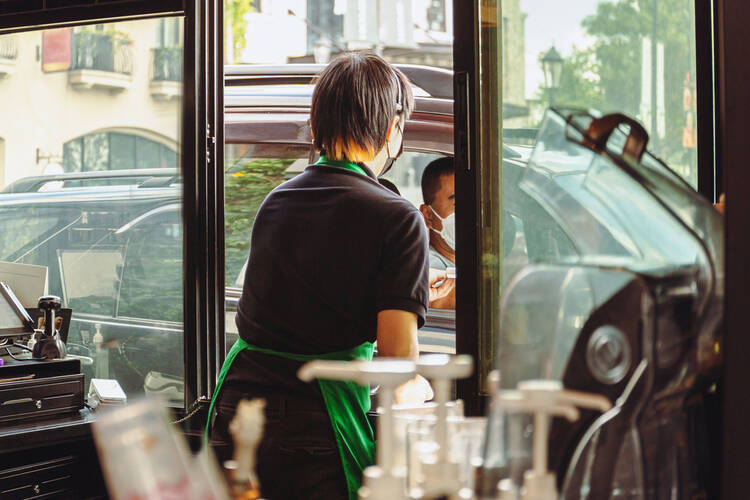
Studies show that in business, your design idea, interior layout, and floor plan play a major role in shaping customer perception, service speed, and overall profitability.
This is especially true for drive-thru coffee shops, where efficiency and visual appeal must work hand in hand.
A well-planned design helps reduce wait times, improves workflow for staff, and creates a memorable brand image even within a compact space.
From signage visibility to window placement, every design detail directly affects how smoothly operations run and how often customers return.
If you own a drive-thru coffee shop, here are some of the best design ideas, interior layout, and floor plan tips.
The right layout can maximize limited space, support high-volume traffic, and ensure seamless order fulfillment.
Best Drive-Thru Coffee Shop Interior Design Ideas
-
One-Way Traffic Flow Design
This layout ensures that vehicles enter from one direction, move smoothly to the order point, proceed to the payment and pickup window, and exit without congestion.
Clear directional signage, lane markings, and barriers help guide drivers and prevent confusion.
A well-planned one-way flow reduces wait times, minimizes accidents, and improves customer satisfaction.
It also allows staff to work more efficiently without pressure from backed-up traffic.
Municipal compliance is another advantage, as many local authorities require organized traffic patterns for drive-thru operations.
-
Dual-Lane Drive-Thru Configuration
This design allows two vehicles to place orders simultaneously, reducing queues and improving service speed.
One lane can be dedicated to mobile or pre-orders, while the other serves walk-in or traditional drive-thru customers.
From a floor plan perspective, this requires additional space and precise window placement to avoid confusion.
When executed correctly, dual lanes enhance customer experience, increase daily transaction volume, and improve revenue potential.
This design is particularly beneficial in high-traffic locations such as urban areas, college towns, and busy commuter routes.
-
Compact and Efficient Interior Workspace
Equipment such as espresso machines, grinders, refrigerators, and prep stations should be arranged in a logical sequence to minimize movement.
Baristas should be able to prepare drinks within arm’s reach, reducing wasted time and fatigue.
A streamlined floor plan allows staff to handle high order volumes without stress. Compact layouts also reduce build-out costs and utility expenses.
Efficiency-focused interior design ensures faster service, consistent product quality, and smoother operations during rush hours.
-
Dedicated Order and Pickup Windows
Separating the order window from the pickup window improves workflow and prevents bottlenecks.
Customers place their orders at one window and collect drinks at another, allowing staff to process payments and prepare beverages simultaneously.
This layout enhances speed and accuracy, especially during busy periods. Proper spacing between windows is crucial to ensure smooth vehicle movement.
From an operational standpoint, this design minimizes customer complaints caused by delays and improves order accuracy.
-
Weather-Protected Canopy Design
Canopies protect customers and equipment from rain, snow, and excessive sunlight, ensuring uninterrupted service regardless of weather conditions.
They also enhance staff comfort and safety when opening windows during adverse weather.
From a design standpoint, canopies can be customized to match brand aesthetics, adding visual appeal to the exterior.
Additionally, weather protection extends the lifespan of equipment and reduces maintenance costs.
-
Clear and Visible Menu Boards
Large, well-lit, and easy-to-read menu boards improve order speed and accuracy.
High-contrast colors, bold fonts, and simple layouts help drivers read menus quickly.
Digital menu boards offer flexibility, allowing you to update pricing, promotions, or seasonal items instantly.
Strategically placing the menu board before the order window gives customers enough time to make decisions.
A clear menu board design reduces confusion, shortens queues, and enhances the overall customer experience.
-
Mobile Order Pickup Lane
With the rise of mobile ordering, having a dedicated pickup lane improves efficiency and customer satisfaction.
This design allows customers who pre-order via an app to bypass long lines, encouraging repeat business.
A separate lane reduces congestion in the main drive-thru and improves service speed for all customers.
Internally, staff can organize mobile orders in advance, ensuring quick handoff. Clear signage is essential to avoid confusion.
Incorporating mobile pickup lanes positions your coffee shop as modern, tech-savvy, and customer-focused.
-
Minimalist Interior Design Approach
Simple color schemes, uncluttered surfaces, and streamlined equipment placement reduce distractions for staff.
This approach makes the workspace easier to clean and maintain, supporting hygiene standards.
Minimalist designs also align well with modern coffee brand aesthetics, creating a professional and inviting atmosphere.
From a layout perspective, fewer design elements mean more functional space.
A clean, minimalist interior reinforces brand trust, improves staff productivity, and creates a visually appealing environment for both employees and customers.
-
Ergonomic Staff Workstations
Adjustable counters, anti-fatigue mats, and properly positioned equipment reduce physical strain during long shifts.
An ergonomic layout allows baristas to work efficiently without unnecessary bending or stretching.
This design reduces injury risk, improves morale, and lowers staff turnover.
From a business standpoint, investing in ergonomic workstations leads to consistent service quality and fewer operational disruptions.
A well-designed ergonomic interior supports employee well-being while maintaining high-speed service standards.
-
Strategic Equipment Placement
Espresso machines, milk stations, syrup racks, and blenders should be arranged based on order frequency.
High-use items should be closest to the preparation area. This layout minimizes movement, reduces errors, and improves consistency.
Proper spacing between equipment also enhances safety and allows multiple staff members to work simultaneously.
Thoughtful equipment placement is a foundational element of an efficient drive-thru coffee shop and directly impacts service speed and customer satisfaction.
-
Exterior Branding and Visual Appeal
Bold signage, branded colors, and illuminated logos make your drive-thru coffee shop easily recognizable.
A visually appealing exterior creates a positive first impression and reinforces brand identity.
Landscaping, lighting, and architectural details can further enhance curb appeal.
Since many customers never enter the building, exterior design plays a major role in brand perception.
A well-branded exterior increases foot traffic, builds recognition, and differentiates your coffee shop from competitors.
-
Adequate Vehicle Stacking Space
Vehicle stacking space refers to the area where cars queue without blocking roads or entrances.
Adequate stacking prevents traffic congestion and ensures compliance with zoning regulations.
A well-planned floor plan accommodates peak-hour demand without frustrating customers.
This design consideration improves safety and reduces complaints from neighboring businesses.
Proper stacking space also allows staff to maintain service speed without pressure.
-
Energy-Efficient Layout and Lighting
Energy-efficient design reduces operating costs and supports sustainability goals.
LED lighting, energy-efficient equipment, and smart layouts that minimize energy waste contribute to lower utility bills. Proper lighting placement ensures visibility without excessive brightness.
Efficient HVAC placement maintains comfort in compact spaces. An energy-conscious layout benefits both the business and the environment.
Customers increasingly appreciate eco-friendly practices, making energy efficiency a competitive advantage for modern drive-thru coffee shops.
-
Walk-Up Window Integration
Adding a walk-up window expands your customer base beyond drivers. Pedestrians, cyclists, and nearby residents can easily access your services without entering the drive-thru lane.
This design requires thoughtful placement to avoid interference with vehicle traffic.
Walk-up windows increase sales volume, especially in urban or college areas.
From a layout perspective, they maximize revenue potential without significantly increasing operating costs.
-
Future-Expansion Friendly Floor Plan
A future-ready floor plan allows for growth without major renovations. Space for additional equipment, extra lanes, or upgraded technology should be considered during the initial design phase.
Flexible layouts reduce future downtime and expansion costs. Planning allows your drive-thru coffee shop to adapt to changing customer preferences and technological advancements.
A scalable design ensures long-term sustainability and positions your business for growth in a competitive market.