
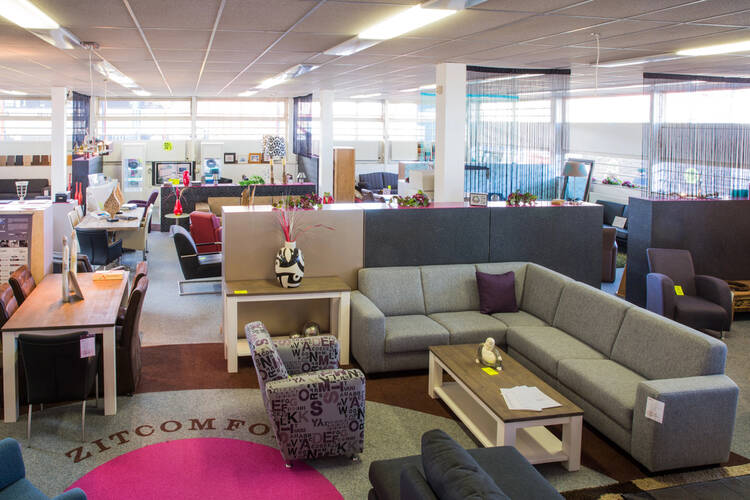
Owning a furniture store requires demonstrating a strong sense of interior design and presentation.
This is because customers rely heavily on visual inspiration when deciding what pieces to buy.
A well-designed space helps shoppers imagine how furniture will look in their own homes.
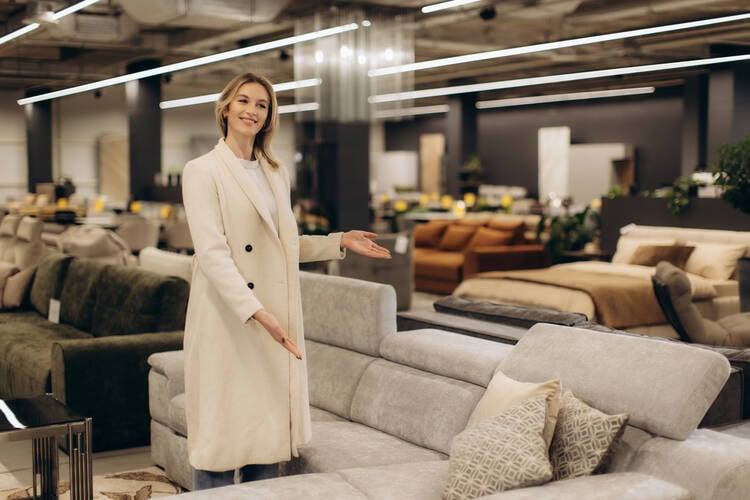
In fact, the layout, lighting, and flow of your store can significantly impact sales and customer satisfaction.
In this article, we are going to look at some of the best furniture store interior design ideas.
These ideas will help you create an engaging, stylish, and highly functional retail environment that draws customers in and encourages them to explore more.
Best Furniture Store Interior Design Ideas
-
Open-Concept Showroom Layout
This design helps shoppers view multiple furniture setups at a glance, encouraging exploration.
The open flow also allows you to showcase full room collections, living rooms, dining sets, and bedrooms without visual barriers.
Keeping pathways wide, uncluttered, and intuitive enhances comfort and reduces congestion.
This layout works especially well for stores with large inventories, as it helps maintain visibility and prevents items from looking cramped.
Overall, an open-concept showroom boosts customer engagement and supports a relaxed shopping experience.
-
Lifestyle-Themed Room Settings
Lifestyle-themed room settings replicate real homes, helping customers visualize how furniture will look in their own spaces.
These curated sections may include fully styled living rooms, bedrooms, dining rooms, and offices.
Adding décor such as lamps, rugs, plants, and artwork enhances realism and inspires customers.
Rotating themes, modern farmhouse, minimalist, or bohemian, keeps the showroom fresh and appealing.
This approach increases emotional connection, making customers more confident in their purchase decisions.
-
Clear Customer Traffic Flow
Use wide pathways, directional signage, and intuitive layouts that naturally guide shoppers deeper into the store.
A strategic flow typically starts with eye-catching feature displays, followed by themed sections, and ends with promotional or clearance zones.
The goal is to keep customers browsing longer while preventing bottlenecks.
A well-planned traffic pattern also helps highlight high-value pieces and ensures every section gets proper visibility.
Clean flow enhances comfort, reduces stress, and increases the likelihood of customers exploring the entire showroom.
-
Strong First-Impression Entry Display
Featuring your most attractive, trending, or luxury pieces near the entrance creates an instant “wow” factor.
This display helps communicate your brand style, modern, rustic, classic, or eclectic, and encourages customers to explore further.
Adding décor, soft lighting, and engaging color palettes enhances visual appeal.
Update this section regularly to reflect seasons, new arrivals, or promotional themes.
Since first impressions shape buying behavior, a polished and inviting entry display can significantly influence customer interest, confidence, and purchasing decisions from the moment they walk in.
-
Strategic Lighting Design
Lighting shapes mood, highlights features, and enhances product visibility. Use a combination of ambient, task, and accent lighting to showcase furniture in its best form.
Warm lighting creates a cozy feel for living room setups, while bright white lighting works well for modern or minimalist displays.
Spotlights can be used to emphasize premium items or textured surfaces. Avoid harsh shadows or overly dim areas that detract from product appeal.
Good lighting helps customers see true colors, materials, and details, improving decision-making and elevating the overall shopping experience.
-
Neutral Walls With Pops of Color
Neutral walls, such as whites, greys, and beiges, create a clean canvas that allows furniture pieces to stand out.
Adding accent walls or pops of color through décor, artwork, or small furniture pieces creates visual interest without overwhelming the space.
This balance supports a welcoming, modern feel and makes it easier to rotate displays without repainting frequently.
Neutrals also help unify diverse design styles, from contemporary to vintage.
Pops of color keep the showroom lively, highlight featured products, and draw customer attention to specific sections.
-
Multi-Level Display Techniques
Using multi-level displays adds dimension and improves product visibility. Platforms, risers, shelving units, or podiums help elevate key pieces so they don’t blend into the background.
This technique is especially useful for showcasing accessories such as side tables, lamps, vases, or décor items.
Varying display heights creates movement in the design and helps prevent a flat, monotonous showroom look.
Multi-level arrangements also guide the eye through the space, encouraging customers to explore both large furniture pieces and smaller add-ons.
-
Functional Walk-Through Design
A walk-through design encourages customers to experience the showroom in a natural sequence.
Organizing the layout like a guided home tour from the living room to the dining room to the bedroom creates familiarity and reduces decision fatigue.
This setup helps shoppers understand how different pieces coordinate across rooms and makes cross-selling easier.
Clearly marked sections and smooth transitions keep guests engaged throughout their visit.
The walk-through approach also allows the store to highlight featured collections and new arrivals strategically placed along the route, enhancing browsing time and overall customer satisfaction.
-
Smart Use of Mirrors
Mirrors are powerful design tools that create the illusion of larger spaces and improve lighting.
Placing mirrors behind display settings adds depth, making small or crowded areas feel open and inviting.
They can also highlight the craftsmanship or details of certain pieces by reflecting different angles.
Mirrors help bounce both natural and artificial light, brightening dark corners and adding sophistication to the showroom.
Used thoughtfully, this element enhances visual impact, improves customer comfort, and contributes to a more upscale shopping experience.
-
Color-Coded or Style-Coded Sections
Organizing the showroom by color themes or style groups, such as modern, industrial, traditional, or coastal, helps customers shop by preference.
This system creates visual harmony within each section and simplifies browsing.
Shoppers can easily find pieces that match their tastes, reducing overwhelm and increasing confidence.
Color-coded groupings also help highlight design variations and show customers how different hues can transform a space.
This layout approach adds clarity, enhances navigation, and boosts the overall aesthetic cohesion of your store.
-
Seasonal and Trend-Based Displays
Seasonal displays keep your showroom fresh and relevant. Update décor and furniture themes based on seasons, holidays, or trending styles such as:
Spring pastels, fall textures, coastal summer themes, or festive winter décor. Rotating displays encourage repeat visits and create a sense of novelty.
Incorporating trending materials, colors, or accessories signals that your store stays current with design movements.
Seasonal layouts also help highlight new collections and limited-time items, boosting sales while maintaining customer excitement.
-
Minimalist Clutter-Free Layout
Too many items in one space overwhelm customers and reduce perceived value.
A minimalist layout highlights each furniture piece clearly and makes the showroom feel organized and modern.
This approach allows customers to better appreciate craftsmanship, color, and scale.
Clean lines, open spacing, and thoughtful display placement help create a high-end impression.
A minimalist setup also supports easier navigation and reduces visual fatigue, resulting in a more enjoyable and effective shopping environment.
-
Dedicated Clearance and Promotions Zone
A dedicated clearance corner or promotional zone helps direct budget-conscious customers to deals without distracting from premium displays.
Organizing discounted items in one area improves orderliness and prevents the store from appearing cluttered.
This zone can be strategically placed toward the end of the customer flow, increasing the chance shoppers browse the full showroom first.
Clear signage, tidy arrangements, and proper lighting maintain professionalism.
-
Integrated Technology and Screens
Technology enhances the shopping experience by offering interactive product information, digital catalogs, VR room planners, and design inspiration slideshows.
Large screens can showcase before-and-after transformations or highlight features of premium furniture.
Tablets placed around the showroom allow customers to customize color options or browse inventory not physically displayed.
Integrating technology modernizes the environment, improves engagement, and supports informed decision-making.
-
Strong Visual Merchandising Techniques
Visual merchandising techniques such as color balances, symmetry, focal points, and layered décor help elevate product presentation.
Proper styling makes furniture more appealing and easier for customers to imagine in their homes.
Using rugs, accent chairs, lamps, artwork, and textiles creates cohesive scenes that guide the eye.
Thoughtful merchandising also highlights textures, fabrics, and design details.
Good styling boosts emotional connection and helps customers make quicker and more confident purchasing decisions.
-
Comfortable Customer Lounge Area
A customer lounge provides a relaxing space for shoppers to rest, discuss options, or wait while others browse.
Comfortable seating, charging stations, and informational materials create a pleasant break for customers.
Placing the lounge strategically, often near design consultation desks or kids’ play areas, encourages longer visits and improves customer satisfaction.
A well-designed lounge also reinforces your brand aesthetic and provides a polished, customer-friendly atmosphere.
-
In-Store Interior Design Consultation Desk
Adding a consultation desk or mini design studio helps customers receive personalized decorating advice.
Designers can assist with layout planning, color coordination, or fabric selection, increasing customer confidence and boosting sales.
Offering swatches, catalogs, and digital mood boards enhances the experience.
This service-oriented approach turns your showroom into a full-service décor destination, encouraging customers to buy complete rooms instead of single pieces.
-
Efficient Storage Areas and Backroom Planning
Behind-the-scenes organization is crucial for maintaining a clean, functional showroom.
Efficient storage areas allow staff to quickly access inventory, assemble furniture, and rotate displays.
Well-planned backroom spaces reduce clutter on the floor and improve workflow.
Proper shelving, labeling, and stock systems ensure employees stay efficient and customers receive faster service.
A tidy, well-managed storage area supports a polished front-end environment and enhances overall operational effectiveness.
-
Clear Signage and Section Labels
Clear signage guides customers through the showroom and helps them locate specific sections easily.
Labels such as “Living Room,” “Bedroom,” “Office,” or “New Arrivals” provide structure and reduce confusion. Professional signage reinforces branding and adds visual consistency.
Including product information signs like dimensions or materials helps customers compare options without asking for assistance.
Good signage improves customer independence, enhances the shopping experience, and increases the likelihood of sales.
-
Aesthetic Window Displays That Draw Traffic
Eye-catching window displays attract passersby and create a strong first impression before customers even enter the store.
Use a combination of stylish furniture arrangements, seasonal décor, and attractive lighting to highlight your best pieces.
Window displays should tell a visual story that reflects current trends or promotions. Changing them regularly keeps your storefront exciting and relevant.
A compelling display not only draws foot traffic but also communicates quality, style, and creativity, key factors that influence buying behavior.