
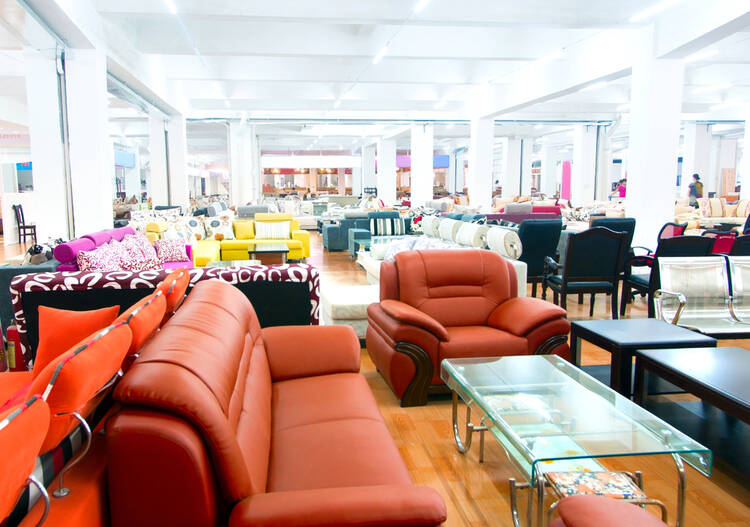
Displaying your furniture in a store showroom is one major way to capture customers’ attention and influence their buying decisions.
You will agree that a well-designed showroom does more than showcase products; it creates an experience that helps customers envision those pieces in their own homes.
When your displays are intentional, well-lit, and thoughtfully arranged, they naturally guide shoppers through the space and make your collections feel more appealing and valuable.
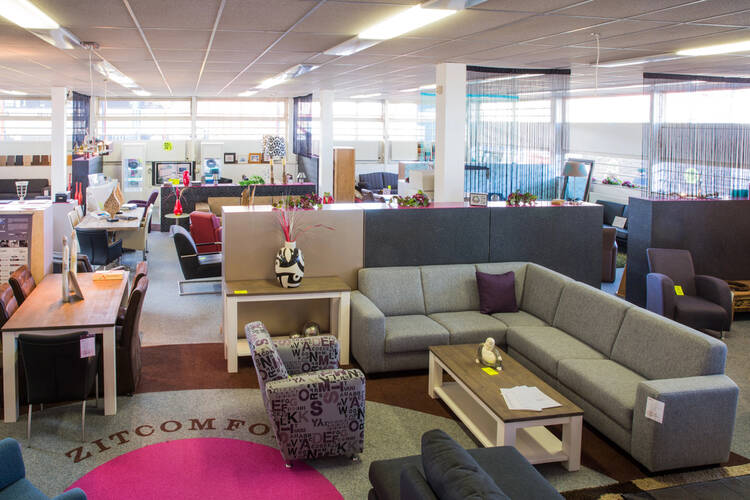
If you are planning to open a furniture business or you already have a furniture store and want to improve your presentation, here are some of the best furniture store showroom display ideas.
These ideas will help you enhance customer engagement, increase sales, and create a memorable shopping environment that stands out from competitors.
Best Furniture Store Showroom Display Ideas
-
Create Lifestyle-Themed Rooms
Designing lifestyle-themed rooms helps customers easily imagine how your furniture fits into real-life spaces.
Instead of displaying pieces individually, group them into complete living rooms, bedrooms, dining areas, or home offices.
Add accessories like rugs, curtains, lamps, wall art, and plants to enhance the scene.
This approach creates emotional connection, making shoppers feel like they are “walking into a home.”
It also encourages upselling, as customers may want to purchase entire sets instead of single items.
Rotating themes seasonally keeps your showroom fresh, inviting, and visually inspiring for returning customers.
-
Use Proper Lighting to Highlight Furniture
Lighting can instantly transform how your furniture looks and feels. Incorporate layered lighting, such as spotlights, ambient lighting, and accent lamps, to highlight textures, colors, and intricate details.
Good lighting draws attention to key pieces and creates a warm, inviting atmosphere that makes the showroom feel more luxurious.
Natural lighting is also important, so keep windows open where possible. Use dimmers to adjust brightness for different moods.
Highlight new arrivals or premium collections with brighter, focused lighting.
Well-designed lighting ensures your furniture appears vibrant, polished, and ready for a customer’s home.
-
Incorporate Color-Coordinated Displays
Color coordination is a powerful way to make your showroom visually appealing and easy to navigate.
Arrange furniture and décor using complementary or monochromatic color palettes to create harmony and cohesion.
This method also helps customers understand how different pieces can blend together in a home.
Use trending colors to attract attention, or use neutral tones for a classic, timeless look.
Incorporate throw pillows, artwork, and rugs that match the color scheme to complete each section.
Color-coordinated displays reduce visual clutter and make the entire showroom look professionally curated and aesthetically pleasing.
-
Add Greenery and Natural Elements
Plants and natural decorative elements instantly enhance the visual appeal of a showroom.
They create a calming atmosphere while adding a touch of freshness and vibrancy to your furniture displays.
Use potted plants, succulents, hanging greenery, or faux options if maintenance is a concern.
Wooden décor pieces, woven baskets, and natural fiber rugs can also help create an organic, home-like feel.
Greenery softens the space, fills empty corners, and makes your displays more relatable.
-
Create a Clear and Logical Showroom Layout
A well-planned layout ensures smooth customer flow and enhances the shopping experience.
Organize your showroom into defined zones such as living room, dining, bedroom, kids’ furniture, and office furniture sections so customers can easily find what they need. Maintain wide walking paths for comfortable navigation.
Use signage to guide customers through the store and highlight featured collections.
Avoid overcrowding furniture pieces; instead, give each item enough breathing room.
A thoughtful layout reduces confusion, enhances browsing time, and increases the likelihood of customers noticing key products and making purchase decisions.
-
Utilize Multi-Level Displays
Multi-level displays add depth, dimension, and visual interest to your showroom.
Use shelves, raised platforms, display boxes, and wall-mounted fixtures to showcase smaller items such as:
Nightstands, accent chairs, lamps, and décor pieces. This prevents furniture from looking flat or repetitive across the floor.
Varying heights create a more dynamic presentation and help anchor the viewer’s eyes.
You can also use multi-level styling to highlight premium or new items by placing them on elevated stands.
This technique helps maximize space while making your showroom more modern, engaging, and professionally designed.
-
Display Trending and Seasonal Collections First
Highlight trending or newly released collections at the entrance or in prominent areas of your showroom. Customers are naturally drawn to displays that feel current and stylish.
Seasonal setups such as spring refresh, holiday décor, or summer outdoor living can inspire shoppers and create urgency to buy before the season ends.
Showcase bestselling pieces or influencer-inspired designs at eye level with branded tags.
These attention-grabbing displays help set the tone of your store and allow customers to immediately see what’s popular. Regular updates keep the showroom fresh and invite repeat visits.
-
Use Mirrors to Enhance Space and Lighting
Mirrors are an effective way to make your showroom appear larger, brighter, and more luxurious.
Strategically place mirrors behind key displays or on walls to reflect light and create the illusion of expanded space.
They help highlight furniture from different angles while complementing the overall décor. Mirrored walls also enhance lighting, making products stand out more.
You can incorporate decorative mirrors as part of a room setup to inspire customers to purchase them as add-on items.
-
Incorporate Interactive Product Tags and QR Codes
Modern shoppers appreciate quick access to information. Add interactive tags or QR codes that customers can scan to view product details, colors, dimensions, prices, and available customizations.
This technology improves the shopping experience by giving customers control and eliminating the need to ask staff for minor details.
QR codes can also show videos of furniture in real homes or demonstrate assembly instructions. This enhances trust and builds engagement.
Interactive tags make your showroom feel modern and customer-focused, giving buyers all the information they need.
-
Create Cozy Lounge Corners for Customer Comfort
Adding lounge corners or rest areas enhances the customer experience and encourages shoppers to spend more time in your store.
These cozy spaces can include comfortable sofas, coffee tables, soft rugs, and décor accents that make the area feel inviting.
While resting, customers naturally observe nearby displays and may develop interest in items they hadn’t initially considered.
Offering complimentary water, tea, or magazines adds an extra touch of hospitality.
Lounge corners also give families a place to relax, making the shopping process more pleasant and memorable for everyone.
-
Use Realistic Home Accessories
Accessories help bring furniture displays to life by creating a complete, relatable environment.
Incorporate décor items like vases, lamps, throw blankets, books, clocks, trays, and wall art to style each room setup.
These finishing touches help customers visualize how the furniture would look in their homes and can inspire them to buy additional items.
Use accessories that complement the furniture’s colors and design style. Avoid over-accessorizing to prevent clutter.
When done right, accessories transform plain displays into inspiring, magazine-like setups that boost both aesthetic appeal and sales potential.
-
Offer a Dedicated Kids’ Furniture Display Area
A separate, fun-themed kids’ furniture section helps attract families and makes your showroom more diverse.
Use playful colors, kid-friendly décor, and small-scale room setups to showcase products like bunk beds, study desks, toy organizers, and mini seating.
Adding wall decals, themed bedding, or cartoon artwork enhances the atmosphere and helps kids and parents visualize how the pieces would look in a child’s room. This specialized area also shows that your store caters to all ages.
-
Highlight Furniture Functionality with Demonstrations
Customers appreciate furniture that solves real-life problems. Use demonstrations to highlight functionality such as recliners, convertible sofas, extendable dining tables, or storage beds.
Create display cards explaining key features or designate staff to demonstrate usage when needed.
You may also include a small video display showing how multifunctional pieces operate.
This approach helps customers clearly understand the practical benefits of each item, making them more confident in their choices.
Demonstration-friendly displays also differentiate your store from competitors and make your showroom feel dynamic and informative.
-
Showcase Furniture in Different Styles
Organize your showroom based on major décor styles such as modern, rustic, farmhouse, industrial, Scandinavian, or traditional.
This helps customers easily find pieces that match their taste and gives your store a more curated, professional look.
Display complete setups for each style with appropriate accessories, lighting, and color schemes to reinforce the aesthetic.
Offering a variety of styles in defined sections also showcases your versatility and helps customers explore options they may not have considered.
-
Keep Displays Clean, Minimal, and Uncluttered
A clean, clutter-free showroom creates a more luxurious and welcoming environment.
Avoid overcrowding furniture pieces, as too many items can overwhelm customers and distract them from key products.
Use negative space wisely to give furniture the breathing room needed to shine.
Keep surfaces polished, fabrics clean, and accessories minimal but purposeful.
Regularly refresh displays and remove outdated items. Cleanliness and organization reflect the professionalism of your store and increase customer trust.
When displays feel open and neatly arranged, shoppers are more likely to appreciate each piece.