
Jam-making businesses in the United States make approximately $60,000 to $250,000 annually, though earnings vary widely based on production scale, distribution channels, and market demand.
Available data shows that small home-based producers tend to earn on the lower end, while larger operations selling through farmers’ markets, grocery stores, and online platforms often generate higher revenues.
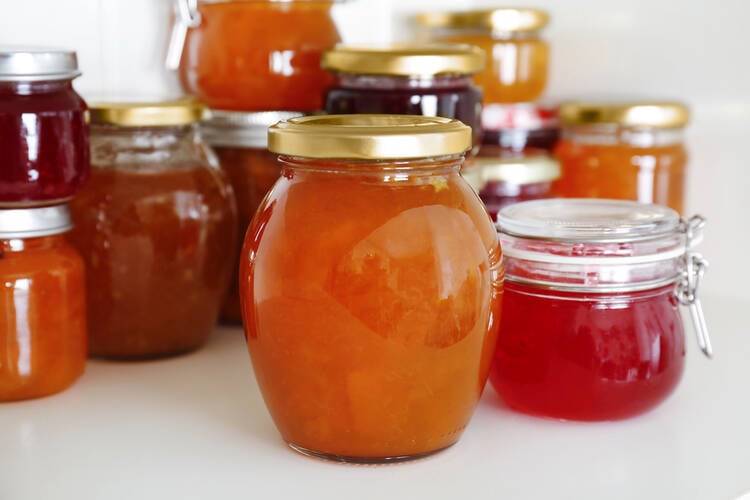
Branding, product uniqueness, and flavor innovation also influence how much a jam business can make.
As the average jam-making business generates between $5,000 and $20,000 per month, certain factors can still determine your potential earnings.
These include your pricing strategy, packaging quality, ingredient sourcing, marketing approach, and the strength of your retail partnerships.
Additional income streams, such as selling gift boxes, seasonal flavors, or organic specialty jams, can significantly boost revenue.
Factors That Influence the Income of a Jam-Making Business
-
Scale of Production

Small, home-based operations typically produce limited quantities, resulting in lower revenue but manageable costs.
Medium- and large-scale businesses equipped with commercial-grade kettles, automated fillers, and larger storage spaces can produce more jars per batch, increasing output and profit potential.
Higher production levels also reduce the cost per jar, improving profit margins over time.
However, scaling up requires greater investment in equipment, licensing, and labor.
Ultimately, the more jam you can produce consistently, the more revenue your business is capable of generating.
-
Distribution Channels
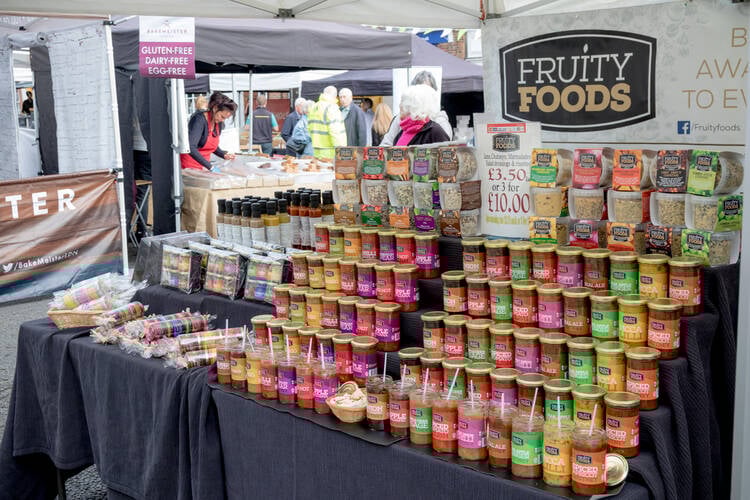
Businesses that rely only on local markets or occasional fairs may earn modest revenue.
In contrast, those selling through multiple channels, such as grocery stores, online platforms, specialty food shops, and wholesale distributors, see significantly higher sales.
Each distribution channel exposes your brand to new customers and increases sales volume.
Wholesale deals can generate steady, predictable revenue. Strategic partnerships with retailers, restaurants, and gift shops help expand reach.
-
Product Pricing Strategy
Setting prices too low to compete may attract customers but can undermine profitability, especially if ingredient costs rise.
Premium pricing, on the other hand, works well when offering unique flavors, organic ingredients, or artisanal packaging.
Well-branded jams often sell at higher price points because customers perceive them as specialty products.
Offering tiered pricing, such as standard jars, premium blends, and gift sets, also encourages customers to spend more.
-
Brand Reputation and Product Quality
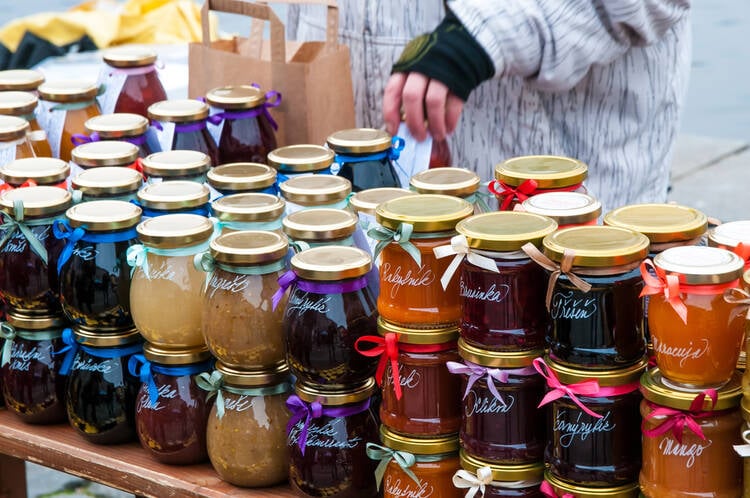
Strong branding and consistent product quality significantly impact yearly revenue in jam-making.
Customers are more likely to repurchase when they trust your brand for fresh, flavorful, and safe products.
High-quality jam made with real fruit, minimal additives, and appealing textures can command premium prices.
Customer reviews, packaging aesthetics, and overall brand identity help differentiate your products in a crowded market.
The stronger your reputation, the easier it becomes to secure retail placements and wholesale accounts.
-
Marketing and Online Presence
An appealing website, active social media pages, and professional product photos increase visibility and customer trust.
Posting educational content, recipes, and behind-the-scenes videos helps build a loyal audience.
An effective online presence allows you to sell directly to consumers, avoiding retailer fees.
Paid ads, influencer collaborations, and seasonal promotions can dramatically increase sales volume.
Businesses that invest in consistent marketing often outperform those relying solely on word of mouth.
-
Ingredient Costs and Supply Chain Efficiency
If you buy ingredients such as fruit, sugar, pectin, and spices at retail prices or rely on seasonal fruit; your profit margins may shrink.
Businesses that purchase ingredients in bulk, work with local farmers, or grow their own produce can significantly reduce costs.
Efficient supply chain planning ensures you maintain consistent production without waste or shortages.
Reducing ingredient costs while keeping quality high allows you to earn more per jar.
Ultimately, the smarter and more efficient your supply chain, the higher your annual earnings and profit margin.
-
Creativity and Product Innovation

Creativity helps jam-making businesses stand out and earn more yearly. Offering unique flavor combinations such as:
Lavender peach, strawberry basil, or whiskey-infused blackberry attracts customers seeking artisan products.
Seasonal flavors, limited-edition collections, and holiday gift packs can drive higher sales during peak periods.
Innovation also includes experimenting with packaging styles, sustainability-focused jars, or sampler kits.
Businesses that continuously innovate tend to enjoy stronger brand loyalty and larger customer bases.
Creativity allows you to price your products as specialty goods, increasing profit margins.
-
Compliance, Certifications, and Licensing
Proper licensing, food safety certifications, and compliance with state regulations influence how widely you can sell your jam products.
Businesses operating without commercial certifications are often limited to local markets, which reduces yearly earnings.
Achieving certifications like “organic,” “non-GMO,” or “gluten-free” allows you to charge higher prices and access specialty food stores.
Compliance also builds customer trust and enables you to participate in larger retail programs.
Meeting state health standards and operating from an approved kitchen can open doors to wholesale partnerships.
The more compliant and certified your business is, the greater your annual revenue potential.
-
Competition in the Local and Online Market
If your local area already has many artisanal jam brands, you may need to reduce prices or work harder to differentiate your products. High competition online also requires strong marketing to stand out.
However, businesses offering unique flavors, better packaging, or superior quality can outperform competitors even in crowded markets. Conducting competitor research helps you identify gaps and opportunities.
When your brand is well-positioned and offers something distinctive, you can attract loyal customers and increase your overall earnings despite competition levels.
-
Additional Products and Revenue Streams
Many successful businesses offer marmalades, fruit butters, chutneys, syrups, and gift baskets to appeal to wider audiences.
Adding seasonal gift boxes, wedding favors, or wholesale holiday bundles can boost sales, especially during peak seasons.
Hosting jam-making workshops, selling digital recipe books, or offering subscription boxes can also create additional income streams.
The more diversified your product range, the higher your earning capacity. Offering complementary products allows you to reach new markets and increase customer spending.