
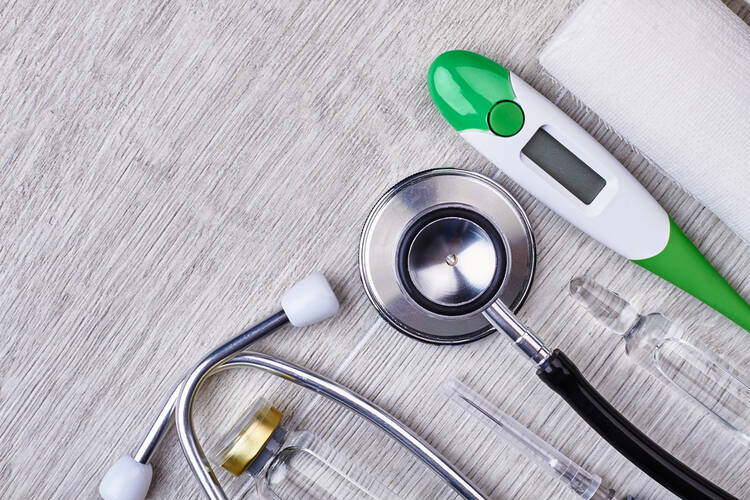
If you are a nurse or own any nursing-related business, there are certain equipment you must own to function efficiently and deliver quality care.
The truth is that having the right tools not only improves your productivity but also ensures patient safety, accuracy in procedures, and overall professionalism.
From basic diagnostic tools to protective gear, these nursing accessories help streamline daily tasks and reduce the risk of errors in fast-paced healthcare environments.
These tools support better patient outcomes, enhance workflow, and make your job easier, allowing you to focus more on delivering compassionate and effective care.
Important Nursing Equipment Accessories
-
Stethoscope
A stethoscope is one of the most essential tools for any nurse. It is used to listen to heartbeats, lung sounds, and bowel activity, helping in the early detection of abnormalities.
A high-quality stethoscope ensures clear sound transmission, which is crucial for accurate assessments.
Nurses use it daily during patient examinations, making it indispensable in both clinical and home care settings.
Investing in a durable and reliable stethoscope improves diagnostic efficiency and supports better patient outcomes.
-
Blood Pressure Monitor (Sphygmomanometer)
A blood pressure monitor is vital for checking a patient’s blood pressure levels, which is a key indicator of overall health.
Nurses frequently use this device to monitor patients with hypertension or other cardiovascular conditions.
Manual and digital options are available, with digital monitors offering ease of use. Regular monitoring helps detect irregularities early.
-
Thermometer
A thermometer is essential for measuring a patient’s body temperature, which helps detect fever or hypothermia.
Nurses use digital, infrared, or oral thermometers depending on the setting.
Quick and accurate readings are crucial in identifying infections or monitoring recovery.
Modern thermometers are easy to use, hygienic, and provide fast results, making them indispensable in hospitals, clinics, and home care environments for routine patient assessments.
-
Pulse Oximeter
A pulse oximeter measures oxygen saturation levels in the blood and pulse rate.
It is especially important for patients with respiratory conditions or those recovering from surgery.
This compact, non-invasive device provides quick readings, helping nurses monitor oxygen levels effectively.
It is widely used in hospitals and home care, particularly for patients with asthma, pneumonia, or other breathing difficulties.
-
Glucometer
A glucometer is used to measure blood sugar levels, making it essential for managing diabetic patients.
Nurses use it to perform quick tests and monitor glucose fluctuations throughout the day.
Regular monitoring helps prevent complications such as hypoglycemia or hyperglycemia.
Modern glucometers are portable, easy to use, and provide accurate readings, making them ideal for both clinical settings and at-home patient care.
-
Penlight
A penlight is a small flashlight used to check a patient’s pupils, throat, or wounds.
It helps nurses assess neurological responses and examine hard-to-see areas.
Lightweight and portable, it fits easily into a pocket, making it convenient for quick checks during rounds.
Despite its simplicity, it is a crucial diagnostic tool that supports thorough and efficient patient assessments.
-
Reflex Hammer
A reflex hammer is used to test deep tendon reflexes, helping assess the nervous system.
Nurses and healthcare providers use it during neurological examinations to detect abnormalities.
It is lightweight and easy to use, making it a handy tool for quick evaluations.
Regular use of a reflex hammer can help identify underlying neurological conditions early.
-
Bandage Scissors (Trauma Shears)
Bandage scissors, also known as trauma shears, are used to cut bandages, clothing, or dressings safely.
They are designed with blunt tips to prevent injury to patients while cutting near the skin.
Durable and easy to clean, these scissors are essential in emergency and routine care situations, allowing nurses to work quickly and efficiently.
-
Disposable Gloves
Disposable gloves are critical for maintaining hygiene and preventing cross-contamination.
Nurses use them during examinations, procedures, and when handling bodily fluids. They provide a protective barrier for both the nurse and the patient.
Available in latex, nitrile, or vinyl, gloves are a basic yet essential component of infection control in any healthcare setting.
-
Hand Sanitizer
Hand sanitizer is a must-have for maintaining proper hand hygiene, especially when soap and water are not readily available.
Nurses use it frequently to reduce the spread of infections between patients.
Alcohol-based sanitizers are highly effective against most germs and are easy to carry, making them essential for both hospital and fieldwork environments.
-
Medical Tape
Medical tape is used to secure bandages, dressings, and medical devices such as IV lines.
It is designed to be gentle on the skin while providing a strong hold. Nurses rely on it for wound care and patient management.
Various types are available, including hypoallergenic options for sensitive skin, making it a versatile accessory in patient care.
-
Tourniquet
A tourniquet is used to temporarily restrict blood flow, making it easier to locate veins for blood draws or IV insertion.
Nurses frequently use it during phlebotomy procedures. It is simple to use and highly effective, helping improve accuracy and efficiency during medical procedures.
-
Syringes and Needles
Syringes and needles are essential for administering medications, vaccines, and drawing blood.
Nurses use them daily in various procedures. They come in different sizes depending on the purpose.
Proper handling and disposal are crucial to ensure safety and prevent infections or injuries.
-
Sharps Container
A sharps container is used for the safe disposal of needles, syringes, and other sharp medical objects. It helps prevent accidental injuries and contamination.
Nurses must follow strict guidelines when disposing of sharps, making this container an essential safety accessory in all healthcare environments.
-
Portable Medical Bag
A portable medical bag allows nurses to carry essential tools and supplies efficiently, especially in home care or mobile services. It helps keep equipment organized and easily accessible.
A well-equipped medical bag ensures that nurses are prepared for various situations, improving response time and overall patient care quality.