
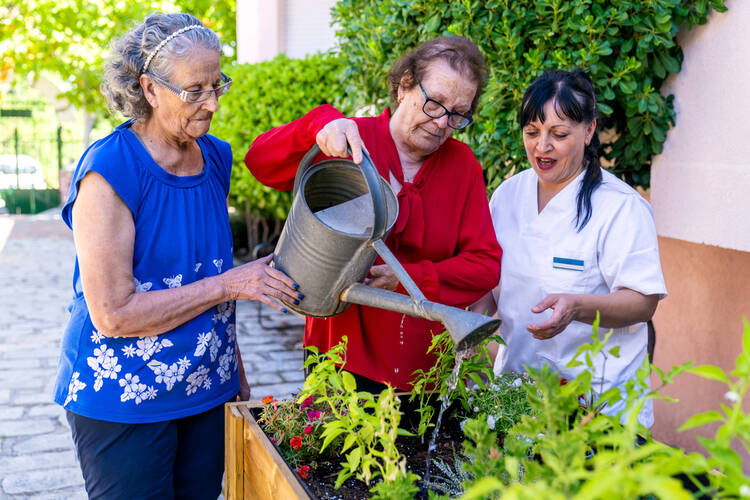
The nursing home environment is more than just a place of care; it is a home where seniors should feel comfortable, safe, and inspired.
That is why gardens are such a powerful addition; they create spaces filled with beauty, relaxation, and opportunities for gentle activity.
Gardens not only improve mental and emotional well-being but also encourage physical movement, social interaction, and a deeper connection with nature.
For many seniors, spending time in a garden can be calming, uplifting, and even therapeutic.
If you own or manage a nursing home and are looking for creative ways to improve the environment, here are some of the best nursing home gardening ideas for seniors. These ideas will help you create meaningful outdoor experiences.
Best Nursing Home Gardening Ideas for Seniors
-
Raised Garden Beds
Raised garden beds are an excellent option for seniors because they eliminate the need to bend or kneel, which can be difficult for those with mobility challenges.
These elevated plots allow residents to comfortably plant flowers, herbs, or vegetables while standing or sitting in a chair.
Raised beds also provide a sense of independence, as residents can take ownership of their own section.
This setup encourages regular participation, ensuring seniors enjoy gardening without unnecessary physical strain.
-
Container Gardening
Container gardening offers a versatile and low-maintenance approach to growing plants.
Seniors can use pots, planters, or hanging baskets to cultivate herbs, flowers, or small vegetables.
Containers can be placed on patios, balconies, or even indoors near windows, making gardening accessible to those who cannot spend long periods outside.
Seniors enjoy the flexibility of arranging containers into creative displays, boosting their sense of accomplishment. This method is especially ideal for nursing homes with limited outdoor space.
-
Sensory Gardens
A sensory garden is designed to stimulate sight, smell, touch, and sound, making it especially meaningful for seniors, including those with dementia.
Fragrant flowers like lavender or rosemary, soft plants like lamb’s ear, and colorful blooms provide a soothing sensory experience.
Adding wind chimes or water features enhances relaxation, while textured pathways invite exploration.
Sensory gardens create calming environments that reduce stress and improve mood.
-
Vertical Gardens
Vertical gardening makes creative use of walls, trellises, or tiered stands to grow plants upwards rather than across large areas.
This idea works well for nursing homes with limited space and is especially beneficial for seniors who may not walk long distances.
Staff can install vertical planters at wheelchair height, making the garden accessible to all residents.
Growing herbs, strawberries, or flowers in these vertical spaces provides visual appeal and practical use.
-
Butterfly and Pollinator Gardens
Creating a butterfly and pollinator garden adds a magical element to a nursing home environment.
By planting nectar-rich flowers such as milkweed, coneflowers, and zinnias, staff can attract butterflies, bees, and hummingbirds.
These lively visitors bring joy to residents, offering both beauty and a sense of connection to nature.
Seniors can participate in planting and watering while also enjoying birdwatching or butterfly spotting. This type of garden promotes biodiversity and environmental awareness.
-
Accessible Pathway Gardens
Designing gardens with smooth, wide pathways ensures they are safe and accessible for seniors using wheelchairs, walkers, or canes.
These gardens may include benches along the way for resting, shaded areas for comfort, and colorful plantings to create inviting strolls.
Residents can enjoy leisurely walks or be accompanied by family members, turning the garden into both an activity and a bonding space. Pathway gardens encourage physical movement while maintaining safety.
-
Indoor Herb Gardens
Indoor herb gardens are practical and rewarding, especially in colder climates where outdoor gardening is limited.
Seniors can grow herbs like basil, mint, parsley, or chives in small pots placed on windowsills, tables, or shelves.
These herbs can later be used in meals, adding freshness and flavor while giving residents pride in contributing to the kitchen.
Caring for herbs indoors requires minimal effort but provides daily engagement.
This simple gardening idea connects seniors to healthy eating and gives them a sense of accomplishment, even within the comfort of indoor spaces.
-
Water Feature Gardens
Adding water features like fountains, birdbaths, or small ponds creates a serene atmosphere in nursing home gardens.
The sound of flowing water promotes relaxation, reduces stress, and provides a soothing backdrop for outdoor visits.
Seniors often enjoy watching birds or butterflies attracted to these features.
Simple, low-maintenance designs make it easy for staff to manage while still providing immense enjoyment for residents.
Water features pair beautifully with flowers and greenery, turning any outdoor area into a calming retreat.
-
Edible Gardens
Edible gardens allow seniors to grow vegetables, fruits, and herbs that can be harvested and enjoyed in daily meals.
Crops like tomatoes, lettuce, strawberries, and peppers are easy to maintain and provide a rewarding sense of accomplishment.
These gardens can be designed in raised beds or containers for accessibility.
Involving residents in harvesting and meal preparation creates a strong connection between gardening and nutrition.
-
Themed Gardens
Themed gardens bring variety and creativity into nursing home outdoor spaces.
For example, a rose garden, a meditation garden, or even a patriotic garden with red, white, and blue flowers can spark joy and meaningful conversations.
Themes can be based on seasons, holidays, or cultural traditions, allowing residents to feel connected to memories and celebrations.
Creating themes also encourages group activities, where seniors help choose plants and decorations.
This idea not only beautifies the environment but also offers opportunities for residents to reminisce and share stories inspired by the garden.
-
Community Gardening Projects
Community gardens bring together seniors, staff, family members, and even local volunteers to create a shared gardening space.
These projects promote teamwork, strengthen relationships, and build a sense of belonging.
Seniors benefit from the social interaction while also enjoying the pride of contributing to a larger project.
Families can participate by planting flowers or vegetables alongside their loved ones.
Community gardening is more than just planting—it’s about creating shared memories, building friendships, and fostering intergenerational bonds that enrich the lives of nursing home residents.
-
Bird-Friendly Gardens
Bird-friendly gardens add excitement and liveliness to nursing home outdoor spaces.
By planting berry bushes, sunflower patches, or installing bird feeders, residents can attract a variety of bird species.
Seniors can enjoy watching and listening to the birds, which often brings joy and relaxation.
Bird-watching can even be turned into a group activity with journals or photo opportunities.
This type of garden provides year-round entertainment while helping residents feel connected to wildlife.
-
Gardening Clubs and Workshops
Forming a gardening club within the nursing home allows residents to regularly engage in structured activities.
Seniors can participate in planting sessions, flower arranging, or seasonal workshops like pumpkin decorating or wreath making.
Staff can provide guidance while letting residents take the lead in decision-making.
Gardening clubs give seniors something to look forward to each week, fostering community and pride.
-
Healing and Meditation Gardens
Healing gardens are designed to promote peace, reflection, and spiritual well-being.
They may include calming elements such as soft lighting, wind chimes, or shaded seating areas surrounded by soothing plants like lavender or jasmine.
Seniors can use these gardens for prayer, meditation, or quiet reflection, making them particularly beneficial for emotional and mental health.
Family members can also use these spaces during visits to share meaningful conversations.
-
Memory Gardens for Dementia Care
Memory gardens are designed specifically for residents living with dementia or Alzheimer’s.
They feature safe, enclosed pathways, familiar plants, and calming layouts that reduce confusion and provide comfort.
Sensory plants with distinct fragrances, textures, and colors help stimulate memories and improve mood.
Incorporating items like old-fashioned garden tools or decorative benches creates familiar cues that spark reminiscence.
These gardens are both therapeutic and secure, allowing residents to enjoy nature in a safe environment.