
Running a nursing school requires careful planning, adequate resources, and a strong commitment to quality education and hands-on training.
This is why there are certain equipment that must not be missing from a nursing school.
The fact that nursing is a practical, skill-based profession means students must be exposed to real-life scenarios using the right tools and technologies to build competence and confidence before entering the healthcare field.
In this article, we are going to look at some of the most important nursing school equipment you must have in your nursing school.
From simulation models to essential medical instruments, having the proper setup ensures effective learning and skill development.
Well-equipped training environments not only enhance student performance but also prepare future nurses to deliver safe, efficient, and professional care in real-world healthcare settings.
List of Most Important Nursing School Equipment
-
Patient Simulation Mannequins
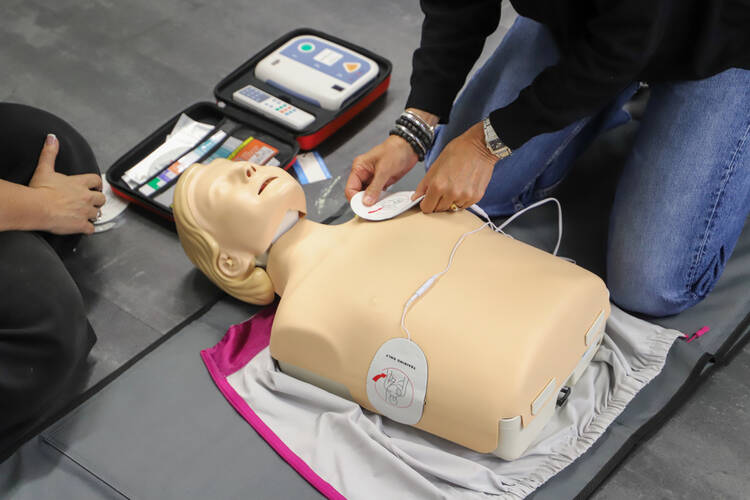
Patient simulation mannequins are essential for hands-on nursing training. These lifelike models allow students to practice procedures such as CPR, injections, wound care, and patient assessments in a safe, controlled environment.
Advanced mannequins can simulate breathing, heartbeats, and medical emergencies, helping students gain real-world experience.
They build confidence, improve critical thinking, and reduce errors before students interact with actual patients, making them a cornerstone of modern nursing education.
-
Hospital Beds
Hospital beds are necessary for teaching patient handling, positioning, and comfort care techniques.
Adjustable beds help students learn how to safely move and support patients, preventing injuries.
They also allow practice of procedures like bed bathing, dressing changes, and patient transfers.
Having realistic hospital beds in training labs ensures that students are well-prepared for real clinical environments and can deliver proper patient care with ease.
-
IV Training Arms
IV training arms are specialized models that allow students to practice inserting intravenous lines and drawing blood.
These tools provide a realistic feel of veins and skin, helping students develop precision and confidence.
Repeated practice on IV arms reduces anxiety and improves success rates in real-life procedures.
They are essential for mastering one of the most common and critical nursing skills.
-
CPR Training Mannequins
CPR training mannequins are used to teach life-saving cardiopulmonary resuscitation techniques.
Students learn proper chest compression depth, rhythm, and rescue breathing. Many mannequins provide feedback to ensure correct technique.
This equipment is vital because CPR is a fundamental emergency skill every nurse must master. Regular practice helps students respond effectively in critical situations.
-
Vital Signs Monitors
Vital signs monitors are used to measure blood pressure, heart rate, temperature, and oxygen levels.
These devices help students learn how to assess and interpret patient health indicators accurately.
Training with real or simulated monitors prepares students for clinical settings where quick and accurate readings are essential.
Understanding vital signs is fundamental to patient care and early detection of health issues.
-
Medication Administration Kits
Medication administration kits include syringes, vials, pill organizers, and practice medications.
They help students learn the correct techniques for preparing and administering drugs safely.
Proper training reduces the risk of medication errors, which can have serious consequences.
These kits are essential for teaching dosage calculations, injection methods, and safe handling practices.
-
Anatomy Models
Anatomy models provide a visual and hands-on way for students to understand the human body.
Models of organs, skeletons, and body systems help simplify complex concepts.
They are especially useful for teaching structure, function, and disease processes.
Using these models enhances comprehension and retention, making them an important part of nursing education.
-
Defibrillator Trainers (AED Trainers)
Defibrillator trainers are used to teach students how to use automated external defibrillators (AEDs) in emergencies.
These training devices simulate real-life scenarios without delivering an actual shock.
Students learn when and how to use the equipment correctly, improving their response in cardiac emergencies. This training is critical for saving lives in real-world situations.
-
Wound Care Models
Wound care models allow students to practice cleaning, dressing, and managing different types of wounds.
These models simulate real injuries, helping students understand proper techniques and infection control.
Hands-on practice ensures students are prepared to handle wounds safely and effectively in clinical settings, improving patient outcomes.
-
Nursing Skills Lab Supplies
Nursing skills lab supplies include items such as gloves, gowns, masks, and basic medical instruments.
These supplies help create a realistic clinical environment for students to practice essential skills.
They support infection control training and proper use of protective equipment.
A well-equipped skills lab ensures that students gain practical experience and are ready for real-world nursing responsibilities.
-
Examination Tables
Examination tables are essential for teaching students how to properly assess and examine patients.
These tables provide a comfortable and adjustable surface where students can practice physical assessments, patient positioning, and minor procedures.
They help simulate real clinical environments, allowing students to become familiar with professional settings.
Proper use of examination tables also teaches students how to ensure patient comfort, dignity, and safety during routine checks and medical evaluations.
-
Suction Machines
Suction machines are used to remove fluids such as mucus, blood, or vomit from a patient’s airway.
In nursing schools, students learn how to operate these machines safely and effectively during emergencies.
Training with suction devices prepares students for real-life situations where airway management is critical.
Understanding proper usage helps prevent complications and ensures that patients can breathe comfortably in urgent medical conditions.
-
Oxygen Delivery Equipment
Oxygen delivery equipment, including masks and nasal cannulas, is vital for teaching respiratory care.
Students learn how to administer oxygen safely to patients with breathing difficulties.
Training includes adjusting oxygen flow rates and monitoring patient response.
This equipment is essential for preparing students to handle respiratory emergencies and chronic conditions like asthma or COPD in clinical settings.
-
Sterilization Equipment (Autoclave)
Sterilization equipment, such as autoclaves, is used to teach infection control practices.
Students learn how to properly clean and sterilize medical instruments to prevent the spread of infections.
This training is crucial in maintaining a safe healthcare environment. Understanding sterilization processes helps students adhere to hygiene standards and protect both themselves and their patients.
-
Computer Systems and EHR Software
Computer systems equipped with Electronic Health Record (EHR) software are important for teaching documentation and patient data management.
Students learn how to record patient information, track treatments, and maintain accurate medical records.
Familiarity with digital systems prepares students for modern healthcare environments where technology plays a key role in patient care and communication.
-
Wheelchairs and Stretchers
Wheelchairs and stretchers are necessary for teaching patient mobility and transportation techniques.
Students learn how to safely transfer patients, prevent injuries, and ensure comfort.
Proper training reduces the risk of accidents and improves patient handling skills.
These tools are essential for simulating real-life scenarios in hospitals and care facilities.
-
Feeding Tubes and Enteral Nutrition Kits
Feeding tubes and enteral nutrition kits are used to train students in providing nutritional support to patients who cannot eat normally.
Students learn insertion techniques, feeding procedures, and maintenance of the equipment.
This training is important for managing patients with severe illnesses or swallowing difficulties, ensuring they receive adequate nutrition safely.
-
Catheterization Training Models
Catheterization models allow students to practice inserting urinary catheters in a controlled setting.
These models provide realistic anatomy, helping students develop proper technique and confidence.
Training reduces the risk of infection and injury when performing the procedure on real patients. Mastering catheterization is an essential nursing skill.
-
Infant Care Mannequins
Infant care mannequins are used to teach newborn and pediatric care. Students practice bathing, feeding, diapering, and handling infants safely.
Some advanced models simulate crying and breathing, providing a more realistic experience.
This equipment is important for preparing students to care for newborns and young children in various healthcare settings.
-
Emergency Crash Cart (Training Version)
A training crash cart contains essential emergency equipment such as defibrillator trainers, medications, and airway tools. It is used to simulate emergency situations like cardiac arrest.
Students learn how to respond quickly and efficiently during critical events.
Familiarity with crash carts improves teamwork, response time, and overall preparedness in life-threatening situations.