
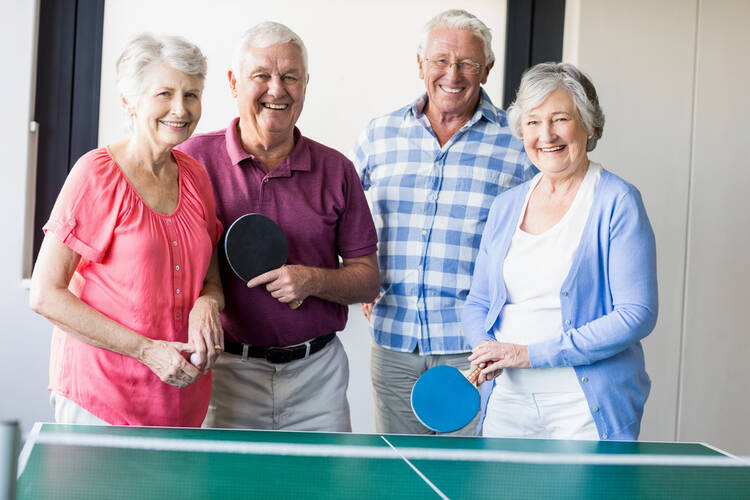
Nursing homes are not left out when it comes to organizing fun and engaging games for their residents.
As a matter of fact, games inspired by the Olympics offer a wonderful way to promote physical activity, mental stimulation, and social interaction.
These activities can be adapted to different mobility levels, ensuring every resident can participate comfortably and joyfully.
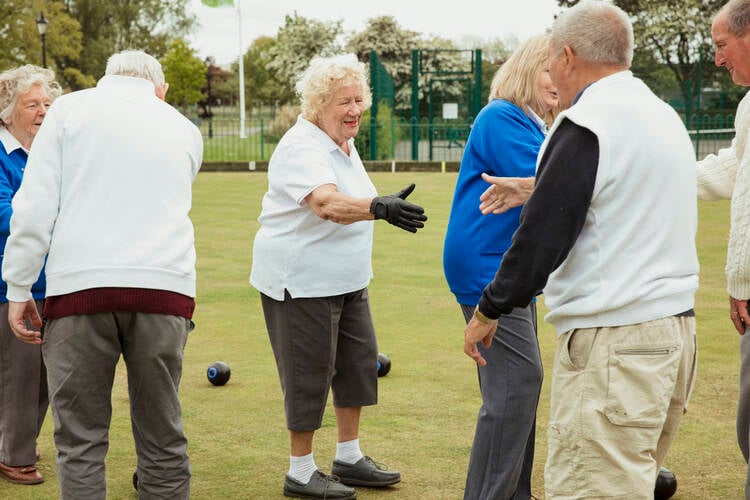
Olympic-style games also bring a sense of excitement and friendly competition, making daily routines more vibrant and meaningful.
In this article, we will explore some of the best ideas for the Olympic Games in a nursing home.
These Olympic game ideas can help build community spirit, boost morale, and create unforgettable moments residents will cherish.
Best Olympic Game Ideas for Nursing Homes
-
Seated Balloon Volleyball
Seated Balloon Volleyball is a fun, inclusive Olympic-style game perfect for residents with varying mobility levels.
Participants sit in chairs arranged in two teams with a ribbon or string serving as the net.
The goal is to keep the balloon off the ground while passing it back and forth.
This game improves hand–eye coordination, upper-body movement, and teamwork.
It is light-hearted, safe, and easy to set up, making it ideal for group engagement.
Residents enjoy cheering one another on, creating a lively, competitive atmosphere.
-
Nursing Home Torch Relay
Use a lightweight, decorated craft torch and let residents take turns passing it along hallways or common areas. Staff may assist residents who need support, ensuring full participation.
The relay can include music, cheering sections, and mini flags to enhance excitement.
This activity promotes unity and gives residents a sense of involvement and pride.
It is also a great photo opportunity and helps build anticipation for upcoming games.
-
Tabletop Bowling Olympics
Tabletop Bowling Olympics is a low-impact, fun challenge using mini pins and a small ball.
Residents sit around a table and take turns rolling the ball to knock down as many pins as possible.
Scorecards can be used to track performance, adding competitive excitement.
This game enhances concentration, hand control, and fine motor skills. It is adaptable for residents with limited mobility and encourages social interaction as players cheer each other on.
With colorful pins or themed decorations, the game becomes even more engaging.
-
Beanbag Shot Put
Beanbag Shot Put is a safe alternative to traditional shot put that allows residents to enjoy the thrill of distance-throwing competitions.
Participants use soft beanbags and toss them as far as they comfortably can, either from a seated or standing position.
Distances are marked and measured to score each attempt. This game helps strengthen arm muscles and improve coordination.
It is easy to set up indoors or outdoors and can be adapted to residents’ abilities. Friendly competition and cheering help boost morale and confidence.
-
Ring Toss Championships
Ring Toss Championships bring classic carnival fun into the Olympic theme. Residents aim and toss rings onto pegs, scoring points based on accuracy.
The setup is simple, portable, and can be adjusted for various skill levels. This game encourages focus, patience, and hand–eye coordination.
Residents enjoy multiple rounds, with medals or ribbons awarded at the end.
It works well for individuals and teams, making it excellent for social bonding. The cheerful competition and celebratory atmosphere encourage participation.
-
Water Bottle Bowling
Water Bottle Bowling transforms ordinary plastic bottles into bowling pins filled with a bit of water for stability.
Residents roll a lightweight ball to knock down as many pins as possible. The familiar concept makes it easy for everyone to understand and enjoy.
This game improves upper-body mobility and precision while providing a sense of accomplishment.
It can be held in hallways, dining rooms, or activity spaces. For an Olympic touch, label bottles as “international pins.”
-
Chair Soccer
Chair Soccer allows residents to experience the excitement of soccer without heavy physical exertion.
Participants sit in chairs arranged in a circle or two teams facing each other.
A soft beach ball acts as the soccer ball, and players use their feet to kick it toward a goal area.
This game encourages gentle leg movement, coordination, and teamwork. It is safe, adaptable, and full of laughter as the ball bounces unpredictably.
Chair Soccer brings energy and camaraderie, making it perfect for an Olympic-themed event.
-
Olympic Trivia Challenge
Prepare questions related to past Olympic events, legendary athletes, and world records.
Residents can play individually or in teams to encourage collaboration. The trivia can be adapted for different difficulty levels, ensuring inclusivity.
This game sparks conversation, learning, and friendly competition. Adding buzzers, scoreboards, or small prizes increases excitement.
It is a wonderful indoor activity that engages memory, encourages socialization, and keeps the mind active.
-
Pool Noodle Javelin
Pool Noodle Javelin offers a safe and entertaining take on the traditional javelin throw.
Residents toss lightweight pool noodles toward a target or distance marker. The flexible material ensures no risk of injury and adds a playful element.
Participants can compete individually or in teams, tracking distances for scoring.
This activity boosts confidence, physical engagement, and hand–eye coordination. The bright colors and soft texture of the noodles add visual fun.
It is easily adaptable for seated participants and works indoors or outdoors. Residents enjoy the challenge and delight in watching each other’s throws.
-
Seated Rowing Race
Seated Rowing Race mimics the Olympic sport of rowing using chairs and resistance bands.
Residents pull the bands in rhythmic motions as staff time their performance or count repetitions.
This activity promotes upper-body strength, cardiovascular engagement, and coordination.
Gentle music can create a race-like atmosphere. Residents may compete in teams or individually to see who rows the “furthest.”
The event encourages group participation, excitement, and physical activity without strain.
-
Balloon Dart Throw (Safe Version)
Balloon Dart Throw uses Velcro balls instead of sharp darts, ensuring safety while maintaining excitement.
Balloons are attached to a Velcro board or backdrop, and residents throw soft balls to hit targets.
This activity improves aim, precision, and concentration. Brightly colored balloons create a festive Olympic vibe.
Points can be assigned to different balloon colors for added challenge. Residents enjoy the friendly competition and visual appeal.
This game works well for all mobility levels and encourages participation through cheering and motivation.
-
Mini Golf Putting Competition
Mini Golf Putting Competition brings a calm yet competitive sport into the nursing home. Create a simple putting green using mats or cardboard ramps.
Residents take turns putting golf balls into a designated hole. This activity enhances focus, coordination, and fine motor skills.
It is gentle enough for residents with limited mobility, yet exciting with the pressure of making the perfect shot.
Adding scorecards, themed decorations, and “gold medals” elevates the Olympic atmosphere.
-
Sponge Relay Races
Sponge Relay Races are creative, low-impact, and full of laughter. Residents pass a damp sponge from one person to another or carry it to a bucket to squeeze out water.
The goal is to fill the bucket faster than the opposing team. This encourages teamwork, coordination, and gentle movement.
It is perfect outdoors but adaptable indoors with towels. The game’s silly, playful nature brings joy and camaraderie. It also works well for mixed-ability groups since tasks can be simplified.
-
Seated Discus Toss (Foam Disc)
Seated Discus Toss uses foam discs that residents throw toward targets or distance markers.
This safe adaptation of discus improves arm strength, coordination, and focus. The soft discs glide gently, making the game fun and visually satisfying.
Participants enjoy seeing how far their disc flies or whether it lands close to a target.
It can be played in teams or individually, with medals or ribbons awarded for top scores.
The game provides a physical challenge without overwhelming residents, ensuring full enjoyment.
-
Penny Pitch
Penny Pitch is a simple yet exciting precision game where residents toss coins into cups or marked circles. Points are awarded based on where the coins land.
This game boosts concentration, dexterity, and hand-eye coordination. It can be played from any seated position, making it accessible.
Adding Olympic-themed decorations and scoreboards enhances the festive feel.
Residents enjoy multiple rounds and often develop strategies for improving accuracy.
The small, manageable movements make it perfect for seniors while still giving a sense of achievement and competition.
-
Obstacle Course Walk (Adaptive)
An Adaptive Obstacle Course allows residents to navigate gentle challenges such as weaving around cones, stepping over soft objects, or following marked paths.
Staff assist where needed to ensure safety. The course encourages mobility, balance, and confidence-building.
It can be tailored for wheelchairs or walkers, ensuring inclusivity. The event fosters encouragement, cheering, and teamwork among residents.
Completing the course gives a sense of accomplishment and promotes healthy movement in a controlled environment.
-
Parachute Games
Parachute Games involve residents holding the edges of a colorful parachute and performing activities such as shaking it, bouncing a balloon on top, or creating waves.
These games encourage teamwork, arm movement, and sensory stimulation. The vibrant colors add joy, and the group activity helps residents bond.
Parachute play is gentle yet engaging, making it ideal for mixed-ability participants.
Olympic variations include “parachute volleyball” or “color wave competitions.”
The group rhythm and cooperative spirit reflect the unity seen in global sporting events.
-
Target Toss With Soft Balls
Target Toss involves throwing soft balls at a large bullseye or numbered targets.
Residents earn points based on accuracy, making it perfect for friendly competition. The game improves coordination, focus, and upper-body movement.
Targets can be themed with Olympic rings or country flags to add excitement.
This activity works well indoors and is accessible to residents with varying physical abilities.
Participants enjoy the challenge of improving their aim, while supportive cheering enhances the social atmosphere.
-
Memory Match Olympic Edition
Memory Match Olympic Edition mixes cognitive exercise with fun competition. Create cards featuring Olympic symbols, sports, or famous athletes.
Residents take turns flipping two cards to find a match, earning points for each pair. This game strengthens memory, focus, and mental agility.
It can be played individually or in teams to encourage social interaction. A scoreboard, medals, and cheering add to the excitement.
It is a wonderful brain-boosting activity that gives residents the joy of participating in a friendly mental “event” during Olympic celebrations.
-
Closing Ceremony Award Show
A Closing Ceremony Award Show wraps up the Olympic activities with celebration and recognition.
Present gold, silver, and bronze medals or fun certificates to residents who participated.
Awards can be serious or humorous, such as “Best Team Spirit” or “Most Accurate Throw.”
Play music, decorate with flags, and invite staff to celebrate with residents.
This ceremony boosts morale, encourages accomplishment, and strengthens community bonds.
Residents enjoy reminiscing about the games, sharing laughs, and taking photos.
It is a beautiful way to acknowledge effort while ending the Olympic series on a joyful and memorable note.
10 Factors to Consider When Organizing Olympic Games for Nursing Homes
-
Resident Mobility Levels
Understanding residents’ mobility levels is essential when planning the Olympic Games.
Activities should be adapted for wheelchairs, walkers, and limited mobility to ensure everyone can participate safely and comfortably.
Offering seated versions or modified movements allows residents of all physical abilities to engage meaningfully.
Consider consulting physical therapists for guidance. The goal is inclusivity, so no resident feels left out due to physical limitations.
Proper adaptation increases participation, enjoyment, and confidence among residents.
-
Safety and Supervision
Safety must be the top priority when hosting Olympic-style activities in a nursing home.
Ensure all games are low-risk, use lightweight or soft materials, and take place in clutter-free spaces.
Adequate staff and volunteers should be available to supervise, assist residents, and manage emergencies.
Clear instructions and demonstrations help prevent confusion or accidents. Regular breaks and hydration stations should also be included. Safety-focused planning encourages residents to participate without fear.
-
Inclusive Game Selection
Choose games that all residents can enjoy, regardless of age, strength, or cognitive ability.
Inclusive selections such as seated volleyball, trivia, beanbag tosses, or memory matches ensure everyone remains engaged.
Offering a mix of physical and mental activities helps accommodate different preferences and abilities.
Avoid games that demand excessive physical effort or complex rules. Inclusivity boosts morale, encourages teamwork, and fosters a sense of belonging.
When every resident can participate confidently, the overall experience becomes more meaningful and memorable.
-
Theme and Decorations
A strong Olympic theme enhances excitement and helps set the tone for the event.
Decorations like country flags, torch replicas, medal podiums, and colorful banners add visual appeal and help transform activity areas into festive arenas.
Themes make activities feel more immersive, improving resident engagement. Staff and volunteers can even dress in themed outfits for added fun.
Thoughtful décor boosts energy, encourages participation, and makes the event feel like a special celebration.
-
Staff and Volunteer Participation
Staff and volunteer involvement is crucial for smooth execution. Their participation ensures residents receive the support, encouragement, and physical assistance they need.
Staff can help demonstrate games, keep score, manage equipment, and boost the overall team spirit.
Friendly interactions also build bonds between caregivers and residents. Volunteers, such as family members or community groups, can add extra enthusiasm and manpower.
-
Equipment and Supplies
Proper equipment and supplies are necessary to run the Olympic Games efficiently.
Use safe, lightweight items such as foam balls, beanbags, pool noodles, and Velcro targets.
Ensure there are enough materials for all participants, including adaptive tools for residents with special needs.
Organizing supplies beforehand prevents delays and confusion during the event. Labeling, color-coding, or storing items in baskets helps maintain order.
-
Scheduling and Timing
Schedule the Olympic Games during hours when residents are most alert, such as late morning or early afternoon.
Avoid conflicting with meals, medication times, or rest periods. Keeping activities short, with breaks in between, prevents fatigue.
A well-planned schedule improves attendance, reduces stress, and keeps energy levels high.
Consider spreading the games over several days or a week to maintain excitement while accommodating residents’ varying stamina levels.
-
Resident Preferences
Understanding residents’ interests ensures the Olympic Games feel personalized and enjoyable.
Some may prefer mental challenges like trivia, while others enjoy physical games like chair soccer or bowling.
Conducting a quick survey helps identify the most appealing activities. Incorporate familiar or nostalgic games when possible.
When residents are given choices, they become more enthusiastic and invested, creating a more meaningful and positive experience.
-
Rewards and Recognition
Rewards create motivation and enhance the festive Olympic atmosphere. Medals, ribbons, certificates, or small prizes give residents a sense of achievement and pride.
Recognizing participation, not just winning, encourages inclusivity and boosts morale.
A closing ceremony allows everyone to celebrate their efforts together. Public acknowledgment from staff or family members makes residents feel special and appreciated.
-
Health and Hydration Needs
Residents’ health needs should always be prioritized when organizing Olympic Games.
Monitor participants for signs of fatigue, dehydration, or discomfort. Provide water stations, shaded areas if outdoors, and regular break times.
Consult nurses or caregivers before involving residents with certain medical conditions. Light stretching or warm-ups can help prepare participants.
By balancing fun with health considerations, you ensure residents enjoy the activities without strain.