
The profit margin for a pasta business could range from 10% to 25% as long as the business maintains efficient cost control, consistent customer demand, and smart pricing strategies.
Pasta is generally a high-margin product because core ingredients like flour, pasta, and basic sauces are relatively inexpensive, allowing room for strong markups.
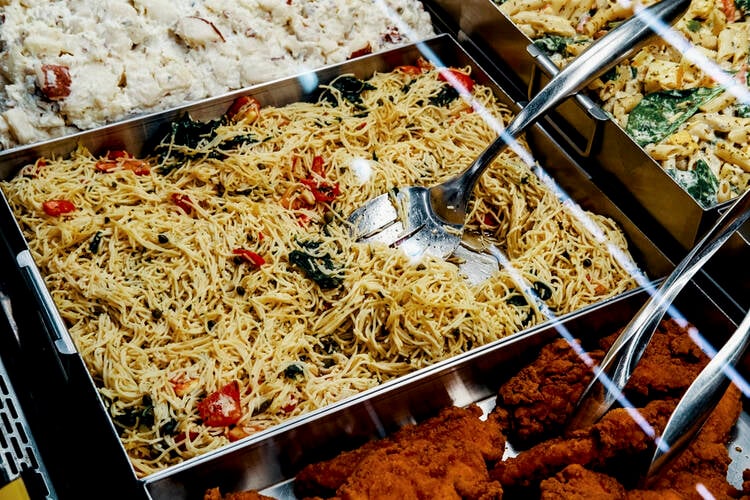
However, factors such as rent, labor, utilities, and ingredient quality can reduce margins if not properly managed.
To stay within or exceed this range, the business must minimize food waste, negotiate supplier costs, and optimize staffing without compromising service quality.
Offering high-margin add-ons like drinks, desserts, and premium toppings can also increase overall profitability.
With strong branding, good location, and steady customer flow, a well-managed pasta business can sustain healthy profit margins year-round.
Factors That Influence the Income of a Pasta Bar
-
Location of the Pasta Bar
A pasta bar situated in a busy urban area, tourist district, or near offices and schools is likely to attract more customers compared to one in a quiet neighborhood.
High foot traffic translates to more daily sales, especially during peak hours like lunch and dinner.
However, prime locations also come with higher rent, which can affect profit margins.
Choosing a location that balances visibility, accessibility, and affordability is essential for maximizing income.
-
Menu Pricing Strategy
Setting prices too high may discourage customers, while pricing too low may reduce profit margins.
A well-balanced pricing approach considers ingredient costs, competitor pricing, and target customer demographics.
Offering a mix of affordable and premium pasta dishes can attract a wider audience.
Upselling add-ons like drinks, desserts, or extra toppings can also increase the average order value, significantly boosting overall yearly revenue without necessarily increasing customer traffic.
-
Quality of Food and Ingredients
Using fresh, high-quality ingredients enhances taste, presentation, and customer satisfaction, encouraging repeat business.
Customers are more likely to recommend your pasta bar to others if they consistently enjoy the food.
While premium ingredients may increase operational costs, they often justify higher menu prices.
Over time, this leads to steady customer loyalty and higher yearly earnings through repeat visits and positive word-of-mouth marketing.
-
Marketing and Branding Efforts
Strong branding helps your business stand out in a competitive market, while targeted marketing campaigns attract new customers.
Utilizing social media, email marketing, and local advertising can increase visibility and drive traffic.
Promotions, discounts, and loyalty programs can encourage repeat visits. Collaborations with food influencers or hosting special events can also boost awareness.
Consistent and creative marketing ensures your pasta bar remains top-of-mind, leading to increased sales and improved yearly revenue.
-
Customer Experience and Service
Friendly, efficient service and a welcoming atmosphere can turn first-time visitors into loyal customers.
Factors such as wait times, staff behavior, cleanliness, and ambiance all contribute to the overall dining experience.
Positive experiences often result in repeat business and favorable online reviews, which attract more customers.
On the other hand, poor service can drive customers away and harm your reputation.
-
Operating Hours and Days
Extended hours, such as offering breakfast, late-night dining, or weekend services, can increase customer traffic and sales opportunities. However, longer operating hours also mean higher labor and utility costs.
Finding the right balance is essential. Analyzing customer patterns can help you determine the most profitable times to stay open.
For instance, focusing on peak lunch and dinner hours may yield better results than staying open during slow periods.
-
Competition in the Area
If there are many similar restaurants nearby, you may need to work harder to attract customers through unique offerings, competitive pricing, or exceptional service.
On the other hand, limited competition can make it easier to capture a larger market share.
Understanding your competitors’ strengths and weaknesses allows you to position your pasta bar effectively.
Differentiating your brand such as offering customizable pasta or unique sauces can help increase your yearly earnings.
-
Menu Variety and Innovation
Offering a variety of pasta types, sauces, and dietary options (such as gluten-free or vegan dishes) can attract a broader customer base.
Regularly updating your menu with seasonal or limited-time offerings keeps customers interested and encourages repeat visits. Innovation also helps you stay ahead of competitors.
However, it is important to balance variety with operational efficiency, as an overly complex menu can increase costs and slow down service.
-
Cost Control and Operational Efficiency
Efficient inventory management helps reduce food waste, while negotiating with suppliers can lower ingredient costs.
Streamlining kitchen operations and optimizing staff schedules can reduce labor expenses without compromising service quality.
Monitoring expenses such as utilities, rent, and maintenance is also essential.
By maintaining tight control over costs, your pasta bar can maximize profits even if sales remain steady, ultimately improving overall annual financial performance.
-
Economic Conditions and Consumer Trends
During economic downturns, customers may reduce dining out, affecting sales. Conversely, a strong economy can increase spending on dining experiences.
Trends such as demand for healthy eating, plant-based options, or convenience foods can also impact your menu and sales.
Staying adaptable and aligning your offerings with current consumer preferences ensures your pasta bar remains relevant and competitive.