
If you plan to start a pasta bar business, then you should have a budget within the range of $80,000 and $300,000.
This is so because starting a pasta bar involves several essential expenses, such as securing a suitable location, purchasing commercial kitchen equipment, designing an appealing dining space, and obtaining the necessary licenses and permits.
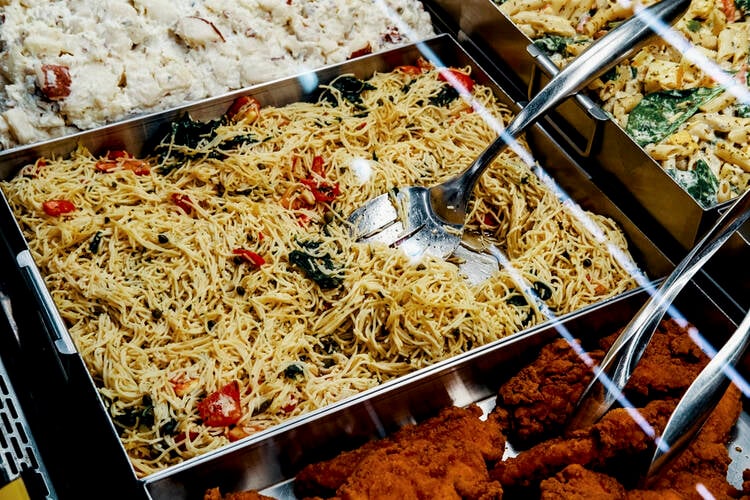
In addition, you will need to invest in initial inventory, branding, and marketing to attract your first set of customers and establish your presence in the market.
Although you can start a pasta bar with as little as $50,000, certain factors will influence the cost of starting the business.
Understanding these variables will help you plan effectively and manage your startup costs wisely.
Factors That Influence the Cost of Opening a Pasta Bar Business
-
Location and Rent Costs
Renting a space in a busy downtown area or a high-traffic commercial district will cost significantly more than setting up in a suburban or less populated area.
Prime locations attract more customers but come with higher rent, deposits, and sometimes additional fees. You may also need to renovate the space to meet your brand standards.
Choosing the right balance between affordability and visibility is crucial to managing startup costs while ensuring steady customer flow.
-
Size and Layout of the Facility
A larger space means higher rent, more furniture, increased utility costs, and more extensive renovations.
Additionally, the layout of the space determines how much you will spend on kitchen design, seating arrangements, and workflow efficiency.
An open kitchen concept, for example, may require more investment in aesthetics and equipment placement.
A smaller, well-optimized space can significantly reduce startup costs while still delivering a great customer experience if designed efficiently.
-
Kitchen Equipment and Appliances
Pasta bars require specialized tools such as commercial pasta cookers, refrigeration units, prep tables, and possibly pasta-making machines.
High-end, brand-new equipment will cost more but may offer durability and efficiency.
On the other hand, buying used or leasing equipment can reduce upfront costs.
It is important to strike a balance between cost and quality, as reliable equipment helps maintain consistent food quality and reduces long-term maintenance expenses.
-
Renovation and Interior Design
Renovation expenses include plumbing, electrical work, flooring, lighting, painting, and décor.
Your interior design should reflect your brand identity and create a welcoming atmosphere for customers.
A modern, stylish interior may require hiring professionals such as designers and contractors, which increases costs.
However, a well-designed space can improve customer satisfaction and encourage repeat visits.
Budgeting carefully for renovations ensures you do not overspend while still creating an appealing environment.
-
Licenses, Permits, and Insurance
Starting a pasta bar requires obtaining various licenses and permits, including food service permits, health department approvals, and business registration.
The cost of these documents varies depending on your location and local regulations.
Additionally, you will need insurance coverage such as general liability, property insurance, and workers’ compensation.
These costs can add up quickly, but are essential for operating legally and protecting your business from unforeseen risks.
-
Menu Complexity and Ingredients
A simple menu with a few pasta options will require fewer ingredients and less equipment, reducing costs.
However, a diverse menu with gourmet sauces, specialty pastas, and imported ingredients will increase your expenses.
High-quality and organic ingredients tend to be more expensive but can enhance your brand image and attract premium customers.
Carefully designing your menu to balance cost, quality, and variety is key to maintaining profitability while delivering a satisfying dining experience.
-
Staffing and Labor Costs
Depending on the size of your pasta bar, you may need to hire chefs, kitchen assistants, servers, and a manager.
Wages, training, uniforms, and employee benefits all contribute to your initial expenses.
Hiring experienced staff may cost more, but can improve efficiency and service quality.
Alternatively, starting with a smaller team and expanding as your business grows can help manage costs.
Proper staffing ensures smooth operations and a positive customer experience, which is essential for long-term success.
-
Branding and Marketing Expenses
Creating awareness for your pasta bar requires investment in branding and marketing.
This includes designing a logo, signage, menus, and promotional materials.
You may also need to build a website, manage social media accounts, and run advertising campaigns.
A strong brand identity helps differentiate your business from competitors and attracts your target audience.
While marketing can be costly, it is a necessary investment to drive traffic and generate sales.
gains visibility from the start.
-
Furniture and Dining Setup
You will need tables, chairs, bar stools, lighting fixtures, and possibly outdoor seating arrangements.
The style and quality of your furniture should align with your brand concept.
High-end furniture creates a premium atmosphere but comes at a higher cost, while budget-friendly options can reduce expenses.
Additionally, you will need tableware such as plates, cutlery, and glassware.
Investing in durable and attractive furnishings enhances customer comfort and contributes to the overall dining experience.
-
Technology and POS Systems
Modern pasta bars often rely on technology to streamline operations. A point-of-sale (POS) system is essential for managing orders, processing payments, and tracking sales.
You may also need inventory management software, online ordering systems, and reservation platforms.
The cost of purchasing and setting up these systems can vary depending on the features you choose.
While this may seem like a significant expense, investing in reliable technology improves efficiency, reduces errors, and provides valuable data insights that can help you make informed business decisions.
-
Initial Inventory and Supplies
Stocking your pasta bar with the necessary ingredients and supplies is a key startup cost.
This includes pasta, sauces, spices, vegetables, meats, and beverages. You will also need packaging materials if you plan to offer takeout or delivery services.
Buying in bulk can help reduce costs, but it requires careful planning to avoid waste.
The quality of your ingredients will directly impact the taste of your dishes and customer satisfaction.
Proper inventory management ensures that you have enough supplies to operate smoothly without overspending.
-
Utilities and Operating Expenses
These costs can vary depending on the size of your pasta bar and the type of equipment you use.
High-powered kitchen appliances can significantly increase energy consumption.
Additionally, you may need to pay for waste disposal and maintenance services.
Estimating these expenses accurately helps you set realistic financial projections and avoid surprises.