
Do you love fragrances and want to build a business around perfume?
If YES, here are 20 profitable perfume business ideas and opportunities you can consider, from low-capital online businesses to full fragrance brands and retail stores.

The perfume industry gives you far more options than simply opening a shop and selling designer fragrances. You can build a business around:
- Perfume retail;
- Private-label fragrances;
- Fragrance oils;
- Subscription boxes;
- Custom scent creation;
- Home fragrance;
- Hotel scenting;
- Perfume education;
- Perfume accessories.
The best business for you will depend on your budget, your knowledge of fragrance and whether you want to manufacture products yourself or sell products made by other companies.
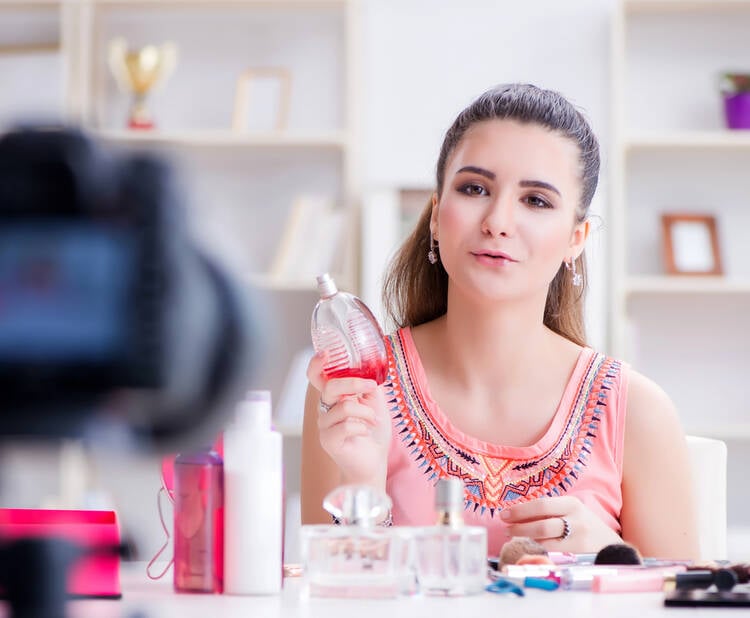
Best Perfume Business Ideas
1. Start Your Own Perfume Brand
This is one of the most obvious ways to enter the fragrance industry. You can create a perfume line under your own brand and sell directly to customers. Your brand can focus on:
- Luxury fragrances;
- Affordable everyday perfumes;
- Long-lasting fragrances;
- Minimalist scents;
- Travel fragrances;
- Unisex perfumes.
You do not necessarily need to own a perfume factory. Many new brands work with contract manufacturers or fragrance houses that handle formulation, filling and packaging.
Your biggest challenge will usually be branding and customer acquisition rather than simply producing the fragrance.
2. Niche Perfume Brand
Instead of competing directly with mass-market perfume brands, focus on a clearly defined customer group. Your niche might be based on:
- Fragrance style;
- Ingredient philosophy;
- Cultural inspiration;
- Minimalist packaging;
- Specific scent families;
- Small-batch production.
The advantage of a niche perfume brand is that you do not have to appeal to everybody.
A smaller group of highly interested customers can be more valuable than trying to create a generic perfume for the entire market.
3. Private-Label Perfume Business
A private-label perfume business allows you to sell fragrances manufactured by another company under your own brand.
This can be easier than developing every formula from scratch. You concentrate on:
- Brand name;
- Packaging;
- Marketing;
- Distribution;
- Customer experience.
This is particularly suitable for entrepreneurs who understand branding and sales but do not have technical perfume-manufacturing expertise.
4. Online Perfume Store
You can sell fragrances online without operating an expensive physical store. Your store can specialize in:
- Designer perfumes;
- Niche fragrances;
- Hard-to-find brands;
- Middle Eastern fragrances;
- Independent perfumers;
- Travel sizes.
The most important issues are authenticity, customer trust and reliable fulfillment.
Fragrance buyers are particularly sensitive to counterfeit products, so make the source of your inventory clear.
5. Perfume Decant and Sample Business
Many customers want to test an expensive fragrance before purchasing a full bottle.
You can build a business selling smaller portions of authentic fragrances in clearly labeled sample or travel-size containers. This can appeal to:
- Collectors;
- Customers testing new perfumes;
- Travelers;
- People who like rotating fragrances.
Be careful about product authenticity, labeling, trademark presentation and local rules governing repackaging and resale.
Your business should never create the impression that a decanted product was packaged or endorsed by the original perfume brand if it was not.
6. Perfume Subscription Box
A fragrance subscription business sends customers curated perfume samples or travel-size fragrances on a recurring basis. You can offer monthly plans based on:
- Fresh fragrances;
- Woody fragrances;
- Floral fragrances;
- Luxury perfumes;
- Niche fragrances;
- Customer scent preferences.
The recurring-revenue model is attractive, but customer retention matters.
If subscribers repeatedly receive fragrances they dislike, they will cancel quickly.
7. Fragrance Oil Supply Business
You can supply fragrance oils to businesses that manufacture:
- Soaps;
- Candles;
- Diffusers;
- Room sprays;
- Body products;
- Other scented goods.
This can work particularly well as a B2B business because repeat manufacturers continually need raw materials.
Instead of stocking hundreds of fragrances immediately, begin with the oils most frequently requested by your target customers.
8. Perfume-Making Workshops
You can make money teaching people how fragrance notes work and helping them create their own blends. Possible customers include:
- Individuals;
- Couples;
- Birthday groups;
- Corporate teams;
- Bridal parties.
The customer is paying for an experience as well as the perfume they take home.
This makes workshops a particularly interesting business in cities with strong leisure and event markets.
9. At-Home Perfume-Making Kits
You can turn the workshop concept into a product. A perfume-making kit might contain:
- Selected fragrance materials;
- Mixing bottles;
- Pipettes;
- Testing strips;
- Instructions;
- Formula worksheets.
You can sell the kits online, in gift stores or alongside your perfume classes.
10. Bespoke Perfume Creation Service
Some customers are willing to pay substantially more for a fragrance created specifically for them. A bespoke perfumer can consult with the customer about:
- Favorite notes;
- Memories;
- Lifestyle;
- Fragrance preferences;
- Occasions.
You then develop a personalized fragrance. This is a premium service and requires genuine perfume formulation knowledge if you intend to create the fragrances yourself.
11. Wedding and Event Fragrance Business
You can create personalized scents and fragrance gifts for:
- Weddings;
- Anniversaries;
- Engagements;
- Birthdays;
- Corporate events.
Products might include:
- Custom mini perfumes;
- Fragrance favors;
- Personalized atomizers;
- Scented gift boxes.
This business combines perfume with the events industry and can support higher-value custom orders.
12. Perfume Gift Set Business
You can curate fragrance gift sets instead of manufacturing perfume yourself. Sets can be designed for:
- Birthdays;
- Anniversaries;
- Valentine’s Day;
- Mother’s Day;
- Corporate gifts;
- Holiday gifting.
You can add related products such as lotions, candles or travel atomizers where appropriate.
Good packaging is particularly important because customers are buying the presentation as much as the products inside.
13. Hotel and Resort Signature Scent Business
Hotels, resorts, spas and premium retail businesses sometimes use signature fragrances to create a recognizable atmosphere.
You can provide scent-development and fragrance-diffusion services to commercial customers. The business may involve:
- Creating a signature scent;
- Supplying diffuser oils;
- Installing scent equipment;
- Providing refills;
- Ongoing maintenance.
This can be attractive because one commercial customer may generate recurring refill revenue.
14. Scent Marketing Consultancy
You do not necessarily need to manufacture perfume to work with commercial scenting.
You can advise businesses on how fragrance can be incorporated into their customer experience. Possible clients include:
- Hotels;
- Spas;
- Retail stores;
- Showrooms;
- Event venues.
You can earn through consulting fees and partnerships with fragrance or diffuser suppliers.
15. Reed Diffuser and Room Spray Brand
Home fragrance can provide a broader customer base than personal perfume alone. You can sell:
- Reed diffusers;
- Room sprays;
- Linen sprays;
- Refill oils;
- Gift sets.
Develop a small number of recognizable scent collections instead of launching dozens of fragrances before knowing what customers prefer.
16. Diffuser Refill Business
One useful way to build recurring sales is to focus specifically on refill products.
Once customers own a diffuser container, they need replacement oil and sometimes reeds. You can sell:
- Diffuser refill oils;
- Replacement reeds;
- Refill bundles;
- Subscription refills.
The repeat-purchase nature of the business can be more valuable than relying solely on one-time diffuser sales.
17. Perfume Accessories Business
You can sell products used by fragrance enthusiasts without manufacturing perfume itself. Examples include:
- Travel atomizers;
- Perfume organizers;
- Display trays;
- Refillable bottles;
- Sample holders;
- Gift packaging.
This can be a lower-complexity way to enter the perfume market because the products do not require you to formulate a cosmetic fragrance.
18. Vintage and Discontinued Perfume Store
Collectors sometimes search for older formulations, discontinued fragrances and hard-to-find bottles.
You can specialize in sourcing and reselling these products. Your success will depend heavily on:
- Authenticity;
- Condition;
- Storage;
- Rarity;
- Provenance.
Do not assume that every old perfume is valuable. You need to understand which bottles collectors actually want.
19. Boutique Perfume Store
A boutique perfume store can concentrate on smaller and more distinctive fragrance brands rather than trying to compete with a department store carrying every major designer name.
You can differentiate through:
- Personal fragrance consultations;
- Curated collections;
- Niche brands;
- Samples;
- Discovery sets.
The experience and expertise you offer can become part of what customers are paying for.
20. Full-Service Perfume Store
If your market is large enough, you can open a conventional perfume store carrying multiple brands and price ranges. You can sell:
- Designer perfumes;
- Affordable fragrances;
- Gift sets;
- Body sprays;
- Fragrance accessories.
This requires more startup capital because you need premises and inventory.
The danger is tying too much money up in slow-moving fragrances.
Track which brands and bottle sizes actually sell before expanding your stock.
Which Perfume Businesses Are Cheapest to Start?
| Business | Startup Capital | Main Requirement |
|---|---|---|
| Perfume Gift Sets | Low | Sourcing and packaging |
| Perfume Accessories | Low | Product sourcing |
| Online Perfume Store | Low to Moderate | Authentic inventory and marketing |
| Perfume Workshops | Low to Moderate | Fragrance knowledge and teaching |
| Perfume-Making Kits | Low to Moderate | Product design and fulfillment |
| Scent Marketing Consultancy | Low | Industry knowledge and B2B sales |
Which Perfume Businesses Have the Best Recurring Revenue Potential?
If recurring revenue is your priority, I would pay particular attention to:
- Perfume subscription boxes;
- Fragrance oil supply;
- Hotel scenting;
- Diffuser refills;
- Commercial scent services.
These businesses give customers a reason to buy repeatedly rather than purchasing one bottle and disappearing for months.
Do You Need to Manufacture Perfume Yourself?
No. You can participate in the fragrance industry as:
- A retailer;
- A distributor;
- A private-label brand;
- A consultant;
- A workshop operator;
- An accessories seller.
If you do manufacture or repackage fragrances yourself, however, you need to pay closer attention to:
- Ingredient safety;
- Labeling;
- Packaging;
- Product claims;
- Applicable cosmetic requirements;
- Shipping restrictions for alcohol-based products.
Do not begin mixing fragrances commercially simply because you know how to combine pleasant-smelling oils.