
Do you want to know which products tend to experience increased demand during an epidemic or pandemic outbreak?
If YES, here are 26 products consumers, businesses and healthcare organizations may purchase more frequently when infectious diseases are spreading.
An epidemic can change buying behavior very quickly. People may wash their hands more frequently, clean high-touch surfaces more often, spend additional time at home, prepare for possible isolation and purchase supplies they do not want to run out of.
Healthcare facilities and businesses can also increase their purchases of protective equipment and infection-control supplies.
That does not mean every disease outbreak creates demand for exactly the same products.
A respiratory-virus outbreak is very different from an outbreak primarily transmitted through contaminated food or water, for example.
You should therefore pay attention to guidance from public-health authorities rather than simply assuming that whatever sold during COVID-19 will sell during the next outbreak.
There is also an important ethical point for anyone approaching this as a business opportunity.
An emergency is not an excuse to hoard essential supplies or dramatically inflate their prices.
Your better opportunity is to improve supply: manufacture useful products, maintain sufficient inventory, distribute supplies efficiently and help customers obtain what they genuinely need.
Hygiene and Infection-Control Products
1. Liquid Hand Soap

Soap is one of the most basic products that can experience higher demand when infectious illnesses are spreading. People may wash their hands more frequently at:
- Home
- Work
- Schools
- Restaurants
- Healthcare facilities
- Public buildings
For an entrepreneur, opportunities exist in both consumer-size bottles and larger commercial refill containers.
Institutional customers such as offices, schools, restaurants and care facilities can be particularly valuable because they may purchase in bulk.
If you want to manufacture your own product, see our guide on starting a soap-making business.
2. Alcohol-Based Hand Sanitizer
Hand sanitizer is useful when soap and water are not readily available. But it should not be described as an antidote or cure for an infectious disease.
For appropriate situations involving respiratory viruses, alcohol-based hand sanitizer containing at least 60 percent alcohol can be useful for hand hygiene when washing with soap and water is unavailable.
Commercial opportunities can include supplying:
- Retail stores
- Offices
- Schools
- Hotels
- Healthcare facilities
- Restaurants
Hand sanitizer is a regulated over-the-counter product in the United States, so anyone manufacturing it needs to understand the applicable requirements rather than mixing alcohol and gel in a kitchen and selling it casually.
You can use our hand sanitizer production business plan as a starting point when researching the business.
3. Household Disinfectants
Demand for disinfectants can rise when people become more concerned about germs on frequently touched surfaces. Products may include appropriate disinfecting:
- Sprays
- Liquids
- Concentrates
- Surface products
Manufacturers and sellers should never make unsupported claims that a product kills a particular virus or prevents a specific disease. Claims made on disinfectant labels are regulated.
4. General Household Cleaning Products
Not every surface requires a specialized disinfectant. Ordinary household cleaners, detergents and soaps may also see stronger demand when families clean more frequently.
A distributor could target homes as well as commercial customers such as:
- Hotels
- Offices
- Cleaning contractors
- Restaurants
- Care facilities
5. Disinfecting Wipes
Pre-moistened disinfecting wipes are convenient for cleaning suitable high-touch surfaces.
During periods of increased concern about infectious illness, they may be used in workplaces, vehicles, schools and homes.
Do not confuse disinfecting surface wipes with ordinary baby wipes or personal-care wipes; they are different products designed for different purposes.
6. Disposable Face Masks
Masks can experience significant increases in demand during outbreaks of respiratory illness.
A well-fitting mask can help reduce transmission of respiratory viruses, particularly when illness levels are high or someone is sick, recovering or at greater risk of severe disease.
Businesses may purchase masks for employees or visitors, while consumers may keep supplies available at home.
Quality and accurate labeling matter. A seller should not describe an ordinary loose-fitting mask as an N95 respirator.
7. N95 and Other Protective Respirators
Respirators occupy a different category from ordinary face coverings. Products such as properly approved N95 respirators can provide a higher level of respiratory protection when they fit correctly.
Potential customers may include:
- Healthcare organizations
- Employers
- High-risk individuals
- Organizations responding to outbreaks
Counterfeit and falsely labeled respirators can become a serious problem when demand suddenly increases, so distributors should purchase from legitimate suppliers.
8. Tissues and Paper Towels
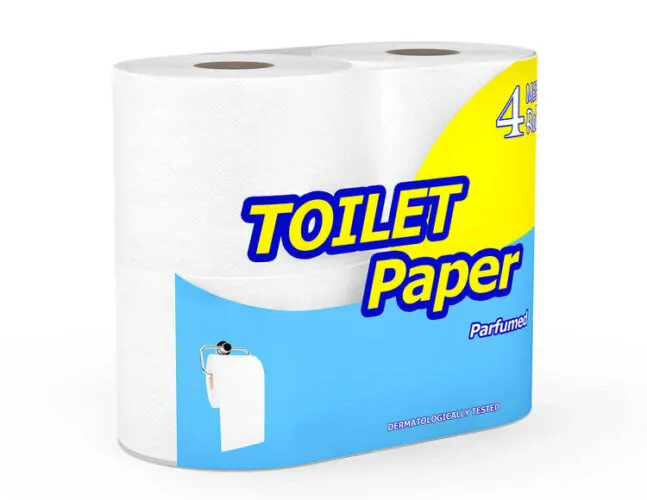
Respiratory illnesses can increase household use of facial tissues. Paper towels may also experience increased demand alongside more frequent cleaning.
These products are relatively simple everyday necessities rather than treatments, which makes their demand less dependent on people believing questionable health claims.
Health Monitoring and Healthcare Supplies
9. Digital Thermometers
When fever is associated with an infectious illness, households may want a reliable thermometer available rather than waiting until someone becomes sick.
Demand may also increase from:
- Clinics
- Care homes
- Schools
- Employers
A thermometer does not diagnose an illness by itself, but it can help someone monitor body temperature.
10. Authorized At-Home Diagnostic Tests
Some disease outbreaks eventually have diagnostic tests that consumers can use at home.
When authorized tests are available, demand can become substantial because people want to know whether symptoms or exposure are associated with the disease.
This is a highly regulated category. Retailers and distributors should deal only in legitimate products authorized for their intended market and should not sell counterfeit or unapproved tests.
11. Over-the-Counter Symptom-Relief Products
When many people experience respiratory symptoms at the same time, pharmacies can see increased demand for ordinary products used to manage symptoms.
Depending on the illness, customers may purchase products for:
- Fever
- Aches
- Cough
- Congestion
- Sore throat
These products should never be advertised as curing an epidemic disease unless they are actually approved for that purpose.
People with significant symptoms, risk factors or questions about medication should obtain appropriate medical advice.
12. Regular Prescription and Medical Supplies
During periods when people expect to remain home more frequently, they may make sure they have adequate supplies of medications they already use.
The same can apply to ongoing medical supplies. This does not mean people should purchase prescription drugs unnecessarily.
For pharmacies and medical-supply businesses, the opportunity is primarily about maintaining dependable supply and helping regular customers avoid interruptions in essential treatment.
13. Gloves, Gowns and Eye Protection for Professional Use

Medical gloves, protective gowns, goggles and face shields can experience substantial demand from healthcare facilities during some outbreaks.
But these products should not be casually marketed as things every member of the public needs.
Gloves, for example, are important for specific healthcare, caregiving and cleaning tasks but are not a substitute for good hand hygiene. Potential B2B customers include:
- Hospitals
- Clinics
- Laboratories
- Nursing facilities
- Home healthcare providers
A distributor serving this market needs dependable suppliers and should understand the standards applicable to the protective equipment being sold.
14. First-Aid Supplies
Families spending more time at home may want to make sure their basic first-aid supplies are complete. Products can include:
- Bandages
- Gauze
- Antiseptic products
- First-aid kits
- Basic wound-care supplies
These are useful household preparedness products regardless of whether someone is experiencing the epidemic disease itself.
15. Portable Air Cleaners
Respiratory viruses can spread through the air, particularly in indoor spaces with inadequate airflow.
This has created a legitimate role for cleaner-air products during respiratory outbreaks.
Portable air cleaners using appropriate filtration can therefore receive more attention from:
- Homes
- Offices
- Schools
- Waiting rooms
- Small businesses
Avoid exaggerated claims that an air purifier makes a room completely safe or guarantees that someone will not become infected.
Cleaner air should be viewed as one layer of risk reduction rather than a magic shield.
Food and Household Essentials
16. Shelf-Stable Food
When households expect possible isolation, reduced shopping trips or supply disruptions, demand may rise for food that can be stored for extended periods.
Examples include:
- Canned food
- Rice
- Pasta
- Beans
- Cereal
- Cooking ingredients
- Long-life packaged foods
The commercial opportunity may exist for grocery stores, wholesalers, delivery companies and food manufacturers.
Responsible retailers should discourage panic buying that unnecessarily deprives other customers of basic necessities.
17. Frozen Food

Frozen products can also become attractive when households want to reduce frequent supermarket visits. Products may include:
- Frozen vegetables
- Meat
- Fish
- Prepared meals
- Other frozen foods

Retailers and distributors need reliable refrigeration because losing the cold chain can create both financial losses and food-safety problems.
18. Bottled Water

Bottled water may see additional demand when consumers prepare for possible disruptions or simply stock basic household supplies.
But clean bottled water should not be presented as something that specifically prevents respiratory infections.
Where normal tap water remains safe and available, there may be no health reason to switch exclusively to bottled water.
For entrepreneurs interested in the production side, see our bottled water production business plan.
19. Toilet Paper

COVID-19 demonstrated that consumer behavior itself can cause unusual shortages.
Toilet paper does not protect someone from a respiratory virus, yet panic buying caused shelves to empty in many places. For retailers, the lesson is not to encourage panic.
It is to improve inventory planning and, where necessary, impose reasonable purchase limits to keep essential household products available to more customers.
If you are interested in manufacturing, review our guide on starting a tissue paper manufacturing business.
20. Personal Hygiene Products
People still need everyday toiletries even if they are spending extended periods at home. Demand can therefore remain strong for:
- Bath soap
- Shampoo
- Toothpaste
- Deodorant
- Other everyday hygiene products
These should be marketed as normal personal-care necessities, not as products that prevent or cure the disease causing the outbreak.
21. Baby Formula and Baby Food
Parents with infants cannot simply postpone buying formula or suitable baby food.
That makes these products particularly important during periods when families worry about supply disruptions.
Retailers should manage inventory carefully because panic buying can make it difficult for families with immediate needs to obtain appropriate infant products.
22. Diapers and Baby Wipes
Diapers are another essential product families need continuously regardless of what is happening outside the home.
Demand can increase temporarily when parents purchase larger quantities to reduce shopping trips.
Baby wipes should remain clearly distinguished from disinfecting wipes; products intended for cleaning babies are not automatically suitable for disinfecting household surfaces.
23. Menstrual Care Products
Menstrual pads, tampons and other period-care products remain basic necessities during an epidemic.
Consumers who expect to stay home for longer periods may purchase enough to avoid unnecessary shopping trips.
This is another category where maintaining steady supply is more valuable than encouraging customers to hoard.
24. Adult Incontinence and Caregiving Supplies
Households caring for older adults or people with disabilities may need dependable supplies of:
- Adult briefs
- Bed pads
- Disposable underpads
- Personal cleansing products
- Other caregiving supplies
Care facilities and home-health organizations can also generate B2B demand.
25. Pet Food and Pet Supplies
Pets still need to eat even when their owners are isolating at home. Consumers preparing for an extended period between shopping trips may purchase additional:
- Pet food
- Cat litter
- Routine pet supplies
Online ordering and scheduled delivery can be particularly useful for these bulky repeat-purchase items.
Products for Staying and Working at Home
26. Remote Work, Communication and Home-School Equipment
If an outbreak becomes severe enough to close offices or schools temporarily, demand can shift rapidly toward products that allow people to function from home.
Examples include:
- Webcams
- Headsets
- Computer accessories
- Routers
- Wi-Fi extenders
- Chargers
- Power banks
- Basic home-office equipment
This demand will depend heavily on how disruptive the particular outbreak becomes.
A localized illness affecting one city may have little effect on remote-work equipment, while a widespread pandemic involving school and workplace closures can have a much larger impact.
Products You Should Not Market as Epidemic Protection Without Evidence
This is an important lesson from COVID-19. Fear creates a market for products that sound healthy even when there is little or no evidence that they prevent the disease.
You should therefore be extremely careful about marketing products such as:
- Vitamin supplements
- Garlic products
- Herbal remedies
- Aloe vera
- Fruit shakes
- Acai products
- “Immune boosting” drinks
There may be perfectly legitimate reasons for consumers to buy these products as foods or supplements.
What you should not do is claim that they prevent, treat or cure a particular infectious disease unless that claim is properly supported and legally permitted.
Which Products Usually Experience the Fastest Demand Increase?
For a respiratory-virus outbreak, the first categories to watch will often include:
- Masks and respirators
- Hand soap
- Hand sanitizer
- Cleaning products
- Thermometers
- Relevant diagnostic tests when available
- Healthcare PPE
If authorities begin recommending that people remain home, another wave of demand can move toward:
- Groceries
- Household paper products
- Baby supplies
- Medications
- Personal-care products
- Home-working equipment
That distinction matters if you are running a retail or distribution business. The products directly associated with controlling an infection are not necessarily the same products that increase because consumers expect to spend more time at home.
Should You Start Manufacturing Products During an Outbreak?
You should be careful about investing in a factory purely because one product suddenly becomes scarce.
By the time you buy machinery, obtain approvals, hire employees and begin commercial production, the temporary shortage may already be over.
A better question is:
Will customers still need this product when the outbreak ends?
Products such as:
- Soap
- Tissue
- Cleaning chemicals
- Diapers
- Packaged food
- Bottled water
have substantial everyday markets outside epidemic conditions.
That makes them potentially stronger long-term manufacturing businesses than a product whose demand depends entirely on one emergency.
Do Not Build Your Business Around Panic Buying
Panic buying creates misleading demand signals. If consumers normally purchase one package per month but suddenly buy six packages because they fear shortages, that does not mean normal long-term demand has increased sixfold.
A retailer or manufacturer who interprets that temporary spike as permanent may end up with excessive inventory once consumer stockpiles are full.
Monitor:
- Actual consumption
- Repeat purchases
- Inventory levels
- Supplier lead times
- Public-health guidance
before making major expansion decisions.