
If you want to build a business around something people will continue producing every day, waste deserves serious consideration.
- Homes throw away packaging.
- Restaurants generate food scraps and used cooking oil.
- Construction companies discard wood, metal, concrete and fixtures.
- Businesses replace computers and office furniture.
- Drivers wear out tires, batteries and vehicle parts.
- Manufacturers generate scrap materials.
The opportunity is not simply collecting rubbish. Your job is to identify something that still has economic value after its original owner no longer wants it, then collect, sort, repair, process or resell it profitably.

That means you do not necessarily need millions of dollars for a recycling plant.
You can begin much smaller by collecting one valuable material and supplying an established processor.
- You might refurbish used electronics instead of shredding them.
- You might repair pallets instead of manufacturing new ones.
- Or you might collect food scraps from restaurants and deliver them to an established composting operation.
If you want to start a recycling business, the best opportunity is usually a waste stream for which you already know both the source and the buyer.
Are Recycling Businesses Still Worth Starting?
Yes. But you should stop thinking of recycling as simply collecting bottles and aluminum cans.
Modern recycling businesses can recover metals from electronics, salvage valuable construction materials, refurbish computers, divert food waste, repair reusable packaging and recover components from vehicles and industrial equipment.
The most important question is not:
“Can this material be recycled?”
It is:
“Can you collect, process and sell it for more than it costs you to handle?”
- Transportation can destroy the economics of recycling low-value materials.
- Contamination can make otherwise valuable material worthless.
- And hazardous or regulated waste may require permits, specialized storage and approved processors.
So before buying equipment, identify exactly who will purchase your recovered material and what specifications they require.
Collection and Material Recovery Businesses
1. Recyclable Waste Collection Business
You can begin by collecting sorted recyclable materials from homes and small businesses and delivering them to established processors.
Your customers might pay a collection fee, while you can also earn from the value of certain recovered materials. Route density matters enormously.
A truck collecting from 40 customers within one neighborhood is more efficient than serving the same number scattered across an entire city.
2. Community Recycling Drop-Off Center

Instead of collecting materials door to door, you can establish a location where households and small businesses bring acceptable recyclables.
You then sort and consolidate enough material to sell economically to larger processors. Choose the materials carefully.
A small facility may be better concentrating on cardboard, metals and electronics than accepting every conceivable waste stream.
3. Commercial Recycling Pickup Service
Offices, restaurants, retail stores and warehouses can generate predictable quantities of recyclables every week.
You can provide containers and scheduled pickup. The recurring nature of commercial accounts makes them attractive.
You should audit each customer’s waste first so you know whether enough recyclable material exists to justify the collection route.
4. Construction and Demolition Waste Recovery Business
Construction sites generate concrete, wood, metals, drywall, fixtures and other materials.
You can collect or sort recoverable materials and supply specialist recyclers or reuse businesses.
The opportunity can be substantial because construction and demolition waste is produced in enormous volumes.
The better business may be recovering selected high-value materials rather than attempting to recycle every load.
5. Factory Scrap Collection Business
Manufacturers can produce the same waste materials continuously. That makes factory contracts valuable.
You might collect metal offcuts, cardboard, plastics or other approved materials on a scheduled basis.
One industrial customer generating several tons each month can be easier to serve than hundreds of households generating small quantities.
6. Recycling Bin and Container Service
Businesses often need better systems for separating waste before a recycler arrives. You can provide labeled bins, collection containers and regular servicing.
The business can make money through rentals, service contracts and material collection.
Good separation at the source usually produces cleaner material that is easier to sell.
7. Roll-Off Recycling Container Business
Construction companies and commercial sites sometimes need large containers temporarily.
You can provide roll-off bins for approved recyclable construction debris, metals or other materials.
This requires substantially more capital than ordinary collection because you need bins and either suitable trucks or a haulage partner. You should price transportation and disposal carefully.
Metal and Vehicle Recycling Businesses
8. Scrap Metal Collection Business
Scrap metal is attractive because established markets already exist for many metals.
You can collect material from contractors, workshops, factories and property clear-outs. You do not need to smelt metal yourself.
A smaller operator can sort material by type and sell accumulated quantities to larger recyclers.
9. Aluminum Can Recycling Business

Aluminum beverage cans are easy to recognize and can be collected from homes, events, restaurants and hospitality businesses. The challenge is volume.
Individual cans have little value, so you need efficient collection and consolidation.
Event venues and businesses generating large quantities are generally more attractive than collecting small amounts randomly.
10. Copper Scrap Recycling Business
Copper has significantly more value by weight than many common recyclable materials.
You can source legitimate scrap wire, plumbing material and industrial offcuts. The word legitimate matters.
Metal theft is a serious problem, so keep appropriate seller identification and purchase records wherever required.
Sorting clean copper from mixed materials can increase the value you receive.
11. Steel Scrap Business
Steel is produced in huge volumes and recovered from vehicles, appliances, construction sites and industrial operations.
A small entrepreneur can begin by collecting and supplying established scrap yards.
Margins per pound may be smaller than copper, so efficient handling and larger volumes become more important.
12. Appliance Scrap and Recovery Business
Old washing machines, ovens and other appliances contain metal and sometimes reusable components.
You can collect unwanted units and determine whether each should be repaired, dismantled or sent intact to an approved recycler.
Some appliances contain refrigerants or other materials that require specialized handling.
Do not release or process regulated substances yourself unless properly qualified.
13. Junk Vehicle Dismantling Business
End-of-life vehicles contain reusable engines, transmissions, wheels, electronics, body panels and scrap metal.
A licensed dismantling operation can sell usable parts before the remaining shell is recycled.
This business requires suitable land, environmental controls and compliance with vehicle-title and waste regulations.
It can produce considerably more value than immediately crushing every vehicle.
14. Automotive Parts Reuse Business
You can specialize in recovering usable parts from legitimately sourced damaged or end-of-life vehicles.
Parts can be cleaned, tested and sold to repair shops or individual customers. Model numbers and vehicle compatibility matter enormously.
A well-organized inventory system is essential once you begin storing thousands of components.
Electronics and Battery Recycling Businesses
15. E-Waste Collection Business
Electronics are one of the fastest-growing waste streams in the world. You can collect computers, phones, printers and other approved devices from households and businesses and send them to responsible recycling or refurbishment partners.
Do not assume every electronic device should be dismantled manually. Batteries, screens and other components can require specialized handling.
16. Computer Refurbishing Business
Many discarded computers are not truly at the end of their useful lives. You can test machines, replace faulty components, securely erase previous data and sell working computers for reuse.
Reuse can often capture more value than immediately reducing the equipment to raw materials.
Schools, small businesses and budget-conscious consumers can become customers.
17. Smartphone and Tablet Refurbishment Business
Used phones can be repaired, cleaned and resold instead of discarded. You might replace screens, batteries and other appropriate components.
Only work on devices you are technically qualified to repair. You should also make sure previous accounts and personal data have been removed before resale.
18. IT Asset Disposition Business
Companies replacing hundreds of computers face a bigger problem than ordinary households.
They need equipment collected, inventoried, data handled securely and products routed appropriately for reuse or recycling.
You can build a business around that process. Data security can become as important as the value of the physical hardware.
19. Electronic Parts Harvesting Business
Some nonworking electronics still contain perfectly useful components. Technically skilled operators can recover suitable parts for resale to repair businesses.
You should prioritize safe disassembly and legitimate reuse. Informal processing methods that expose workers to hazardous substances are not a sensible business model.
20. Printer Cartridge Collection and Remanufacturing Business
Businesses consume toner and ink cartridges continually. You can collect suitable cartridges and either remanufacture approved models or supply them to established remanufacturers.
Corporate accounts are especially useful because one office may generate the same cartridges repeatedly.
Quality control matters because leaking or poorly functioning cartridges can quickly damage your reputation.
21. Battery Collection Business
Automotive, consumer and lithium batteries require proper end-of-life handling.
You can provide approved collection and aggregation for businesses and households, then transfer material to authorized processors. Different battery chemistries may require separate handling.
Lithium-ion batteries in particular can create serious fire risks when damaged or stored improperly.
22. Solar Panel Collection and Recycling Logistics Business
As installed solar systems age, more panels will eventually need replacement.
A practical small-business entry point is collection, logistics and relationships with specialist recycling facilities rather than attempting to chemically process panels yourself.
Installers and commercial solar operators can become useful partners. Broken panels should be handled according to applicable environmental regulations.
Plastic, Glass, Paper and Packaging Recycling
23. Plastic Bottle Collection Business

Plastic bottles are generated in large quantities at homes, workplaces, events and hospitality businesses. You can collect and sort them by resin type where required.
Clean, properly sorted material is usually more valuable than a contaminated mixed-plastic stream.
Before starting, identify a processor willing to purchase the material you plan to collect.
24. HDPE Plastic Recycling Business
HDPE is commonly found in containers and other durable plastic products. A business can collect, sort, wash and potentially shred suitable material before supplying processors.
Processing equipment increases your investment significantly. Begin by understanding exactly what purity, color and form your buyer requires.
25. Plastic Regrind Business
Larger operators can grind suitable sorted plastics into flakes used as feedstock by manufacturers or pellet producers.
The business requires shredding equipment, separation and contamination control.
You should not buy machinery until you have reliable sources of plastic and customers for the finished regrind.
26. Plastic Film Collection Business
Stretch wrap and other plastic films are generated by warehouses, retailers and distribution facilities.
Commercial material can sometimes be cleaner and easier to consolidate than household film. You need buyers that specifically accept the film type you collect.
Loose film occupies large amounts of space, so baling can become important as volumes grow.
27. Glass Bottle and Jar Recovery Business
You can collect glass from restaurants, bars, hotels and other businesses. Depending on your local market, bottles may be reused or processed as cullet.
Glass is heavy, so transportation economics matter considerably. The closer your collection routes are to the end user or processor, the better the model can become.
28. Recycled Glass Aggregate Business
Processed glass can be used in certain construction, landscaping and decorative applications.
This requires crushing and screening equipment rather than merely collecting bottles.
You should confirm local product standards and buyer specifications before processing material.
The value lies in turning bulky discarded glass into a consistent usable material.
29. Cardboard Collection and Baling Business
Online retail and distribution operations generate large quantities of cardboard. You can provide regular pickup to stores, warehouses and offices.
A baler can significantly reduce storage and transportation volume once your business reaches sufficient scale.
Clean dry cardboard is generally easier to market than contaminated material.
30. Waste Paper Collection Business
Offices, schools and printing companies can generate paper suitable for recycling.
You can collect sorted paper and supply recycling mills or larger aggregators. Some paper streams are more valuable than others.
Keeping high-quality office paper separate from mixed material can improve pricing.
31. Reusable Packaging Recovery Business
Not all packaging should be immediately shredded. Boxes, crates and protective packaging can sometimes be used again.
You can collect reusable shipping materials from businesses and resell them to companies that need inexpensive packaging.
This can require far less processing equipment than manufacturing recycled packaging from raw material.
32. Pallet Repair and Recycling Business
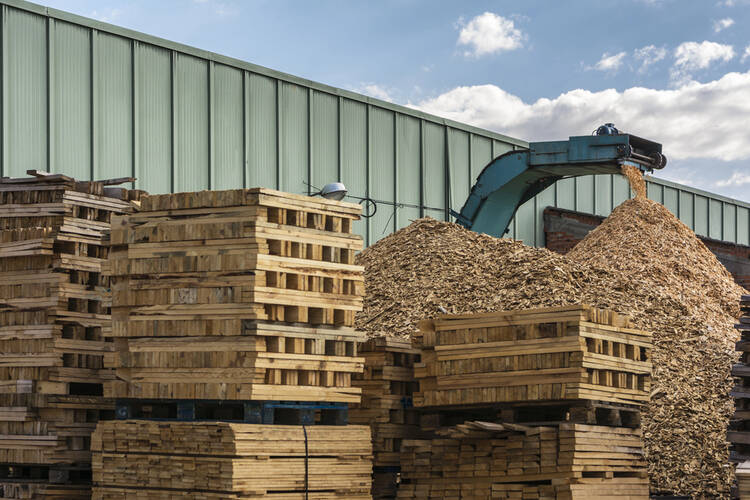
Wooden pallets are continually damaged during shipping. Many can be repaired and returned to use.
You can collect broken pallets, replace damaged boards and resell serviceable units.
Pallets beyond economical repair can provide lumber for other approved uses or be sent to suitable wood processors.
Construction, Wood and Furniture Recycling Businesses
33. Reclaimed Building Materials Business
Renovations and demolitions can produce doors, flooring, cabinets, fixtures and architectural materials that still have useful life. You can remove, clean and resell these products.
Older buildings can contain particularly desirable materials that are expensive to reproduce today. You should know how to identify products that can be safely reused.
34. Deconstruction and Salvage Business
Traditional demolition destroys much of the material inside a building. Deconstruction removes reusable components more carefully before demolition.
You can recover doors, fixtures, timber and other valuable products. The process requires more labor but can generate resale inventory while reducing disposal volume.
35. Reclaimed Lumber Business
Old barns, factories and buildings can contain valuable timber. You can recover and prepare suitable wood for furniture makers, builders and interior designers.
Inspect reclaimed timber carefully for nails, structural damage and contaminants. The age and history of the wood can become part of its value.
36. Wood Waste Recycling Business
Construction scraps, pallets and other clean wood can sometimes be processed into mulch, chips or feedstock for appropriate manufacturing.
Wood needs to be separated from treated or contaminated material. Know exactly what your processor accepts.
Mixed demolition wood should not automatically be treated like clean untreated lumber.
37. Sawdust Recovery Business
Sawmills and woodworking businesses produce large quantities of sawdust.
Depending on the source and wood type, it can have uses in approved manufacturing, bedding, composting or fuel applications.
You can aggregate material from several smaller producers. Avoid mixing sawdust containing unsuitable coatings or chemicals into products intended for agricultural or household use.
38. Furniture Refurbishing Business
Furniture does not always need to be reduced to raw materials to avoid landfill.
You can purchase or collect solid furniture, repair it, refinish it and resell it. Good-quality wooden pieces can be particularly suitable.
Do not spend ten hours restoring inexpensive furniture that customers will only pay $50 for. Choose pieces with enough resale value to justify your labor.
39. Used Office Furniture Resale Business
Companies regularly relocate, downsize and refurbish offices. That can release desks, chairs, filing systems and conference furniture that remain usable.
You can purchase or collect this inventory and resell it to startups, schools and small businesses.
You will need adequate storage and transportation because office furniture is bulky.
Textile and Consumer-Product Reuse Businesses
40. Used Clothing Resale Business
Clothing reuse can extend the useful life of garments before they become textile waste.
You can buy, sort and resell good-quality clothing through a shop or online. Specialization can improve margins.
Vintage clothing, premium children’s clothing or particular fashion categories may be more attractive than accepting every garment available.
41. Textile Collection and Sorting Business
Not every garment is suitable for resale. You can collect textiles and sort them into reusable clothing, industrial wiping material or feedstock for specialist textile recyclers.
Before collecting large volumes, understand what downstream buyers actually accept.
Textiles contaminated with oils or chemicals may require different handling.
42. Mattress Recycling Business
Mattresses contain steel, foam, textiles and wood that can potentially be separated.
A specialist facility can dismantle mattresses and direct components toward appropriate markets.
Transportation and labor are major considerations because mattresses are bulky and relatively low-value before processing.
Contracts with hotels, universities and waste facilities can provide consistent volume.
43. Carpet Recovery Business
Commercial renovations generate large quantities of used carpet. Depending on material and local infrastructure, some carpet can be diverted for specialist recycling.
You can provide removal, collection and aggregation. The opportunity works best when a downstream processor already exists within economical transportation distance.
Organic Waste, Tires and Oil Recycling Businesses
44. Food Waste Collection Business
Restaurants, supermarkets, hotels and institutional kitchens can generate large volumes of food waste.
You can provide sealed containers and scheduled pickup for delivery to composters, anaerobic digesters or other approved destinations.
You do not need to own the final processing facility. A reliable collection route can be a business on its own.
45. Composting Business

Food scraps, leaves and other suitable organic material can be transformed into compost.
You can sell finished compost to gardeners, landscapers and farms where appropriate.
Composting on a commercial scale requires more management than simply piling organic waste together.
Odor, moisture, pests, temperature and contamination all need to be controlled.
46. Yard Waste and Mulch Business
Landscapers and homeowners generate branches, leaves and other vegetation.
You can collect appropriate yard waste and process suitable material into mulch or compost.
Seasonal contracts with landscaping businesses can provide substantial volume.
Check local restrictions on plant diseases, invasive species and other materials that should not be redistributed.
47. Used Cooking Oil Collection Business
Restaurants produce used cooking oil that can become feedstock for approved industrial processing.
You can provide collection containers and scheduled pickup, then deliver oil to established processors.
Do not collect used cooking oil and simply filter it for resale as restaurant cooking oil.
Food safety and approved end uses matter. The opportunity is in responsible collection and supply to legitimate processors.
48. Used Motor Oil Collection Business
Vehicle workshops, fleets and machinery operators generate used lubricating oil.
You can operate an approved collection and transportation service and supply authorized recyclers or re-refiners.
Used oil needs careful storage because contamination can make an entire batch expensive to handle. Never mix it casually with solvents, fuels or other waste streams.
49. Tire Collection and Recycling Business

Garages, tire shops and vehicle fleets continually generate worn tires. You can provide collection and supply approved processors or retreading businesses.
A larger company may later invest in shredding equipment and produce material for permitted downstream applications.
Tire storage can create significant fire and pest risks, so follow all local rules governing quantities and storage conditions.
Recycling Support and Circular-Economy Businesses
50. Waste Audit and Recycling Consulting Business
You do not necessarily have to physically process waste to make money from recycling.
Businesses increasingly need help understanding what they throw away, what can be separated and how much disposal is costing them.
You can inspect waste streams, design collection systems and connect companies with appropriate recyclers.
This business is particularly suitable if you already have experience in waste management, manufacturing, facilities management or environmental compliance.