

If you own a sports bar and grill, your food menu can play an important role in attracting customers, increasing spending per visit, and encouraging people to return even when there is no major sporting event.
Sports bar customers often want food they can share with friends, eat comfortably while watching a game, and receive without waiting too long.
Favorites such as chicken wings, burgers, loaded nachos, pizza, and fries remain useful menu options, but you can also differentiate your establishment with distinctive sauces, lighter meals, and well-designed house specialties.

However, offering more dishes does not automatically make a sports bar more profitable.
An oversized menu can increase food waste, ingredient costs, preparation times, and pressure on kitchen employees, particularly during major sporting events.
The most effective approach is to offer a carefully selected range of appetizers, handheld meals, substantial entrees, and a few desserts while using common ingredients wherever practical.
Below are 36 sports bar food menu ideas worth considering, along with recommendations for presentation, pricing, and efficient kitchen operations.
Classic Sports Bar Appetizers and Shareable Snacks
Shareable appetizers are particularly useful for sports bars because customers often visit in groups.
These dishes allow friends to order something for the table while deciding whether to purchase additional food.
1. Chicken Wings With Multiple Sauce Options
Chicken wings are an established sports bar favorite because they are easy to serve in different portion sizes and can be customized with numerous sauces and seasonings.
You can offer classic Buffalo wings alongside BBQ, garlic Parmesan, lemon pepper, honey garlic, and other suitable flavors.
Consider offering both traditional bone-in wings and boneless chicken bites if your kitchen can prepare them consistently.
To keep the menu manageable, begin with four or five sauces and a few clearly defined portion sizes.
Customers may order a small serving for themselves or larger platters for groups watching a game.
Menu opportunity: Offer a wing sampler that allows customers to choose two or three flavors without requiring the kitchen to prepare entirely different products.
Operational consideration: Chicken wing prices can fluctuate. Monitor portion costs, fryer capacity, cooking temperatures, and sauce usage instead of assuming wings will always generate high profit margins.
2. Loaded Nachos With Beef, Chicken, or Beans
Loaded nachos are suitable for sports bars because they can be presented as a substantial appetizer for two or more customers.
Start with tortilla chips and add melted cheese or queso, followed by selected toppings such as seasoned beef, chicken, black beans, jalapeños, salsa, and sour cream.
You can also offer BBQ pulled pork nachos as a specialty version. A practical menu could include:
- Classic cheese and jalapeño nachos.
- Loaded beef nachos.
- Buffalo chicken nachos.
- Black bean and vegetable nachos.
- BBQ pulled pork nachos.
Rather than preparing all these options as entirely separate dishes, build them around shared ingredients.
Menu opportunity: Sell nachos in two portion sizes, with optional protein upgrades.
Operational consideration: Control topping portions and serving time. Nachos can become soggy when assembled too far in advance or held too long before reaching the customer.
3. French Fries, Loaded Fries, and Specialty Seasoned Fries

French fries are among the most versatile products you can include on a sports bar menu.
They work as standalone snacks, side dishes, and the base for larger shareable plates.
You can offer regular fries, sweet potato fries, garlic Parmesan fries, chili cheese fries, and loaded fries with selected toppings.
For example, a loaded fries platter might include crispy fries, queso, seasoned beef, jalapeños, and green onions.
Another option is to offer garlic Parmesan fries alongside a simple house dipping sauce.
Menu opportunity: Turn one core product into several menu items through portion sizes, seasonings, and approved toppings.
Operational consideration: Standardize fry portions and monitor cooking oil, seasoning, packaging, and topping costs. Fried foods also lose quality when held too long after cooking.
4. Jumbo Onion Rings With House Dipping Sauces
Onion rings can provide an alternative to French fries and complement burgers, sandwiches, and other sports bar meals.
You can prepare them using a seasoned batter or breading and serve them with ranch, BBQ sauce, spicy mayonnaise, or another suitable dipping sauce.
Consider offering onion rings in individual and shareable portions. You can also let customers substitute onion rings for fries when ordering selected entrees, with an appropriate additional charge if necessary.
Menu opportunity: Increase side-dish variety without adding another expensive protein to your inventory.
Operational consideration: Use consistent onion sizes and breading procedures.
Poorly prepared onion rings can become greasy, lose their coating, or turn soggy before service.
5. Fried Pickles With Ranch or Spicy Dipping Sauce
Fried pickles provide a tangy, crunchy appetizer that can distinguish your menu from establishments serving only fries and wings.
You can use pickle chips or spears coated in seasoned batter or breading. Serve them with ranch dressing, spicy mayonnaise, or an appropriate house sauce.
This dish can work particularly well as a small plate ordered alongside other appetizers.
Menu opportunity: Introduce a distinctive fried appetizer using relatively familiar ingredients.
Operational consideration: Remove excess moisture from the pickles before breading. Poor preparation can cause the coating to separate or become soggy.
6. Mozzarella Sticks With Marinara Sauce
Mozzarella sticks are a recognizable appetizer that can appeal to customers looking for a meat-free snack.
Serve breaded mozzarella with marinara sauce, and consider offering a second dipping sauce for customers who want more variety.
You can purchase suitable prepared products or develop an in-house version if the kitchen has the necessary capacity.
However, preparation consistency is important. Overcooking can cause the cheese to leak out, while undercooking may produce an unpleasant texture.
Menu opportunity: Include mozzarella sticks in a mixed appetizer platter with onion rings, chicken tenders, or other suitable snacks.
Operational consideration: Maintain consistent cooking times and temperatures, and provide accurate allergen information for milk and wheat.
7. Jalapeño Poppers With Cream Cheese Filling
Jalapeño poppers are another suitable appetizer for customers who enjoy mildly or moderately spicy snacks.
Prepare jalapeños with an appropriate cheese filling, then bake or fry them according to your kitchen’s preferred method.
You could offer classic cream cheese poppers and one specialty variation with another suitable filling.
Serve them with ranch, chipotle-style sauce, or another complementary dip.
Menu opportunity: Offer a clearly labeled spicy appetizer that adds variety to your shareable menu.
Operational consideration: Jalapeño heat levels can vary. Train staff to describe the dish accurately and monitor preparation costs if poppers require extensive manual assembly.
8. Loaded Potato Skins With Cheese and Bacon
Loaded potato skins are suitable for customers looking for a more filling appetizer.
They typically feature crisp potato shells filled with melted cheese, bacon, and other selected ingredients.
Serve them with sour cream or another suitable dipping sauce. You can also offer a meat-free version using cheese, green onions, and approved vegetable toppings.
Menu opportunity: Sell potato skins in shareable portions and include them on appetizer sampler platters.
Operational consideration: Coordinate potato preparation with other menu items and use a consistent scooping and portioning method.
Excessive preparation time may make the item unsuitable during peak game periods.
9. Warm Soft Pretzels With Cheese Dip
Soft pretzels provide a convenient snack for customers who want something lighter than a full meal. Serve them warm with mustard, cheese sauce, or an approved house dip.
You can offer large pretzels or smaller pretzel bites that are easier for groups to share.
One advantage is that pretzels can fit into a menu without requiring an extensive range of toppings.
Menu opportunity: Offer a pretzel basket for groups or a combination featuring pretzel bites and two dipping sauces.
Operational consideration: Evaluate baking or reheating capacity, holding times, and sauce temperature control.
10. Spinach and Artichoke Dip
Spinach and artichoke dip is a suitable shareable appetizer for customers who prefer a creamy, savory snack.
You can prepare a warm dip with spinach, artichokes, cheese, and other selected ingredients. Serve it with tortilla chips, toasted pita, or appropriately prepared bread.
This dish can complement a menu already offering nachos, quesadillas, and other items using cheese and tortilla products.
Menu opportunity: Offer a baked spinach and artichoke dip as a shareable appetizer for two or three customers.
Operational consideration: Standardize portion sizes and ensure proper holding temperatures for dairy-based ingredients.
11. Buffalo Chicken Dip With Tortilla Chips
Buffalo chicken dip brings together familiar chicken wing flavors in a different appetizer format.
You can prepare it with cooked shredded chicken, cheese, Buffalo sauce, and other approved ingredients. Serve the dip warm with tortilla chips or suitable bread.
Since your kitchen may already stock chicken, Buffalo sauce, and cheese for other dishes, this can be a practical addition when ingredients and preparation procedures overlap.
Menu opportunity: Create a warm Buffalo chicken dip platter for customers who want wing flavors without ordering traditional wings.
Operational consideration: Control cheese portions, use appropriately cooked chicken, and manage preparation and holding temperatures safely.
12. Fried Mac and Cheese Bites
Mac and cheese bites offer a different presentation of a familiar comfort food.
Prepare bite-sized portions of macaroni and cheese, coat them in suitable breading, and fry until the exterior is crisp.
Serve them with marinara, ranch, or a house dipping sauce. These bites can be included as a standalone appetizer or as part of a mixed snack platter.
Menu opportunity: Add a comfort-food appetizer that differs from conventional wings, fries, and nachos.
Operational consideration: Preparing the bites in-house may require advance chilling, portioning, breading, and careful inventory planning.
Compare the labor requirement with the selling price before adding them permanently.
Burgers, Sliders, Sandwiches, and Handheld Meals
Handheld meals are useful because customers can eat them while watching sports without needing elaborate table service.
They can also provide stronger meal value for customers who want more than an appetizer.
13. Smash Burgers With Classic and Specialty Toppings

Smash burgers offer a recognizable menu item with opportunities for customization.
They are prepared by pressing suitable portions of ground beef against a hot cooking surface to create a browned exterior.
You can offer a classic cheeseburger alongside a signature house version featuring approved toppings and sauces.
Potential options include:
- Classic cheeseburger with pickles and onions.
- Bacon cheeseburger.
- Double smash burger.
- Spicy burger with jalapeños.
- House specialty burger with a distinctive sauce.
The current interest in comfort food and familiar dishes with creative flavor combinations makes burgers a useful product category to evaluate.
However, burgers are not automatically high-margin items, particularly when beef, cheese, bacon, and other ingredients are expensive.
Menu opportunity: Use one core burger production method to create a small collection of variations.
Operational consideration: Standardize patty weights, toppings, cooking procedures, and preparation times. Follow applicable food safety rules for ground beef.
14. Mixed Slider Platters

Sliders are small sandwiches that can be served individually or as a mixed platter.
Rather than listing numerous nearly identical sliders as separate menu categories, you can offer a selection of fillings under one menu section.
For example, a slider platter might include:
- Cheeseburger sliders.
- BBQ pulled pork sliders.
- Crispy chicken sliders.
- BBQ brisket sliders.
- Plant-based burger sliders.
Customers can order several sliders for the table or choose a mixed set.
Menu opportunity: Introduce a three-slider sampler that allows customers to try more than one filling.
Operational consideration: Limit the selection to fillings that share ingredients with your larger menu. Too many separate proteins can increase food waste and slow service.
15. Philly Cheesesteak Sandwiches

A Philly cheesesteak-style sandwich provides a substantial alternative to burgers.
Prepare it with thinly sliced beef, melted cheese, and other suitable additions such as grilled onions.
You can offer a full-sized sandwich or smaller cheesesteak portions for sharing.
Revenue opportunities include sandwich sales, side-dish upgrades, and additional toppings.
Menu opportunity: Add a recognizable beef sandwich that appeals to customers looking for something different from a burger.
Operational consideration: Control beef portions carefully. The sandwich may become expensive if staff add inconsistent quantities of meat or cheese.
16. Crispy Chicken Sandwiches
A crispy chicken sandwich can appeal to customers who want a filling handheld meal without choosing beef.
Serve breaded chicken on an appropriate bun with lettuce, pickles, and a suitable sauce.
You can offer a classic version and a spicy version using a house seasoning or sauce.
Where practical, use chicken ingredients and preparation methods that overlap with your tenders or wings program.
Menu opportunity: Create a chicken sandwich meal that includes a side and an eligible nonalcoholic beverage.
Operational consideration: Maintain consistent chicken portions and cook poultry to the applicable safe temperature. Avoid excessive customization that slows the kitchen during busy games.
17. Street Tacos With Beef, Chicken, Fish, or Shrimp

Tacos can provide variety without requiring the preparation of a completely different meal for every customer.
You can offer small corn or flour tortillas filled with seasoned beef, chicken, fish, shrimp, or an appropriate plant-based filling.
Serve them with selected toppings such as slaw, salsa, cilantro, pickled onions, and suitable sauces.
A small taco menu might feature:
- Seasoned beef tacos.
- Grilled chicken tacos.
- Crispy fish tacos.
- Grilled shrimp tacos.
- Black bean and vegetable tacos.

Offer tacos individually or in clearly priced sets.
Menu opportunity: Create a three-taco sampler with a limited choice of fillings.
Operational consideration: Use consistent tortilla sizes and filling portions.
Fish and shrimp introduce additional seafood handling and allergen considerations.
18. Chicken, Beef, and Vegetable Quesadillas
Quesadillas can be a practical addition when your kitchen already uses tortillas, cheese, chicken, and vegetables in other dishes.
Prepare them with a limited number of fillings and serve with suitable sides or dipping sauces.
Popular variations may include cheese, grilled chicken, seasoned beef, and sautéed vegetables.
They can be presented as individual meals or cut into smaller portions for sharing.
Menu opportunity: Offer quesadillas as an alternative to tacos using many of the same ingredients.
Operational consideration: Avoid overfilling, which can make cooking inconsistent and increase ingredient costs.
19. Gourmet Hot Dogs and Sausages

Hot dogs and sausages can provide quick handheld meals for customers who prefer a smaller or lower-priced menu option.
You can sell classic hot dogs alongside specialty versions with chili, cheese, grilled onions, sauerkraut, or other toppings.
For example, a focused menu might include:
- Classic hot dog.
- Chili cheese dog.
- Grilled sausage with onions and peppers.
- House specialty hot dog.
Menu opportunity: Include a clearly priced hot dog meal that offers a value-oriented choice.
Operational consideration: Keep toppings manageable, monitor bun quality, and maintain suitable cooking and hot-holding procedures.
20. Personal Pizzas and Shareable Flatbreads

Pizza is a useful sports bar menu category because customers can order it as a full meal or share it with friends.
You can offer personal pizzas, thin-crust flatbreads, or larger pizzas depending on your kitchen equipment.
A manageable selection could include:
- Classic cheese pizza.
- Pepperoni pizza.
- BBQ chicken flatbread.
- Vegetable pizza.
- Buffalo chicken pizza.
Use common ingredients where practical. For example, cooked chicken can appear in a Buffalo chicken pizza, quesadilla, or other suitable dish.
Menu opportunity: Offer a shareable pizza and appetizer combination for groups during major games.
Operational consideration: Check whether oven capacity can support peak demand.
Pizza may be difficult to serve quickly if your kitchen is already using the same equipment for other dishes.
21. Grilled Chicken Caesar Wraps
A grilled chicken Caesar wrap can provide an option for customers who want a substantial meal without ordering fried appetizers.
Prepare it with properly cooked chicken, romaine lettuce, Caesar dressing, Parmesan, and a suitable tortilla.
Serve it with a side of fries, fruit, or another appropriate accompaniment. You can offer a standard version and allow limited customization.
Menu opportunity: Add a handheld meal that uses ingredients also found in your chicken and salad offerings.
Operational consideration: Keep lettuce chilled and prepare wraps close to service so they retain their texture.
22. Grilled Cheese Sandwiches With Tomato Soup Dip

A grilled cheese sandwich with tomato soup can be a suitable comfort-food option for sports bars, particularly during cooler weather.
Serve toasted bread filled with melted cheese alongside a small portion of tomato soup for dipping.
You can also develop an approved specialty variation with bacon, caramelized onions, or another ingredient used elsewhere on the menu.
The dish can be served as a full sandwich or cut into smaller pieces for sharing.
Menu opportunity: Offer a familiar comfort-food meal that differs from fried chicken, burgers, and wings.
Operational consideration: Monitor cheese portions, bread quality, and soup holding temperatures. Prepare sandwiches close to serving time to avoid sogginess.
Hearty Sports Bar Meals and Protein-Based Dishes
23. Crispy Chicken Tenders With House Dipping Sauces
Chicken tenders are a versatile sports bar menu item that can be served as an appetizer or a full meal.
You can offer breaded chicken strips with a choice of Buffalo sauce, honey mustard, BBQ sauce, or ranch.
For larger meals, include fries or another suitable side. Chicken tenders may also appeal to customers who want a familiar dish with limited customization.
Menu opportunity: Develop individual tender meals and larger shareable baskets.
Operational consideration: Standardize chicken weights, breading, frying procedures, and sauce portions. Proper poultry handling is essential.
24. Chicken and Waffle Bites
Chicken and waffle bites provide a combination of savory and sweet flavors in a convenient serving format.
You can serve small portions of properly cooked fried chicken on mini waffles with an optional syrup or sauce.
This dish may appeal to customers interested in Southern-inspired comfort food.
It can be served as an appetizer or a specialty item during selected events.
Menu opportunity: Introduce an occasional house special that stands apart from conventional sports bar snacks.
Operational consideration: Waffle production can require additional equipment and labor. Test demand before making it a permanent menu item.
25. BBQ Chicken and Sausage Skewers
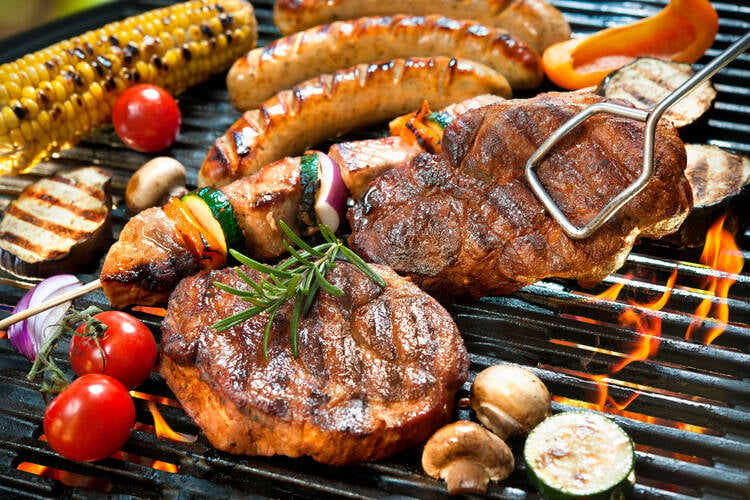
Skewers can provide a grilled alternative to fried appetizers. You can offer BBQ chicken skewers or properly cooked sausage and pepper skewers with suitable dipping sauces.
Serve them in small portions for sharing or as a meal with rice, fries, or another complementary side.
One advantage is that skewers can create a visually appealing presentation without requiring an excessive number of toppings.
Menu opportunity: Offer a grilled appetizer section featuring one chicken skewer and one sausage variation.
Operational consideration: Avoid overcrowding the grill and use appropriate food safety procedures when preparing poultry or raw sausage.
26. Fish and Chips With Tartar Sauce
Fish and chips can provide a familiar seafood meal for customers who prefer fish to burgers or chicken. Serve properly cooked battered fish with fries, tartar sauce, and lemon.
You can offer a standard portion and a smaller lunch or snack version where appropriate.
The dish can be especially useful if your kitchen already has suitable frying equipment.
Menu opportunity: Introduce a substantial seafood option without developing an extensive seafood menu.
Operational consideration: Fish purchasing costs, storage requirements, and frying procedures must be managed carefully. Seafood allergen controls also require attention.
27. Grilled Shrimp Skewers With Lime
Grilled shrimp skewers can offer a seafood alternative to chicken-based appetizers.
Marinate shrimp with suitable herbs, lime, garlic, and seasonings before grilling. Serve with a complementary sauce or selected side dish.
This item may appeal to customers looking for a smaller grilled meal rather than a deep-fried snack.
Menu opportunity: Offer shrimp skewers as a specialty appetizer or as an entree with appropriate sides.
Operational consideration: Shrimp is a major allergen and can be expensive.
Monitor raw product yields, cooking times, portion sizes, and potential cross-contact.
28. Crispy Calamari With Marinara or Lemon Aioli
Crispy calamari can provide variety on a sports bar appetizer menu when local demand supports seafood offerings.
Serve properly prepared and fried calamari with marinara, lemon, or a suitable dipping sauce. You can offer it in a shareable portion for two or more customers.
However, calamari may not suit every sports bar customer base, and the ingredient cost can be higher than that of some familiar appetizers.
Menu opportunity: Introduce a more distinctive seafood appetizer for customers who want alternatives to wings and fries.
Operational consideration: Test sales before making it a permanent item.
Overcooking can produce a tough texture, while seafood handling requires appropriate storage and allergen controls.
29. BBQ Brisket and Slow-Cooked Meat Platters
A BBQ meat platter can appeal to customers who want a substantial meal rather than shareable snacks.
You can serve sliced brisket or another approved slow-cooked meat with selected sides such as fries, coleslaw, or macaroni and cheese.
For a sports bar with an established grill or smokehouse operation, this can become a signature menu item.
You can also reuse approved cooked brisket in sliders or loaded fries to improve ingredient utilization.
Menu opportunity: Offer one signature BBQ platter rather than several slow-cooked meat dishes that require separate preparation processes.
Operational consideration: Brisket requires significant preparation time and has variable cooking yields. Evaluate ingredient cost, shrinkage, storage, and actual sales demand before adding it.
30. Mac and Cheese Bowls With Optional Protein
Macaroni and cheese can serve as a comforting side dish or a substantial menu item.
Offer a classic version with optional toppings such as properly cooked chicken, bacon, or other suitable additions. You can also serve smaller portions alongside burgers or BBQ dishes.
One advantage is that the same core recipe can support several menu presentations.
Menu opportunity: Offer a basic mac and cheese bowl with optional protein upgrades.
Operational consideration: Control sauce and cheese portions, avoid preparing excessive quantities, and maintain proper holding temperatures.
Lighter, Vegetarian, and Group-Friendly Options
31. Buffalo Cauliflower Bites
Buffalo cauliflower bites offer a vegetable-based alternative to traditional chicken wings.
Prepare cauliflower florets with an appropriate coating or seasoning, then bake or fry them and toss them in Buffalo sauce. Serve with suitable dipping sauces.
However, cauliflower bites should not automatically be described as low-calorie or healthy simply because they contain vegetables.
The cooking method, coating, sauce, and serving size all influence their nutritional profile.
Menu opportunity: Add a meat-free appetizer with familiar sports bar flavors.
Operational consideration: If you advertise a version as vegan, make sure the batter, sauce, and dip ingredients support that claim.
32. Hummus With Pita and Fresh Vegetables
Hummus with pita and vegetables can provide a convenient shareable option for customers who prefer food that is not fried.
Serve hummus with carrots, cucumbers, bell peppers, and suitable pita bread.
You can offer a classic hummus platter or add one approved specialty variation.
This item can be particularly useful for groups that want a choice beyond wings, fries, and cheese-based appetizers.
Menu opportunity: Offer a shareable snack that can appeal to customers with different food preferences.
Operational consideration: Hummus commonly contains sesame through tahini.
Do not label it sesame-free or allergen-free without suitable verification and controls.
33. Grilled Chicken and Protein-Topped Salads
A salad section can help your sports bar serve customers who want vegetables and protein rather than a heavier fried meal.
Options might include a grilled chicken Caesar salad, a chopped house salad, and a suitable plant-based salad.
To avoid creating unnecessary ingredient costs, use lettuce, tomatoes, onions, cheese, and proteins that also appear elsewhere on the menu. You can offer clearly priced protein additions when appropriate.
Menu opportunity: Include two or three carefully developed salads rather than an extensive selection.
Operational consideration: Wash and store produce appropriately, control dressing portions, and avoid unsupported claims such as describing every salad as low-calorie or healthier than every other menu item.
34. Charcuterie and Cheese Boards

A charcuterie board can appeal to groups that want a selection of meats, cheeses, crackers, olives, fruit, and other complementary ingredients.
You can offer a small board for two customers and a larger board for groups.
This item may suit a sports bar serving professionals, groups, or customers who prefer a more leisurely dining experience.
However, charcuterie boards are not necessarily appropriate for every sports bar concept.
Premium cheeses and cured meats can increase inventory costs, and slow turnover may lead to waste.
Menu opportunity: Create a shareable alternative to fried appetizer platters.
Operational consideration: Maintain proper cold holding, control portion sizes, and select ingredients that can be used elsewhere or sold quickly enough to justify stocking them.
Desserts for Sports Bars
35. Warm Brownie Sundaes and Cookie Skillets
A sports bar can benefit from having a small dessert menu for customers who want something sweet after their meal.
Warm brownies served with ice cream or freshly prepared cookie skillets can provide a familiar comfort-food option.
Depending on your facilities, you can offer a brownie sundae or a shareable cookie dessert rather than maintaining a large bakery program.
Revenue comes from individual desserts and larger servings designed for sharing.
Menu opportunity: Offer one signature warm dessert that staff can recommend after meals.
Operational consideration: Choose desserts that can be prepared using existing kitchen equipment without slowing service during peak periods.
36. Churro Bites With Chocolate Dipping Sauce
Churro bites can provide a simple, shareable dessert that fits a casual sports bar atmosphere.
Serve warm churro portions coated in cinnamon sugar with chocolate or another suitable dipping sauce. You can offer individual portions or a larger dessert basket.
Because the portions are easy to share, they may appeal to groups who want a small sweet finish after ordering appetizers and meals.
Menu opportunity: Add a dessert that uses a recognizable product and can be sold in multiple portion sizes.
Operational consideration: Test preparation times, dessert cooking equipment, and customer demand before introducing the product permanently.
Which Sports Bar Food Items Should You Include on Your Menu?
The best menu for your business depends on customer preferences, the type of kitchen you operate, available employees, and how much customers are willing to spend.
You do not need to offer all 36 dishes listed above. In many cases, a smaller menu built around dependable bestsellers will be easier to manage and more financially sustainable.
The following table compares selected menu categories according to their operational requirements and commercial opportunities.
| Menu Item | Main Selling Opportunity | Kitchen Requirements | Main Cost or Service Risk |
|---|---|---|---|
| Chicken Wings | Individual meals and shareable platters | Frying or suitable cooking equipment | Chicken price changes and fryer capacity |
| Loaded Nachos | Group orders and premium toppings | Assembly and appropriate heating | Topping portions and food quality |
| Fries and Loaded Fries | Sides, snacks, and add-ons | Frying and topping assembly | Oil costs and serving consistency |
| Smash Burgers | Full meals and premium upgrades | Griddle and sandwich assembly | Beef costs and cooking capacity |
| Mixed Sliders | Group sharing and sampler platters | Multiple fillings and assembly | Ingredient complexity and preparation time |
| Quesadillas | Handheld meals and shareable snacks | Griddle and ingredient assembly | Excessive customization and cheese costs |
| Personal Pizzas | Individual meals and group orders | Oven and pizza preparation area | Oven capacity and cooking time |
| Grilled Chicken Wraps | Alternative to heavier meals | Grill and cold preparation station | Fresh produce waste and consistency |
| Seafood Appetizers | Distinctive specialty dishes | Seafood storage and cooking controls | Ingredient cost and allergen management |
| Hummus and Vegetables | Meat-free group appetizer | Cold preparation and portioning | Produce freshness and allergen information |
| Brownie Sundaes | Dessert add-on sales | Heating and frozen storage | Dessert demand and portion control |
Note: The table reflects general menu planning considerations, not guaranteed profitability or demand rankings.
Your actual results will depend on local customers, purchase costs, equipment, employee performance, and selling prices.
Example of a Balanced 12-Item Sports Bar Starter Menu
If you are opening a new sports bar, consider beginning with a smaller menu rather than introducing dozens of dishes immediately.
For example, the following 12-item menu would provide a mix of appetizers, handheld meals, and alternatives without requiring every food concept discussed above.
| Menu Category | Suggested Items | Operational Advantage |
|---|---|---|
| Shareable Appetizers | 1. Chicken Wings 2. Loaded Nachos 3. Mozzarella Sticks 4. Soft Pretzels |
Group ordering and reusable sauces and toppings |
| Handheld Meals | 5. Smash Burger 6. Crispy Chicken Sandwich 7. Chicken Quesadilla |
Substantial meals using overlapping ingredients |
| Sides and Snacks | 8. French Fries 9. Onion Rings |
Standalone sales and meal add-ons |
| Alternative Choices | 10. Buffalo Cauliflower 11. Grilled Chicken Salad |
Provides meat-free and nonfried choices |
| Dessert | 12. Warm Brownie Sundae | Creates an opportunity for dessert add-on sales |
This is only an example. A sports bar specializing in BBQ may prefer brisket, pulled pork, and other grilled products, while one near a college campus might concentrate on affordable handheld meals and shareable appetizers.
Before finalizing your menu, evaluate the equipment and kitchen stations required to prepare each dish.