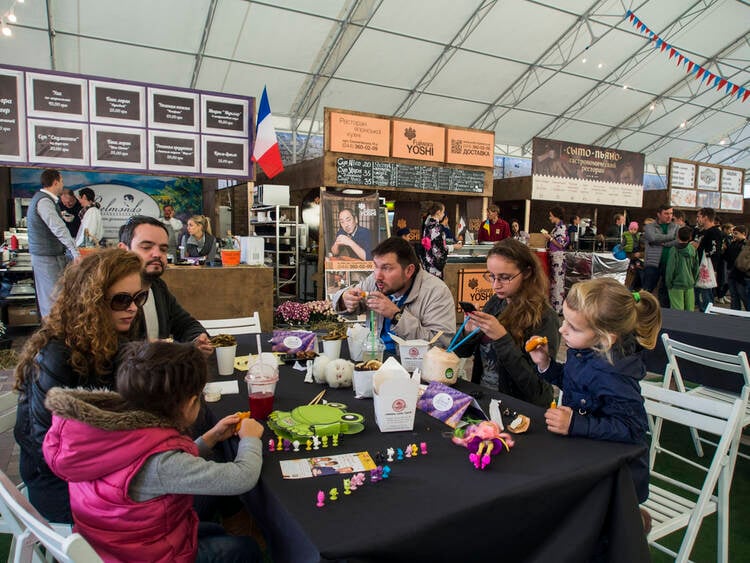
A food tour business organizes guided experiences where participants explore local cuisine by visiting multiple eateries or food-related sites within a city or region.
These tours offer tastings of signature dishes, cultural insights, and behind-the-scenes looks at food preparation, combining entertainment with education.
Food tours appeal to tourists and locals alike, capitalizing on the growing global food tourism market, which was valued at approximately $200 billion in 2025 and is expected to grow by 8% annually.

The business typically collaborates with restaurants, food artisans, and markets to create curated routes that showcase diverse flavors.
Steps on How to Start a Food Tour Business

-
Conduct Market Research
Conducting market research for a food tour business begins with identifying your target audience.
Consider demographics such as age, income level, interests, and travel habits to understand who is most likely to participate in your tours.
For example, food tourists often include millennials and baby boomers who seek authentic local experiences.
Use surveys, interviews, and online questionnaires to gather data directly from potential customers about their preferences, expectations, and willingness to pay for food tours.
Next, analyze the competition in your chosen location. Research existing food tour businesses to identify what they offer, their pricing, and customer reviews.
Understanding their strengths and weaknesses will help you find gaps or unique selling points for your own tours.
Visit local restaurants, markets, and food vendors to gauge their interest in partnering and to discover unique culinary experiences that are not yet widely promoted.
Additionally, evaluate market trends by studying the broader food tourism industry.
Use industry reports and data from tourism boards to understand growth areas, popular cuisines, and seasonal patterns.
For instance, sustainable and farm-to-table tours are increasingly popular. Keeping abreast of these trends can help tailor your offerings to current consumer interests.
Finally, assess the economic feasibility by estimating startup costs, potential revenue, and pricing strategies based on your research findings.
This includes calculating expenses like marketing, transportation, permits, and guide salaries.
Combining customer insights, competitor analysis, and financial planning will give you a solid foundation to launch a successful food tour business.
a. Who is the Target Market for the Food Tour Business?
- Tourists and Travelers: Visitors seeking authentic local culinary experiences and cultural immersion during their trips.
- Food Enthusiasts and “Foodies”: Individuals passionate about exploring diverse cuisines, unique flavors, and culinary traditions.
- Millennials and Young Adults: This demographic tends to prioritize experiences over material goods and enjoys social activities like food tours, which can be shared on social media.
- Baby Boomers and Retirees: Many in this group have disposable income and time to travel and appreciate culturally rich, leisurely activities such as food tours.
- Local Residents: People interested in learning more about their city’s food culture or looking for new dining experiences and social outings.
- Corporate Groups and Event Planners: Companies or organizations seeking unique team-building activities or client entertainment options.
b. Is Food Tour Business a Profitable Business?
The food tour business can be highly profitable, benefiting from the growing global food tourism market valued at around $200 billion in 2025, with an 8% annual growth rate.
Operators typically charge $50 to $100 per participant, with low overhead costs compared to traditional restaurants.
Success depends on strong marketing and unique experiences, enabling businesses to generate steady income through repeat customers and group bookings.
c. Are There Existing Niches in the Industry?
No, there are no existing niches when it comes to the food tour business.
d. Who are the Major Competitors?
- Foods of New York Tours – New York, NY
- Secret Food Tours – Multiple Cities
- Chicago Food Planet – Chicago, IL
- Savannah Taste Experience – Savannah, GA
- San Francisco Food Tour – San Francisco, CA
- Philly Food Tours – Philadelphia, PA
- Taste Chicago Food Tours – Chicago, IL
- Eat Austin Food Tours – Austin, TX
- Fork & Walk Tours – New Orleans, LA
- The Boston Foodie Tours – Boston, MA
- Charleston Culinary Tours – Charleston, SC
- Seattle Food Tour – Seattle, WA
- Portland Food Adventures – Portland, OR
- Miami Culinary Tours – Miami, FL
- DC Metro Food Tours – Washington, DC
- Taste of Nashville Food Tours – Nashville, TN
- Denver Food Tours – Denver, CO
- LA Food Tours – Los Angeles, CA
- Taste the Bronx Food Tours – Bronx, NY
- Pittsburgh Food Tours – Pittsburgh, PA.
e. Are There County or State Regulations or Zoning Laws for Food Tour Businesses in the United States?
Yes, food tour businesses in the United States must comply with various county and state regulations and zoning laws.
Since these businesses involve food handling, preparation, and transportation, they are subject to health and safety standards regulated by local health departments.
Operators often need permits or licenses related to food service, temporary food events, or mobile food vending, depending on how the tours operate.
Zoning laws also impact food tour businesses, especially when tours include visits to commercial kitchens, food trucks, or outdoor markets.
Certain zones may restrict commercial activities or require special permits for gatherings or events.
Food tour operators need to verify that all tour stops are legally authorized to serve food and hold the necessary permits.
Additionally, some cities or counties may have restrictions on group sizes or noise levels during tours. Business licensing is another consideration.
Food tour companies typically must register their business with state or local authorities and obtain a general business license.
Insurance requirements, such as liability insurance, may also be mandated to protect against potential risks during tours.
f. Is There a Franchise for Food Tour Business?
No, there are no franchise opportunities for a food tour business.
g. What Do You Need to Start a Food Tour Business?
- Comprehensive knowledge of local food culture and cuisine
- Strong relationships with local restaurants, markets, and food vendors
- Necessary business licenses and permits
- A unique tour route or itinerary
- Marketing and promotional strategy to attract customers
- Insurance
- Reliable transportation for tour participants (if applicable)
- Trained and personable tour guides or staff
- Booking and payment system for customer reservations
- Safety and hygiene protocols to ensure food safety during tours.
-
Choose a Memorable Business Name
When looking to start a business, before you can begin to file the necessary documents with the constituted authorities or start your website, it is necessary that you come up with a name that you will be recognized with.
It is essential that the name you come up with can easily be pronounced, is unique and easily memorable.
Some of the catchy business name ideas suitable for a food tour business are;
- Elsie Morgan™ Food Tour Company, LLC
- Rose Peters© Food Tour Company, Inc.
- Shannel Usborne™ Food Tour Company, Inc.
- Dover Dickson© Food Tour Company, Inc.
- Sharon John® Food Tour Company, Inc.
- Kensington Grande™ Food Tour Company, Inc.
- Diana Fischer© Food Tour Company, LLC
- Jennings Parkson© Food Tour Company, LLC
- Marrion McDonnel™ Food Tour Company, Inc.
- Jamie McDaris© Food Tour Company, Inc.
- Shavonne Wallace® Food Tour Company, Inc.
- Jacqueline Signature™ Food Tour Company, Inc.
- Mason Whites© Food Tour Company, LLC
- Shannon Showman™ Food Tour Company, Inc.
- Wilkerson Signature™ Food Tour Company, Inc.
- Rowey Iverson® Food Tour Company, Inc.
- Jill McDonagh© Food Tour Company, Inc.
- Hyacinthe Clinton® Food Tour Company, LLC
- Ricky Jones™ Food Tour Company, Inc.
- Irene Pooja® Food Tour Company, Inc.
-
Register Your Business
a. What Type of Business Structure is Best for a Food Tour Business?
The best business structure for a food tour business depends on several factors, including the size of the business, the number of owners, and the level of personal liability exposure the owners are willing to accept.
However, we usually recommend a limited liability company (LLC). An LLC is a popular choice for startup businesses because it offers personal liability protection for the owners while allowing them to be taxed as a pass-through entity.
This means that the profits and losses of the business are passed through to the owners’ personal tax returns, avoiding double taxation.
b. Steps to Form an LLC
- Choose a Name for Your LLC.
- File Articles of Organization.
- Choose a registered agent.
- Decide on member vs. manager management.
- Create an LLC operating agreement.
- Comply with other tax and regulatory requirements.
- File annual reports.
c. What Type of License is Needed to Open a Food Tour Business?
- Business License (general operating license)
- Food Handling or Food Service Permit
- Mobile Vendor Permit (if using food trucks or mobile food units)
- Health Department Permit or Inspection Approval
- Special Event or Temporary Food Permit (for pop-up tours or events).
d. What Type of Certification is Needed to Open a Food Tour Business?
- Food Handler Certification
- ServSafe Food Protection Manager Certification
- First Aid and CPR Certification
- Tour Guide or Hospitality Training Certification
- COVID-19 Safety and Sanitation Training Certification.
e. What Documents are Needed to Open a Food Tour Business?
- Business plan
- Business license
- Food handling permits
- Health department inspection reports
- Liability insurance policy
- Vendor agreements or contracts
- Tax identification number (EIN)
- Proof of business registration
- Zoning permits or approvals
- Employee records and certifications
- Tour route permits (if required)
- Booking and payment system documentation
- Safety and sanitation protocols
- Marketing and promotional materials
- Financial statements or funding documents.
f. Do You Need a Trademark, Copyright, or Patent?
For a food tour business, obtaining a trademark is often the most relevant form of intellectual property protection.
A trademark protects your brand name, logo, or slogan, helping to distinguish your business from competitors and build customer recognition.
Registering a trademark with the U.S. Patent and Trademark Office (USPTO) provides legal rights and the ability to enforce your brand identity nationwide.
Copyright protection is less commonly needed for food tours but may apply to original content you create, such as brochures, websites, or marketing materials.
Patents are generally not applicable to food tour businesses because they protect inventions, processes, or unique products rather than services or branding.
-
Cost Analysis and Budgeting
a. How Much Does It Cost to Start a Food Tour Business?
The cost to start a food tour business can vary widely depending on factors such as the size of the business, location, staffing costs, marketing expenses, and more.
However, a rough estimate could range from $15,000 to $150,000 or more, depending on the size and scope of the business.
b. What are the Costs Involved in Starting a Food Tour Business
- Business Licensing and Permits – $200 to $1,000
- Liability Insurance – $500 to $2,000 annually
- Marketing and Advertising – $1,000 to $5,000
- Website Development and Booking System – $1,000 to $3,000
- Transportation (if needed) – $5,000 to $20,000 (purchase or lease)
- Staff Salaries or Guide Fees – $15 to $25 per hour per guide
- Food Sampling Costs – $500 to $2,000 (initial partnerships or tastings)
- Office Supplies and Equipment – $300 to $1,000
- Uniforms or Branding Materials – $200 to $800
- Legal and Consulting Fees – $500 to $2,500.
c. What Factors Determine the Cost of Opening a Food Tour Business?
- Location and local regulations
- Size and scope of the tour
- Number of participants per tour
- Transportation needs and costs
- Marketing and advertising budget
- Partnerships with restaurants and vendors
- Staffing and guide compensation.
d. Do You Need to Build a Facility? If YES, How Much Will It Cost?
It is not mandatory to build a new facility for your food tour business because the core service revolves around guiding participants to existing restaurants, markets, and food vendors.
The business leverages established food locations rather than producing or serving food onsite.
e. What are the Ongoing Expenses of a Food Tour Business?
- Staff or guide wages
- Marketing and advertising costs
- Insurance premiums
- Transportation and vehicle maintenance
- Food tasting or sampling costs with partner vendors
- Permits and license renewals
- Uniforms or branded materials maintenance
- Income taxes, sales taxes, and any other applicable taxes based on your business income and location.
- Costs for software tools, apps, and platforms that help you manage your business operations
- Expenses for office supplies like paper, pens, printer ink, and other materials needed for administrative tasks.
- Fees associated with accepting payments online, such as credit card processing fees or platform transaction fees
- Miscellaneous operational costs (e.g., customer refreshments, safety supplies).
f. What is the Average Salary of your Staff?
- Tour Manager/Director – $50,000 to $70,000 per year
- Senior Tour Guide – $35,000 to $50,000 per year
- Tour Guide – $25,000 to $35,000 per year
- Marketing Coordinator – $30,000 to $45,000 per year
- Customer Service Representative – $20,000 to $30,000 per year.
g. How Do You Get Funding to Start a Food Tour Business
- Raising money from personal savings and the sale of personal stocks and properties
- Raising money from investors and business partners
- Sell shares to interested investors
- Applying for a loan from your bank/banks
- Pitching your business idea and applying for business grants and seed funding from, government, donor organizations, and angel investors
- Source for soft loans from your family members and your friends.
-
Write a Business Plan
a. Executive Summary
Sharon Marion® Food Tour Company, Inc., based in Los Angeles, California, is a vibrant business specializing in curated culinary experiences that showcase the city’s diverse food culture.
The company offers guided tours to local eateries, markets, and hidden gems, providing participants with authentic tastings and cultural insights.
By focusing on quality, unique routes, and exceptional customer service, Sharon Marion® Food Tour Company aims to become a leading brand in the competitive food tourism market.
The business targets food enthusiasts, tourists, and locals seeking memorable dining adventures.
Leveraging Los Angeles’s rich culinary landscape, the company plans strategic partnerships with top restaurants and vendors to create exclusive experiences.
With a scalable model, Sharon Marion® is poised for growth through expanded tour offerings and digital marketing efforts to reach a broad audience.
Financially, the company projects steady revenue growth by charging $75 to $100 per participant and maintaining efficient operational costs.
Combined with a strong brand presence and expert guides, Sharon Marion® Food Tour Company, Inc. is well-positioned for long-term success in the expanding food tourism industry.
b. Products and Services
Sharon Marion® Food Tour Company, Inc. offers expertly guided culinary tours across Los Angeles, showcasing diverse local flavors through visits to restaurants, markets, and hidden food gems.
Our services include curated tasting experiences, cultural storytelling, and personalized group tours designed to provide memorable, authentic food adventures for tourists and locals alike.
c. Mission Statement:
At Sharon Marion® Food Tour Company, Inc., our mission is to celebrate and share Los Angeles’s rich culinary diversity by providing unforgettable, authentic food experiences.
We aim to connect people with local culture through expertly guided tours, fostering community, supporting small businesses, and inspiring a deeper appreciation for the city’s unique flavors and stories.
Vision Statement:
Our vision is to become a leading brand in the food tour industry, known for our exceptional quality, innovative tour experiences, and commitment to authenticity.
We strive to set the standard for customer satisfaction, cultural immersion, and sustainable partnerships, creating memorable journeys that celebrate local cuisine.
d. Goals and Objectives
At Sharon Marion® Food Tour Company, Inc., our goals are to deliver outstanding culinary experiences that highlight the rich diversity of Los Angeles’s food scene.
We aim to build strong partnerships with local vendors, expand our customer base, and maintain high standards of service to ensure every tour is memorable and enjoyable.
Our objectives include increasing tour bookings by 20% annually, developing new themed tours to attract diverse audiences, and enhancing our digital marketing efforts to boost brand visibility.
Additionally, we plan to invest in staff training and community engagement initiatives to strengthen our team’s expertise and foster meaningful connections within the local food culture.
e. Organizational Structure
- Tour Manager/Director
- Senior Tour Guide
- Tour Guide
- Marketing Coordinator
- Customer Service Representative.
Marketing Plan
a. SWOT Analysis
Strength
- Unique Local Expertise: Deep knowledge of Los Angeles’s diverse culinary landscape
- Strong Vendor Relationships: Established partnerships with local restaurants, markets, and food artisans
- Experienced Guides: Skilled and personable tour guides
- Scalable Business Model: Ability to expand with themed tours, private bookings, and corporate events.
- Strong Brand Identity: The trademarked name Sharon Marion® supports brand recognition and trust.
Weakness
- Dependence on Local Vendors: Reliance on third-party food providers may lead to inconsistent quality or availability.
- Seasonal Demand: Business may experience fluctuations tied to tourism seasons and local events.
- Limited Control Over External Factors: Weather, traffic, or public health restrictions can disrupt tours.
- Marketing Budget Constraints: Limited funds for extensive advertising may restrict growth speed.
Opportunities
- Rising Food Tourism Trend: Growing global interest in culinary travel presents expansion potential.
- Digital Expansion: Leveraging online platforms and virtual tours
- Corporate Partnerships: Team-building events and corporate client packages offer new revenue streams.
- Sustainability Focus: Offering eco-friendly or farm-to-table tours aligns with consumer values.
- Local Community Engagement: Collaborations with cultural organizations can deepen market reach and credibility.
Threats
- Intense Competition: Numerous food tour companies in Los Angeles increase market saturation.
- Regulatory Changes: New health or zoning regulations could increase operational costs or limit activities.
- Economic Downturns: Reduced discretionary spending can lower customer participation.
- Pandemic Impact: Ongoing or future public health concerns may restrict group gatherings or travel.
- Vendor Instability: Closure or loss of partner businesses could disrupt tour offerings.
b. How Do Food Tour Businesses Make Money?
Food tour businesses make money primarily by charging participants a fee per tour, typically ranging from $50 to $100.
They generate additional revenue through private group bookings, corporate events, and partnerships with local restaurants that may offer commissions or referral fees.
Efficient cost management, repeat customers, and strong marketing also boost profitability.
Offering unique, engaging experiences encourages positive reviews and word-of-mouth, driving steady growth and income.
c. Payment Options
- Credit and Debit Card Payments
- Mobile Payment Apps (e.g., Apple Pay, Google Pay)
- Online Payment Gateways (e.g., PayPal, Stripe)
- Bank Transfers or ACH Payments
- Cash Payments (on-site)
- Contactless Payment Systems
- Gift Cards or Vouchers.
d. Sales & Advertising Strategies
- Social Media Marketing: Use platforms like Instagram, Facebook, and TikTok to showcase mouthwatering food photos and customer experiences.
- Influencer Partnerships: Collaborate with local food bloggers and influencers to reach wider audiences.
- SEO and Content Marketing: Optimize your website with keywords and publish engaging blog posts about local cuisine and tours.
- Email Marketing: Build a mailing list to share promotions, updates, and exclusive offers.
- Online Travel Platforms: List tours on sites like TripAdvisor, Viator, and Airbnb Experiences.
- Referral Programs: Incentivize customers to refer friends with discounts or freebies.
- Local Partnerships: Partner with hotels, visitor centers, and event organizers for cross-promotion.
- Seasonal Promotions: Offer special deals during holidays, festivals, or slow seasons to boost bookings.
- Customer Reviews: Encourage satisfied customers to leave positive reviews to build trust and attract new clients.
- Paid Advertising: Use targeted ads on Google and social media to reach specific demographics.
Financial Projection
a. How Much Should You Charge for Your Product/Service?
Pricing for food tour services typically ranges between $50 and $100 per participant, depending on factors like location, tour length, and exclusivity.
Consider our costs, target market, and competitor pricing to set a competitive yet profitable rate.
Offering tiered pricing such as group discounts, private tours, or premium experiences can attract a wider audience.
b. How Much Profit Do Food Tour Business Owners Make a Year?
Food tour business owners can make annual profits ranging from $30,000 to over $100,000, depending on factors like location, tour frequency, group size, and pricing.
Efficient operations and strong marketing can boost profitability. Businesses charging $50 to $100 per participant with regular bookings can generate steady income.
However, profit margins vary due to costs such as staff wages, permits, and marketing. Scaling tours and diversifying offerings also enhance revenue potential.
c. What Factors Determine the Amount of Profit to Be Made?
- Tour Pricing and Group Size
- Frequency and Number of Tours Offered
- Operational Costs (staff wages, permits, transportation)
- Marketing Effectiveness and Customer Acquisition
- Partnerships and Vendor Agreements
- Location and Market Demand
- Seasonal Fluctuations and Tourism Trends
- Quality of Customer Experience and Repeat Business
- Competition in the Local Market
- Efficiency in Managing Overhead and Expenses.
d. What is the Profit Margin of a Food Tour Business?
The profit margin for a food tour can range from 10 percent to 30 percent.
e. What is the Sales Forecast?
- First Fiscal Year (FY1): $350,000
- Second Fiscal Year (FY2): $480,000
- Third Fiscal Year (FY3): $650,000
-
Set Up your Shop/Office
a. How Do You Choose a Perfect Location for a Food Tour Business?
- Rich Culinary Scene: Choose an area known for diverse, high-quality restaurants and food vendors.
- Tourist Traffic: Select locations with strong visitor footfall
- Accessibility: Ensure easy access via public transport and parking
- Safety and Comfort: Pick neighborhoods that are safe and comfortable for walking tours.
- Local Partnerships: Favor areas with supportive businesses willing to collaborate on tours.
b. What State and City is Best to Open a Food Tour Business?
- New York City, New York
- Los Angeles, California
- Dallas, Texas
- Miami, Florida
- San Francisco, California
- Chicago, Illinois
- Portland, Oregon
- Nashville, Tennessee
- Austin, Texas
- Seattle, Washington.
c. What Equipment is Needed to Operate a Food Tour Business?
- Mobile devices (smartphones or tablets) for bookings and navigation
- Portable payment processing systems (e.g., card readers)
- Comfortable walking shoes for guides
- Branded uniforms or badges for staff identification
- Transportation (vans, buses, or shuttles if applicable)
- Audio equipment (microphones, portable speakers) for guided tours
- Safety supplies (first aid kit, hand sanitizers)
- Marketing materials (brochures, flyers)
- GPS or mapping tools
- Weather-appropriate gear (umbrellas, rain ponchos).
-
Hire Employees
The decision to hire employees for a food tour business largely depends on the scale and complexity of your operations.
For a small business or sole proprietorship, the owner may manage most tasks, such as planning tours, marketing, customer service, and guiding participants.
However, as the business expands and sales increase, the workload can become overwhelming. At this point, hiring employees or contract staff becomes essential.
This allows the business to maintain quality, improve efficiency, and focus on growth opportunities while providing excellent customer experiences.
-
Launch the Business Proper
Organizing a launch party before officially opening your food tour business is a strategic move to create buzz and build excitement.
It offers a platform to introduce your brand, services, and mission to potential customers in your local community.
By showcasing your food tour business and offering exclusive deals or giveaways, attendees may become loyal customers and even brand ambassadors, spreading the word and encouraging others to support your business.
a. What Makes a Food Tour Business Successful?
- Unique and Engaging Experiences
- Strong Vendor Relationships
- Excellent Customer Service
- Effective Marketing
- Operational Efficiency
b. What Happens During a Typical Day at a Food Tour Business?
A typical day at a food tour business begins with preparation and coordination.
The team reviews the day’s itinerary, confirms bookings, and communicates with partner restaurants and vendors to ensure everything is ready.
Guides prepare materials, such as maps and informational content, and check transportation arrangements if needed.
Customer inquiries and payments are handled through online systems or on-site, ensuring smooth operations.
Before tours begin, staff conduct safety checks and organize groups for an enjoyable experience.
During the tours, guides lead participants through a curated route of eateries and markets, sharing stories and cultural insights while facilitating tastings.
They engage customers, answer questions, and manage timing to maintain a steady flow.
After tours, feedback is collected, and any logistical issues are addressed. The day often ends with marketing activities and planning for upcoming tours.
c. What Skills and Experience Do You Need to Build a Food Tour Business?
- Local Culinary Knowledge
- Business Management Skills
- Marketing and Sales Expertise
- Customer Service Abilities
- Networking and Relationship Building skills
- Problem-solving skills
- Leadership skills