

A furniture store business is a retail operation that sources, displays, and sells furniture and home-furnishing products such as:
Sofas, beds, dining sets, office furniture, and décor to consumers in physical showrooms, online, or both.
It typically involves purchasing inventory from manufacturers, importers, or wholesalers, maintaining a showroom or warehouse, and providing delivery, assembly, and customer service.

The furniture retail sector is a major global industry: in 2023, the worldwide furniture retail market was estimated at over USD 738 billion, with projections reaching USD 921 billion by 2028.
In more specific markets, U.S. furniture and home furnishings stores generated nearly USD 140 billion in sales in 2023.
Steps on How to Start a Furniture Store Business
-
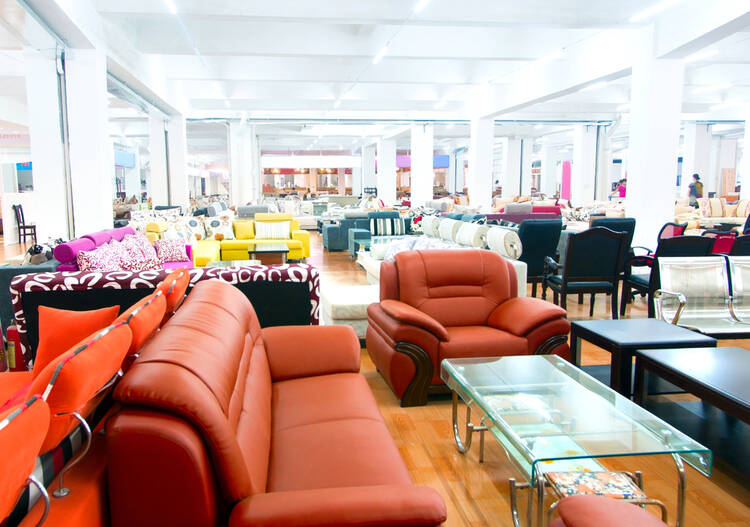
Conduct Market Research
Conducting market research for a furniture store business begins with understanding your target customers.
This includes identifying their demographics, lifestyle preferences, income levels, and buying habits.
Determine whether your customers prefer luxury furniture, budget-friendly options, custom-made pieces, or contemporary designs.
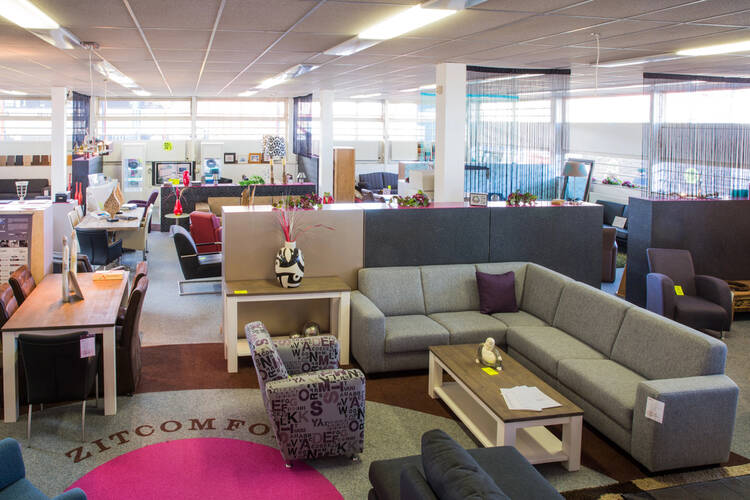
Studying customer behavior helps you tailor your product selection, pricing, and showroom layout to meet real demand.
Next, analyze your competitors to understand the local market landscape. Visit their showrooms, evaluate their product ranges, pricing strategies, branding, and customer service.
Identify their strengths and weaknesses to spot gaps you can fill. This step helps you position your store competitively and create a unique value proposition that stands out.
You should also research your location and demand trends. Study foot traffic, local housing developments, population growth, and the presence of commercial offices.
Neighborhoods with new homes or renovations tend to generate higher furniture demand.
Look into industry reports and furniture market forecasts to understand overall growth opportunities and seasonal sales patterns.
Finally, conduct surveys, interviews, or online polls to gather direct feedback from potential customers.
Ask about their preferred styles, budgets, delivery expectations, and shopping challenges.
Use the information collected to shape your business plan, pricing, marketing, and inventory decisions. Thorough market research builds a strong foundation for long-term success.
a. Who is the Target Market for Furniture Store Business?
- New Homeowners
- Renters Moving Into New Apartments
- Families Upgrading or Expanding Their Living Spaces
- Students Needing Budget-Friendly Furniture
- High-Income Individuals Seeking Luxury or Designer Pieces
- Interior Designers and Home Staging Professionals
- Real Estate Developers and Property Managers
- Hotels, Resorts, and Hospitality Businesses
- Corporate Offices and Commercial Spaces
- Short-Term Rental Owners (Airbnb, VRBO)
- Senior Citizens Downsizing or Moving Into Assisted Living
- Newly Married Couples Setting Up a Home
- Home Decor Shoppers Looking for Complementary Pieces.
b. Is Furniture Store Business a Profitable Business?
Yes, the furniture store business can be profitable, but margins tend to be tight.
Its typical gross profit margin (before expenses) ranges from 35% to 45%.
After subtracting operating costs like rent, staffing, and delivery, the net profit margin often falls to about 3% to 6%.
Some sources put net margins even as high as 5–10%. High markups are common: furniture is often marked up 200% to 400% over wholesale.
So, while it is capital-intensive with high upfront costs, successful furniture retailers can generate solid returns.
c. Are There Existing Niches in the Industry?
Yes, there are niche ideas when it comes to the furniture business, and here are some of them:
- Eco-Friendly and Sustainable Furniture – Focus on furniture made from reclaimed wood, bamboo, or recycled materials.
- Luxury and Designer Furniture – Offers high-end, premium-quality pieces for affluent customers.
- Custom-Made or Bespoke Furniture – Provide tailored designs to fit unique spaces and customer preferences.
- Space-Saving and Multifunctional Furniture – Ideal for apartments, tiny homes, or small living spaces.
- Office and Commercial Furniture – Supply ergonomic chairs, desks, and modular office solutions.
- Children’s and Teen Furniture – Offer safe, durable, and themed furniture for kids and teenagers.
- Outdoor and Patio Furniture – Specializes in weather-resistant pieces for gardens, patios, and decks.
d. Who are the Major Competitors?
- Ashley HomeStore
- IKEA
- Bob’s Discount Furniture
- La‑Z‑Boy
- Raymour & Flanigan
- Rooms To Go
- Living Spaces
- HOM Furniture
- Crate & Barrel
- Ethan Allen
- Restoration Hardware (RH)
- Williams‑Sonoma
- American Freight
- Bassett Furniture
- Natuzzi
- HomeGoods
- Mattress Firm
- Wayfair (online + some showrooms)
- Cramco
- Big Lots (home & furniture).
e. Are There County or State Regulations or Zoning Laws for Furniture store businesses in the United States?
Before opening a store, entrepreneurs must ensure that their chosen location complies with local zoning ordinances, which may restrict retail businesses to commercial or mixed-use areas.
Some zones may also impose limitations on building size, parking spaces, signage, and loading docks, all of which are essential considerations for a furniture store that typically requires significant floor space and delivery access.
In addition to zoning, furniture stores must obtain business licenses and permits from the city or county in which they operate.
These may include a general business license, sales tax permit, occupancy permit, and health and safety approvals.
Compliance with state and local fire codes, accessibility regulations under the Americans with Disabilities Act (ADA), and building codes is also required. Failure to meet these requirements can result in fines or forced closure.
Furniture stores that sell imported products may also need to comply with federal import regulations, tariffs, and labeling requirements.
Stores offering delivery and assembly services must ensure compliance with local transportation and labor laws.
Additionally, environmental regulations may apply if the business handles treated wood, paints, or other chemical products.
Conducting due diligence with city planning offices or a legal advisor helps avoid costly violations and ensures that the business can operate safely, efficiently, and profitably.
f. Is There a Franchise for Furniture Store Business?
Yes, there are franchises for furniture store businesses. Here are 10 furniture store franchises:
- Ashley HomeStore
- La-Z-Boy
- Rooms To Go
- American Freight
- Raymour & Flanigan
- Ethan Allen
- Bassett Furniture
- Furniture Row
- Big Lots (home & furniture segment)
- HomeGoods
g. What Do You Need to Start a Furniture Store Business?
- Business Plan – A detailed plan outlining your target market, inventory, marketing, and financial projections.
- Startup Capital – Funds to cover rent, inventory, staffing, and initial operating expenses.
- Retail Location or Showroom – A strategically located store with enough space to display furniture.
- Business Licenses and Permits – Required legal documents to operate your business legally.
- Inventory and Suppliers – A reliable source of furniture products to stock your store.
- Staffing – Salespeople, delivery personnel, and administrative staff.
- Marketing Strategy – Advertising, social media, and promotional plans to attract customers.
- Point-of-Sale System – For billing, inventory management, and tracking sales.
- Delivery and Logistics – Vehicles or partnerships for transporting furniture to customers.
- Insurance – Coverage for liability, property, and employee protection.
-
Choose a Memorable Business Name
When looking to start a business, before you can begin to file the necessary documents with the constituted authorities or start your website, it is necessary that you come up with a name that you will be recognized with.
It is essential that the name you come up with can easily be pronounced, is unique and easily memorable.
Some of the catchy business name ideas suitable for a furniture store business are;
- Grace Yugo® Furniture Store, Inc.
- Rowe Yorke™ Furniture Store, LLC
- Maurice Adams© Furniture Store, Inc.
- Shawn Miller® Furniture Store, Inc.
- Jack Townsend® Furniture Store, LLC
- Folly Alison™ Furniture Store, Inc.
- Owen Silas® Furniture Store, Inc.
- Creflo Giovani™ Furniture Store, LLC
- Tony Martins© Furniture Store, Inc.
- Theo Blow® Furniture Store, Inc.
- Vintage Ivan® Furniture Store, Inc.
- Three Guys™ Furniture Store, Inc.
- Jose Mario™ Furniture Store, LLC
- John Hannah® Furniture Store, Inc.
- Rose Andrew® Furniture Store, Inc.
- Mark Shannon© Furniture Store Company, Inc.
- West Brownson® Furniture Store, Inc.
- Nicolas Page© Furniture Store, LLC
- Collins Pablo® Furniture Store, Inc.
- Cheap Buy® Furniture Store, Inc.
-
Register Your Business
a. What Type of Business Structure is Best for a Furniture Store Business?
The ideal business structure for a furniture store business is determined by a variety of factors, including the size of the company, the number of owners, the level of personal liability the owners are ready to accept, and the tax consequences of the various business structures.
However, we normally recommend that you start the business with minimal liability.
An LLC is a hybrid corporate form that provides the flexibility of a partnership while also providing its owners with limited liability protection.
An LLC can have one or more owners, and the owners are not personally accountable for the debts or liabilities of the business.
This business form is frequently used for small to medium-sized organizations.
b. Steps to Form an LLC
- Choose a Name for Your LLC.
- File Articles of Organization.
- Choose a registered agent.
- Decide on member vs. manager management.
- Create an LLC operating agreement.
- Comply with other tax and regulatory requirements.
- File annual reports.
c. What Type of License is Needed to Open a Furniture Store Business?
- General Business License
- Sales Tax Permit/Resale Certificate
- Employer Identification Number (EIN)
- Certificate of Occupancy
- Signage Permit
- Zoning Permit
- Health and Safety Permit
- Fire Department Permit
- Import/Export License (if selling imported furniture)
- Workers’ Compensation Insurance Registration.
d. What Type of Certification is Needed to Open a Furniture Store Business?
- Certified Business Enterprise (CBE)
- Occupational Safety and Health Administration (OSHA) Compliance Certification
- Environmental or Sustainability Certification (e.g., FSC for wood products)
- Supplier or Manufacturer Certification (for branded furniture)
- Certified Retail Professional (CRP) or Retail Management Certification.
e. What Documents are Needed to Open a Furniture Store Business?
- Business Plan
- Articles of Incorporation/Organization
- Business License
- Employer Identification Number (EIN)
- Sales Tax Permit/Resale Certificate
- Lease Agreement or Proof of Property Ownership
- Certificate of Occupancy
- Zoning Compliance Documents
- Signage Permit
- Fire Department Clearance/Safety Inspection Certificate
- Insurance Policies (Liability, Property, Workers’ Compensation)
- Bank Account Information/Proof of Capital
- Supplier Agreements/Purchase Orders
- Employee Records and Payroll Setup Documents
- Environmental Compliance or Sustainability Certificates.
f. Do You Need a Trademark, Copyright, or Patent?
For a furniture store business, the need for a trademark, copyright, or patent depends on the specific aspects of your business and the services you provide.
If you have a unique company name, logo, or tagline associated with your furniture business, you might consider registering a trademark. This can help prevent others from using similar marks.
In the context of a furniture store business, you might consider copyright if you have your own unique furniture, create original marketing materials, website content, educational resources, or software.
-
Cost Analysis and Budgeting
a. How Much Does It Cost to Start a Furniture Store Business?
The cost to start a furniture store business can vary widely depending on factors such as the size of the business, location, equipment and supplies needed, staffing costs, marketing expenses, and more.
However, a rough estimate could range from $50,000 to $500,000 or more, depending on the size (number of furniture items and pickup trucks) and scope of the business.
b. What are the Costs Involved in Starting a Furniture Store Business
- Business Registration Fees – $750.
- Legal expenses for obtaining licenses and permits – $7,300.
- Marketing, Branding, and Promotions – $5,000.
- Business Consultant Fee – $2,500.
- Insurance – $5,400.
- Rent/Lease – $60,000.
- Operational Cost (salaries of employees, payments of bills, et al) – $60,000
- start-up inventory – $200,000
- Store Equipment (cash register, security, ventilation, signage) – $4,750
- Website: $600
- Opening party: $3,000
- Miscellaneous: $2,000.
c. What Factors Determine the Cost of Opening a Furniture Store Business?
- Store Location and Rent – Prime locations cost more but attract higher traffic.
- Store Size and Layout – Larger showrooms require more inventory and setup expenses.
- Type of Furniture Sold – Luxury, custom, or budget furniture impacts inventory costs.
- Initial Inventory Volume – More stock requires a higher upfront investment.
- Store Interior Design and Fixtures – Display units, lighting, flooring, and décor add costs.
- Licenses and Permits
- Staffing and Salaries
- Marketing and Branding – Advertising, signage, and promotional campaigns require capital.
- Delivery and Logistics
- Technology and POS Systems – Inventory software, billing systems, and online platforms add costs.
d. Do You Need to Build a Facility? If YES, How Much Will It Cost?
It is not necessary to build a new facility for your furniture store business, especially if you choose to operate from a rented warehouse or store facility.
But, if you have the required finances, it will pay you to build your own warehouse or store facility.
The truth is that building a warehouse or store facility for your business will help you come up with a facility that will perfectly fit into your overall business goals and vision.
e. What are the Ongoing Expenses of a Furniture Store Business?
- Rent or Lease Payments for the Retail Space
- Utilities such as Electricity, Water, and Gas
- Inventory Purchase Costs
- Employee Wages and Benefits
- Marketing and Advertising Expenses
- Maintenance and Repairs for the Store and Equipment
- Insurance Premiums for Property, Liability, and Workers’ Compensation
- Accounting and Bookkeeping Services
- Payment Processing Fees for Credit Card Transactions
- Office Supplies and Miscellaneous Operating Expenses.
f. What is the Average Salary of your Staff?
- Chief Operating Officer (Owner) – $70,000 Per Year
- Store Manager – $50,000 Per Year
- Inventory Manager – $48,000 Per Year
- Purchasing Manager – $47,000 Per Year
- Marketing Coordinator – $45,000 Per Year
- Maintenance Technician – $40,000 Per Year
- Administrative Assistant – $40,000 Per Year
- Sales Associates- $36,000 Per Year.
g. How Do You Get Funding to Start a Furniture Store Business
- Raising money from personal savings and the sale of personal stocks and properties
- Raising money from investors and business partners
- Sell shares to interested investors
- Applying for a loan from your bank/banks
- Pitching your business idea and applying for business grants and seed funding from, government, donor organizations, and angel investors
- Source for soft loans from your family members and your friends.
a. Executive Summary
Alvin McIntosh™ Furniture Store Company, LLC, based in San Francisco, California, is a premium furniture retail business committed to offering high-quality, stylish, and sustainable furniture solutions for homes and offices.
The company aims to provide a wide selection of contemporary, classic, and custom-made furniture, catering to diverse customer preferences.
By combining exceptional customer service, innovative showroom designs, and an easy-to-navigate online platform, Alvin McIntosh™ Furniture Store seeks to create a seamless shopping experience that attracts repeat business and builds strong brand loyalty.
The store’s target market includes new homeowners, young professionals, families upgrading their living spaces, and corporate clients seeking office furnishings.
Located in a high-traffic commercial district, the showroom will feature immersive displays, smart layout designs, and interactive technology to help customers visualize furniture in real-life settings.
Strategic partnerships with local and international suppliers ensure high-quality inventory at competitive prices.
b. Products and Services
Here is a list of products and services that could be offered at Alvin McIntosh™ Furniture Store Company, LLC:
Products
- Living Room Furniture (sofas, recliners, coffee tables)
- Bedroom Furniture (beds, dressers, nightstands)
- Dining Room Sets (tables, chairs, buffets)
- Office Furniture (desks, chairs, storage units)
- Outdoor and Patio Furniture
- Custom-Made Furniture
- Accent Pieces and Home Décor (lamps, rugs, mirrors)
- Children’s and Teen Furniture
- Storage Solutions (closet organizers, shelves, cabinets)
- Mattresses and Bedding
Services
- Home Delivery and Assembly
- Interior Design Consultation
- Custom Furniture Design
- Financing and Payment Plans
- Warranty and After-Sales Support
- Furniture Repair and Restoration Services
- Seasonal Promotions and Special Offers
- Online Ordering and Virtual Showroom Tours.
c. Mission Statement
At Alvin McIntosh™ Furniture Store Company, LLC, our mission is to provide high-quality, stylish, and durable furniture that enhances the comfort and beauty of homes and workplaces.
We are committed to delivering exceptional customer service, personalized design solutions, and sustainable products that reflect our customers’ unique tastes.
By combining innovation, craftsmanship, and convenience, we strive to create a seamless shopping experience that exceeds expectations and builds lasting relationships with every client.
Vision Statement:
Our vision is to become a leading furniture retailer in San Francisco and beyond, recognized for quality, innovation, and customer satisfaction.
We aim to inspire spaces that enrich lives, offering furniture solutions that are both functional and aesthetically pleasing.
Through sustainable practices, community engagement, and a focus on design excellence, we aspire to set new standards in the furniture retail industry while fostering long-term growth and brand loyalty.
d. Goals and Objectives
At Alvin McIntosh™ Furniture Store Company, LLC, our primary goal is to become a leading furniture retailer in San Francisco by offering high-quality, stylish, and sustainable furniture solutions that meet diverse customer needs.
We aim to provide an exceptional shopping experience through well-designed showrooms, personalized service, and an easy-to-navigate online platform, ensuring customer satisfaction and loyalty.
Our objectives include expanding our product range, building strong supplier partnerships, increasing brand awareness through targeted marketing, and achieving consistent revenue growth.
We also focus on community engagement, sustainable practices, and continuous innovation to maintain a competitive edge in the furniture retail market.
e. Organizational Structure
- Chief Operating Officer (Owner)
- Store Manager
- Inventory Manager
- Purchasing Manager
- Marketing Coordinator
- Administrative Assistant
- Maintenance Technician
- Sales Associates.
Marketing Plan
a. SWOT Analysis
Strength
- High-Quality Products – Offering durable, stylish, and sustainable furniture that appeals to premium customers.
- Strategic Location – Showroom located in a high-traffic commercial district in San Francisco for maximum visibility.
- Diverse Product Range – Includes living room, bedroom, office, outdoor, and custom furniture to meet various customer needs.
- Exceptional Customer Service – Personalized design consultation, delivery, assembly, and after-sales support enhance customer loyalty.
- Strong Supplier Relationships – Partnerships with local and international manufacturers ensure quality inventory and competitive pricing.
Weakness
- High Startup Costs – Significant capital required for inventory, showroom, marketing, and staffing.
- Limited Brand Recognition – New business with less visibility compared to established competitors.
- Dependence on Physical Showroom – Heavy reliance on in-store sales may limit online reach initially.
- Inventory Management Complexity – Large product range requires careful stock management to prevent overstock or shortages.
Opportunities
- Growing Demand for Sustainable Furniture – Rising consumer interest in eco-friendly and custom-made products.
- E-Commerce Expansion – Launching an online platform can attract a wider audience beyond San Francisco.
- Corporate and Commercial Clients – Supplying office and hospitality furniture can create additional revenue streams.
- Home Renovation Trends – Increased spending on home décor and interior design post-pandemic.
Threats
- High Competition – Established brands like IKEA, Ashley HomeStore, and La-Z-Boy dominate the market.
- Economic Fluctuations – A Recession or reduced consumer spending can impact sales of premium furniture.
- Rising Supplier Costs – Global supply chain disruptions and import tariffs may increase inventory costs.
- Changing Consumer Preferences – Rapid shifts in design trends require frequent updates to product offerings.
b. How Do Furniture Store Businesses Make Money?
Furniture store businesses make money primarily by buying furniture at wholesale prices and selling at a marked-up retail price, often ranging from 200%–400% above cost.
Revenue streams include in-store sales, online sales, delivery fees, assembly services, and custom furniture orders.
Profitability depends on effective inventory management, marketing, and customer service.
Additional income can come from warranties, furniture repair services, and seasonal promotions, maximizing both sales volume and profit margins.
c. Payment Options
- Credit and debit cards
- PayPal
- Apple Pay and Google Wallet
- Gift cards and store credit
- Installment payments
- Cash
d. Sales & Advertising Strategies
Sales Strategies
- In-Store Promotions – Offer seasonal discounts, bundle deals, and clearance sales to boost foot traffic.
- Upselling and Cross-Selling – Train staff to recommend complementary products like rugs, lamps, or décor items.
- Loyalty Programs – Reward repeat customers with points, discounts, or exclusive offers.
- Financing Options – Provide installment plans or in-house financing to encourage higher-value purchases.
- Corporate and Bulk Sales – Target offices, hotels, and property developers for large orders.
Advertising Strategies
- Social Media Marketing – Leverage platforms like Instagram, Facebook, and Pinterest to showcase products and promotions.
- Search Engine Optimization (SEO) – Optimize your website to appear in local furniture search results.
- Email Marketing – Send newsletters with new arrivals, promotions, and design tips.
- Influencer Partnerships – Collaborate with interior designers or local influencers to increase brand visibility.
- Local Advertising – Use newspapers, radio, billboards, and community events to reach nearby customers.
Financial Projection
a. How Much Should You Charge for Your Product/Service?
Pricing for a furniture store should balance cost, market demand, and profit margins.
Calculate all expenses, including wholesale cost, shipping, overhead, and labor, then add a markup commonly 200% to 400% for furniture.
Consider competitor pricing, product quality, and customer willingness to pay.
Offering premium, custom, or sustainable pieces may justify higher prices, while promotions or bundle deals can attract budget-conscious buyers and increase overall sales volume.
b. How Much Profit Do Furniture Store Business Owners Make a Year?
Furniture store owners typically earn a net profit margin of 3% to 10%, depending on size, location, and product range.
Well-managed stores can generate annual profits from $50,000 to over $200,000, with high-volume or premium retailers earning significantly more.
c. What Factors Determine the Amount of Profit to Be Made?
- Cost of Inventory – Wholesale prices and supplier agreements affect profit margins.
- Pricing Strategy – Markup levels, discounts, and promotions impact overall revenue.
- Location and Foot Traffic – High-traffic areas can drive more sales.
- Operating Expenses – Rent, utilities, staffing, and maintenance reduce net profit.
- Product Range and Quality – Premium or in-demand products often yield higher margins.
- Marketing and Sales Effectiveness – Effective advertising increases sales volume and revenue.
- Customer Service and Retention – Repeat business and loyalty programs enhance long-term profitability.
d. What is the Profit Margin of a Furniture Store Business?
The profit margin for furniture store products typically ranges from 35% to 45% gross margin, with net margins around 3% to 10% after operating expenses.
Higher-end, custom, or designer furniture can yield greater profits, while discounts, promotions, and operational efficiency significantly influence overall profitability.
e. What is the Sales Forecast?
- First Fiscal Year (FY1): $480,000
- Second Fiscal Year (FY2): $800,000
- Third Fiscal Year (FY3): $1.2 million
-
Set Up your Shop/Office
a. How Do You Choose a Perfect Location for a Furniture Store Business?
- High Foot Traffic Areas – Locations near shopping centers or busy streets attract more customers.
- Target Market Proximity – Be close to neighborhoods or communities that match your ideal customer profile.
- Accessibility and Parking – Ensure easy access for customers and delivery trucks, with ample parking spaces.
- Competitor Presence – Analyze nearby furniture stores to gauge competition and market saturation.
- Visibility and Signage – A location with good visibility increases brand awareness and walk-in traffic.
- Rental Costs vs. Budget – Balance prime locations with affordable lease or purchase options.
- Space for Showroom and Storage – Adequate space for displays, inventory, and customer flow is essential.
b. What State and City is Best to Open a Furniture Store Business?
- Miami, Florida
- Chicago, Illinois
- Los Angeles, California
- Las Vegas, Nevada
- New York City, New York
- Fort Worth, Texas
- Seattle, Washington
- Hoboken, New Jersey
- Washington, D.C.
- Nashville, Tennessee
c. What Equipment is Needed to Operate a Furniture Store Business?
- Point-of-Sale (POS) System – For billing, inventory management, and sales tracking.
- Computers and Office Equipment – For administrative tasks, accounting, and online orders.
- Shelving and Display Units – To showcase furniture in an organized and attractive way.
- Delivery Vehicles – Trucks or vans for transporting furniture to customers.
- Warehouse or Storage Racks – To store inventory safely and efficiently.
- Packaging Materials – Bubble wrap, boxes, and protective covers for shipping and delivery.
- Furniture Assembly Tools – Drills, screwdrivers, and hardware for on-site assembly.
- Security Systems – Cameras, alarms, and anti-theft devices to protect inventory.
- Lighting and Fixtures – Proper showroom lighting enhances product display.
- Office Furniture and Supplies – Desks, chairs, filing cabinets, and stationery for operations.
-
Hire Employees
In a furniture store business, hiring employees is important for various reasons.
Firstly, it ensures efficient operation of the store by having staff available to assist customers, maintain cleanliness, and manage inventory.
Secondly, employees contribute to providing excellent customer service, answering inquiries, and processing transactions.
Additionally, having a team allows for better security and theft prevention measures.
Overall, employees play a crucial role in creating a positive shopping experience and driving the success of the furniture store business.
-
Launch the Business Proper
Organizing a launch party for your furniture store business is crucial for several reasons.
Firstly, it generates excitement and buzz around your new venture, attracting potential customers and building anticipation for your opening.
Secondly, it provides an opportunity to showcase your store’s unique offerings and create a memorable experience for attendees.
The truth is that a launch party can help forge connections with the local community, media, and influencers, increasing visibility and fostering goodwill towards your brand, ultimately leading to increased foot traffic and sales.
a. What Makes a Furniture Store Business Successful?
- High-Quality and Diverse Products – Offering durable, stylish, and varied furniture that meets different customer needs.
- Strategic Location – Being situated in high-traffic areas with easy accessibility and ample parking.
- Exceptional Customer Service – Providing personalized consultations, delivery, assembly, and after-sales support to build loyalty.
- Effective Marketing and Branding – Using social media, SEO, advertising, and promotions to attract and retain customers.
- Competitive Pricing and Profit Margins – Balancing affordability with profitability through smart pricing strategies.
- Strong Supplier Relationships – Ensuring consistent quality, timely delivery, and favorable purchasing terms.
- Efficient Operations and Inventory Management – Streamlining stock, logistics, and staff performance to reduce costs and maximize sales.
b. What Happens During a Typical Day at a Furniture Store Business?
A typical day at a furniture store business begins with preparing the showroom employees arrange displays, clean furniture, and ensure all signage and promotional materials are in place.
Staff check inventory levels, process incoming shipments, and organize stock in the warehouse.
Customer service is a central focus, with sales associates greeting visitors, answering questions, providing product information, and guiding clients through selections based on their preferences and budgets.
Throughout the day, transactions are processed through the POS system, while delivery schedules and assembly orders are coordinated.
Management oversees staff performance, handles supplier communications, monitors sales targets, and updates marketing efforts.
The day ends with closing procedures, including reconciling cash registers, securing the store, and preparing reports for inventory, sales, and customer interactions.
c. What Skills and Experience Do You Need to Build a Furniture Store Business?
- Experience in the furniture industry, retail management, including inventory control, sales operations, and customer service.
- Strong business acumen, including knowledge of financial management, marketing strategies, and business planning.
- Skills in merchandising and product display
- The ability to negotiate with suppliers and secure favorable terms for purchasing surplus inventory and returned items.
- Effective sales skills, including the ability to upsell and cross-sell products.
- Excellent customer service skills, such as communication, empathy, and problem-solving.
- Strong organizational skills.
- Knowledge of marketing principles and strategies, including online and offline tactics.
- Leadership skills, including the ability to motivate and inspire staff, delegate tasks, and make sound decisions.
- The ability to adapt to changing market conditions, customer preferences, and business challenges.