
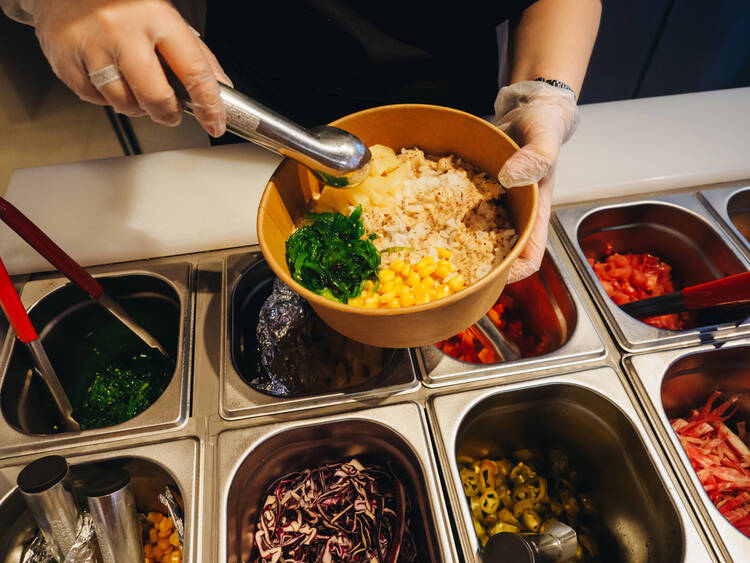
A poke bowl business specializes in serving poke, a traditional Hawaiian dish made of raw, marinated fish (commonly tuna or salmon) served over rice and topped with vegetables, sauces, and seasonings.
The concept has surged in popularity due to its healthy, customizable, and fast-casual appeal.
These businesses typically operate as brick-and-mortar shops, food trucks, or part of cloud kitchens, offering fresh, made-to-order bowls that cater to health-conscious and trend-driven consumers.

According to IBISWorld, the poke restaurant industry in the U.S. has grown rapidly in recent years, generating over $1.4 billion in revenue by 2023, with continued growth projected.
Consumer interest in fresh, nutritious, and globally inspired meals is a key driver of this trend.
Successful poke bowl businesses often emphasize sustainability, fresh ingredients, and visual appeal, tapping into demand from Millennials and Gen Z customers.

Steps on How to Start a Poke Bowl Business
-
Conduct Market Research
Conducting market research for a poke bowl business begins with identifying your target audience.
Understand the demographics of your potential customers, such as age, lifestyle, dietary preferences, and income level.
Poke bowls often appeal to health-conscious individuals, office workers, and younger demographics like Millennials and Gen Z.
Surveys, online polls, or interviews can help gather insights about their eating habits, preferences for flavors or toppings, and how often they dine out or order takeout.
Next, analyze your local competition. Visit nearby poke bowl shops or similar fast-casual restaurants to evaluate their menu offerings, pricing, customer service, and brand positioning. Take note of their busiest hours, foot traffic, and online reviews.
This can help you identify gaps in the market or areas where your business can offer something unique, such as more customizable options, premium ingredients, or faster service.
Study market trends and industry data to understand broader consumer behaviors and economic factors.
Use sources like IBISWorld, Statista, or local business bureaus to explore poke bowl industry growth, revenue forecasts, and health food trends.
This helps you make informed decisions about your business model and long-term viability.
Finally, evaluate your location’s foot traffic, nearby businesses, and food delivery trends.
Understanding the habits of residents or workers helps you determine whether a storefront, food truck, or delivery-only model would be most successful.
a. Who is the Target Market for the Poke Bowl Business?
- Health-Conscious Consumers
People who prioritize fresh, nutritious meals with balanced ingredients are a key audience.
Poke bowls, often made with lean proteins, vegetables, and minimal processing, appeal to those following diets like keto, paleo, or pescatarian.
- Millennials and Gen Z (Ages 18–40)
These younger demographics are trend-driven and value customizable, fast-casual dining experiences.
- Individuals living or working in urban areas.
- Those who frequent gyms or follow active lifestyles.
b. Is Poke Bowl Business a Profitable Business?
Yes, a poke bowl business can be profitable due to its low overhead, high demand, and growing health-conscious customer base.
According to IBISWorld, the U.S. poke restaurant industry generated over $1.4 billion in 2023, with strong annual growth.
Profit margins can range between 15%–25%, especially when operations focus on fresh, scalable ingredients and efficient service.
Its customizable, fast-casual model attracts repeat customers, particularly among Millennials and Gen Z, making it a viable business opportunity.
c. Are There Existing Niches in the Industry?
No, there are no existing niches in the poke bowl industry.
d. Who are the Major Competitors?
- Sweetfin
- Pokéworks
- Aloha Poke Co.
- Hoke Poke
- Poki Bowl
- Island Fin Poké Co.
- Go Fish Poke Bar
- Poke Bar
- Poke House
- LemonShark Poké
- Poke Bros.
- The Poke Spot
- Ono Poké
- Wisefish Poké
- Mainland Poké
- Pokeatery
- Poke-Poke
- Poke Fix
- The Poke Co.
- I Love Poké.
e. Are There County or State Regulations or Zoning Laws for Poke Bowl businesses in the United States?
Yes, there are county and state regulations as well as zoning laws that can apply to poke bowl businesses in the United States.
These regulations and laws are designed to ensure public health and safety, as well as to regulate the operation of businesses to maintain a harmonious community environment.
The specific requirements can vary significantly from one jurisdiction to another, so poke bowl businesses need to be aware of and comply with the relevant regulations.
Compliance with health codes and food safety regulations ensures that the preparation, handling, and serving of poke bowls meet established health standards.
Zoning regulations dictate where certain types of businesses can operate within a given area.
Poke bowl businesses, whether they are restaurants, cafes, or storefront facilities, may need to comply with zoning laws to secure an appropriate location.
Businesses may need to obtain various licenses and permits at the local, county, and state levels.
This can include food service permits, business licenses, and health department permits.
Compliance with building codes ensures that the physical structures used for the poke bowl business meet safety and accessibility standards.
Compliance with environmental regulations, especially if the business involves food production or processing that may have environmental implications.
Proper disposal of waste, including food waste and packaging materials, in accordance with local waste management regulations.
f. Is There a Franchise for Poke Bowl Business?
Yes, there are franchises for poke bowl businesses. Here are ten:
- Pokéworks
- Island Fin Poké Co.
- Aloha Poke Co.
- Sweetfin
- LemonShark Poké
- Poke Bros.
- Poke Bar
- Poki Bowl
- The Poke Company
- Ono Poké.
g. What Do You Need to Start a Poke Bowl Business?
- Business Plan
- Suitable Location
- Necessary Permits and Licenses
- Initial Capital/Funding
- Supplier Contracts
- Commercial Kitchen Equipment
- Inventory Management System
- Skilled Staff
- Point of Sale (POS) System
- Marketing Strategy
- Health and Safety Compliance
- Quality Ingredients.
-
Choose a Memorable Business Name
When looking to start a business, before you can begin to file the necessary documents with the constituted authorities or start your website, it is necessary that you come up with a name that you will be recognized with.
It is essential that the name you come up with can easily be pronounced, is unique and easily memorable.
Some of the catchy business name ideas suitable for a poke bowl business are;
- Princess Baylor® Poke Bowl Bar, Inc.
- Phills Brent™ Poke Bowl Restaurant, LLC
- Jammie Jackson© Poke Bowl Kitchen, Inc.
- Joy Mack® Poke Bowl Café, Inc.
- Blessing Ken® Poke Bowl Bar, LLC
- Leandro April™ Poke Bowl Restaurant, Inc.
- Jacquie Josh® Poke Bowl Restaurant, Inc.
- Jackline Signature™ Poke Bowl Store, LLC
- Lisa Lawrence© Poke Bowl Restaurant, Inc.
- Sharon Anderson® Poke Bowl Bar, Inc.
- Joanne Robsons® Poke Bowl Restaurant, Inc.
- Loreen Thomas™ Poke Bowl Bar, Inc.
- Abby Bradon™ Poke Bowl Restaurant, LLC
- Amie McDade® Poke Bowl Restaurant, Inc.
- Eli Moraiah® Poke Bowl Kitchen, Inc.
- Deborah David© Poke Bowl Café, Inc.
- Ewelina Victory® Poke Bowl Bar, Inc.
- Amber Whyte© Poke Bowl Bar, LLC
- Anjelica Browne® Poke Bowl Restaurant, Inc.
- Queen Angelina® Poke Bowl Bar, Inc.
-
Register Your Business
a. What Type of Business Structure is Best for a Poke Bowl Business?
The ideal business structure for a poke bowl business is determined by a variety of factors, including the size of the company, the number of owners, the level of personal liability the owners are ready to accept, and the tax consequences of the various business structures.
However, we normally recommend that you start the business with minimal liability.
An LLC is a hybrid corporate form that provides the flexibility of a partnership while also providing its owners with limited liability protection.
An LLC can have one or more owners, and the owners are not personally accountable for the debts or liabilities of the business.
This business form is frequently used for small to medium-sized organizations.
b. Steps to Form an LLC
- Choose a Name for Your LLC.
- File Articles of Organization.
- Choose a registered agent.
- Decide on member vs. manager management.
- Create an LLC operating agreement.
- Comply with other tax and regulatory requirements.
- File annual reports.
c. What Type of License is Needed to Open a Poke Bowl Business?
- Business License
- Food Service License
- Health Permit
- Food Handler’s Permit
- Retail Food Establishment License
- Catering License
- Alcohol License (if serving alcoholic beverages)
- Special Event Permit (if offering catering for events)
- Home Occupation Permit (if operating from home)
- Zoning Permit.
d. What Type of Certification is Needed to Open a Poke Bowl Business?
- Health Department Inspection Certification (required before opening)
- ServSafe Certification (or equivalent food safety certification).
e. What Documents are Needed to Open a Poke Bowl Business?
- Business Plan
- Business License Application
- Food Service Permit Application
- Health Inspection Certificate
- Food Safety Plan
- Menu or Product List
- Supplier Agreements/Invoices
- Lease or Rental Agreement for Commercial Space
- Insurance Policies (General Liability, Product Liability)
- Employee Identification Number (EIN) from IRS
- Tax Registration Certificate
- Employee Hiring Documents (if applicable)
- Equipment Purchase/Lease Agreements
- Marketing and Advertising Plans
- Financial Projections and Budgets.
f. Do You Need a Trademark, Copyright, or Patent?
A poke bowl business may or may not need a trademark, copyright, or patent, and this is dependent on the specific products, services, and branding associated with the business.
Be that as it may, a poke bowl business may want to consider obtaining a trademark for its business name or logo.
A poke bowl business may want to consider obtaining a copyright for its original marketing materials or other creative content that it produces.
A poke bowl business may want to consider obtaining a patent if it has invented a unique piece of equipment or technology that is used in its business operations.
-
Cost Analysis and Budgeting
a. How Much Does It Cost to Start a Poke Bowl Business?
The cost to start a poke bowl business can vary widely depending on factors such as the size of the business, location, equipment and supplies needed, staffing costs, marketing expenses, and more.
However, a rough estimate could range from $70,000 to $500,000 or more, depending on the size and scope of the business.
b. What are the Cost Involved in Starting a Poke Bowl Business?
- Business Registration Fees – $750.
- Legal expenses for obtaining licenses and permits – $2,300.
- Marketing, Branding, and Promotions – $2,000.
- Business Consultant Fee – $3,500.
- Insurance – $3,400.
- Rent/Lease – $125,000.
- Other start-up expenses including commercial satellite TV subscriptions, stationery ($500), and phone and utility deposits ($1,800).
- Operational Cost (salaries of employees, payments of bills, et al) – $60,000
- Start-up Inventory – $25,000
- Store Equipment (cash register, security, ventilation, signage) – $2,750
- Furnishing and Equipping the Restaurant and Kitchen – $100,000
- Website: $600
- Opening party: $3,000
- Miscellaneous: $2,000.
c. What Factors Determine the Cost of Opening a Poke Bowl Business?
- The size and type of the poke bowl business
- The choice of location
- The required licenses and permits
- The cost of hiring and paying a business consultant and attorney
- The cost for branding, promotion, and marketing of the poke bowl business
- The cost of furnishing and equipping the poke bowl business
- The cost of the insurance policy covers
- The cost of registering the business
- Source of your supplies and ongoing expenses
- The cost of recruiting and training your staff
- The cost for the purchase and customization of uniforms, shoes, and caps for your employees
- The cost for the grand opening of the poke bowl business.
d. Do You Need to Build a Facility?
It is not necessary to build a new facility for your poke bowl business, especially if you choose to operate from a rented bar, restaurant, or café facility.
But if you have the required finances, it will pay you to build your own facility.
The truth is that building or reconstructing a store, restaurant, or café facility for your poke bowl business will allow you to come up with a facility that will perfectly fit into your overall business goals and vision.
e. What are the Ongoing Expenses of a Poke Bowl Business?
- Rent or Lease Payments
- Utilities such as electricity, water, heating, and cooling.
- Inventory/supplies such as seafood, rice, sauces, vegetables, beverages, packaging materials, utensils, napkins, and cleaning supplies
- Equipment Maintenance and Repairs
- Employee Wages and Benefits
- Marketing and Advertising
- Insurance
- Licenses and permits, such as food service permits and health department certifications.
- Miscellaneous Expenses such as accounting services, legal fees, point-of-sale systems, cleaning supplies, waste disposal services, and general maintenance costs.
f. What is the Average Salary of your Staff?
- Chief Chef (Owner) – $65,000 Per Year
- Restaurant Manager – $40,000 Per Year
- Human Resources and Admin Manager $38,600 Per Year
- Accountants (Cashiers) $37,000 Per Year
- Chef (Cooks) – $40,600 Per Year
- Kitchen Assistants – $30,700 Per Year
- Assistants/ Waiters and Waitresses – $30,000 Per Year
- Cleaners -$28,500 Per Year.
g. How Do You Get Funding to Start a Poke Bowl Business?
- Raising money from personal savings and the sale of personal stocks and properties
- Raising money from investors and business partners
- Sell shares to interested investors
- Applying for a loan from your bank/banks
- Pitching your business idea and applying for business grants and seed funding from the government, donor organizations, and angel investors
- Source for soft loans from your family members and friends.
-
Write a Business Plan
a. Executive Summary
Venice Browne® Poke Bowl Restaurant, Inc. is a vibrant and health-focused fast-casual restaurant based in Orlando, Florida.
The business specializes in customizable poke bowls made with fresh, high-quality ingredients, including sushi-grade fish, vegetables, grains, and signature sauces.
Located in a high-traffic area near offices, universities, and residential neighborhoods, the restaurant is strategically positioned to attract a diverse customer base.
Venice Browne® will also offer online ordering, delivery, and catering services to increase convenience and expand our reach.
Our financial projections are strong, with expected profitability within the first year due to low food costs and efficient operations.
With a solid brand identity, community engagement, and scalable business model, Venice Browne® is positioned for long-term success in the growing poke bowl market.
b. Products and Services
Venice Browne® Poke Bowl Restaurant, Inc. will feature a diverse menu of classic and innovative poke bowl creations made from fresh, high-quality ingredients.
Customers can choose from signature bowls or build their own with a variety of proteins, bases, toppings, and house-made sauces.
The menu will also include vegan and gluten-free options, side dishes, and refreshing beverages, offering something for every palate while promoting health, customization, and bold, globally inspired flavors.
c. Mission Statement
At Venice Browne® Poke Bowl Restaurant, Inc., our mission is to provide delicious, nutritious, and customizable poke bowls using the freshest ingredients.
We are committed to promoting healthy eating habits while delivering exceptional customer experiences in a welcoming, eco-friendly environment.
By prioritizing sustainability, quality, and innovation, we aim to become Orlando’s go-to destination for flavorful, fast-casual dining that satisfies both the body and the taste buds.
Vision Statement
Our vision at Venice Browne® Poke Bowl Restaurant, Inc. is to become a leading fast-casual dining destination in Orlando, renowned for fresh, healthy, and innovative poke bowls.
We strive to inspire a community focused on wellness and sustainability while delivering exceptional quality and service.
Through continuous growth and customer engagement, we aim to expand our brand locally and nationally, setting new standards in the poke bowl industry.
d. Goals and Objectives
At Venice Browne® Poke Bowl Restaurant, Inc., our goals are to establish a strong local presence, build loyal customer relationships, and achieve sustainable growth.
Our objectives include launching with a diverse, appealing menu, securing a prime location in Orlando, and implementing efficient operations to maximize profitability.
We also aim to promote eco-friendly practices, expand our digital ordering and delivery services, and engage actively with the community to foster brand awareness and long-term success.
e. Organizational Structure
- Chief Chef (Owner)
- Restaurant Manager
- Human Resources and Admin Manager
- Accountants (Cashiers)
- Chef (Cooks)
- Kitchen Assistants
- Sales Assistants/Waiters and Waitresses
- Cleaners
-
Marketing Plan
a. SWOT Analysis
Strength
- Fresh, high-quality ingredients: Commitment to sushi-grade fish and fresh produce attracts health-conscious customers.
- Customizable menu: Appeals to diverse dietary preferences including vegan, gluten-free, and keto options.
- Prime location: Situated in a high-traffic area of Orlando near offices and universities, maximizing foot traffic.
- Eco-friendly practices: Use of sustainable packaging and responsible sourcing resonates with environmentally aware consumers.
- Efficient operations: Streamlined processes support fast service, ideal for busy professionals and students.
Weakness
- New brand: As a startup, Venice Browne® lacks brand recognition compared to established competitors.
- Limited menu variety: Focusing on poke bowls might limit appeal to customers seeking more traditional or varied dining options.
- Dependence on fresh seafood: Supply chain disruptions or price fluctuations could impact costs and menu availability.
- Higher price point: Premium ingredients may result in prices that are less competitive in a budget-conscious market.
Opportunities
- Growing health food trend: Increasing demand for nutritious, fast-casual dining aligns with the poke bowl concept.
- Expansion potential: Opportunities to open additional locations or launch a food truck/cloud kitchen model.
- Digital ordering & delivery: Capitalizing on food delivery services can boost sales and reach new customers.
- Community engagement: Partnerships with local gyms, offices, and events can build brand loyalty.
Threats
- Strong competition: Established poke bowl chains and local restaurants may challenge market share.
- Economic downturns: Reduced consumer spending could impact discretionary dining habits.
- Food safety concerns: Risks related to handling raw seafood require strict compliance and can affect reputation.
- Changing regulations: Evolving health codes and sustainability laws may increase operational costs.
b. How Do Poke Bowl Business Make Money?
Poke bowl businesses generate revenue through the sale of customizable poke bowls featuring fresh seafood, proteins, vegetables, and various toppings.
Additional income streams include beverages, side dishes like seaweed salad or edamame, and dessert options. Many also offer catering services, online orders, and delivery fees.
Upselling premium ingredients or combo meals further boosts sales, making diversified menu options and convenience services key drivers of consistent revenue growth.
c. Payment Options
- Credit card
- Debit card
- Cash
- Mobile payment (e.g., Apple Pay, Google Pay)
- Contactless payment
- Gift cards
- Online payment (e.g., PayPal, Venmo).
d. Sales & Advertising Strategies
- Collaborate with nearby businesses and community organizations for cross-promotions, events, and joint marketing efforts.
- Use platforms like Instagram, Facebook, and Twitter to showcase your menu items, share customer testimonials, and engage with your audience.
- Implement a rewards program to encourage repeat business, offering discounts or freebies to loyal customers who frequent the deli.
- Host a grand opening event with special offers, free samples, and live entertainment to draw in the local community and generate buzz.
- Build an email list to send out newsletters, promotions, and updates on new menu items or seasonal specials to keep customers engaged.
- Leverage local newspapers, food bloggers, and social media influencers to review and promote your deli, increasing visibility and credibility.
- Use targeted online ads and local print media to reach specific demographics and geographic areas.
Financial Projection
a. How Much Should You Charge for Your Product/Service?
- Regular Poke Bowl (single protein, standard toppings): $10 – $14
- Large or Premium Poke Bowl (extra protein, specialty toppings): $14 – $18
Build-Your-Own Bowl (priced per ingredient):
- Base (rice, greens): $2 – $3
- Protein (tuna, salmon, tofu): $4 – $7
- Toppings (vegetables, seaweed, avocado): $1 – $3 each
- Sauces: usually included or $0.50 – $1 each
Side Dishes (edamame, seaweed salad, miso soup): $3 – $6
Beverages (bottled water, specialty drinks): $2 – $5
Desserts (mochi, ice cream): $3 – $6.
b. How Much Profit Do Poke Bowl Business Owners Make a Year?
The annual profit for owners of a poke bowl business varies widely and depends on factors such as business size, location, operational efficiency, and marketing success.
On average, small to medium-sized poke bowl businesses may generate a profit ranging from tens of thousands to several hundred thousand dollars per year.
Strategic pricing, effective cost management, and a strong customer base contribute to the overall profitability of poke bowl businesses in the competitive beverage market.
c. What Factors Determine the Amount of Profit to Be Made?
- Location: The location affects foot traffic, rental costs, and local competition, all of which influence profitability.
- Pricing Strategy: Setting competitive and profitable prices for menu items while balancing quality and cost impacts overall revenue and margins.
- Operational Efficiency: Effective management of inventory, labor, and overhead costs contributes to higher profit margins.
- Customer Base: Attracting and retaining a loyal customer base through quality service, marketing, and community engagement can drive consistent sales.
- Menu Offerings: The variety and appeal of the menu, including seasonal and specialty items, can affect customer satisfaction and revenue potential.
d. What is the Profit Margin of a Poke Bowl Business?
Profit margins for poke bowl businesses typically range from 20% to 30% of total revenue.
However, it is important to note that these figures can vary based on factors such as the size of the business, cost structure, efficiency of operations, competition, and market demand.
e. What is the Sales Forecast?
- First Fiscal Year (FY1): $380,000
- Second Fiscal Year (FY2): $450,000
- Third Fiscal Year (FY3): $500,000
-
Set Up Your Shop/Office
a. How Do You Choose a Perfect Location for a Poke Bowl Business?
- Choose a location with high foot traffic, such as busy streets, shopping districts, or office areas.
- Consider the demographics of your target market. If your poke bowl business caters to office workers, a location near business districts might be ideal.
- Conduct thorough market research to assess the presence of competitors in the area.
- Ensure easy accessibility for customers, whether on foot, by car, or by public transportation.
- Evaluate the overall business environment in the chosen location. Assess the economic vitality, community culture, and local regulations.
b. What State and City is Best to Open a Poke Bowl Business?
- New York City, New York
- Los Angeles, California
- Chicago, Illinois
- San Francisco, California
- Austin, Texas
- Portland, Oregon
- Seattle, Washington
- Denver, Colorado
- Charleston, South Carolina
- Nashville, Tennessee.
c. What Equipment is Needed to Operate a Poke Bowl Business?
- Refrigeration Units: Display cases, walk-in coolers, and freezers.
- Cooking Equipment: Grills, ovens, and toasters.
- Food Preparation Tools: Slicers, mixers, and food processors.
- Workstations: Prep tables and cutting boards.
- Storage Solutions: Shelving and storage bins.
- Point of Sale (POS) System: Register and payment processing equipment.
- Dishwashing Equipment: Dishwashers and sinks.
- Serving Utensils: Tongs, ladles, and spatulas.
- Packaging Materials: Bags, containers, and wrapping supplies.
- Cleaning Supplies: Mops, brooms, and sanitizers.
- Ventilation Systems: Hoods and exhaust fans.
- Coffee and Beverage Equipment: Coffee makers, espresso machines, and beverage dispensers.
-
Hire Employees
Hiring employees for a poke bowl business is crucial for several reasons. Skilled staff ensure the consistent preparation of high-quality poke bowls, contributing to customer satisfaction and positive reviews.
Employees handle various tasks, from ingredient preparation to customer service, allowing the business owner to focus on strategic aspects of operations.
Efficient staffing enhances productivity, enabling the business to handle high customer demand during peak hours.
A dedicated team contributes to a positive workplace culture, fostering employee loyalty and enhancing the overall success and reputation of the poke bowl business.
8. Launch the Business Proper
Organizing a launch party before opening a new poke bowl business is very important, especially as it relates to creating buzz and building a positive brand image.
The event serves as a strategic marketing tool, attracting potential customers, local influencers, and the community.
It provides a platform to showcase the business’s unique offerings, allowing attendees to experience the product firsthand.
A well-executed launch party generates excitement, fosters word-of-mouth marketing, and establishes initial customer loyalty.
In addition, it offers an opportunity to gather valuable feedback, make connections with the local community, and create a memorable first impression.
a. What Makes a Poke Bowl Business Successful?
- Offering fresh, flavorful, and well-prepared food (poke bowl) that meets or exceeds customer expectations.
- Providing friendly, attentive, and efficient service to build a loyal customer base.
- Utilizing targeted advertising, social media, and community engagement to attract and retain customers.
- Choosing a high-traffic area with good visibility and accessibility to maximize customer footfall.
- Managing inventory, labor, and costs effectively to maintain profitability and streamline operations.
- Leverage all available online and offline platforms to promote your poke bowl business
b. What Happens During a Typical Day at a Poke Bowl Business?
- The business is open for the day’s work
- The restaurant’s serving area and kitchen are cleaned and ready for the day’s business
- Food ingredients are purchased, washed, and ready for use, or cooked
- Customer’s orders are taken, and they are served or their orders are delivered to them
- The cashier collects cash and reconciles the account for the day
- Administrative duties are carried out
- The store or warehouse is restocked as required.
- The business is closed for the day.
c. What Skills and Experience Do You Need to Build a Poke Bowl Business?
- Proficiency in poke bowl preparation, including knowledge of diverse cooking techniques, flavor combinations, and the ability to create a variety of poke bowls.
- Understanding of business operations, including budgeting, inventory management, and strategic planning for sustainable growth.
- Skill in creating a diverse and appealing poke bowl menu that caters to different tastes, dietary preferences, and seasonal variations.
- Knowledge of sourcing high-quality, fresh, and local ingredients to ensure the quality of the poke bowls.
- Strong interpersonal skills to provide excellent customer service, understand customer preferences, and handle inquiries and feedback effectively.
- Ability to lead and manage a kitchen team, ensuring a smooth workflow, efficient collaboration, and a positive work environment.
- Flexibility to adapt to changing market trends, customer preferences, and seasonal variations in ingredients.
- Skills in developing and implementing marketing strategies to promote the poke bowl business, attract customers, and increase brand visibility.
- Knowledge of and commitment to health and safety regulations in the food industry, ensuring a clean and compliant kitchen.
- Basic financial literacy to manage budgets, track expenses, and set pricing strategies that ensure profitability.