
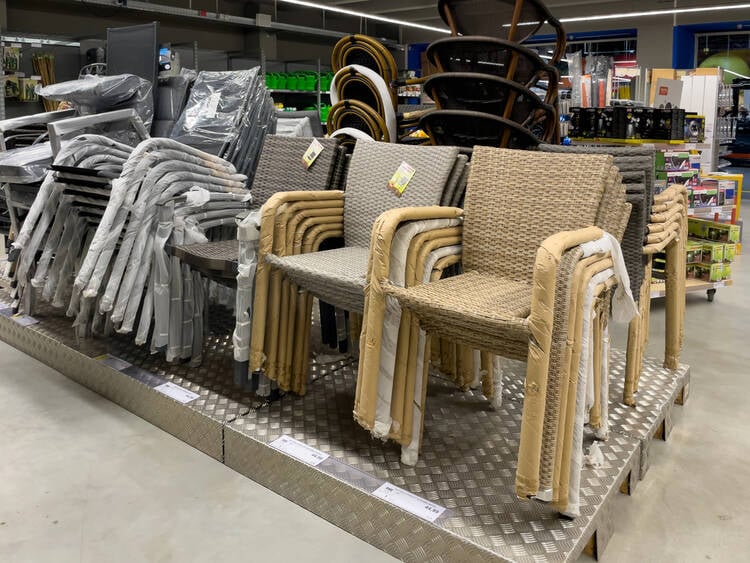
A rent-to-own furniture business lets customers take furniture home immediately while making regular lease payments that can convert to ownership after completing the contract.
Companies provide delivery, maintenance, and flexible qualifying rules (often without credit checks), making high-cost items accessible to renters or lower-income shoppers.
Contracts may include higher overall costs than buying outright and potential repossession for missed payments.

The rent-to-own and furniture rental sector is sizable and growing: the global rent-to-own market was estimated at about $100.9 billion in 2024, while furniture-specific platforms were valued at $6 to 7 billion in 2024.
In the U.S., furniture rental generated roughly $8.4 billion in 2022; analysts forecast continued mid-single-digit CAGR growth as consumers embrace flexible ownership models.
Studies show users are often younger, lower-income renters with children and urban residents.
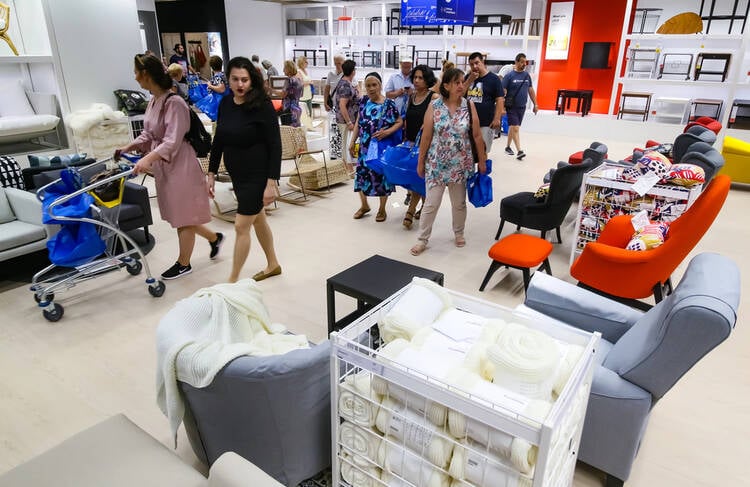
Steps on How to Start a Rent-to-Own Furniture Business
-
Conduct Market Research
Conducting market research for a rent-to-own furniture business starts with understanding your target customers. Identify who is most likely to use a rent-to-own service.

Analyze their income ranges, lifestyle preferences, and purchasing habits to determine what price points, furniture styles, and contract terms appeal most to them.
Next, study your competitors. Look at established rent-to-own companies in your area as well as online providers offering similar services.
Examine their pricing models, product selection, delivery policies, contract structures, and customer reviews.
This helps you discover what customers appreciate and where competitors fall short, giving you opportunities to offer better terms, improved quality, or more attractive financing.
Evaluate local housing trends, rental rates, population growth, and household mobility.
Areas with a high number of renters, students, or transient workers tend to generate strong demand for rent-to-own furniture.
Visit local neighborhoods, review community demographics, and analyze economic indicators to ensure sufficient customer potential.
Finally, gather firsthand insights through surveys, interviews, and online questionnaires.
Ask potential customers about their furniture needs, preferred payment plans, and reasons for choosing rent-to-own.
Combine these insights with competitor analysis and demographic data to create a strong, evidence-based business strategy.
a. Who is the Target Market for the Rent to Own Furniture Business?
- Low to moderate-income households that cannot afford large upfront payments.
- People with limited or poor credit history who need flexible financing options.
- New immigrants who are still settling and need affordable furnishing options.
- Students and young adults moving into their first apartments.
- Renters who frequently move and prefer flexible or temporary furnishing solutions.
- Single parents and young families who need essential home items quickly.
- Individuals facing temporary financial hardship who need short-term payment relief.
- Customers needing emergency replacements for damaged or outdated furniture.
- Urban residents who prioritize convenience and delivery services.
- People without access to traditional bank financing or credit cards.
b. Is Rent-to-Own Furniture Business Profitable?
Yes, a rent-to-own furniture business can be quite profitable. The global rent-to-own market was valued at about US$100.9 billion in 2024, growing steadily.
The specific furniture rent-to-own platform market was estimated at US$7.3 billion in 2024, with a projected CAGR of 8.1%.
On the operational side, the larger consumer-goods rental industry (including furniture) in Canada reported a 22.6% operating profit margin in 2023. These figures suggest strong growth potential and sustainable margins.
c. Are There Existing Niches in the Industry?
Yes, there are niche ideas when it comes to the business, and here are some of them:
- Rent-to-Own Luxury or Designer Furniture: Targets customers who want premium pieces but prefer flexible payments.
- Rent-to-Own Furniture for Students and Young Adults: Short-term rental or ownership plans tailored to dorms and first apartments.
- Rent-to-Own Office and Home-Office Furniture: Serves remote workers, startups, and small businesses needing affordable setups.
- Rent-to-Own Furniture for Staging Homes: Provides temporary, stylish furniture for real estate agents and home stagers.
d. Who are the Major Competitors?
- Aaron’s
- Rent-A-Center
- Buddy’s Home Furnishings
- FlexShopper
- RAC Acceptance (Preferred Lease)
- Rent One
- Rent-2-Own
- Easyhome
- Home Choice
- Premier Rental-Purchase
- Ace Rent-A-Car & Furniture (regional)
- Badcock Home Furniture &more (lease-to-own options)
- Conn’s HomePlus (lease-to-own through third-party partners)
- Value City Furniture (lease-to-own options)
- American Freight (lease-to-own available)
- Bob’s Discount Furniture (lease-to-own options)
- Cort Furniture Rental (rent-to-own options in some locations)
- Rent King
- Full House Rent-to-Own
- Majik Rent-to-Own.
e. Are There County or State Regulations or Zoning Laws for Rent to Own Furniture Business in the United States?
Yes. Rent-to-own furniture businesses in the United States must follow several county, state, and federal regulations.
These rules help protect consumers, ensure transparent contract terms, and regulate how rental-purchase agreements are structured.
Most states have laws governing disclosure requirements, payment terms, repossession procedures, and contract cancellation rights.
These laws are similar to consumer protection statutes that apply to leasing and financing businesses.
At the county level, zoning laws regulate where a rent-to-own furniture business can operate.
Local authorities may restrict such businesses to commercial or retail zones, ensuring they do not operate in residential neighborhoods.
Some counties may require special use permits, signage approvals, or compliance inspections before opening a storefront or warehouse facility.
States also regulate licensing and taxation. Businesses typically need a sales tax permit, retail license, and sometimes additional registration if offering financing-like arrangements.
Some states, like Wisconsin, Minnesota, and New Jersey, have specific rental-purchase statutes that outline how rent-to-own contracts must be written and enforced.
These states often require clear disclosure of total cost and customer rights.
Finally, health and safety standards may apply to warehouses and delivery operations.
Fire codes, storage regulations, and delivery vehicle compliance all fall under local and state oversight, ensuring safe operations for both employees and customers.
f. Is There a Franchise for Rent to Own Furniture Business?
Yes, there are franchises for rent to own furniture businesses. Here are some of them:
- Aaron’s
- Rent-A-Center
- ColorTyme (subsidiary of Rent-A-Center)
- Buddy’s Home Furnishings
- Franchise Voice
- Premier Rental-Purchase.
g. What Do You Need to Start a Rent-to-Own Furniture Business?
- Business registration and required licenses
- Startup capital or financing
- A retail storefront or warehouse
- Supplier relationships for furniture inventory
- Delivery vehicles and logistics systems
- Rent-to-own contract templates and legal compliance
- Point-of-sale and inventory management software
- Employee team for sales, delivery, and customer service
- Marketing and branding materials
- Insurance coverage (liability, property, vehicle, and business insurance).
-
Choose a Memorable Business Name
When looking to start a business, before you can begin to file the necessary documents with the constituted authorities or start your website, it is necessary that you come up with a name that you will be recognized with.
It is essential that the name you come up with can easily be pronounced, is unique and easily memorable.
Some of the catchy business name ideas suitable for a rent-to-own furniture business are;
- Mark Terry® Rent to Own Furniture, Inc.
- Rowe Yorke™ Rent to Own Furniture, LLC
- Maurice Adams© Rent to Own Furniture, Inc.
- Shawn Miller® Rent to Own Furniture, Inc.
- Jack Townsend® Rent to Own Furniture, LLC
- Folly Alison™ Rent to Own Furniture, Inc.
- Owen Silas® Rent to Own Furniture, Inc.
- Creflo Giovani™ Rent to Own Furniture, LLC
- Tony Martins© Rent to Own Furniture, Inc.
- Theo Blow® Rent to Own Furniture, Inc.
- Vintage Ivan® Rent to Own Furniture, Inc.
- Cuban Guys™ Rent to Own Furniture, Inc.
- Jose Mario™ Rent to Own Furniture, LLC
- John Hannah® Rent to Own Furniture, Inc.
- Rose Andrew® Rent to Own Furniture, Inc.
- Mark Shannon© Rent to Own Furniture Company, Inc.
- West Brownson® Rent to Own Furniture, Inc.
- John Wayne© Rent to Own Furniture, LLC
- Cally London® Rent to Own Furniture, Inc.
- Leo Dennis® Rent to Own Furniture, Inc.
-
Register Your Business
a. What Type of Business Structure is Best for Rent to Own Furniture Business?
The ideal business structure for a rent-to-own furniture business is determined by a variety of factors, including the size of the company, the number of owners, the level of personal liability the owners are ready to accept, and the tax consequences of the various business structures.
However, we normally recommend that you start the business with minimal liability.
An LLC is a hybrid corporate form that provides the flexibility of a partnership while also providing its owners with limited liability protection.
An LLC can have one or more owners, and the owners are not personally accountable for the debts or liabilities of the business.
This business form is frequently used for small to medium-sized organizations.
b. Steps to Form an LLC
- Choose a Name for Your LLC.
- File Articles of Organization.
- Choose a registered agent.
- Decide on member vs. manager management.
- Create an LLC operating agreement.
- Comply with other tax and regulatory requirements.
- File annual reports.
c. What Type of License is Needed to Open a Rent-to-Own Furniture Business?
- Business License (general operating license)
- Retail Sales Tax Permit (to collect state/local sales tax)
- Reseller Permit (to buy furniture inventory tax-exempt)
- Lease/Rental Business Permit (required in some states for rental-purchase businesses)
- Zoning/Occupancy Permit (to operate in a commercial zone)
- Secondhand Dealer License (if you sell or rent refurbished/used furniture)
- DBA/Fictitious Name Registration (if operating under a trade name)
- Commercial Vehicle Permit (for delivery trucks used in the business).
d. What Type of Certification is Needed to Open a Rent-to-Own Furniture Business?
- Business or Professional Certification
- Consumer Credit or Leasing Certification
- Safety and Handling Certification.
e. What Documents are Needed to Open a Rent-to-Own Furniture Business?
- Business registration certificate
- Employer Identification Number (EIN)
- Business license
- Sales tax permit
- Reseller certificate
- Lease or rental agreement for business location
- Zoning approval or occupancy permit
- Articles of incorporation or organization
- Operating agreement (for LLCs)
- Rent-to-own contract templates
- Insurance policies (liability, property, vehicle)
- Employee identification and tax forms (W-4, I-9)
- Supplier or vendor agreements
- Financial statements or business plan
- Vehicle registration and commercial permits for delivery trucks.
f. Do You Need a Trademark, Copyright, or Patent?
For a rent-to-own furniture business, the need for a trademark, copyright, or patent depends on the specific aspects of your business and the services you provide.
If you have a unique company name, logo, or tagline associated with the rent-to-own furniture business, you might consider registering a trademark. This can help prevent others from using similar marks.
You might consider copyright if you create original marketing materials, website content, educational resources, or software.
-
Cost Analysis and Budgeting
a. How Much Does It Cost to Start a Rent-to-Own Furniture Business?
Starting a rent-to-own furniture business typically requires $50,000 to $250,000, depending on location, inventory size, and scale.
Costs include storefront or warehouse lease, furniture inventory, delivery vehicles, insurance, licensing, and marketing.
Franchises may require additional initial franchise fees ranging from $10,000 to $50,000, plus ongoing royalty and advertising fees, affecting total startup investment.
b. What are the Costs Involved in Starting a Rent-to-Own Furniture Business
- Inventory/Furniture Stock: $40,000 to $120,000 for starter collection.
- Retail Space/Warehouse Lease: $3,000 to $8,000/month for 3,000–6,000 sq ft.
- Security Deposit & Leasehold: 1‑3 months’ rent upfront + build-out costs.
- Delivery Vehicles: $20,000–$50,000 for 1–2 trucks or vans.
- Software/Management Systems: $2,000–$5,000 for rental‑management software +
- Equipment/Tools: $10,000 to $100,000+ for tools or machinery
- Marketing/Advertising: $1,000 to $10,000+ initially for branding, ads, and website.
- Licenses, Permits & Legal: $500 to $5,000
- Insurance: $500 to $5,000+, depending on coverage.
- Working Capital/Operating Buffer: $50,000 to $150,000.
c. What Factors Determine the Cost of Opening a Rent-to-Own Furniture Business?
- Location and Rent – Costs vary significantly between urban, suburban, and rural areas.
- Inventory Size and Quality – More or higher-end furniture increases startup costs.
- Storefront or Warehouse Requirements – Size, condition, and lease terms affect expenses.
- Delivery Vehicles and Logistics – Number, type, and condition of trucks or vans impact costs.
- Licensing, Permits, and Legal Compliance – State and local regulations may require fees.
- Marketing and Branding – Initial advertising, signage, and online presence contribute to costs.
- Technology and Management Systems – POS, inventory, and rent-to-own software can vary in price.
d. Do You Need to Build a Facility? If YES, How Much Will It Cost?
It is not necessary to build a new facility for your rent-to-own furniture business, especially if you operate from a rented warehouse or store facility.
But if you have the required finances, you can build your own warehouse or store facility.
The truth is that building a store facility for your rent-to-own furniture business will allow you to come up with a facility that will perfectly fit into your overall business goals and vision.
e. What are the Ongoing Expenses of a Rent-to-Own Furniture Business?
- Inventory Replacement and Maintenance – Replacing worn or damaged furniture.
- Rent or Mortgage Payments – For retail storefront or warehouse space.
- Employee Salaries and Benefits – Staff for sales, delivery, and customer service.
- Delivery Vehicle Costs – Fuel, maintenance, and insurance for trucks/vans.
- Utilities – Electricity, water, internet, and phone services.
- Marketing and Advertising – Ongoing promotions, social media, and local campaigns.
- Insurance Premiums – Liability, property, and vehicle coverage.
- Software Subscriptions – Rental management, accounting, and POS systems.
- Loan or Financing Repayments – Payments on business loans or equipment financing.
- Legal and Regulatory Compliance – Fees for permits, audits, or legal consultations.
f. What is the Average Salary of your Staff?
- Store Manager/Branch Manager – $45,000 to $65,000 per year
- Sales Associate/Customer Service Representative – $28,000 to $38,000 per year
- Delivery Driver/Furniture Mover – $30,000 to $42,000 per year
- Warehouse/Inventory Staff – $25,000 to $35,000 per year.
g. How Do You Get Funding to Start a Rent-to-Own Furniture Business
- Raising money from personal savings and the sale of personal stocks and properties
- Raising money from investors and business partners
- Sell shares to interested investors
- Applying for a loan from your bank/banks
- Pitching your business idea and applying for business grants and seed funding from, government, donor organizations, and angel investors
- Source for soft loans from your family members and your friends.
-
Write a Business Plan
a. Executive Summary
Ivan Ferdinand™ Rent to Own Furniture Company, LLC is a Chicago-based business designed to provide flexible, affordable furniture solutions to households, young professionals, students, and families with limited access to traditional financing.
The company will offer a wide range of high-quality home furnishings, including living room, bedroom, and office furniture, through rent-to-own contracts, allowing customers to enjoy immediate use with manageable, periodic payments.
Our business model emphasizes convenience, excellent customer service, and flexible payment plans to build long-term client relationships and loyalty.
Strategically located in Chicago, the company will target urban renters, immigrants, and middle-income households, capitalizing on the city’s high rental population and mobility trends.
Operations will include a retail storefront, warehouse, and delivery service, supported by robust inventory management and customer relationship systems.
With projected strong demand, competitive pricing, and a growing rent-to-own market, Ivan Ferdinand™ is positioned to achieve sustainable profitability and long-term growth.
b. Products and Services
- Living Room Furniture – Sofas, recliners, coffee tables, TV stands, and entertainment units.
- Bedroom Furniture – Beds, mattresses, dressers, nightstands, and wardrobes.
- Dining Room Furniture – Dining tables, chairs, bar stools, and sideboards.
- Home Office Furniture – Desks, office chairs, filing cabinets, and shelving units.
- Accent and Outdoor Furniture – Accent chairs, bookcases, patio sets, and storage solutions.
c. Mission Statement
Our mission is to provide affordable, high-quality furniture solutions through flexible rent-to-own options, making stylish and functional home and office furnishings accessible to all.
We are committed to exceptional customer service, convenience, and building long-term relationships with our clients while empowering them to create comfortable, personalized living and working spaces.
Vision Statement:
Our vision is to become Chicago’s leading rent-to-own furniture provider, recognized for innovation, reliability, and customer satisfaction.
We aspire to expand our reach, offering sustainable and convenient furnishing solutions that improve the quality of life for families, professionals, and urban communities, while setting new standards in flexibility, service, and value in the furniture industry.
d. Goals and Objectives
Ivan Ferdinand™ aims to become a leading rent-to-own furniture provider in Chicago by offering affordable, high-quality products and exceptional customer service.
Key objectives include expanding inventory to meet diverse customer needs, establishing a strong urban presence, implementing flexible payment plans, ensuring timely delivery and assembly, maintaining customer satisfaction through support and maintenance services, and achieving sustainable profitability.
The company also seeks long-term growth by building lasting relationships and brand loyalty.
e. Organizational Structure
- Store Manager/Branch Manager
- Sales Associate/Customer Service Representative
- Delivery Driver/Furniture Mover
- Warehouse/Inventory Staff.
Marketing Plan
a. SWOT Analysis
Strength
- Flexible Payment Options – Rent-to-own plans make furniture accessible to a broad customer base, including those with limited credit.
- Wide Product Range – Offering living room, bedroom, dining, office, and accent furniture ensures diverse customer appeal.
- Convenience Services – Delivery, assembly, and maintenance services enhance customer satisfaction.
- Strategic Location – Based in Chicago, a city with a high rental population and urban mobility, creating strong market demand.
- Customer Relationship Focus – Emphasis on excellent customer service builds loyalty and repeat business.
Weakness
- High Initial Capital Requirement – Inventory, storefront, and delivery vehicles require significant upfront investment.
- Dependence on Local Market – Primary focus on Chicago may limit geographic reach initially.
- Credit Risk Exposure – Missed payments or repossessions could affect cash flow.
- Limited Brand Recognition – As a new business, initial marketing and trust-building are required.
Opportunities
- Growing Rent-to-Own Market – Increasing demand for flexible payment and financing solutions among urban renters.
- Franchise and Expansion Potential – Opportunity to scale regionally or nationally over time.
- Online Sales and Delivery – E-commerce platforms can expand reach and convenience.
- Targeted Niches – Students, young families, immigrants, and office setups offer specialized growth segments.
Threats
- Competition from Established Chains – Aaron’s, Rent-A-Center, and other regional players dominate market share.
- Economic Downturns – Recessions may reduce consumer spending or increase missed payments.
- Regulatory Changes – State or local laws on rent-to-own contracts, repossession, or licensing could increase compliance costs.
- Rising Operational Costs – Inflation in fuel, labor, and inventory prices may reduce profit margins.
b. How Does Rent to Own Furniture Business Make Money?
Rent-to-own furniture businesses make money by charging customers periodic rental payments that include the cost of the furniture plus interest or service fees.
Over time, payments often exceed the retail price, generating higher profit margins.
Additional revenue comes from delivery, assembly, maintenance services, late fees, and repossession of unreturned or defaulted items, maximizing overall profitability.
c. Payment Options
- Credit and debit cards
- PayPal
- Apple Pay and Google Wallet
- Gift cards and store credit
- Cash
d. Sales & Advertising Strategies
- Social Media Marketing – Promote products and payment plans on platforms like Facebook, Instagram, and TikTok.
- Local SEO & Google My Business – Improve online visibility for searches like “rent-to-own furniture near me.”
- Email Marketing Campaigns – Send promotions, discounts, and new arrivals to existing and potential customers.
- Referral Programs – Offer incentives for customers who refer friends or family.
- In-Store Promotions – Limited-time offers, bundle deals, or seasonal discounts to drive foot traffic.
- Pay-Per-Click (PPC) Advertising – Targeted online ads to reach specific demographics.
- Community Sponsorships & Events – Sponsor local events or partner with organizations to build brand awareness.
- Content Marketing & Blogging – Share tips, guides, and lifestyle content related to furniture and home decor.
- Partnerships with Real Estate Agencies or Apartment Complexes – Target renters needing furnished homes.
- Traditional Advertising – Use flyers, billboards, radio, and local newspaper ads to reach offline audiences.
Financial Projection
a. How Much Should You Charge for Your Product/Service?
Ivan Ferdinand™ Rent to Own Furniture Company, LLC will charge weekly or monthly payments higher than retail prices to cover costs, risk, and profit.
For example, sofas ($800 – $2,000) rent for $30 – $75/week, beds ($400 – $1,200) for $15 – $40/week, and desks ($200 – $700) for $8 – $25/week.
Optional services like delivery, assembly, or maintenance add $50 – $150 per service or $20 – $50/month.
Total payments typically exceed retail, ensuring sustainable revenue and profitability.
b. How Much Profit Do Rent-to-Own Furniture Business Owners Make a Year?
Rent-to-own furniture business owners can earn $50,000 to $250,000+ annually, depending on location, inventory, customer base, and operational efficiency.
Profits come from higher total payments over retail prices, late fees, delivery, and maintenance services.
Well-managed stores in urban areas with high demand often achieve the upper range.
c. What Factors Determine the Amount of Profit to Be Made?
- Inventory Costs and Quality – Higher-quality furniture can attract more customers, but increases upfront investment.
- Pricing and Payment Plans – Weekly/monthly rates and contract terms directly affect revenue.
- Customer Base Size and Demographics – More customers and high-demand segments boost profitability.
- Operational Efficiency – Streamlined delivery, inventory management, and staffing reduce expenses.
- Location – Urban areas with high rental populations often generate more sales.
- Competition – Market saturation and competitor pricing influence profit margins.
- Additional Services – Fees from delivery, assembly, maintenance, and late payments contribute to overall profit.
d. What is the Profit Margin of a Rent-to-Own Furniture Business?
The profit margin for a rent-to-own furniture business typically ranges from 20% to 50%, depending on product cost, pricing structure, and operational efficiency.
Additional revenue from delivery, maintenance, and late fees can further increase margins, making the business highly profitable with effective management.
e. What is the Sales Forecast?
- First Fiscal Year (FY1): $350,000
- Second Fiscal Year (FY2): $500,000
- Third Fiscal Year (FY3): $750,000
-
Set Up your Shop/Office
a. How Do You Choose a Perfect Location for Rent to Own Furniture Business?
- High Rental Population – Areas with many renters, students, or transient residents.
- Commercial Zoning – Ensure the location allows retail or lease-to-own operations.
- Accessibility and Visibility – Easy access for customers and delivery trucks, plus street visibility.
- Proximity to Competitors and Complementary Businesses – Near apartment complexes, colleges, or home goods stores.
- Affordability and Space – Reasonable rent with enough space for showroom, warehouse, and delivery logistics.
b. What State and City is Best to Open a Rent-to-Own Furniture Business?
- Illinois – Chicago
- Texas – Houston
- California – Los Angeles
- Florida – Miami
- New York – New York City
- Georgia – Atlanta
- Arizona – Phoenix
- Nevada – Las Vegas
- North Carolina – Charlotte
- Ohio – Columbus.
c. What Equipment is Needed to Operate a Rent-to-Own Furniture Business?
- Point-of-Sale (POS) System – For billing, inventory management, and sales tracking.
- Computers and Office Equipment – For administrative tasks, accounting, and online orders.
- Shelving and Display Units – To showcase furniture in an organized and attractive way.
- Delivery Vehicles – Trucks or vans for transporting furniture to customers.
- Warehouse or Storage Racks – To store inventory safely and efficiently.
- Packaging Materials – Bubble wrap, boxes, and protective covers for shipping and delivery.
- Furniture Assembly Tools – Drills, screwdrivers, and hardware for on-site assembly.
- Security Systems – Cameras, alarms, and anti-theft devices to protect inventory.
- Lighting and Fixtures – Proper showroom lighting enhances product display.
- Office Furniture and Supplies – Desks, chairs, filing cabinets, and stationery for operations.
-
Hire Employees
In a rent-to-own furniture business, hiring employees is critical to smooth operations and customer satisfaction.
Staff are needed for sales, customer service, delivery, assembly, and inventory management.
Recruiting skilled, reliable employees ensures timely deliveries, proper furniture handling, and accurate contract management.
Training is essential to maintain service quality, enforce rent-to-own policies, and handle customer inquiries or disputes.
-
Launch the Business Proper
Organizing a launch party for your rent-to-own furniture business is an effective way to create buzz and attract initial customers.
It provides an opportunity to showcase your furniture selection, demonstrate rent-to-own options, and highlight delivery and assembly services.
Inviting local influencers, media, and community members can increase brand visibility.
Offering special promotions, raffles, or discounts during the event encourages immediate sign-ups.
a. What Makes a Rent-to-Own Furniture Business Successful?
- Flexible and Transparent Payment Plans – Affordable options that build trust and accessibility.
- High-Quality and Diverse Inventory – A Wide selection of furniture that meets customer needs.
- Excellent Customer Service – Responsive support, delivery, assembly, and maintenance services.
- Strategic Location – High-demand areas with renters, students, and urban households.
- Effective Marketing and Branding – Strong visibility, promotions, and community engagement to attract and retain customers.
b. What Happens During a Typical Day at a Rent-to-Own Furniture Business?
A typical day at a rent-to-own furniture business involves a mix of sales, logistics, and customer service activities.
The day begins with staff preparing the showroom, checking inventory, and reviewing scheduled deliveries or pickups.
Sales associates assist customers in selecting furniture, explaining rent-to-own terms, and processing contracts.
Delivery teams load and transport furniture to client homes, ensuring proper assembly and placement.
Throughout the day, customer service handles inquiries, maintenance requests, and payment follow-ups.
Administrative staff manage accounting, inventory updates, and supplier coordination.
The day ends with reviewing sales performance, planning for new promotions, and preparing for the next day’s operations.
c. What Skills and Experience Do You Need to Build a Rent-to-Own Furniture Business?
- Business Management Skills – Ability to plan, organize, and oversee operations efficiently.
- Sales and Marketing Experience – Knowledge of promoting products and driving customer engagement.
- Financial Management Skills – Budgeting, pricing, and handling cash flow effectively.
- Customer Service Skills – Managing inquiries, complaints, and building long-term relationships.
- Inventory Management Experience – Tracking stock, ordering, and organizing furniture efficiently.
- Negotiation Skills – Dealing with suppliers, landlords, and service providers.
- Basic Legal Knowledge – Understanding contracts, rent-to-own laws, and compliance.
- Logistics and Delivery Management – Coordinating transport, assembly, and scheduling.
- Leadership and Team Management – Hiring, training, and motivating employees for optimal performance.