
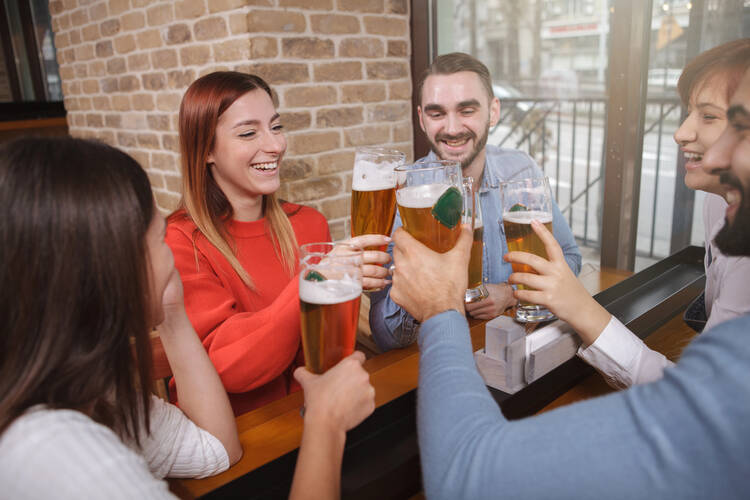
A brewpub business is a type of hospitality establishment that combines a brewery and a restaurant or pub, where beer is brewed on the premises and served directly to customers alongside food.
In most industry definitions, a brewpub must sell at least 25 percent of its beer on-site and provide significant food services, with the beer often dispensed directly from brewery storage tanks to customers in the dining area.
Brewpubs emphasize fresh, locally produced craft beer and typically offer menus designed to pair well with their house-made brews, creating a unique dining and social experience.
The brewpub sector is a key part of the craft beer industry. Since the modern brewpub concept emerged in the early 1980s, the number of brewpubs has grown significantly, with over 2,250 brewpubs operating in the United States alone and thousands more worldwide.
These establishments contribute to the popularity of craft beer, which has expanded into a multibillion-dollar market.
Brewpubs also help local economies by attracting tourists, supporting small-scale brewing, and offering distinctive food and beverage experiences centered around locally produced beer.
Steps on How to Start a Brewpub Business
-
Conduct Market Research
Conducting market research for a brewpub business begins with understanding the local beer and hospitality market.
This involves gathering information about the demand for craft beer, dining trends, and customer preferences in your target area.
You can start by reviewing industry reports, local economic data, and statistics on craft beer consumption.
This helps determine whether there is sufficient demand for a brewpub and identifies gaps in the market that your business can fill.
Another important step is identifying your target customers. Brewpubs typically attract craft beer enthusiasts, young professionals, tourists, and people looking for a unique dining experience.
Conduct surveys, interviews, or online polls to learn about customers’ preferred beer styles, food pairings, price expectations, and atmosphere preferences.
Understanding these insights will help you design a menu, beverage lineup, and environment that appeal to your potential patrons.
Analyzing your competitors is also a key part of market research. Study other brewpubs, breweries, bars, and restaurants in your area to understand their strengths, weaknesses, pricing strategies, and customer base.
Visit their locations, read online reviews, and observe how they attract customers.
This information can help you identify opportunities to differentiate your brewpub through unique craft beers, events, or food offerings.
Finally, evaluate the location and financial feasibility of your brewpub. Assess foot traffic, accessibility, parking availability, and proximity to entertainment districts or tourist areas.
In addition, estimate startup costs, operating expenses, and potential revenue based on your research findings.
Proper market research helps reduce risks and ensures your brewpub is positioned to succeed in a competitive hospitality market.
a. Who is the Target Market for Brewpub Business?
The target market for a brewpub business typically includes a diverse group of customers who enjoy craft beer, casual dining, and social experiences. Below are common target market segments for a brewpub:
- Craft Beer Enthusiasts
- Young Professionals and After-Work Crowd
- Millennials and Gen Z Adults (legal drinking age)
- Tourists and Visitors
- Food Lovers and Culinary Enthusiasts
- Local Residents and Neighborhood Patrons
- Sports Fans and Social Groups
- College and University Communities (legal drinking age)
- Event Planners and Party Groups.
b. Is Brewpub Business a Profitable Business?
A brewpub business can be profitable because it earns revenue from both beer and food sales while serving customers directly on-site.
Beer sold in a brewpub can generate gross margins of about 70 to 92%, which is significantly higher than typical restaurant margins.
Overall, well-managed brewpubs usually achieve net profit margins of around 10 to 25%, and some can generate over $1 million in annual revenue when food, beverages, and events are combined.
This combination of high-margin beverages and multiple revenue streams makes the brewpub model attractive to many entrepreneurs.
c. Are There Existing Niches in the Industry?
Yes, there are several existing niches in the brewpub industry, and many businesses succeed by focusing on a specific concept or customer experience. Common niches include:
- Craft and Experimental Beer Brewpubs – Specializing in unique or limited-edition craft beers.
- Farm-to-Table Brewpubs – Offering locally sourced food and seasonal menus.
- Sports-Themed Brewpubs – Targeting sports fans with game-day events and large screens.
- Entertainment Brewpubs – Featuring live music, comedy nights, and social events.
- Beer and Food Pairing Brewpubs – Focusing on gourmet meals designed to complement craft beers.
d. Who are the Major Competitors?
- Buffalo Bill’s Brewery – Hayward, CA
- Artisan’s Brewery – Toms River, NJ
- Titletown Brewing Company – Green Bay, WI
- Schlafly Tap Room – St. Louis, MO
- Taps Fish House & Brewery – (Various)
- Bosco’s Brewpub – (Various)
- Brujos NW Brewpub – Portland, OR
- BJ’s Restaurant & Brewery (brewpub chain)
- Rock Bottom Brewery (brewpub chain)
- Gordon Biersch Brewery Restaurant
- McMenamins (brewpub locations)
- Ram/Big Horn Brewery
- Canal Park Brewing Company – Duluth, MN
- Mountain Sun Pub & Brewery – Boulder, CO
- Caldera Brewery & Restaurant – Ashland, OR
- D’s Six Pax and Dogz – Swissvale, PA
- Hofbräuhaus Columbus – Columbus, OH
- Koko’s Bavarian – Austin, TX
- The Bavarian Bierhaus – Wisconsin
- BAR – Connecticut.
e. Are There County or State Regulations or Zoning Laws for Brewpub Businesses in the United States?
Yes, brewpub businesses in the United States are subject to county, state, and local regulations, including zoning laws, licensing requirements, and health and safety standards.
Since brewpubs serve both alcohol and food, they must comply with federal regulations from the Alcohol and Tobacco Tax and Trade Bureau (TTB), as well as state alcohol control boards.
These regulations govern the production, sale, labeling, and distribution of alcoholic beverages to ensure compliance with legal and safety standards.
At the state level, regulations vary significantly. Most states require a specific brewpub or microbrewery license that permits on-site beer production and sale.
Some states have strict limits on the volume of beer that can be brewed for sale, while others mandate that a percentage of beer must be consumed on-site.
States may also regulate hours of operation, age restrictions for employees, and additional permits for serving food or hosting live events.
County and local governments often control zoning, health permits, building codes, and signage.
Zoning laws may restrict brewpubs to commercial or mixed-use districts, prohibit them near schools or religious institutions, or set requirements for parking and outdoor seating.
Health inspections ensure that kitchens, bars, and brewing areas meet sanitation and food safety standards.
Entrepreneurs must research federal, state, and local laws before starting, as requirements can differ even between neighboring counties.
Proper licensing and adherence to zoning and safety laws protect both the business and its customers.
f. Is There a Franchise for Brewpub Business?
Yes, there are franchise opportunities for brewpub businesses, and some of them are:
- Voodoo Brewing Co. Franchise
- Good News Brewing Company Franchise
- Crafthouse USA Franchise
- BJ’s Restaurant & Brewery (brewpub chain)
- Rock Bottom Brewery (brewpub chain)
- Gordon Biersch Brewery Restaurant
- McMenamins (brewpub locations)
- HopCat (brewpub‑style bar & brewery concept)
- Squatters Pub Brewery (multiple locations concept)
- Taps Fish House & Brewery (chain model).
g. What Do You Need to Start a Brewpub Business?
- Business Plan
- Brewpub License and Permits
- Location and Zoning Approval
- Brewery Equipment (fermenters, kettles, etc.)
- Commercial Kitchen and Food Equipment
- Funding or Startup Capital
- Skilled Brewing Staff
- Restaurant and Bar Staff
- Marketing and Branding Strategy
- Point-of-Sale (POS) and Inventory Management Systems.
-
Choose a Memorable Business Name
When looking to start a business, before you can begin to file the necessary documents with the constituted authorities or start your website, it is necessary that you come up with a name that you will be recognized with.
It is essential that the name you come up with can easily be pronounced, is unique and easily memorable.
Some of the catchy business name ideas suitable for a brewpub business are:
- Champions Nest™ Brewpub Center, Inc.
- Pierse Jordan® Brewpub Center, Inc.
- Magic Cup® Brewpub Center, Inc.
- Orlando Shooters® Brewpub Center, LLC
- Oakmont Spot™ Brewpub Center, Inc.
- Rocket Base© Brewpub Center, LLC
- Miller Barnes™ Brewpub Center, Inc.
- Silver Creek® Brewpub Center, Inc.
- Rolling Hills™ Brewpub Center, Inc.
- Greg Tampa® Brewpub Center, LLC
- Grandview Base® Brewpub Center, Inc.
- Tony Martins™ Brewpub Center, LLC
- Calvin Cardamon™ Brewpub Center, Inc.
- Power Oaks® Brewpub Center, Inc.
- Michigan Base® Brewpub Center, Inc.
- John Thomas© Brewpub Center, LLC
- Green Valley® Brewpub Center, Inc.
- Golden Cup® Brewpub Center, Inc.
- Lakeside Base™ Brewpub Center, LLC
- Prinston Town® Brewpub Center, Inc.
-
Register Your Business
a. What Type of Business Structure is Best for a Brewpub Business?
The best type of business structure for a brewpub business depends on several factors, including the size of the business, the number of owners, and the level of personal liability exposure the owners are willing to accept.
However, we usually recommend a limited liability company (LLC) for a brewpub business. An LLC is a popular choice for startup businesses because it offers personal liability protection for the owners while allowing them to be taxed as a pass-through entity. This means that the profits and losses of the business are passed through to the owners’ personal tax returns, avoiding double taxation.
Ultimately, the best business structure for a brewpub business will depend on factors such as the ownership structure, the club’s goals and objectives, and the type of services and activities offered.
b. Steps to Form an LLC
- Choose a Name for Your LLC.
- File Articles of Organization.
- Choose a registered agent.
- Decide on member vs. manager management.
- Create an LLC operating agreement.
- Comply with other tax and regulatory requirements.
- File annual reports.
c. What Type of License is Needed to Open a Brewpub Business?
- Federal Brewer’s Notice (TTB License)
- State Brewery or Brewpub License
- Alcohol Beverage Control (ABC) License
- Food Service or Restaurant License
- Health Department Permit
- Liquor Sales or On-Site Consumption Permit
- Music/Entertainment License (if hosting live events)
- Signage or Outdoor Seating Permit.
d. What Type of Certification is Needed to Open a Brewpub Business?
- ServSafe Food Handler or Manager Certification
- Alcohol Server or Bartender Certification
- Brewing or Cicerone Certification
- Occupational Safety and Health (OSHA) Compliance Certification
- Allergen Awareness or Food Safety Certification.
e. What Documents are Needed to Open a Brewpub Business?
- Business Plan
- Federal Brewer’s Notice (TTB Approval)
- State Brewery or Brewpub License
- Alcohol Beverage Control (ABC) License
- Food Service Permit
- Health Department Inspection Certificate
- Zoning and Land Use Approval
- Certificate of Incorporation or Business Registration
- Employer Identification Number (EIN)
- Lease or Property Ownership Documents
- Insurance Policies (Liability, Property, Workers’ Comp)
- Building Permits
- Signage Permit
- Employee Certification Records (e.g., ServSafe, Alcohol Server)
- Environmental Permits (if applicable, e.g., waste disposal).
f. Do You Need a Trademark, Copyright, or Patent?
A brewpub business may need a trademark and/or copyright, but typically not a patent.
A brewpub business may want to trademark its name or logo to prevent others from using the same or similar names or logos.
It can copyright original materials such as training manuals, brochures, newsletters, or other written or artistic works it creates, to prevent others from using or reproducing them without permission.
-
Cost Analysis and Budgeting
a. How Much Does It Cost to Start a Brewpub Business?
When it comes to starting a brewpub business, the startup costs vary and could range from as low as $500,000 to over $1 million.
This is so because the cost of securing a facility, equipment, furnishing, and startup inventory is on the high side.
b. What are the Costs Involved in Starting a Brewpub Business
- Business Registration Fees – $750.
- Legal expenses for obtaining licenses and permits – $3,800.
- Marketing, Branding, and Promotions – $2,000.
- Business Consultant Fee – $2,500.
- Insurance – $8,800.
- Rent/Lease – $150,000
- Operational Cost (salaries of employees, payments of bills et al) – $45,000
- Store Equipment (cash register, security, ventilation, signage) – $6,350
- Equipment, Furniture, and Supplies – $160,000
- Website: $1,200
- Opening party: $5,000
- Miscellaneous: $5,000
c. What Factors Determine the Cost of Opening a Brewpub Business?
- The size of the brewpub business
- The choice of location
- The required licenses and permits
- The cost of hiring and paying a business consultant and an attorney
- The cost of branding, promotion, and marketing of the brewpub business
- The cost of furnishing and equipping the facility
- The cost of insurance policy covers
- The cost of registering the business
- Cost of recruiting and training your staff
- The cost of the purchase and customization of uniforms, shoes, and caps for your employees
- The cost for the grand opening of the brewpub business.
d. Do You Need to Build a Facility?
Yes, you will need to build or lease a facility for your brewpub business. The cost of building a facility will depend on several factors, such as the:
Size of the facility, location, and the types of amenities and services you plan to offer.
e. Ongoing Expenses of a Brewpub Business
- Raw Materials (hops, malt, yeast, ingredients for food)
- Employee Salaries and Wages
- Utilities (water, electricity, gas)
- Rent or Mortgage Payments
- Equipment Maintenance and Repairs
- Licensing and Permit Renewal Fees
- Insurance Premiums
- Marketing and Advertising Costs
- Point-of-Sale and Inventory Management Systems
- Taxes (sales, payroll, property, alcohol excise taxes).
f. What is the Average Salary of your Staff?
- Food & Beverage Director/General Manager – $90,000/year
- Brewery/Brewing Manager (Head Brewer) – $65,000 – $68,000/year
- Restaurant Manager – $48,000 – $50,000/year
- Assistant Brewer/Beer Manager – $35,000 – $38,000/year
- Chef/Kitchen Supervisor – $40,000 – $55,000/year
- Servers/Bartenders – $25,000 – $35,000/year (including tips, estimate).
g. How Do You Get Funding to Start a Brewpub Business?
- Raising money from personal savings and the sale of personal stocks and properties
- Raising money from investors and business partners
- Sell shares to interested investors
- Applying for a loan from your bank/banks
- Source for soft loans from your family members and friends.
-
Write a Business Plan
a. Executive Summary
Captain George™ Brewpub Center, Inc. is a dynamic brewpub concept to be established in Los Angeles, California, combining on-site craft beer production with a full-service restaurant experience.
The business will offer a diverse selection of freshly brewed beers alongside a carefully curated menu designed to complement its beverages.
Positioned in a high-traffic area, the brewpub aims to attract locals, tourists, and craft beer enthusiasts seeking a vibrant social and dining atmosphere.
They are set to deliver exceptional quality, innovation, and customer satisfaction while building a strong brand presence in the competitive hospitality market.
Revenue will be generated through beer sales, food service, private events, and merchandise.
With a focus on sustainability, community engagement, and unique customer experiences, Captain George™ Brewpub Center, Inc. is poised to become a profitable and recognizable destination in Los Angeles.
b. Products and Service
Captain George™ Brewpub Center, Inc. offers a diverse range of products and services centered on craft beer and quality dining.
The brewpub produces a variety of freshly brewed beers, including seasonal and specialty selections, paired with a carefully curated food menu.
Additional services include dine-in and takeout options, private event hosting, beer tastings, and live entertainment, all designed to create a memorable and engaging customer experience.
c. Mission Statement
At Captain George™ Brewpub Center, Inc., our mission is to craft exceptional beers and deliver outstanding dining experiences that bring people together.
We are committed to quality, innovation, and customer satisfaction by using premium ingredients and creative brewing techniques.
Our goal is to build a welcoming community hub where guests can relax, connect, and enjoy memorable moments through great food, refreshing beverages, and engaging entertainment.
Vision Statement:
Our vision at Captain George™ Brewpub Center, Inc. is to become a leading brewpub destination known for innovation, quality, and exceptional customer experiences.
We aim to set the standard in craft brewing and casual dining while expanding our brand presence.
Through community engagement and creativity, we aspire to build a recognizable and trusted name in the hospitality industry.
d. Goals and Objectives
The goals and objectives of a brewpub business are to produce high-quality craft beer, deliver excellent food and customer service, and achieve consistent profitability.
It aims to build a strong brand, attract and retain loyal customers, and create a vibrant social atmosphere.
Additionally, the business seeks to expand revenue through events, partnerships, and community engagement while maintaining operational efficiency.
e. Organizational Structure
- Food & Beverage Director/General Manager
- Brewery/Brewing Manager (Head Brewer)
- Restaurant Manager
- Assistant Brewer/Beer Manager
- Chef/Kitchen Supervisor
- Servers/Bartenders.
Marketing Plan
a. SWOT Analysis
Strength:
- Unique combination of on-site craft brewing and full-service dining, creating multiple revenue streams
- Strategic location in Los Angeles with high foot traffic and tourism potential
- Ability to offer fresh, exclusive beer varieties that differentiate the brand
- Strong potential for brand identity, events, and community engagement
- Higher profit margins on in-house beer sales compared to traditional restaurants.
Weakness:
- High startup and operational costs (equipment, rent, staffing)
- Complex licensing and regulatory requirements
- Dependence on consistent product quality and customer experience
- Limited distribution compared to large breweries
- Risk of inventory waste from unsold or seasonal beers (up to 30% of breweries face overproduction issues).
Opportunities:
- The growing global craft beer market is projected to reach $214.65 billion by 2030
- Increasing demand for experiential dining and locally brewed beverages
- Expansion through events, merchandise, and private bookings
- Rising interest from Millennials and Gen Z consumers
- Opportunity to introduce low-alcohol or specialty brews to meet changing preferences.
Threat:
- Increasing competition with over 9,000 craft breweries in the U.S.
- Industry decline, with craft beer production dropping about 4% in 2024
- Changing consumer preferences toward RTDs, seltzers, and non-alcoholic drinks
- Rising costs of raw materials, labor, and equipment
- Economic downturns and stricter regulations are affecting alcohol sales.
b. How Do Brewpub Businesses Make Money?
Brewpub businesses generate revenue through various streams, including;
- On-site craft beer sales
- Food and beverage sales
- Takeout and delivery services
- Private events and venue rentals
- Beer tastings and brewery tours
- Merchandise sales (branded items)
- Catering services
- Happy hour and promotional specials
- Live entertainment and ticketed events
- Wholesale or limited distribution of beer.
c. Payment Options
- Credit or Debit Card
- Cash
- Electronic Payment Systems such as PayPal or Venmo
- Checks
- Bank Transfers.
d. Sales & Advertising Strategies
- Leverage Social Media Marketing (Instagram, Facebook, TikTok)
- Host Events and Live Entertainment Nights
- Offer Happy Hour and Loyalty Programs
- Partner with Local Businesses and Influencers
- Create Seasonal and Limited-Edition Beers
- Use Email Marketing and Customer Newsletters
- Optimize Google Business Profile and Online Reviews
- Run Promotions and Discounts for First-Time Customers
- Engage in Community Events and Sponsorships
- Develop Strong Branding and Merchandise Sales.
Financial Projection
a. How Much Should You Charge for Your Product/Service?
Here are some common pricing structures for brewpub businesses in the U.S.:
- Pint of Craft Beer (16 oz) – $6 to $9
- Flight of Beers (4–6 samples) – $10 to $18
- Growler Fill (64 oz) – $15 to $25
- Crowler (32 oz can) – $10 to $16
- Signature Food Items (burgers, entrees) – $12 to $25
- Appetizers (fries, wings, starters) – $6 to $15
- Desserts – $5 to $10
- Non-Alcoholic Drinks – $3 to $6
- Event Tickets (live music, tastings) – $10 to $40
- Private Event Rentals – $500 to $3,000 per event.
b. How Much Profit Do Brewpub Business Owners Make a Year?
The profit that brewpub business owners can make in a year can vary significantly depending on several factors, such as the size of the business, its location, the number of clients, the pricing strategy, and the expenses involved in running the business.
c. What Factors Determine the Amount of Profit to Be Made?
- Location and Foot Traffic – High-traffic areas attract more customers, increasing sales potential.
- Pricing Strategy – Competitive pricing for beer, food, and events directly impacts revenue.
- Cost of Ingredients and Supplies – Managing hops, malt, yeast, and food costs affects margins.
- Labor Costs – Staffing efficiency and wages influence overall profitability.
- Beverage and Food Mix – High-margin craft beer sales boost profits compared to low-margin items.
- Marketing and Customer Retention – Effective promotions and loyalty programs drive repeat business.
- Operational Efficiency – Controlling waste, energy costs, and equipment maintenance reduces expenses and increases net profit.
d. What is the Profit Margin of a Brewpub Business?
On average, the profit margin for brewpub business products ranges from 10% to 25%, with craft beer sales often achieving 70 to 90% gross margins, making beverage-focused revenue a highly profitable component of the business model.
e. What is the Sales Forecast?
Below is the sales forecast for a brewpub business. It is based on the location of the business and other factors as they relate to such startups in the United States.
- First Fiscal Year (FY1): $250,000
- Second Fiscal Year (FY2): $380,000
- Third Fiscal Year (FY3): $450,000
-
Set Up your Shop/Office
a. How Do You Choose a Perfect Location for a Brewpub Business?
- High Foot Traffic Areas – Near shopping districts, entertainment zones, or tourist attractions.
- Zoning and Permits – Ensure the area allows alcohol sales and restaurant operations.
- Accessibility and Parking – Easy access for cars, public transport, and sufficient parking.
- Demographics – Target neighborhoods with craft beer enthusiasts, young professionals, and diners.
- Competition and Market Gap – Analyze nearby bars, breweries, and restaurants to find opportunities to differentiate.
b. What State and City is Best to Open a Brewpub Business?
- Oakland/San Francisco, California
- Oklahoma City, Oklahoma
- Milwaukee, Wisconsin
- Houston, Texas
- Philadelphia, Pennsylvania
- Los Angeles, California
- Chicago, Illinois
- Boston, Massachusetts
- Miami, Florida
- San Antonio, Texas.
c. What Equipment is Needed to Operate a Brewpub Business?
- Brewing Equipment – Mash tun, brew kettle, fermenters, bright tanks, and lauter tun
- Cooling and Refrigeration Systems – Glycol chillers, walk-in coolers, and refrigerated storage
- Kegs and Bottling/Canning Lines – Kegging systems, bottles, cans, and filling equipment
- Draft Beer Dispensing System – Tap lines, draft towers, regulators, and CO₂ tanks
- Commercial Kitchen Equipment – Ovens, stoves, fryers, grills, and prep tables
- Dishwashing and Sanitizing Equipment – Commercial dishwashers and sanitation stations
- Bar Equipment – Glassware, sinks, ice machines, and beverage dispensers
- Point-of-Sale (POS) System – Registers, inventory management, and customer tracking
- Furniture and Fixtures – Tables, chairs, bar stools, shelving, and décor
- Cleaning and Maintenance Tools – Mops, cleaning chemicals, pumps, and brewing maintenance tools.
-
Hire Employees
If you are looking to start a brewpub business, then you should make plans to hire employees because a brewpub cannot be run by an individual alone.
Operating a brewpub involves multiple complex tasks, including brewing beer, managing a commercial kitchen, serving customers, handling sales and marketing, maintaining equipment, and complying with health and alcohol regulations.
A skilled team ensures that each area runs efficiently, delivers high-quality products and services, and creates a seamless customer experience that drives repeat business and profitability.
-
Launch the Business Proper
Organizing an opening party for a new brewpub business can be a good way to introduce your business to the community and create awareness about your services.
If you want to organize a proper launch for your brewpub business, then you must make sure to invite potential clients, key stakeholders, and other members of the community who may be interested in your business.
a. What Makes a Brewpub Business Successful?
- High-Quality Craft Beer – Consistently brewing fresh, flavorful, and unique beers.
- Exceptional Food Menu – Offering dishes that complement the beer selection.
- Strong Brand Identity – Creating a memorable and recognizable brand that attracts loyal customers.
- Customer Experience – Providing excellent service, ambiance, and a welcoming environment.
- Strategic Location – Being situated in high-traffic areas with target demographics.
- Effective Marketing – Using social media, events, and promotions to attract and retain customers.
- Operational Efficiency – Managing costs, inventory, and staff effectively to maximize profitability.
b. What Happens During a Typical Day at a Brewpub Business?
A typical day at a brewpub begins with preparing the brewery and kitchen for operations.
Brewers check fermentation tanks, monitor beer quality, and start brewing new batches, while kitchen staff prep ingredients for menu items.
Staff ensure the dining area, bar, and equipment are clean and ready for customers, and inventory levels for beer, food, and supplies are checked.
Once the doors open, the focus shifts to serving customers efficiently. Bartenders pour beers, servers take orders, and chefs prepare meals.
Throughout the day, staff manage events, tastings, and reservations while maintaining quality and compliance with health and alcohol regulations, ensuring a seamless customer experience.
c. What Skills and Experience Do You Need to Build a Brewpub Business?
- Brewing Expertise – Knowledge of craft beer production, fermentation, and quality control.
- Culinary Skills – Understanding food preparation, menu design, and flavor pairings.
- Business Management – Experience in planning, operations, and staff management.
- Financial Management – Budgeting, cost control, and understanding profit margins.
- Marketing and Branding – Promoting the brewpub and creating a recognizable brand.
- Customer Service Skills – Ensuring excellent guest experiences and loyalty.
- Regulatory Knowledge – Understanding alcohol laws, health codes, and licensing requirements.
- Event Planning – Hosting tastings, live entertainment, and private events.
- Supply Chain Management – Sourcing quality ingredients and managing inventory.
- Problem-Solving and Adaptability – Handling operational challenges and market changes effectively.