
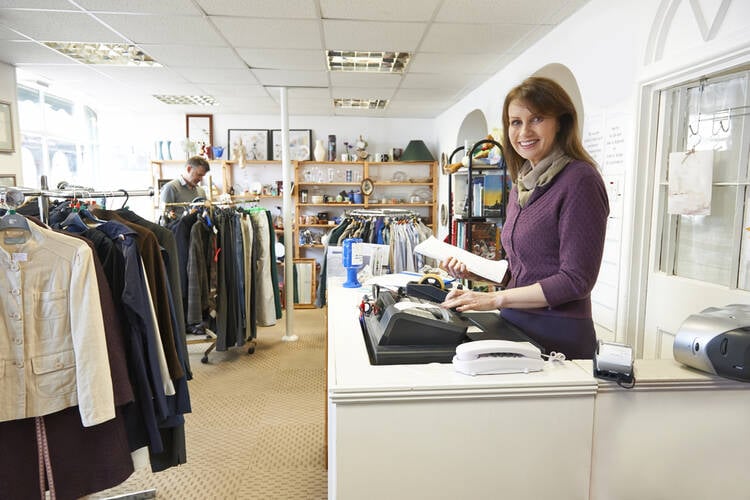
With the right layout, lighting, and décor, a thrift store can feel organized, stylish, and approachable, helping customers easily navigate through different sections while discovering unique finds.
Thoughtful design also reflects the store’s brand and values, whether emphasizing sustainability, affordability, or curated fashion.
In this article, we are going to explore some of the best thrift store interior design ideas, including floor plan and layout tips that can optimize space, improve flow, and highlight products effectively.

Whether you are planning to open a new thrift store or revamp an existing one, these ideas will help create a functional, aesthetically pleasing environment that attracts and retains customers, ultimately boosting sales and brand loyalty.
Thrift Store Interior Design Ideas With Floor Plan and Layout Tips

-
Open Floor Layout
An open floor layout helps maximize visibility and creates a spacious, welcoming atmosphere for shoppers.
Arrange racks, shelves, and displays with ample space between them, allowing customers to navigate freely without feeling cramped.
Place popular or high-demand items toward the back to guide customers through the store, increasing exposure to other products along the way.

Open layouts also provide flexibility for seasonal displays, pop-up events, or rotating inventory, making your thrift store more dynamic and customer-friendly.
-
Zone-Based Layout
Divide your store into clearly defined zones based on categories such as clothing, accessories, home décor, or seasonal items.
This organization simplifies the shopping experience and helps customers locate items quickly. Use signage, color accents, or floor markers to differentiate zones visually.
Zone-based layouts also make restocking easier for staff and allow for creative, themed displays in each section.
Grouping related items together encourages cross-selling and increases average purchase size.
Strategically placing high-demand zones near entrances or key pathways can also draw traffic deeper into the store.
-
Feature Walls
Create feature walls to highlight new arrivals, seasonal items, or curated collections.
These walls serve as focal points, drawing customers’ attention immediately upon entering the store.
Use bold colors, textured backdrops, or themed décor to make items stand out.
Consider rotating these walls regularly to showcase trending products or special promotions.
By creating a visually striking area, feature walls enhance interior design while encouraging shoppers to explore the rest of the store, ultimately boosting sales and engagement.
-
Flexible Display Fixtures
Invest in modular and movable display fixtures such as adjustable shelves, rolling racks, or stackable cubes.
Flexible fixtures allow you to adapt your layout to changing inventory sizes, seasonal themes, or promotional events.
They also make it easier to rearrange your store to optimize traffic flow or highlight specific items.
By incorporating versatility into your interior design, you ensure your store remains organized, efficient, and visually appealing even as inventory shifts.
Flexible fixtures save space, prevent clutter, and help maintain an inviting atmosphere that keeps customers coming back.
-
Creative Signage
Use clear, stylish signage to guide shoppers, highlight promotions, and add personality to your store. Signs can indicate sections, sizes, prices, or themed collections.
Incorporating unique fonts, colors, or hand-painted designs enhances visual appeal and supports your brand identity.
For seasonal or promotional items, signs can create urgency or excitement, boosting sales.
Well-placed signage also draws attention to key products or hidden gems, creating a memorable shopping experience that blends practicality with creativity, while reinforcing the thrift store’s aesthetic and thematic design.
-
Strategic Lighting
Lighting plays a critical role in interior design, influencing mood and product perception.
Use a mix of ambient, task, and accent lighting to highlight key displays, create warmth, and make products more appealing.
Spotlights can draw attention to feature walls, seasonal items, or high-value pieces, while softer ambient lighting creates a welcoming environment.
Proper lighting also improves visibility in corners and shelves, making browsing easier. Consider energy-efficient LED options to reduce costs.
Thoughtful lighting design enhances the store’s aesthetic, highlights inventory effectively, and ensures customers feel comfortable spending more time exploring.
-
Cozy Lounge or Seating Area
Incorporate a small seating area with chairs or benches for shoppers to rest, try on shoes, or wait comfortably while others shop.
This design element enhances customer experience by creating a welcoming, community-focused atmosphere.
A lounge area can also encourage longer visits, giving shoppers more time to browse and discover hidden items.
Add décor, plants, or reading materials to make the space feel inviting. For family-friendly stores, seating provides convenience for parents and children.
Overall, a cozy seating area increases comfort, satisfaction, and time spent in-store, which can lead to higher sales and repeat visits.
-
Mirrors and Dressing Areas
Install full-length mirrors and well-lit dressing areas to allow customers to try on clothing easily.
Mirrors enhance the store’s visual space, making it feel larger and brighter, while giving shoppers confidence in their selections.
Properly designed dressing rooms with good lighting and privacy encourage purchases by helping customers envision themselves in thrifted outfits.
Keep the areas tidy, spacious, and accessible, and add hooks or small shelves for personal items.
Thoughtful fitting room design not only improves functionality but also enhances the overall interior aesthetic, creating a professional and enjoyable shopping environment.
-
Themed or Seasonal Displays
Regularly update your floor plan with themed or seasonal displays to maintain freshness and engagement.
Whether highlighting holiday décor, summer fashion, or back-to-school essentials, themed displays attract attention and encourage impulse buys. Incorporate props, signage, and color schemes that reflect the theme.
Position seasonal displays near entrances or high-traffic areas for maximum impact.
This approach keeps your interior dynamic, visually interesting, and aligned with customer expectations. Rotating displays also make the store feel updated and lively.
-
Vertical Storage Solutions
Maximize space by incorporating vertical storage such as tall shelving units, hanging racks, or wall-mounted hooks.
Vertical solutions free up floor space, improve visibility, and allow for a larger inventory without cluttering the store.
Adjustable shelves and stackable units provide flexibility for different item sizes and seasonal changes.
Vertical storage also creates opportunities for creative displays that draw customers’ eyes upward, enhancing the overall aesthetic.
Strategically using vertical space ensures the store remains organized, navigable, and visually appealing.
-
Clear Pathways and Flow
Design your layout with clear pathways that guide shoppers through the store.
Ensure aisles are wide enough for comfort and accessibility. Place high-demand or visually striking items at key points to encourage exploration.
Use signage or floor markers to direct flow and highlight different sections.
Clear pathways prevent congestion, enhance safety, and improve the overall shopping experience.
A thoughtful flow increases exposure to inventory, boosts engagement, and maximizes sales opportunities.
-
Accent Walls and Color Blocking
Incorporate accent walls or color blocking to define sections, highlight displays, or create focal points.
Bold colors, textures, or patterns can draw attention to key products or themed areas.
Use accent walls strategically to enhance brand identity and create visual interest without overwhelming the space.
Color zoning can also aid in navigation, helping customers easily locate clothing, home décor, or seasonal items.
This interior design tactic adds vibrancy, reinforces themes, and makes your store more memorable.
-
Interactive or DIY Zones
Create an interactive section where customers can engage with items, try DIY projects, or customize purchases.
This could include a small craft table, accessory mixing station, or styling area.
Interactive zones encourage hands-on engagement, increase dwell time, and foster community.
Position the zone where it does not obstruct main pathways, but is still visible to draw interest.
Incorporating interaction into your layout makes shopping fun, memorable, and encourages repeat visits.
-
Greenery and Décor Elements
Incorporate plants, artwork, and decorative accents to make the store feel inviting, fresh, and lively.
Greenery can soften the space, add color, and improve the atmosphere for shoppers.
Strategically placed décor elements can also highlight key products or zones.
Maintain a balance so that decorative touches enhance rather than clutter the store.
Thoughtful decoration reflects your brand’s personality and values, creating a visually appealing interior that encourages customers to linger, browse, and explore more items.
-
Multi-Purpose Furniture and Displays
Use furniture that doubles as storage or display, such as tables with shelves, benches with compartments, or cabinets with drawers.
This approach maximizes limited space while keeping products accessible and organized.
Multi-purpose furniture allows you to combine merchandising with functionality, creating a clean and efficient layout.
Use these pieces to display seasonal items, highlight sales, or store overflow inventory.
Thoughtful furniture selection enhances the aesthetic appeal of your thrift store while maintaining functionality.