
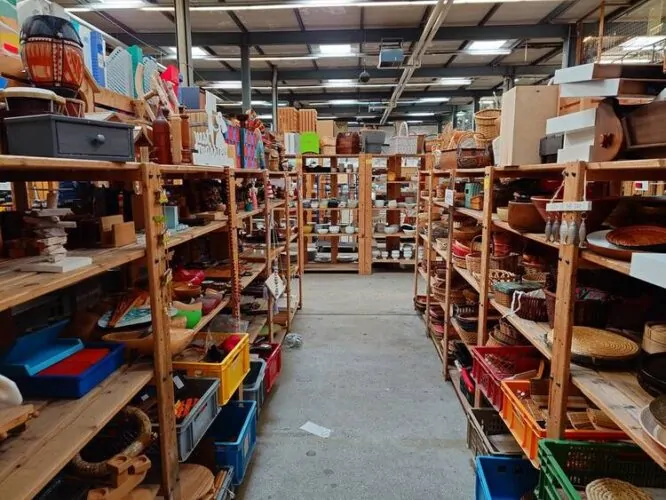
Space can often be a significant challenge for businesses like thrift stores, where inventory constantly changes, and a wide variety of items need to be displayed, stored, and organized efficiently.
This is particularly true because thrift stores often deal with donations in unpredictable quantities and sizes, ranging from clothing and accessories to furniture and home décor.
Without effective storage solutions, clutter can quickly accumulate, making it difficult for staff to manage inventory and for customers to navigate the store comfortably.
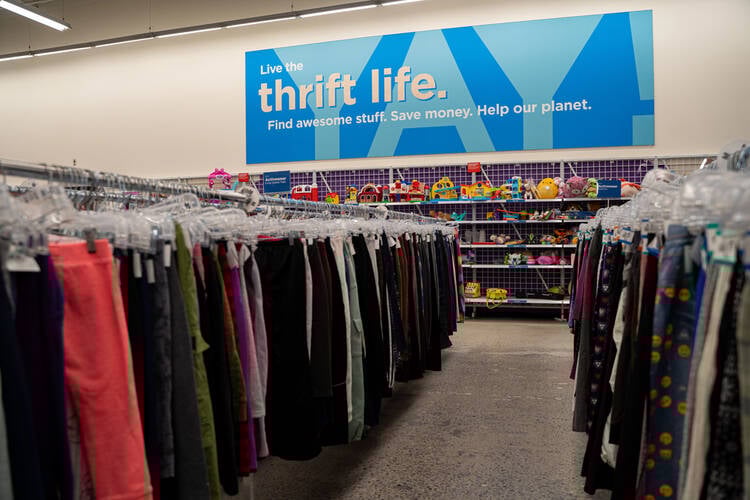
If you own a thrift store and are constrained by limited storage space, there are strategies you can implement to maximize every inch of your shop.
From vertical shelving and under-rack storage to creative organization methods and rotation systems, smart storage solutions help you maintain a clean, accessible, and attractive store environment.
Best Thrift Store Storage Ideas
-
Vertical Shelving Units
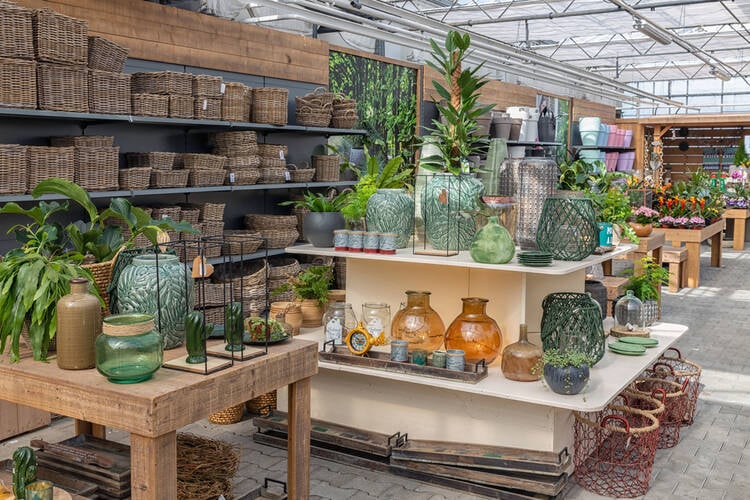
Maximize your thrift store’s limited floor space by installing vertical shelving units.
Tall shelves allow you to store more items without overcrowding the floor, making it easier for customers to navigate.
Utilize adjustable shelving to accommodate a range of item sizes, from small accessories to large boxes—group items by category or theme on each shelf to maintain order. Label shelves clearly to help staff and customers find items quickly.
Vertical storage not only improves efficiency but also enhances visual appeal, keeping your store organized and inviting while creating additional display opportunities for high-demand or seasonal products.
-
Rolling Carts
Rolling carts are a versatile storage solution for thrift stores. They can be moved easily to different areas of the shop, providing flexible storage and display options.
Use them to hold seasonal items, sale products, or overflow inventory that doesn’t fit on permanent shelves. When not in use, they can be tucked away or grouped in a storage corner.
Clear labeling or themed arrangements on the carts help maintain organization while making it simple for shoppers to browse without disrupting the display.
-
Under-Rack Storage Bins
Take advantage of the space under clothing racks by adding storage bins or baskets.
These bins are perfect for storing folded items, shoes, or accessories that complement the hanging garments above.
Using clear or labeled bins ensures that items are visible and easy to access.
Under-rack storage maximizes space that would otherwise go unused, keeping the store tidy and organized.
It also helps reduce clutter on shelves and counters. For seasonal or promotional items, rotating the contents of these bins keeps inventory fresh.
-
Wall-Mounted Hooks and Pegboards

Wall-mounted hooks and pegboards are ideal for displaying small or lightweight items such as hats, scarves, bags, or jewelry.
By moving items off the floor and onto walls, you free up valuable floor space and improve customer navigation.
Pegboards allow flexibility since hooks and shelves can be rearranged easily as inventory changes.
This system keeps items organized, visible, and accessible. Label sections clearly to make shopping effortless.
Wall-mounted storage also adds a decorative element, allowing you to create eye-catching displays that draw attention.
-
Overhead Storage Shelves
If ceiling height permits, overhead storage shelves can be used for items not frequently accessed, such as seasonal décor, bulk donations, or extra stock.
These shelves make use of vertical space without interfering with the shopping area.
Clearly label all boxes or bins on overhead shelves to avoid confusion and make retrieval easy. Staff should use safe ladders or step stools to access higher storage.
Overhead storage keeps rarely used items out of the way while preserving floor space for customer-friendly displays.
-
Rolling Garment Racks
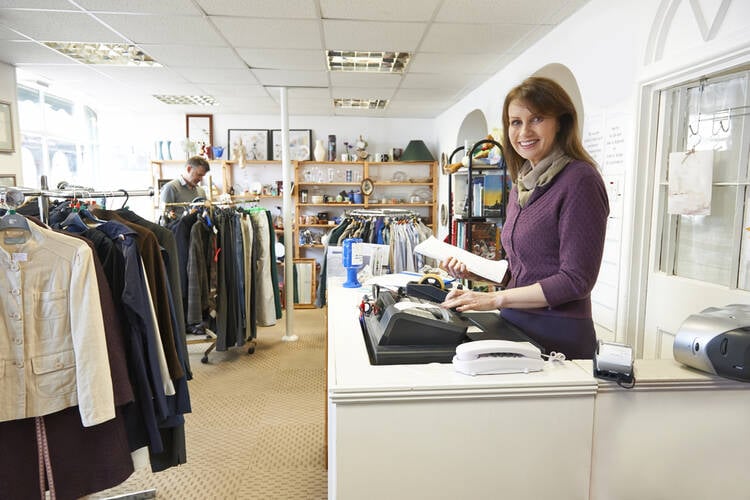
Rolling garment racks are an excellent way to store and display clothing efficiently.
They can be repositioned easily to accommodate changing floor layouts or sales events.
Use racks to separate items by category, size, or season, making it easier for customers to find what they need.
Rolling racks also allow for temporary storage of overflow inventory without cluttering permanent racks. Label each rack clearly for staff and shoppers.
When not in use, racks can be grouped or pushed to the back, keeping the store organized while maintaining flexibility for new arrivals or promotional displays.
-
Clear Storage Containers

Investing in clear storage containers helps keep items organized and visible at a glance. Use them for shoes, accessories, or small household items.
Clear containers make inventory easy to identify without opening multiple boxes, saving time for staff and reducing disruption for customers.
Stackable containers maximize vertical space while keeping the store neat. Label each container by category or size for even more efficiency.
They are especially useful for seasonal items or rotating inventory. This type of storage keeps the store clutter-free, protects items from dust and damage, and enhances overall presentation.
-
Label Everything
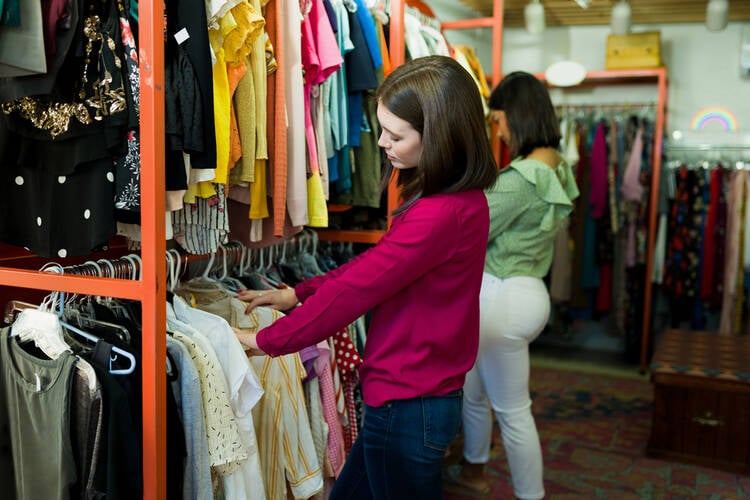
Clear labeling is essential for thrift store organization. Label shelves, bins, racks, and containers to indicate the type, size, or category of items stored.
Proper labeling helps staff restock efficiently and allows customers to locate items without assistance.
Consistent labeling reduces clutter and confusion, making the shopping experience smoother.
It also supports inventory tracking, ensuring that high-demand items are quickly replenished.
Well-labeled storage systems save time, improve efficiency, and create a professional and inviting atmosphere for both shoppers and staff.
-
Folded Clothing Shelves

Designate shelves specifically for neatly folded clothing, such as sweaters, jeans, or T-shirts.
Folded items are easier to manage, stack, and rotate, creating a tidy display that encourages browsing. Use dividers to separate sizes, styles, or categories.
Rotating folded items regularly keeps inventory fresh and prevents overcrowding.
This storage method makes items more accessible to customers and reduces the chance of cluttered piles that can appear messy.
Folded shelves also allow you to showcase complementary items together, encouraging additional purchases while maintaining a clean and organized shopping environment.
-
Over-the-Door Organizers
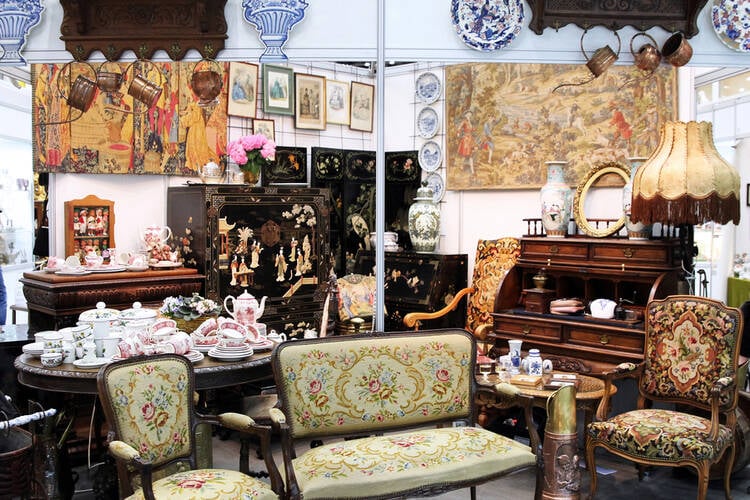
Over-the-door organizers are perfect for storing small or lightweight items in compact spaces.
Hang them on the backroom or stockroom doors to hold accessories, shoes, or small décor items.
Each pocket can be labeled for easy identification, keeping everything organized and visible.
This solution maximizes vertical space without taking up floor space and keeps frequently needed items easily accessible.
Over-the-door storage is cost-effective, efficient, and ideal for stores with limited space.
-
Modular Storage Cubes
Modular storage cubes can be customized and rearranged to fit your store’s space and inventory needs. Use them to store shoes, folded clothes, or accessories.
Their flexible design allows you to combine or separate units as inventory changes. Cubes can also double as display surfaces for featured items.
Clear labeling or baskets within the cubes improves organization and accessibility.
Modular storage maximizes floor space while keeping items visible and orderly.
They are versatile, functional, and stylish, creating an organized shopping environment that encourages exploration and easy access to inventory.
-
Hanging Baskets
Install hanging baskets from the ceiling or wall-mounted brackets to store lightweight items like scarves, socks, or small décor.
This approach makes use of unused vertical space while keeping the floor clear.
Hanging baskets create visual interest and allow you to showcase multiple items without cluttering shelves.
Group similar items together for easy access, and rotate baskets regularly to highlight different inventory.
This storage solution keeps your store organized, adds a decorative element to your displays, and allows customers to easily browse items that might otherwise get lost in crowded shelves or bins.
-
Rotating Seasonal Inventory
Implement a rotating system for seasonal inventory to prevent overcrowding and maximize storage efficiency.
Store off-season items in labeled bins or backroom shelves and bring them out when relevant.
This ensures that your store floor remains uncluttered and current, improving customer experience.
Rotating inventory also creates anticipation and encourages repeat visits, as customers know new items appear regularly.
Organized seasonal rotation prevents overstocking, reduces the risk of damaged items, and helps maintain a visually appealing and accessible shopping environment.
-
Multi-Purpose Furniture
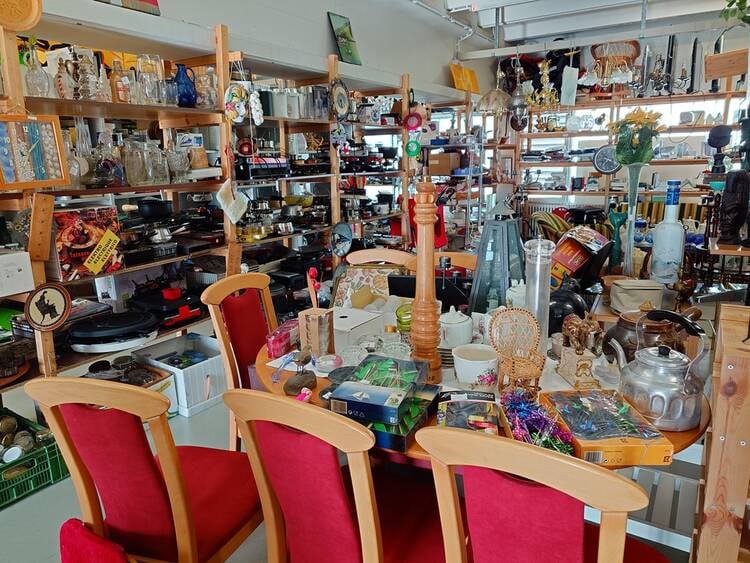
Use furniture that doubles as storage, such as benches with hidden compartments, display tables with shelves, or cabinets with drawers.
These pieces provide functional storage while contributing to your store’s décor.
Multi-purpose furniture allows you to store inventory discreetly while keeping items accessible.
This strategy maximizes every square foot and creates a polished, professional environment.
It also enables creative displays, combining storage and merchandising in one element, enhancing efficiency, and maintaining a clean, organized, and visually appealing store layout.
-
Donation Sorting Area
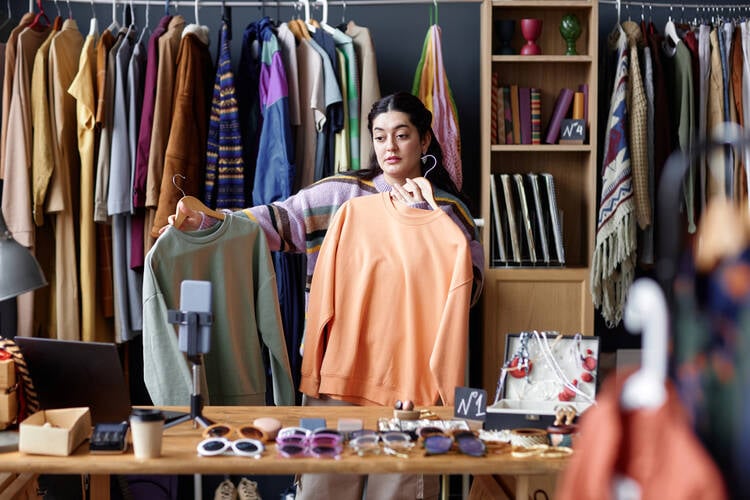
Create a designated area specifically for sorting new donations. Use bins, shelves, or tables to categorize items immediately upon arrival.
This prevents clutter in the backroom and ensures inventory is organized before hitting the sales floor.
Clearly label sections for different types of items, such as clothing, accessories, or home décor.
An efficient sorting area streamlines staff workflow, reduces processing time, and ensures high-quality presentation for customers.
Organized donation management keeps the store tidy, improves inventory rotation, and supports a professional and inviting shopping environment.