
The average toy store in the United States usually makes between $150,000 and $350,000 in annual revenue, depending on its size, location, and customer base.
It might interest you to note that some high-traffic or specialty toy stores can earn significantly more, especially during peak seasons like Christmas.
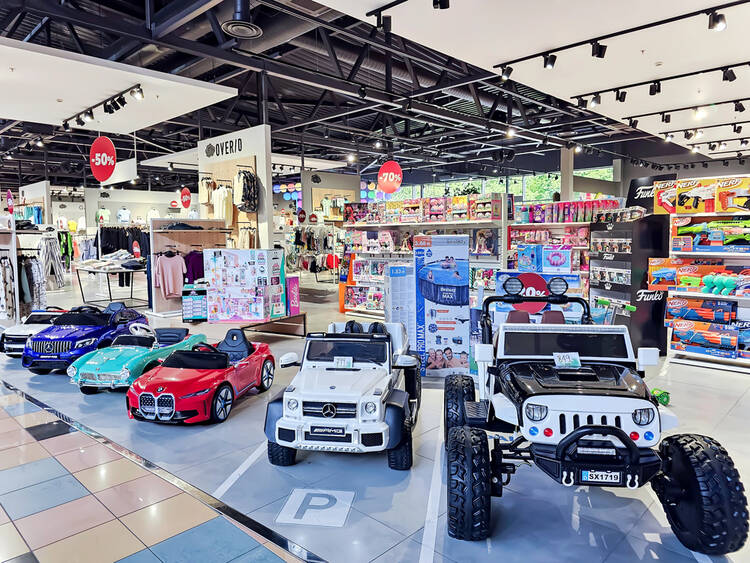
Profit margins also vary widely, with stores offering unique, hard-to-find toys often enjoying higher returns than those competing directly with big-box retailers.
Several factors determine the income a toy store is expected to make. From store location to product selection, marketing strategies, customer experience, and seasonal trends, each element plays a major role in determining profitability.
Understanding these factors will help you better estimate potential earnings and position your toy store for long-term success in a competitive market.
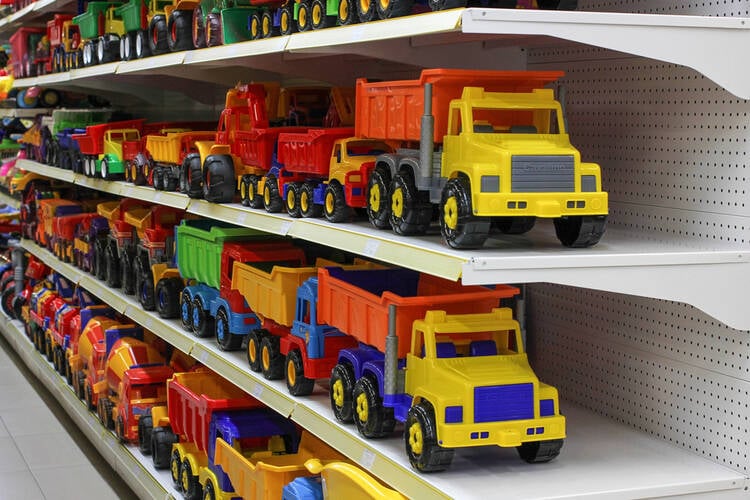
Factors That Influence the Income of a Toy Store
-
Store Location
Stores situated in high-traffic areas such as malls, busy streets, or family-centered neighborhoods often enjoy greater footfall and higher sales.
Proximity to schools, amusement centers, playgrounds, and residential communities can also boost visibility and attract regular customers.
A store in a well-populated city generally performs better than one in a low-traffic rural area.
Rent costs may be higher in prime locations, but the increased customer flow often compensates for these expenses, significantly influencing annual earnings and overall profitability.
-
Product Selection and Variety

Stores that stock a mix of popular toys, educational items, collectibles, puzzles, games, and trending characters tend to attract more customers.
A diverse selection ensures that the store appeals to different age groups and interests.
Specialty or hard-to-find toys can command higher prices, improving profit margins.
Seasonal products and limited-edition items can also boost sales during peak periods.
When a store consistently updates its inventory to include new, high-demand toys, it remains relevant and competitive.
-
Pricing Strategy

Setting prices too high may drive customers toward competitors, while pricing too low can reduce profit margins.
Successful stores strike a balance with competitive pricing, occasional discounts, bundle deals, and loyalty programs.
Offering premium and budget-friendly options helps capture a wider customer base.
Monitoring competitor pricing, market trends, and seasonal fluctuations is important for future adjustments.
Stores that manage pricing effectively are more likely to attract repeat buyers, boost sales volume, and maintain steady revenue growth.
-
Marketing and Advertising Efforts
Stores that invest in local advertising, social media promotion, email newsletters, influencer partnerships, and seasonal campaigns often generate more visibility and sales.
Creative promotions like giveaways, contests, and new toy launches help attract children and parents.
Having an engaging online presence also increases brand awareness and drives foot traffic.
Poor or inconsistent marketing can make even well-stocked stores struggle with visibility.
Therefore, strategic, ongoing marketing efforts directly influence customer engagement, sales volume, and the overall income a toy store can generate yearly.
-
Seasonal Demand and Holiday Sales

Toy sales often spike during holiday seasons, especially Christmas, Easter, and birthdays, making seasonality a major factor in yearly revenue.
Stores that prepare early with festive promotions, themed displays, and trending holiday toys can significantly increase yearly earnings.
A large percentage of annual revenue for toy stores is often made in the final quarter of the year.

However, stores with strong year-round marketing strategies and diverse product lines can maintain steady sales outside peak seasons.
Understanding seasonal trends and stocking accordingly helps prevent inventory shortages or surpluses, ultimately improving profitability throughout the year.
-
Competition in the Area
A toy store located near big-box retailers like Walmart or Target may struggle unless it offers something unique, such as specialty toys, eco-friendly products, or personalized services.
On the other hand, stores with minimal competition often enjoy higher sales.
Differentiation strategies like hosting events, offering exclusive products, or providing exceptional customer service can help a store stand out even in competitive markets.
Understanding competitor strengths and weaknesses allows the store to adjust strategies accordingly, helping improve revenue despite market pressure.
-
Customer Service Quality
Quality customer service has a big impact on repeat business, referrals, and overall profitability.
When parents and children feel welcomed, assisted, and valued, they are more likely to return and recommend the store to others.
Staff knowledge about toys, patience with children, and willingness to help customers choose the right items create positive shopping experiences.
Stores that invest in staff training, cleanliness, and friendly interactions consistently perform better.
Poor customer service can lead to negative reviews, reduced foot traffic, and lower yearly revenue.
Strong service encourages loyalty and contributes significantly to long-term financial success.
-
Store Layout and Visual Merchandising
The way a toy store arranges its shelves, displays, and sections can directly influence how much customers spend.
A well-organized layout that makes it easy for shoppers, especially children, to explore can lead to longer browsing times and higher purchases.
Eye-catching displays, themed sections, and strategically placed impulse-buy items encourage more sales. Cluttered or poorly lit stores often discourage customers from returning.
Effective visual merchandising helps highlight new arrivals, bestsellers, and seasonal products, making the store more attractive and profitable.
Every detail, from color choices to display height, contributes to yearly revenue performance.
-
Online Sales and E-Commerce Presence
Many customers prefer browsing and buying toys online due to convenience.
Offering delivery, in-store pickup, or nationwide shipping expands the customer base beyond local shoppers.
A well-designed website, active social media pages, and listings on platforms like Amazon or Etsy can boost visibility. Stores that rely solely on physical sales may miss out on digital shoppers.
An effective online strategy helps stabilize sales during slow seasons, supports holiday demand, and diversifies income streams.
-
Supplier Relationships and Inventory Management
Strong relationships with suppliers help a toy store secure better pricing, priority access to trending toys, and faster restocking factors, which directly impact revenue.
Poor relationships or delays can result in stock shortages, missed sales opportunities, and dissatisfied customers.
Effective inventory management ensures the store always has the right toys at the right time.
Overstocking leads to unnecessary costs, while understocking leads to lost revenue.
Stores that use inventory tracking tools and maintain reliable supplier partnerships operate more efficiently and are more likely to achieve strong yearly sales and profitability.
Profit Margin of a Toy Store
The profit margin of toy stores usually hovers around 20% to 40%, depending on the store’s size, product mix, pricing strategy, and operational efficiency.
Of course, specialty toy stores offering unique or hard-to-find items may enjoy higher margins, while stores competing directly with big-box retailers may operate on slimmer margins.
Additional factors such as supplier pricing, seasonal demand, and inventory management also play major roles in determining overall profitability throughout the year.
No doubt, any toy store can increase its profit margin by implementing smart business strategies, such as:
Improving product sourcing, offering exclusive items, enhancing visual merchandising, and introducing loyalty programs.
Upselling, bundle deals, and targeted marketing campaigns can also help boost average transaction value.
By focusing on customer experience, optimizing inventory, and leveraging both in-store and online sales channels, toy store owners can significantly strengthen profitability and achieve more sustainable long-term growth.