
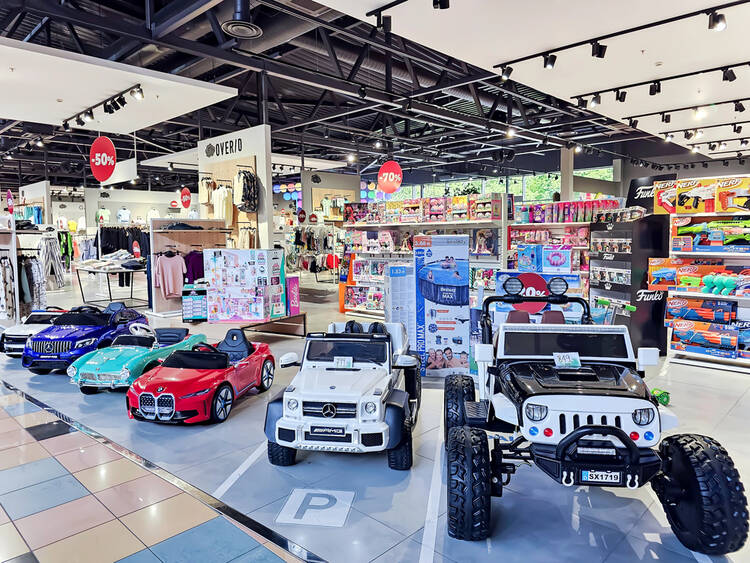
Getting the interior design of your toy store right can be a true game-changer, especially when you are surrounded by competitors offering similar products.
The truth is that your store’s appearance plays a major role in attracting customers, sparking children’s interest, and influencing purchasing decisions.
A well-designed toy store creates excitement, encourages exploration, and sets the tone for a fun and memorable shopping experience.

If you own a toy store and need design ideas to elevate your space, here are toy store interior design ideas along with practical floor plan and layout tips to help you stand out.
Best Toy Store Interior Design Ideas

-
Use a Bright and Colorful Theme
A bright and colorful theme is essential for creating a lively and inviting toy store environment.
Children are naturally drawn to bold hues like red, yellow, blue, and green, so incorporating these into your walls, shelves, and signage helps spark excitement the moment they walk in.
Select a cohesive color palette that represents the personality of your store, ensuring the shades complement each other rather than overwhelm the space. You can also use color to guide customers through different sections.
-
Create Themed Zones for Different Toy Categories
Themed zones help customers easily find what they are looking for and make the store more engaging.
For example, you can create a jungle-themed area for plush animals, a mini city layout for toy cars, or a magical castle zone for princess toys.
These themed setups make browsing more intuitive and enjoyable for kids and parents alike.
Each zone should have decor and signage that supports the theme, boosting the store’s visual appeal.
By grouping related products within themed sections, you also improve product visibility and encourage cross-selling.
-
Incorporate Interactive Play Stations
Interactive play stations give children the chance to test toys before purchasing, which increases customer engagement and boosts sales.
These stations can include building blocks, puzzles, train sets, or even simple activity tables.
When kids interact with toys freely, parents are more likely to buy items they see their children enjoying.
Make sure these areas are safe, clutter-free, and easy to supervise. Interactive spaces also encourage longer store visits, which can translate to more purchases.
They create a joyful atmosphere and help showcase the quality and durability of your toys in a hands-on way.
-
Use Eye-Level Displays for Kids
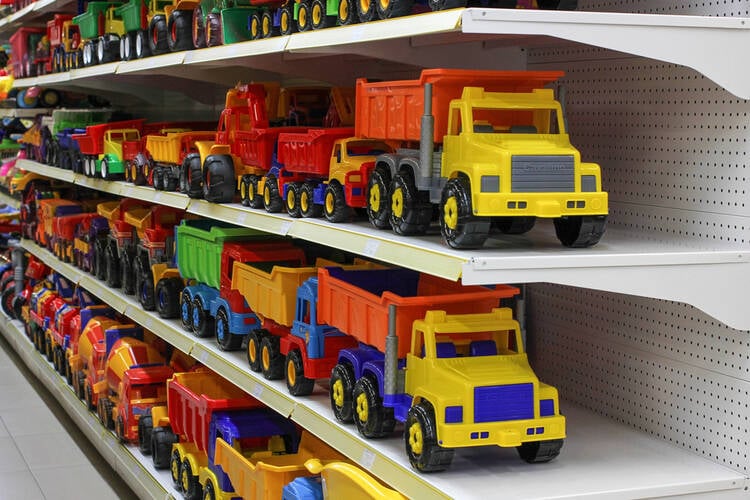
Placing toys at a child’s eye level ensures they can see, touch, and get excited about products without struggling or needing assistance.
When children can easily access items, it increases the likelihood of impulse purchases.
Use low shelves, floor bins, and forward-facing displays to make toys more visible and inviting.
This layout strategy also makes your store feel more kid-friendly and encourages independent exploration. Ensure heavier or fragile items are kept higher up for safety.
Eye-level displays help you connect with your primary audience while ensuring the space remains organized, safe, and visually appealing for everyone.
-
Install Creative and Kid-Friendly Signage
Fun, colorful signage helps guide families through the store while reinforcing your branding.
Use playful fonts, bold colors, arrows, and illustrations to make signs easy for kids to understand and exciting to follow.
Signs can label sections like “Arts & Crafts,” “Outdoor Fun,” “Dolls,” or “STEM Toys,” making shopping quicker and more intuitive.
Kid-friendly signs also add personality to your store while keeping the space organized. Consider using hanging signs, wall decals, or floor graphics.
Clear signage reduces confusion, enhances the shopping experience, and contributes to a well-structured layout that encourages exploration and easy navigation.
-
Use Open Floor Plans for Smooth Traffic Flow
An open floor plan makes your toy store feel spacious, welcoming, and easy to navigate.
Children often move excitedly through aisles, so wide pathways help prevent congestion and accidents.
Avoid overcrowding shelves or placing too many racks in one area. Ensure strollers and wheelchairs can also move freely.
An open layout encourages customers to explore different sections without feeling overwhelmed.
It also improves visibility, helping staff monitor activity and maintain safety.
With a clear flow, customers can naturally move from one zone to another, increasing the chance that they notice more products and make additional purchases.
-
Display Bestsellers on Feature Walls
A feature wall showcasing your bestselling or trending toys acts as a visual magnet and makes product selection easier for shoppers.
Parents often appreciate recommendations, especially during busy seasons like Christmas.
Use eye-catching lighting, colorful backdrops, and organized shelving to highlight these popular items. Update the wall regularly to reflect new arrivals or seasonal favorites.
Placing this display near the entrance or checkout can create instant interest and guide customers toward proven choices. This design strategy not only boosts sales but also helps establish trust.
-
Add Whimsical Ceiling Decorations
Ceiling decorations create an immersive and magical shopping experience. Items such as hanging clouds, stars, airplanes, rainbows, or cartoon characters capture attention and give the store a playful identity.
Ceiling décor enhances vertical space, making even small stores feel larger and more imaginative.
These decorations can also tie into themed zones and strengthen your overall branding.
Since kids often look upward with curiosity, ceiling displays enrich their experience and make the store more memorable.
Just ensure all items are securely installed and safety-tested. Whimsical overhead designs can transform your store into a place children are excited to explore.
-
Use Clear and Creative Product Shelving
Creative shelving, such as tree-shaped racks, castle shelves, or car-themed displays, adds charm and character to your store.
These shelves not only hold products but also enhance the storytelling aspect of your interior design.
Use clear front-facing shelving so toys remain highly visible and attractive. Mixing traditional shelves with novelty units creates a balanced and eye-catching layout.
Proper shelving also keeps your store clean and organized, helping customers locate items quickly.
When shelves are visually appealing, they encourage browsing and help create an enjoyable retail environment.
-
Add Photo-Friendly Spots for Kids
A dedicated photo spot encourages families to take pictures and share their experience online, providing free marketing for your store.
This area can include a colorful backdrop, a themed prop like a giant teddy bear, or even an interactive set based on your store’s theme.
Ensure the spot is well-lit and easily accessible. When children enjoy taking photos, it enhances their overall visit and creates positive memories.
Parents who share these photos on social media help promote your store organically.
A photo-friendly area boosts engagement, increases your brand visibility, and makes your toy store stand out.
-
Create a Cozy Reading and Learning Corner
A reading nook or learning corner stocked with children’s books, educational toys, and beanbag chairs offers a calm, inviting space within the energetic store environment.
This area gives children a chance to sit, read, and explore learning materials at their own pace. It also encourages parents to browse educational toys more thoughtfully.
Soft lighting and themed décor like forest, space, or underwater scenes can make the corner more appealing.
This section delivers added value to customers and positions your store as a place that supports child development.
It also encourages longer, more meaningful visits, increasing the chances of purchases.
-
Utilize Window Displays to Attract Passersby
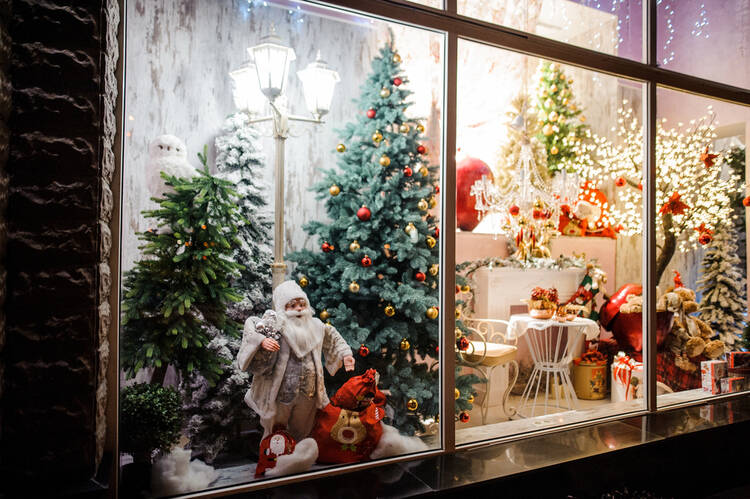
Window displays are one of the most effective ways to catch the attention of families walking by.
Use colorful setups, holiday themes, interactive elements, or moving displays to showcase your most visually appealing products.
A well-designed window display sparks curiosity and invites people to come inside.
Change the displays regularly to stay relevant and exciting. Make sure the window is clean, well-lit, and arranged in a way that tells a story.
Window displays act as your store’s first impression and marketing tool, helping convert passersby into paying customers by showing what makes your toy store fun and unique.
-
Integrate Child-Safe Furniture and Fixtures
Since children are your primary customers, prioritize child-safe furniture such as rounded-edge tables, soft seating, safety-compliant shelves, and secured display units.
Avoid sharp corners, unstable racks, or fragile decorations within children’s reach. Safe furniture builds trust with parents and reduces accidents.
Soft mats, carpeting, and rubber floor tiles also help cushion falls and create a comfortable environment.
Child-safe designs encourage parents to let their kids explore freely, which results in a more relaxed shopping experience.
Safety-focused fixtures ensure your store is both playful and secure, reinforcing your commitment to providing a family-friendly retail space.
-
Include Sensory-Friendly Elements
Adding sensory-friendly elements makes your toy store welcoming for children who may be sensitive to noise, light, or crowded spaces.
This can include a calm zone with soft lighting, tactile wall panels, fidget toys, muted color sections, or sound-absorbing materials.
Sensory-friendly features help reduce overstimulation and support neurodiverse children, making the store more inclusive.
Parents will appreciate the thoughtful design and may choose your store over others because of it.
This approach expands your customer base and positions your business as compassionate and modern.
Sensory-friendly design enhances comfort, encourages longer visits, and delivers a better experience for all families.
-
Use Strategic Lighting to Highlight Products
Lighting plays a major role in how customers perceive your store. Use warm, bright lighting to create a cheerful atmosphere and ensure products are clearly visible.
Spotlights can highlight certain toys or themed areas, drawing attention to featured items.
Avoid harsh fluorescent lighting that may overwhelm children. Instead, incorporate LED strips, fairy lights, or decorative lamps to make the store feel cozy and magical.
Good lighting enhances colors, improves navigation, and adds polish to your displays.