Do you want to start a business in the waste management industry?
If YES, here are 25 profitable waste disposal business ideas, including options you can start with relatively little capital.
Waste is one of those business opportunities that most people would rather not think about. That is precisely what can make it interesting.
Homes, restaurants, construction companies, offices, factories, repair shops and hospitals continuously generate materials they need someone else to remove.

And the business opportunity is no longer limited to collecting garbage and taking it to a landfill.
You can make money collecting specific waste streams, sorting reusable materials, supplying recyclers, renting dumpsters, recovering scrap, collecting food waste or providing specialized disposal services.
If you are starting with limited capital, concentrate on collection and hauling rather than trying to build a landfill, recycling plant or waste-treatment facility.

You can start with one truck or trailer, develop recurring customers and then add equipment as the business grows.
General Waste Collection and Hauling
1. Residential Junk Removal
Junk removal is one of the easiest ways to enter the waste industry without building a processing facility.
Customers pay you to remove unwanted furniture, appliances, boxes, garage clutter and other non-hazardous household items.
You can then separate anything reusable, recyclable or resellable before taking the remaining waste to an authorized facility. A pickup truck and utility trailer may be enough to start on a small scale.
2. Household Trash Collection
Some rural communities, mobile-home parks, apartment complexes and other areas do not have convenient municipal collection.
You can establish scheduled weekly garbage pickup and charge customers a recurring monthly fee.
The most important issue is securing an approved facility that will legally accept the waste before you begin collecting it.
3. Commercial Waste Collection
Small restaurants, offices, shops, warehouses and other businesses generate predictable waste every week.
Commercial contracts can therefore be more attractive than relying solely on one-time residential jobs.
You might specialize in smaller businesses that are poorly served by the large national waste companies.
4. Roll-Off Dumpster Rental

Contractors, homeowners and property managers frequently need temporary dumpsters for renovations, cleanouts and construction projects.
You deliver the container, leave it for an agreed period and charge for rental and hauling.
Startup costs are higher because you need containers and an appropriate truck, but each dumpster can generate rental revenue repeatedly.
5. Estate and Property Cleanout Service

Entire houses sometimes need to be cleared after an estate settlement, foreclosure, eviction, renovation or property sale.
These jobs can be considerably larger than ordinary junk-removal assignments.
You may also discover furniture, tools, antiques and other usable products that can legally be resold, donated or recycled instead of discarded.
Construction and Landscaping Waste
6. Construction and Demolition Debris Hauling

Construction and renovation create materials such as concrete, drywall, timber, roofing, metal, flooring and packaging.
Contractors need these materials removed quickly so their job sites remain usable.
You can offer scheduled debris pickup or leave containers on-site and charge according to volume, weight and disposal cost.
Some construction materials can be separated for recycling rather than landfilled.
7. Deconstruction and Building Material Recovery
Demolition destroys a building quickly. Deconstruction removes useful components more carefully so they can be reused.
You can recover items such as doors, cabinets, plumbing fixtures, timber, lighting and architectural components before demolition begins.
Your income can come from the removal service and from selling reusable materials.
8. Yard Waste and Brush Collection
Leaves, branches, grass clippings, hedge trimmings and storm debris create regular work in many communities.
You can serve homeowners, landscapers, property managers and commercial facilities.
Instead of treating everything as garbage, collected organic material may be taken to an approved composting or mulching operation.
9. Storm Debris Cleanup
Strong winds, hurricanes and major storms can leave properties covered with branches, damaged fencing and other debris.
A properly equipped cleanup company can provide emergency debris removal for homeowners, property managers and businesses.
The work can be seasonal and unpredictable, so it is better added to a broader junk-removal or landscaping operation than relied on as your only service.
Food and Organic Waste
10. Restaurant Food Waste Collection

Restaurants, hotels, cafeterias, supermarkets and institutional kitchens generate large quantities of organic waste.
You can provide separate bins and scheduled food-scrap collection, then deliver the material to a composting or anaerobic-digestion facility that accepts it.
The recurring route model can become attractive once you have enough businesses concentrated in one area.
11. Composting Business

If your local zoning and environmental rules permit it, you can turn food scraps, leaves and other suitable organic materials into compost.
The finished product can be sold to gardeners, landscapers, farms, nurseries and soil suppliers.
Start small and make sure you understand contamination, odors, drainage and local composting regulations before accepting large volumes.
12. Used Cooking Oil Collection
Restaurants and commercial kitchens continually generate used frying oil. You can establish collection routes and supply the accumulated oil to companies that process it for industrial uses or fuel-related applications.
Dense restaurant districts are particularly attractive because several customers can be serviced on one route.
13. Grease Trap Waste Collection
Restaurants and commercial kitchens need grease traps maintained to prevent fats, oils and grease from entering sewer systems.
Grease-trap pumping requires specialized equipment, so startup costs are higher than ordinary junk removal.
However, the recurring maintenance requirement can provide predictable commercial contracts once you become properly licensed and equipped.
Recyclable Materials
14. Electronic Waste Collection
Homes and businesses continually replace computers, monitors, printers, phones and other electronics.
You can collect unwanted devices and deliver them to approved electronics recyclers or refurbish suitable equipment where practical.
Business customers may also pay for secure removal of obsolete IT equipment.
Check state rules carefully because electronic-waste requirements vary considerably.
15. Scrap Metal Collection
Scrap metal can provide two potential revenue streams. You may charge customers to remove unwanted metal and then sell sorted material to a scrap processor.
Possible sources include construction companies, repair shops, farms, manufacturing businesses, appliance installers and homeowners. Separating higher-value metals from ordinary steel can improve margins.
16. Cardboard Collection Service
Retail stores, warehouses and e-commerce businesses can generate mountains of cardboard.
You can collect it on scheduled routes and sell compacted material into recycling channels.
The challenge is that cardboard is bulky compared with its value, so route density and volume are important. A baler can become useful once your business reaches sufficient scale.
17. Wooden Pallet Collection and Recovery
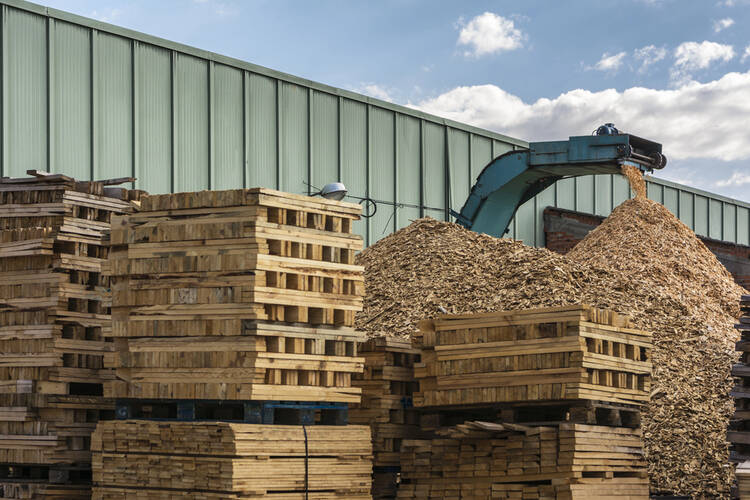
Warehouses, manufacturers and distribution centers frequently accumulate broken or unwanted pallets.
You can collect them, repair usable pallets and sell them back into the logistics market.
Damaged timber that cannot economically be repaired may have other recycling or recovery options depending on your local market.
18. Waste Tire Collection

Tire shops, auto repair businesses and fleet operators generate used tires continuously.
You can collect them and deliver them to approved tire processors, recyclers or disposal facilities.
Do not simply stockpile tires while trying to find a buyer. Large tire piles can create serious fire, mosquito and regulatory problems. Know exactly where the tires will go before accepting them.
19. Appliance Pickup and Recycling
Refrigerators, washing machines, dryers, stoves and other appliances are difficult for homeowners to move themselves.
You can charge for pickup and then route appliances toward reuse, parts recovery, scrap processing or authorized recycling.
Refrigerators and certain cooling equipment require special handling because of refrigerants, so do not dismantle them casually.
20. Mattress Collection and Recycling
Mattresses are large, awkward and expensive for households and hotels to dispose of.
You can provide pickup services for homes, hotels, student housing, apartment complexes and furniture retailers.
Where mattress recyclers operate, components such as foam, metal and fiber may be recovered instead of sending the entire mattress to a landfill.
21. Textile and Clothing Collection
Discarded clothing, shoes, linens and other textiles create another specialized collection opportunity.
You can place collection bins, partner with apartment buildings or arrange scheduled pickups.
Usable goods may be directed toward resale or reuse while damaged textiles may go into textile-recycling channels where available.
Automotive and Specialized Waste
22. Used Motor Oil Collection
Auto repair shops, quick-lube businesses, fleets, marinas and industrial operations generate used oil regularly.
A properly operated collection company can pick up the oil and deliver it to approved processors, re-refiners or other authorized destinations. This is regulated work.
Once you transport used oil commercially, federal and state rules concerning identification numbers, storage, tracking, spill prevention and transportation may apply.
23. Battery and Universal Waste Collection
Businesses need safe ways to dispose of batteries, fluorescent lamps and other regulated materials.
You can build a collection service around these waste streams and transport them to appropriate recyclers or treatment facilities.
Lithium-ion batteries deserve particular care because damaged or improperly handled batteries can create fire risks.
Federal universal-waste rules cover categories including certain batteries, lamps, mercury-containing equipment, pesticides and aerosol cans, while states may add their own requirements.
24. Medical Waste Collection

Clinics, dental practices, laboratories, veterinary facilities and other healthcare businesses generate regulated medical waste.
A properly licensed collection company can provide approved containers, scheduled pickup, documentation and transport to appropriate treatment facilities.
This is not a business to enter casually. Medical-waste rules are primarily established by individual states, and requirements can involve training, packaging, vehicles, tracking and approved treatment arrangements.
You should secure the required permits and downstream treatment partner before signing your first customer.
25. Hazardous Waste Collection and Transportation
Factories, laboratories, automotive businesses and other commercial operations may generate solvents, chemicals and other hazardous wastes that cannot be handled as ordinary garbage.
A specialized transporter can collect these materials and move them to authorized recycling, treatment, storage or disposal facilities.
Entry costs and regulatory requirements are much higher than ordinary waste hauling.
Hazardous-waste transporters operating in the United States generally need an EPA identification number and must comply with applicable manifest, transportation and state requirements.
This can become a valuable B2B business, but it is better suited to an experienced waste professional than a beginner looking for a low-capital startup.
Which Waste Disposal Businesses Can You Start With Little Capital?
If you have limited money, do not begin by buying specialized hazardous-waste trucks or attempting to build a recycling plant. The more realistic low-capital opportunities include:
- Residential junk removal
- Estate cleanouts
- Yard-waste pickup
- Scrap-metal collection
- Cardboard pickup
- Pallet collection
- Appliance removal
- Textile collection
You may be able to start several of these businesses using a pickup truck, trailer and basic hauling equipment.
Your biggest early advantage will not necessarily be sophisticated technology.
It will be answering the phone, arriving when promised, giving clear prices and knowing exactly where each type of material can legally be taken.