
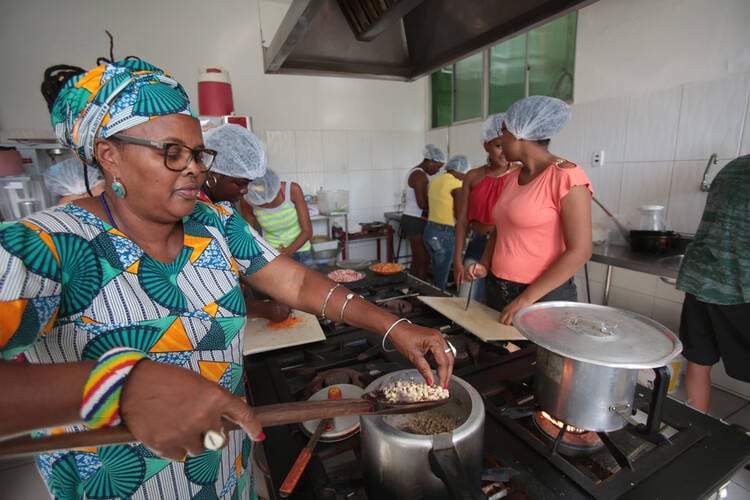
For African restaurants, incorporating cultural elements, vibrant colors, authentic décor, and functional seating arrangements can help create a unique and memorable experience.
A thoughtfully planned floor layout also improves customer flow and staff efficiency.
In this article, we are going to look at some of the best African restaurant interior design ideas, floor plan concepts, and layout tips.

Best African Restaurant Interior Design Ideas
-
Incorporate Authentic African Artwork
Authentic African artwork is one of the best ways to create a unique and memorable restaurant atmosphere.
Consider decorating your walls with traditional paintings, tribal masks, sculptures, woven baskets, or handcrafted pieces that reflect the culture and heritage of different African regions.
These elements add character and help tell a story that enhances the dining experience.
Carefully selected artwork can also serve as conversation starters for guests and strengthen your restaurant’s brand identity.
By incorporating genuine African artistic expressions, you create an environment that feels both culturally rich and visually appealing to customers.
-
Use Warm Earth-Tone Color Schemes
Warm earth-tone colors such as brown, terracotta, gold, beige, burnt orange, and deep red can help create a welcoming African-inspired atmosphere.
These colors reflect the natural landscapes found across many parts of Africa and provide a sense of warmth and comfort.
They can be incorporated into walls, furniture, flooring, upholstery, and decorative accents.
A carefully chosen color palette helps establish a cohesive design theme throughout the restaurant.
In addition to enhancing aesthetics, warm colors can positively influence customer mood and encourage a relaxed dining experience that aligns with the restaurant’s cultural concept.
-
Create a Spacious and Functional Layout
A spacious and functional floor plan is essential for both customer comfort and operational efficiency.
Tables should be arranged to provide adequate personal space while allowing servers to move freely throughout the dining area.
Avoid overcrowding the restaurant with excessive furniture, as this can make the space feel uncomfortable and difficult to navigate.
Clearly defined pathways improve customer flow and reduce congestion during busy periods.
A well-planned layout also supports faster service and enhances the overall dining experience.
-
Feature African-Inspired Lighting
Lighting plays a major role in setting the mood of an African restaurant. Consider using pendant lights, lantern-style fixtures, woven lampshades, or handcrafted lighting elements that complement the African theme.
Warm lighting creates a cozy and intimate atmosphere that encourages guests to relax and enjoy their meals.
Strategic lighting can also highlight artwork, architectural details, and decorative features throughout the restaurant.
Combining ambient, accent, and task lighting helps achieve a balanced environment that is both functional and visually appealing.
-
Incorporate Natural Materials
Natural materials such as wood, stone, bamboo, rattan, and woven fibers are commonly associated with African-inspired interior design.
These materials add texture, warmth, and authenticity to the space while creating a strong connection to nature.
Wooden tables, woven chairs, stone accents, and natural decorative pieces can help establish a rustic yet elegant atmosphere.
In addition to their visual appeal, natural materials are often durable and sustainable choices for restaurant interiors.
Incorporating these elements thoughtfully can create a welcoming environment that reflects traditional African aesthetics while maintaining a modern and professional appearance.
-
Design a Welcoming Entrance
The entrance is often the first impression customers have of your restaurant.
A welcoming entrance featuring African-inspired décor, attractive signage, plants, and cultural design elements can immediately capture attention and set expectations for the dining experience.
Consider incorporating decorative doors, murals, or architectural details that reflect African heritage. The entrance should also be clean, organized, and easy to access.
A strong first impression encourages walk-in customers and helps establish your restaurant’s identity.
-
Use Comfortable and Stylish Seating
Comfortable seating is essential for customer satisfaction and can influence how long guests choose to stay.
Select chairs, booths, and seating arrangements that provide adequate support while complementing the restaurant’s African theme.
Upholstery featuring African-inspired patterns, fabrics, or colors can add character to the dining area without overwhelming the design.
Seating should also be arranged to accommodate different group sizes, including couples, families, and larger gatherings.
Comfortable seating encourages customers to relax and enjoy their meals, which can lead to longer visits, positive reviews, and increased repeat business.
-
Create a Cultural Feature Wall
A cultural feature wall can serve as a focal point within your African restaurant.
This wall may include murals, maps of Africa, traditional patterns, historical photographs, or displays showcasing cultural heritage.
Feature walls add visual interest and help reinforce the restaurant’s theme.
They also provide excellent opportunities for social media photos, which can increase online visibility and customer engagement.
A thoughtfully designed feature wall allows customers to connect with the restaurant’s story and creates a memorable experience.
-
Incorporate Indoor Plants and Greenery
Indoor plants and greenery can enhance the atmosphere of an African restaurant by bringing a natural and refreshing element into the space.
Large potted plants, tropical species, and decorative greenery help soften the interior and create a more inviting environment. Plants also improve air quality and contribute to a sense of relaxation.
When integrated with natural materials and warm colors, greenery strengthens the connection to nature that is often associated with African-inspired design.
Carefully placed plants can define spaces, add visual texture, and create a more vibrant and welcoming dining atmosphere.
-
Optimize Kitchen-to-Dining Flow
An efficient floor plan should support smooth movement between the kitchen and dining areas.
The distance servers travel should be minimized to improve service speed and reduce staff fatigue.
Clearly designated pathways help prevent congestion and improve safety during busy periods.
The kitchen should be positioned for easy access while minimizing noise and disruption to guests.
A well-organized layout improves communication between front-of-house and back-of-house teams, resulting in faster service and better customer experiences.
Optimizing workflow is one of the most important aspects of restaurant design and operational success.
-
Showcase Traditional African Textiles
Traditional African textiles can add color, texture, and cultural authenticity to your restaurant interior.
Fabrics inspired by Ankara, Kente, Mudcloth, or other traditional patterns can be used for cushions, curtains, wall hangings, and upholstery.
These textiles create visual interest and help establish a distinctive design identity.
When used thoughtfully, they can complement other decorative elements without overwhelming the space.
Traditional fabrics also provide opportunities to celebrate African craftsmanship and heritage.
-
Include Private and Group Dining Areas
Providing a mix of seating options allows your restaurant to accommodate different customer needs.
Private dining sections are ideal for celebrations, business meetings, and special events, while larger group areas cater to families and social gatherings.
Flexible seating arrangements help maximize occupancy and improve customer satisfaction.
Dividers, decorative screens, or strategic furniture placement can create separate zones without making the space feel enclosed.
Offering various dining options enhances versatility and allows guests to choose an environment that suits their preferences. This flexibility can help attract a broader customer base.
-
Display African Culinary Heritage
Highlighting African culinary heritage through visual displays can strengthen the restaurant’s identity and educate customers about the cuisine.
Consider showcasing traditional cooking utensils, spice displays, regional food maps, or information about cultural food traditions.
These elements create a deeper connection between the décor and the menu.
Customers often appreciate learning about the origins and significance of the dishes they are enjoying.
Educational displays can also differentiate your restaurant from competitors and create a more immersive dining experience.
-
Utilize Open Dining Concepts
Open dining concepts create a sense of space and encourage a lively atmosphere.
By minimizing unnecessary partitions and maintaining clear sightlines throughout the restaurant, customers feel more connected to the environment.
Open layouts can also improve natural light distribution and make smaller spaces appear larger.
When combined with carefully placed décor and seating arrangements, open dining areas provide both comfort and functionality.
This design approach encourages social interaction while maintaining efficient service operations.
A well-executed open layout contributes to a welcoming atmosphere that appeals to a wide range of diners.
-
Ensure Strong Branding Throughout the Space
Every design element in your restaurant should support your overall brand identity.
From signage and color schemes to furniture and decorative accents, consistency helps create a memorable customer experience.
African-themed restaurants can reinforce their brand by incorporating cultural motifs, storytelling elements, and visual references throughout the space.
Strong branding helps customers immediately understand what makes the restaurant unique and encourages brand recognition.
Consistent design also improves marketing efforts, especially on social media, where customers often share photos of their dining experiences.