

Do you want to start a business that turns farm produce into higher-value products?
If YES, here are 50 profitable agro-processing business ideas you can start on a small, medium or larger scale.
One of the biggest opportunities in agriculture is not necessarily growing crops yourself.
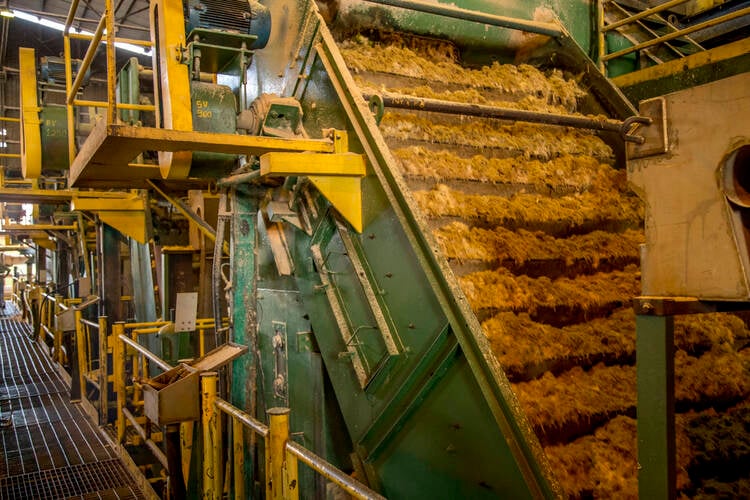
It is taking what farmers already produce and turning it into something customers will pay more for.
A farmer may sell fresh tomatoes cheaply during harvest season because the fruit will spoil within days.
A processor can turn those tomatoes into sauce, puree or paste that can remain marketable much longer. The same principle applies to:
- Milk turned into cheese or yogurt;
- Peanuts turned into peanut butter or oil;
- Fruit turned into juice or dried snacks;
- Cassava turned into flour or starch;
- Grain turned into flour;
- Sugarcane turned into syrup, sugar or molasses; and
- Agricultural waste turned into compost or animal feed ingredients.
That process is what makes agro-processing interesting. You are not simply selling an agricultural commodity. You are adding convenience, shelf life, branding or functionality that can justify a higher selling price.
If you are still considering other parts of the agricultural value chain, you can also review our broader list of agriculture business ideas.
Best Agro-Processing Business Ideas
Fruit and Vegetable Processing Businesses
1. Fruit Juice Production

If fruit is plentiful in your area, juice production can help convert a highly perishable crop into a packaged product. You might specialize in:
- Orange juice
- Pineapple juice
- Mango juice
- Apple juice
- Mixed-fruit drinks
A small processor is usually better off starting with one or two fruits that are readily available locally rather than installing equipment for ten different products immediately. You can also review our fruit juice production business plan.
2. Dried Fruit Production
Drying can significantly extend the useful life of fruit that might otherwise spoil.
You can process mangoes, bananas, pineapples, apples and other suitable fruits into packaged snacks.
The business can begin with relatively modest dehydration equipment and grow into branded retail packaging later.
3. Banana and Plantain Chips Production

Banana and plantain chips are good examples of adding value to agricultural produce using fairly straightforward processing.
You slice the produce, process it appropriately, fry or bake it, season it and package it for sale.
Your opportunity is not merely producing chips. Packaging, flavor, consistency and distribution will determine whether the business grows beyond a small local operation.
4. Potato Chips Production
Potatoes can be processed into branded ready-to-eat snacks. You can begin with classic salted chips and later introduce different flavors.
The biggest commercial challenge is achieving consistent thickness, crispness and oil quality while controlling production waste.
5. Tomato Processing

Tomatoes are extremely perishable, which makes processing particularly useful in regions with large seasonal harvests. You can produce:
- Tomato puree
- Tomato sauce
- Tomato paste
- Ketchup
- Crushed tomatoes
The business works best when you can secure reliable raw material at predictable prices.
6. Mango Processing

Mangoes can be converted into several products instead of relying entirely on fresh-fruit sales. Possible products include:
- Juice
- Pulp
- Puree
- Jam
- Dried mango
- Fruit leather
This can be particularly attractive in areas where large quantities of ripe mangoes become cheap during peak season.
7. Jam and Jelly Production

You can produce jam from strawberries, mangoes, pineapples, berries and other suitable fruits.
This is one of the agro-processing businesses that can begin relatively small because you do not necessarily need a huge factory at the beginning.
Consistency, food safety, packaging and shelf-life control become increasingly important as production expands.
8. Pickle Production

Vegetables and fruits can be preserved through pickling and sold as value-added food products.
Your product could target household consumers, restaurants or specialty-food retailers.
You can learn more from our guide on starting a pickle business.
9. Vegetable Drying and Dehydration

Onions, peppers, leafy vegetables, tomatoes and other crops can be dehydrated to extend shelf life and reduce transportation weight. Your customers might include:
- Households
- Restaurants
- Food manufacturers
- Seasoning companies
Commercial food manufacturers can be particularly attractive B2B customers because they may purchase dried ingredients repeatedly.
10. Onion and Garlic Paste Production
Convenience products can command more value than raw vegetables. Restaurants and busy households may prefer ready-to-use onion, garlic or ginger-garlic paste instead of preparing the ingredients from scratch.
The challenge is developing safe processing, preservation and packaging that produces a dependable shelf life.
Grain, Root and Tuber Processing Businesses
11. Flour Milling
Grains and other agricultural products can be milled into flour for households, bakeries and food manufacturers. Depending on what is produced locally, you might process:
- Wheat
- Maize
- Rice
- Millet
- Sorghum
- Cassava
- Yam
You do not necessarily need to compete directly with giant flour mills. Specialty and regional flours can provide an easier entry point.
12. Cassava Processing
Cassava is unusually versatile. Depending on your market and processing capability, it can be converted into:
- Flour
- Starch
- Garri
- Animal-feed ingredients
- Industrial ingredients
Locating near cassava farms is important because transporting bulky fresh roots over long distances adds cost.
You can use our cassava processing plant business plan as a planning reference.
13. Garri Processing
Where cassava is widely consumed, garri processing can be established at village, cooperative or industrial scale.
A processor can buy cassava from surrounding farmers rather than owning all the farmland.
Better drying, hygienic processing and attractive packaging can help distinguish your product from unbranded alternatives.
14. Rice Milling
A rice mill removes husks and processes harvested paddy into marketable rice.
A small or medium processor may offer milling as a service to farmers or buy paddy, process it and sell branded rice.
Before buying machinery, determine how much paddy is actually produced within economical hauling distance of the proposed mill.
15. Maize Milling
Maize can be converted into meal, flour and other food ingredients. This can work as a local processing business because farmers and consumers often need milling close to where maize is produced and consumed.
By-products can sometimes be sold into animal-feed markets rather than discarded.
16. Millet and Sorghum Processing
Millet and sorghum can be cleaned, milled, blended and packaged into consumer or commercial food products.
You might sell flour directly to households or develop ready-to-cook blends around local foods.
Packaging these grains as convenient modern products can create substantially more value than merely trading the raw grain.
17. Yam Flour Production
Fresh yam is bulky and perishable compared with processed flour. You can clean, slice, dry and mill suitable yams into packaged flour for consumers who value convenience.
The quality of your raw yam, drying method and moisture control will have a major effect on the final product.
18. Potato Flour and Potato Flake Production
Potatoes can be converted into flour, flakes and other ingredients used in processed foods.
This is more equipment-intensive than selling fresh potatoes, but it creates opportunities to serve food manufacturers rather than only retail consumers.
19. Breakfast Cereal Production
You can process grains such as maize, oats, millet or sorghum into ready-to-eat or quick-cook breakfast products. A smaller producer can differentiate with:
- Local grains
- Distinct flavors
- Simple ingredient lists
- Family-size packaging
This business requires good formulation and packaging because you will compete with established consumer brands.
20. Baking Mix Production
Instead of simply selling flour, you can create higher-value mixes for pancakes, waffles, bread or other baked products.
The customer is paying for convenience because the dry ingredients have already been measured and blended.
Oil, Nut and Seed Processing Businesses
21. Groundnut Oil Production
Peanuts can be cleaned and processed into edible groundnut oil. The remaining oil cake may also have value as an animal-feed ingredient, subject to quality and safety requirements.
A processing business should therefore calculate revenue from useful by-products rather than considering the oil alone.
22. Peanut Butter Production
This is a more accessible way to add value to peanuts than building a large edible-oil refinery. You can start with plain peanut butter and later introduce:
- Crunchy varieties
- Flavored products
- Unsweetened products
- Food-service packs
Control allergens and food safety carefully.
23. Roasted and Flavored Nut Processing
Groundnuts, cashews and other nuts can be roasted, seasoned and packaged as snacks.
Small packages can carry much greater value per pound than unprocessed nuts sold in bulk.
Distribution through supermarkets, convenience stores, bars, hotels and online channels can help the operation scale.
24. Cashew Nut Processing
Raw cashew nuts require substantial processing before the kernel reaches consumers. The operation can include:
- Steaming or cooking
- Shelling
- Drying
- Peeling
- Grading
- Packaging
Cashew processing requires care because the shell contains irritating substances and workers need appropriate equipment and procedures.
25. Coconut Oil Production
Coconuts can be processed into edible or cosmetic-grade oil depending on your production method and market.
Locating close to a reliable coconut supply is especially important because raw-material cost can determine whether the processing business is competitive.
26. Virgin Coconut Products
You do not have to limit a coconut business to oil. A processor may also explore:
- Desiccated coconut
- Coconut flour
- Coconut chips
- Coconut milk
- Coconut cream
Producing several products from the same raw material can help reduce waste and improve overall plant economics.
27. Palm Oil Processing
Palm fruit can be processed into oil for food and industrial markets. This business can range from relatively simple local mills to highly mechanized industrial plants.
The processing facility should be located close to a dependable source of fresh palm fruit because the fruit is best processed promptly after harvesting. You can review our palm oil processing business plan.
28. Sesame Seed Processing
Sesame can be cleaned, hulled, roasted, packaged or pressed for oil. Rather than simply trading raw sesame, you can create value by selling cleaned and graded food-grade seed or developing retail sesame products.
29. Sunflower Oil Processing
Sunflower seed can be pressed to produce edible oil, with the remaining meal potentially supplying the feed industry.
Small-scale pressing may be possible, while refining and large-scale bottling require considerably more investment.
30. Specialty Cold-Pressed Oil Production
A smaller processor may have better prospects focusing on premium oils rather than competing with enormous commodity-oil companies. Depending on local crops, products may include:
- Sesame oil
- Groundnut oil
- Sunflower oil
- Coconut oil
The commercial proposition becomes quality, traceability and specialty positioning rather than simply being the cheapest oil on the shelf.
Herbs, Spices and Sweetener Processing
31. Spice Grinding and Packaging

Spice processing can begin much smaller than many other agro-processing businesses.
You can clean, dry, grind and package individual spices or create proprietary blends.
Possible customers include households, restaurants, caterers and food manufacturers. Our guide on starting a spice business explains the model in more detail.
32. Seasoning Blend Production
Instead of selling individual spices, combine several ingredients into a convenient seasoning designed for a particular use. Examples include:
- Barbecue seasoning
- Chicken seasoning
- Seafood seasoning
- Curry blends
- Vegetable seasoning
A distinctive formula and recognizable brand can give you more pricing power than selling undifferentiated commodity spices.
33. Ginger Processing
Fresh ginger can be processed into several higher-value products. Options include:
- Dried ginger
- Ginger powder
- Ginger paste
- Ginger beverages
- Ginger oil
Choose the product based on your buyers rather than processing ginger first and hoping a market appears afterward.
34. Dried Herb Processing
Herbs can be dried, cleaned and packaged for culinary use. You can sell individual herbs or combine them into specialty blends.
Restaurants and food manufacturers can become useful wholesale customers.
35. Honey Processing and Packaging

Honey processing generally involves filtering and preparing harvested honey for hygienic packaging and sale. You do not necessarily have to own all the beehives yourself.
A processor can source from beekeepers, standardize quality and build a retail brand.
Traceability and avoiding adulteration are especially important if you want customers to pay for premium honey.
36. Sugarcane Processing
Sugarcane can be processed into sugar, syrup, molasses and other products.
This business becomes increasingly capital-intensive as you move toward refined sugar production.
A processor therefore needs to decide whether the target is a small specialty product or a full industrial mill.
Dairy, Meat and Protein Processing Businesses
37. Milk Processing and Packaging
Raw milk has a short usable life and requires careful temperature control.
A processor can pasteurize and package milk for consumers, retailers and institutional buyers.
The operation needs dependable raw milk collection, refrigeration and rigorous sanitation.
38. Yogurt Production
Yogurt can be manufactured on a smaller scale than many other dairy products.
You can sell plain or flavored varieties through supermarkets, cafés, schools and direct delivery. Cold-chain management remains important throughout distribution.
39. Cheese Production
Turning milk into cheese can create substantially more value and, depending on the product, extend shelf life.
A smaller producer may be better suited to specialty or regional cheeses rather than trying to compete with industrial commodity producers.
40. Meat Processing

Meat can be cut, processed, packaged or converted into value-added products. Depending on licensing and facilities, a business might produce:
- Sausages
- Smoked meat
- Marinated meat
- Portioned cuts
- Other processed products
Food safety and inspection requirements make this more regulated than simple dry-food processing.
41. Poultry Processing and Packaging
Poultry growers need a route from live birds to properly processed, chilled or frozen products.
A processor can serve its own poultry farm or provide processing services to independent growers. You can also develop branded whole birds, portions or marinated products.
Our guide to starting a frozen food business may also be useful when developing the distribution side.
42. Fish Smoking and Processing
Fish can be smoked, dried, frozen, filleted or otherwise processed to extend shelf life and increase convenience.
This is particularly attractive in regions where fish farming or commercial fishing already supplies a reliable volume of raw material.
Improved hygienic smoking and packaging can also help a processor move beyond informal local markets.
Feed, By-Product and Agricultural Waste Processing
43. Livestock Feed Production

Feed manufacturers combine agricultural ingredients into nutritionally appropriate feed for livestock. You can specialize in:
- Poultry feed
- Cattle feed
- Pig feed
- Other livestock feed
Formulation is critical. Cheap feed that performs poorly will not retain serious farmers.
Our guide on starting a livestock feed production company provides additional information.
44. Fish Feed Production
Aquaculture creates demand for properly formulated feeds. A fish-feed operation can serve local fish farmers and eventually expand into different pellet sizes and formulations.
The nutritional formulation, pellet stability and feed-conversion performance matter more than simply making the cheapest product possible.
45. Crop Residue Feed Processing
Some suitable agricultural by-products can be processed into feed ingredients rather than discarded.
Examples may include certain milling residues, oilseed cakes and properly processed crop by-products.
Work with qualified animal-nutrition professionals because not every agricultural residue is safe or nutritionally suitable for livestock.
46. Compost Production

Crop residues, suitable food waste and other organic materials can be processed into compost for farms, landscapers and gardeners.
You can make money from the finished product and, in some business models, also earn from collecting organic material. See our guide on starting a composting business.
47. Vermicompost Production
Vermicomposting uses suitable worms to convert organic material into a nutrient-rich soil amendment.
This can be started considerably smaller than an industrial fertilizer factory. Potential customers include:
- Gardeners
- Nurseries
- Greenhouses
- Organic farms
- Landscaping businesses
48. Fruit and Vegetable Waste Processing
Peels, pulp and other processing residues should not automatically be treated as worthless waste.
Depending on the material and local market, some by-products can be converted into:
- Compost
- Feed ingredients
- Fiber ingredients
- Other industrial inputs
A larger processor should investigate possible by-product revenue before paying to dispose of everything.
49. Seed Cleaning, Grading and Packaging
Farmers and agricultural suppliers need seed that has been cleaned, graded and prepared appropriately for planting.
A specialist processor can purchase or receive harvested seed, remove unwanted material, grade it and package it for distribution.
If you sell seed for planting rather than ordinary grain for consumption, certification, labeling and agricultural regulations may apply.
50. Contract Agro-Processing Business
You do not necessarily need to own the agricultural commodity or develop your own consumer brand.
You can process products for farmers and smaller food companies for a fee. For example, your facility might provide:
- Grinding
- Drying
- Oil pressing
- Milling
- Blending
- Packaging
A farmer delivers the raw product, you process it according to agreed specifications and charge for the service.
This can reduce your exposure to commodity-price fluctuations because you earn primarily from processing capacity rather than betting on the future selling price of the crop.
Best Agro-Processing Businesses to Start With Limited Capital
If your budget is small, I would not begin with a palm-oil refinery, large rice mill or industrial meat-processing plant.
Look first at products where equipment can be added gradually. Examples include:
- Spice grinding and packaging
- Seasoning blends
- Dried fruit
- Banana or plantain chips
- Peanut butter
- Roasted nuts
- Jam and jelly
- Pickles
- Honey packaging
- Vermicompost
These businesses still require proper food-safety practices and any permits applicable to your location, but they generally offer an easier entry point than building a large industrial processing facility.
Which Agro-Processing Businesses Need More Capital?
The more machinery, refrigeration, utilities and regulatory infrastructure required, the more money you should expect to invest. Examples include:
- Large rice mills
- Palm oil mills
- Edible oil refining
- Meat processing
- Poultry processing
- Large dairy plants
- Sugar mills
- Large feed mills
Do not choose one simply because the finished product has a large market.
A huge market is not useful if your plant needs $2 million in working capital and you have $50,000.
How to Choose the Right Agro-Processing Business
1. Start With the Raw Material
Look at what farmers around you already produce in meaningful quantities.
If your region produces enormous quantities of tomatoes but hardly any coconuts, tomato processing may make much more sense than coconut oil.
2. Identify the Processing Problem
Ask what happens to the crop after harvest.
- Does a large quantity spoil?
- Are farmers forced to sell cheaply during harvest?
- Do manufacturers transport the crop hundreds of miles for processing?
Those problems can reveal where value can be created.
3. Find the Buyer Before Buying the Machine
This is one of the most important rules. Do not purchase a processing line simply