
Available data shows that brewpubs in the United States make an average of $500,000 to $1.5 million yearly, depending on their size, location, and customer base.
Smaller brewpubs or those in less busy areas may earn on the lower end, while well-established brewpubs in high-traffic cities can generate significantly higher revenues.

Factors such as beer production capacity, food sales, location, pricing strategy, quality of craft beer, customer experience, and operational efficiency and brand reputation also play a major role in determining overall income.
Profit Margin of a Brewpub Business
The profit margin of a brewpub business usually ranges from 10% to 20%, depending on factors such as production efficiency, pricing, and operating cost.
Brewpubs benefit from brewing their own beer, which typically offers higher margins than reselling commercial beverages.
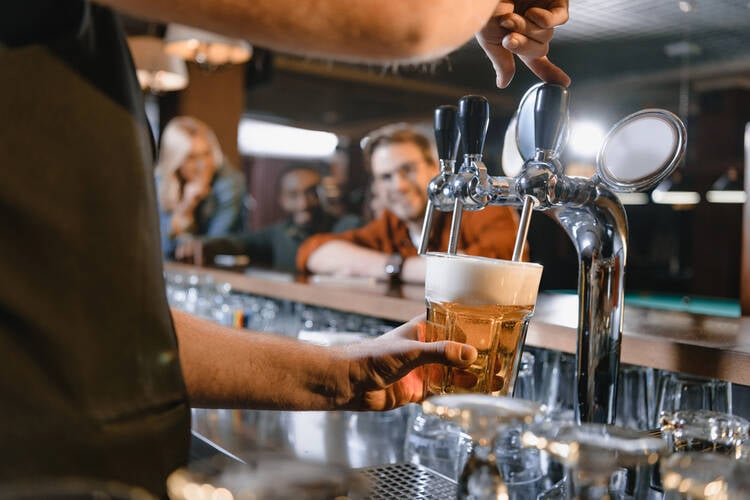
However, expenses like equipment, rent, staff wages, and raw materials can impact overall profitability.
Food sales also play a significant role, as a strong kitchen operation can increase average customer spending and help stabilize income throughout the year.
Factors That Influence the Income of a Brewpub Business
-
Location and Foot Traffic
Brewpubs situated in busy urban centers, entertainment districts, or tourist areas tend to attract more customers due to higher foot traffic.
Easy accessibility, parking availability, and proximity to offices or residential areas also play a role.
While prime locations come with higher rent, they often generate more consistent sales.
A well-chosen location can significantly increase customer visits, especially during weekends and events, ultimately boosting overall annual income.
-
Beer Quality and Variety
The quality and variety of beer offered are essential for attracting and retaining customers.
Brewpubs that produce unique, flavorful, and consistent craft beers tend to build a loyal customer base.
Offering a wide selection, including seasonal and specialty brews, keeps customers interested and encourages repeat visits.
High-quality ingredients and skilled brewing techniques may increase costs but can justify premium pricing.
A strong beer lineup can also lead to positive reviews and word-of-mouth promotion, which directly contributes to higher yearly revenue.
-
Food Menu and Pairings
A well-designed food menu complements the beer offerings and can significantly boost revenue.
Brewpubs that serve delicious meals alongside their craft beers can increase average spending per customer.
Offering food pairings, snacks, and full meals encourages longer stays and higher bills.
The quality and pricing of food items should align with the brand and target market.
A diverse menu that caters to different tastes can attract a broader audience, including families and non-beer drinkers, increasing overall sales throughout the year.
-
Pricing Strategy
Setting the right price for beers and food items ensures a balance between profitability and customer satisfaction.
Premium pricing may work in upscale locations, while competitive pricing is essential in crowded markets.
Offering different price points, happy hour deals, and bundle offers can attract more customers.
A well-thought-out pricing strategy helps maximize revenue per customer while maintaining steady demand and encouraging repeat business.
-
Customer Experience and Atmosphere
The overall experience a customer has at your brewpub greatly impacts repeat business and referrals.
A welcoming atmosphere, comfortable seating, good music, and friendly staff can make customers stay longer and spend more. Cleanliness and efficient service are also critical.
Brewpubs that create a unique and enjoyable environment often stand out from competitors.
Positive experiences lead to strong online reviews and word-of-mouth marketing, both of which can significantly increase customer traffic and yearly revenue.
-
Marketing and Brand Awareness
Effective marketing strategies are essential for driving traffic and increasing sales.
Brewpubs that invest in branding, social media presence, and local advertising are more likely to attract new customers.
Hosting events, beer tastings, and live entertainment can create buzz and draw crowds.
Collaborations with local businesses or influencers can further boost visibility.
Consistent marketing efforts help build a strong brand identity, making your brewpub a go-to destination.
This increased awareness translates into higher sales and improved yearly income.
-
Production Capacity
Limited brewing capacity can restrict sales, especially during peak demand periods.
Investing in larger or more efficient brewing equipment can increase output and allow for higher sales volumes.
However, expanding capacity also requires additional investment and operational planning.
Balancing production with demand ensures you meet customer needs without overproducing.
Efficient production management can significantly enhance your brewpub’s ability to generate higher annual income.
-
Operating Hours and Days
Extended hours, weekend operations, and late-night service can attract more customers and increase sales opportunities.
Special events or themed nights can also boost traffic during off-peak times. However, longer hours come with increased labor and utility costs.
Analyzing customer patterns helps determine the most profitable operating schedule.
Optimizing hours ensures you maximize revenue while controlling expenses effectively.
-
Competition in the Area
In regions with many brewpubs and bars, attracting customers may require more effort through unique offerings and competitive pricing.
On the other hand, limited competition can provide an opportunity to dominate the local market.
Understanding your competitors’ strengths and weaknesses allows you to position your brewpub effectively.
Differentiation, such as exclusive brews or a unique theme, can help you stand out and increase your share of the market.
-
Cost Management and Efficiency
Controlling expenses such as raw materials, labor, utilities, and maintenance ensures that revenue translates into profit.
Efficient inventory management reduces waste, especially for perishable ingredients.
Streamlining operations and using technology can improve productivity and reduce errors.
Regularly reviewing financial performance helps identify areas of improvement.
A well-managed brewpub that keeps costs under control can achieve higher profitability even if revenue remains steady.