
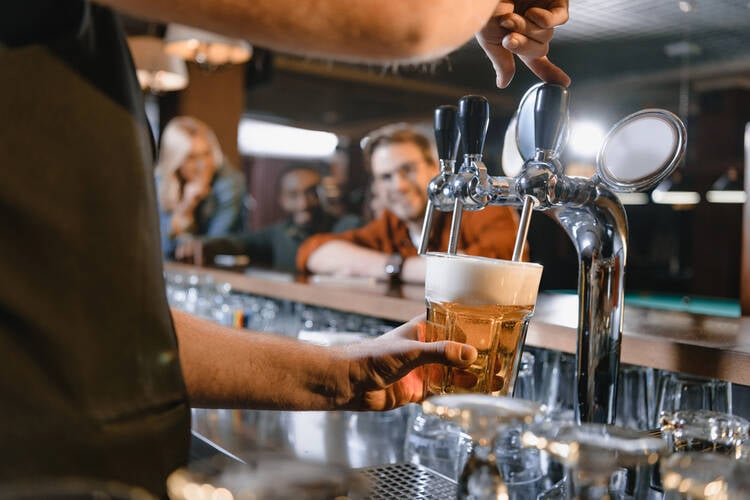
A brewpub usually combines a working brewery with a full-service bar and dining space, creating an experience that goes beyond simply serving drinks.
Customers come not only for freshly brewed craft beer but also for the atmosphere, food, and social connection. This is why the design of a brewpub matters a lot.
The layout must balance brewing operations with customer comfort, ensuring smooth workflow behind the scenes while maintaining an inviting and memorable environment out front.
From the placement of brewing tanks to seating arrangements and traffic flow, every design choice influences efficiency and guest satisfaction.
A well-planned floor plan can encourage longer stays, higher sales, and repeat visits.
Best Brewpub Design Ideas
-
Open Brewery Concept
An open brewery concept allows customers to see the brewing tanks and production process from the seating area.
Glass partitions can separate the brewing zone while maintaining visibility and safety.
This layout builds transparency and adds entertainment value to the customer experience.
Position the brewing equipment as a focal point behind the bar or along one wall.
Ensure proper ventilation and sound control so machinery does not disrupt conversations.
This design works especially well for craft-focused brewpubs that want to highlight authenticity and craftsmanship.
-
Central Bar Layout
A central bar layout places the bar in the middle of the space, allowing seating around all sides.
This design improves traffic flow and maximizes service efficiency because staff can serve customers from multiple directions. It also creates a lively, social atmosphere that encourages interaction.
Surround the bar with a mix of bar stools and high-top tables. Keep walkways wide to prevent congestion.
This layout works best in square or open-plan spaces and helps keep the energy evenly distributed throughout the brewpub.
-
Zoning for Dining and Drinking
Creating clear zones for dining and casual drinking improves customer comfort and organization.
Dedicate one section to full-service dining with comfortable tables and booths, while another area focuses on bar seating and standing space.
This separation accommodates different customer preferences without overcrowding. Use lighting, flooring, or furniture style to subtly distinguish each zone.
A well-zoned floor plan also improves staff efficiency by defining service areas.
This layout is ideal for brewpubs that offer a complete food menu alongside craft beer selections.
-
Industrial-Inspired Interior
An industrial-style design reflects the brewing process with exposed brick walls, steel beams, concrete floors, and visible pipes.
This aesthetic reinforces authenticity and pairs naturally with stainless steel brewing tanks.
The layout should maintain an open feel with high ceilings and minimal visual barriers.
Use warm lighting and wooden furniture to soften the industrial elements and create comfort.
This design style is cost-effective and appeals to customers who enjoy a modern yet rugged atmosphere.
-
Outdoor Beer Garden
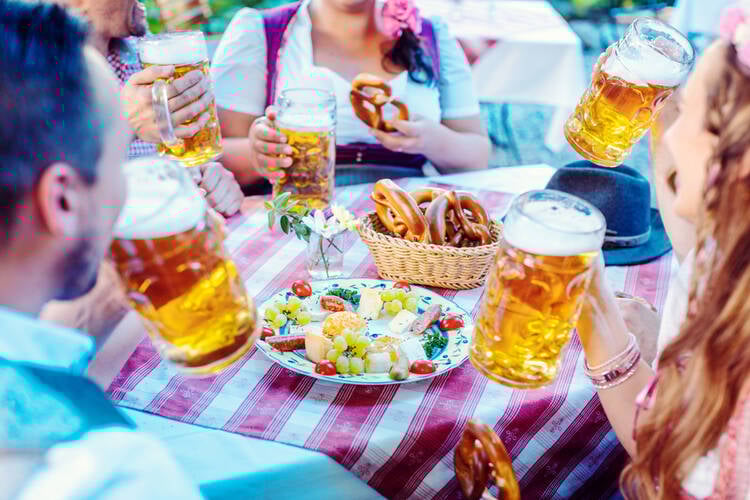
Adding an outdoor beer garden expands seating capacity and enhances the overall experience. Arrange communal picnic tables, string lights, and shaded areas for comfort.
Ensure the floor plan allows easy access between indoor and outdoor sections for efficient service.
Consider weather protection options like retractable awnings or heaters. An outdoor space is perfect for live music, events, and seasonal promotions.
This layout encourages group gatherings and can significantly increase revenue during warmer months.
-
Communal Seating Areas
Large communal tables encourage social interaction and create a vibrant environment.
Position these tables near the bar or central areas to maximize engagement.
Balance communal seating with smaller tables for guests who prefer privacy.
The layout should allow enough spacing for easy movement between tables.
Communal seating is especially effective in brewpubs that host events, trivia nights, or tasting sessions.
It supports a friendly, inclusive atmosphere that aligns well with the social nature of craft beer culture.
-
Taproom-Style Front Section
Designing the front area as a taproom creates a welcoming first impression.
Place the bar and tap displays prominently near the entrance. Use chalkboards or digital menus to showcase rotating beer selections.
The floor plan should guide guests naturally from the entrance to ordering points. Keep this area open and lively to attract walk-in customers.
A taproom-style layout works well for brewpubs focused heavily on beer variety and frequent seasonal releases.
-
Glass-Enclosed Private Rooms
Private rooms separated by glass walls provide a versatile solution for hosting events, corporate meetings, or private celebrations without compromising the openness of the main space.
The transparent walls maintain visual connection while offering sound insulation and privacy.
Position these rooms along the perimeter of the floor plan to keep main traffic areas unobstructed and ensure smooth movement for staff and guests.
Include dedicated service access for efficient food and beverage delivery. This design maximizes revenue by accommodating private bookings while keeping the main bar and dining areas fully operational.
-
Efficient Kitchen Placement
The kitchen should be strategically located near the dining area but slightly separated from the bar to reduce congestion.
A clear pathway between the kitchen and serving stations improves speed and efficiency.
Ensure the layout includes adequate storage and prep space to handle peak hours.
Proper ventilation and sound insulation are essential for maintaining comfort.
An efficient kitchen layout supports food quality and customer satisfaction, which are key components of a successful brewpub.
-
Flexible Event Space
Design a dedicated portion of the brewpub as a versatile event area that can easily accommodate live music, tasting sessions, or community gatherings.
Use movable furniture, modular seating, and foldable tables to allow quick reconfiguration for different event types.
Position this space near power outlets, sound systems, and lighting controls for seamless setup.
Maintain clear sightlines from surrounding seating areas so all guests can engage with the activity.
A flexible event layout enhances the brewpub’s functionality, attracts a wider audience, and boosts revenue opportunities.
-
Clear Traffic Flow Paths
A well-designed floor plan should always prioritize smooth and logical traffic flow for both guests and staff.
Where possible, create separate entry and exit points to reduce congestion during peak hours.
Ensure servers have clear, direct routes between the kitchen, bar, and dining areas to speed up service and minimize delays.
Avoid placing tables, décor, or fixtures in narrow walkways that could cause bottlenecks.
Clear, spacious pathways reduce accidents, improve efficiency, and create a more comfortable, enjoyable guest experience.
-
Feature Wall or Brand Focal Point
Incorporate a striking feature wall that showcases your logo, brewing story, core values, or a large artistic mural that reflects your brand personality.
Position it strategically so it is visible from most seating areas, ensuring it becomes a central visual anchor within the space.
Leave enough open floor space around the feature to maintain clear sightlines and encourage guests to take photos.
A bold focal point strengthens brand recognition, enhances ambiance, and creates a memorable impression that guests associate with your brewpub experience.
-
Multi-Level Seating Design
If space allows, consider incorporating a split-level or mezzanine seating arrangement to maximize both style and functionality.
Elevated sections naturally create visual interest and provide guests with varied perspectives of the bar, dining area, or brewing tanks below.
This layered design can make the space feel dynamic and spacious rather than flat and uniform.
Be sure stairs are safely constructed, clearly marked, and positioned where they do not interrupt service routes or customer traffic flow.
Multi-level layouts increase seating capacity without overcrowding and add a distinctive architectural character.
-
Dedicated Merchandise Corner
Include a small but well-designed retail section for branded merchandise such as T-shirts, hats, glassware, growlers, and packaged bottled beers.
Position this area close to the exit so guests naturally pass by it when leaving, increasing the likelihood of impulse purchases.
Use attractive shelving, proper lighting, and clear pricing to make items easy to browse.
Keep the space organized and separate from main dining traffic to avoid congestion.
A dedicated merchandise corner not only boosts revenue but also turns customers into walking brand ambassadors.
-
Warm Lighting and Acoustic Planning
Lighting and acoustics play a critical role in shaping the comfort and overall experience of a brewpub.
Combine pendant lights, wall sconces, and soft ambient lighting to create a warm, inviting atmosphere that highlights key design features.
Use sound-absorbing materials such as upholstered seating, curtains, rugs, or acoustic panels to minimize echo and control crowd noise, ensuring conversations remain pleasant.
Thoughtful lighting and acoustics not only enhance comfort but also encourage guests to linger longer, enjoy their visit, and return frequently.