
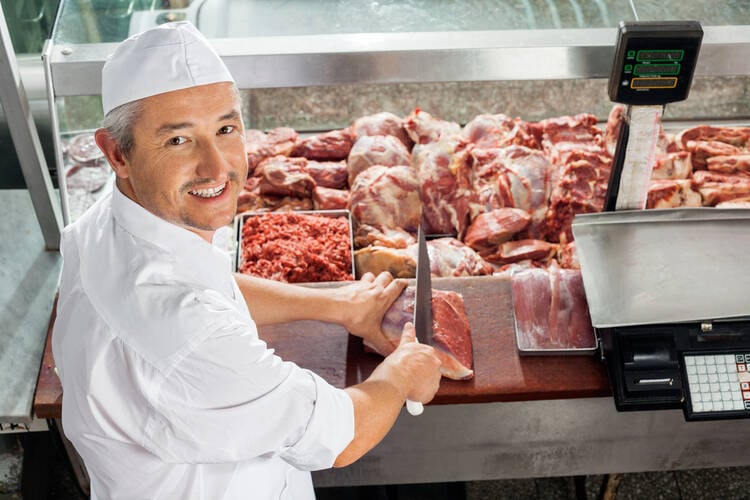
A well-designed butcher shop helps customers feel confident about product quality while making it easier for staff to work safely and serve clients quickly.
From modern display counters and cold storage placement to clear signage and practical workspace organization, our butcher shop design ideas can help improve customer experience, boost efficiency, and create an attractive retail space that encourages repeat visits and steady business growth.

Best Butcher Shop Interior Design Ideas
-
Open Display Counter Layout
An open display counter layout allows customers to clearly see the meat selection, increasing trust and encouraging purchases.
Use glass-front refrigerated cases positioned at the front of the shop so customers can browse easily while maintaining proper food safety standards.
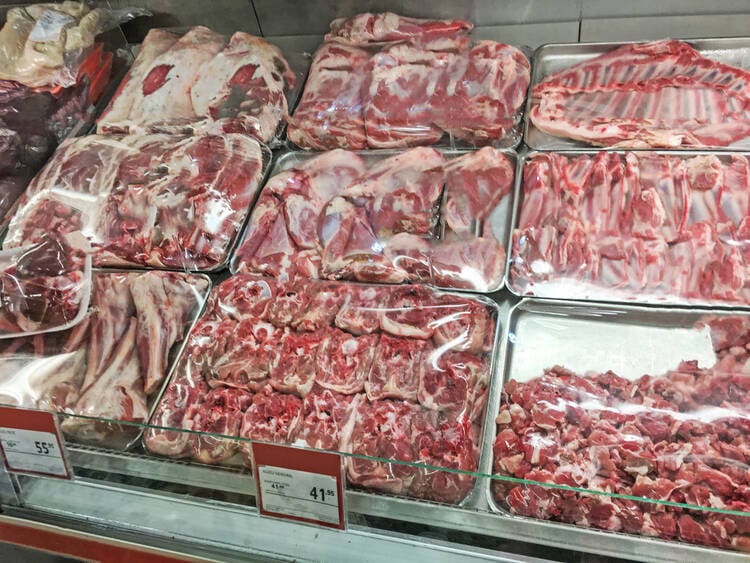
Arrange products by type and label them clearly for quick identification. Keep enough space behind the counter for staff to move efficiently during busy hours.
Good lighting inside the display cases enhances product appearance and freshness.
-
Clean and Durable Flooring Design
Flooring in a butcher shop should be slip-resistant, easy to clean, and highly durable to handle heavy traffic and frequent sanitation.
Materials like sealed concrete, non-slip tiles, or commercial-grade vinyl work well in both customer and prep areas.
Use slightly textured surfaces to reduce accidents while ensuring easy maintenance.
Include proper drainage in processing zones to manage water flow during cleaning.
Choose neutral colors that maintain a clean, professional look even after heavy use.
A safe and functional floor design protects staff, keeps the environment hygienic, and ensures long-term durability without constant replacement costs.
-
Efficient Backroom Processing Area
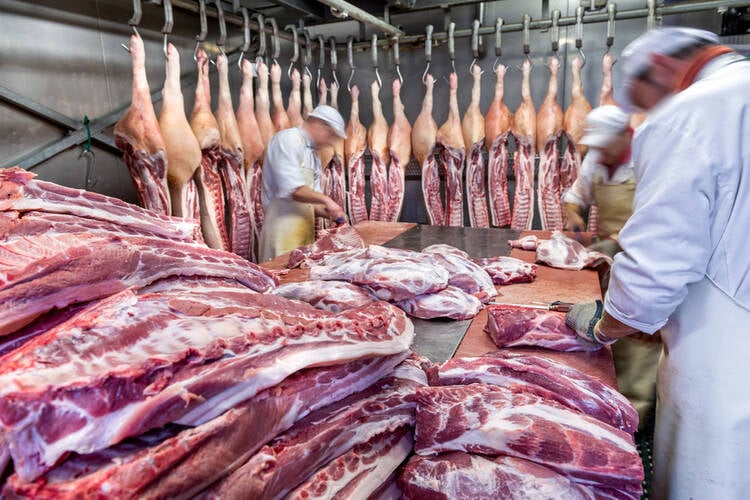
The backroom processing area should be clearly separated from the retail space while still allowing smooth workflow between both sections.
Arrange equipment such as cutting tables, grinders, and storage units in logical sequences to reduce unnecessary movement.
Include proper ventilation and sanitation stations to meet food safety regulations.
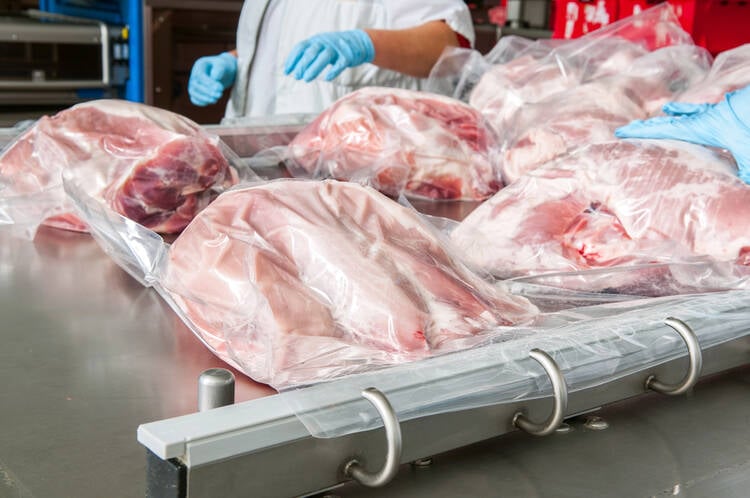
Provide adequate cold storage close to the prep area for efficiency. Clearly marked zones help staff stay organized and maintain cleanliness.
An efficient backroom layout improves productivity, reduces stress for employees, and ensures meat preparation processes remain safe.
-
Clear Customer Flow and Walkway Design
A well-planned walkway ensures customers can move comfortably through the shop without crowding the service counter.
Create a natural flow that guides visitors from the entrance to display cases and checkout areas.
Keep aisles wide enough for customers carrying baskets. Avoid clutter near the entrance to prevent congestion during peak hours.
Clear pathways improve overall customer experience, encourage longer browsing times, and make the shop feel organized and easy to navigate.
-
Strategic Lighting for Product Presentation
Use bright, neutral-toned lighting above display cases to highlight freshness and color accurately.
Combine overhead lighting with focused LED lights inside refrigerated units to eliminate shadows. Avoid overly warm lighting that may distort product appearance.
Install sufficient lighting in prep and storage areas to support safe working conditions for staff.
Well-planned lighting improves visibility, enhances customer confidence, and creates a professional environment that makes products look appealing while supporting overall shop efficiency.
-
Rustic or Industrial Design Theme
Use natural wood accents, metal fixtures, brick walls, or vintage signage to create character and authenticity.
While maintaining aesthetic appeal, ensure all materials are easy to clean and food-safe. Balance decorative elements with practical storage and workspace needs.
This theme helps customers feel connected to the heritage of butchery while making the shop visually distinctive.
A cohesive design style strengthens brand identity and creates a memorable shopping experience that encourages customer loyalty.
-
Smart Cold Storage Placement
Cold storage units should be positioned for easy access from both the processing area and retail floor without disrupting customer movement.
Walk-in coolers near the backroom help staff quickly restock display cases while maintaining product freshness. Use vertical shelving inside coolers to maximize space and organization.
Ensure proper insulation and temperature monitoring systems are in place.
Good cold storage planning reduces unnecessary handling of meat, improves workflow efficiency, and supports compliance with food safety standards while helping your shop maintain consistent product quality throughout the day.
-
Visible Hygiene and Sanitation Stations
Customers appreciate visible cleanliness in a butcher shop, so design the layout to include clearly accessible sanitation areas.
Place handwashing sinks, sanitizer dispensers, and cleaning stations where both staff and customers can see them.
Use stainless steel surfaces that are easy to disinfect regularly. Include proper waste disposal areas that remain discreet but functional.
A shop that visibly prioritizes cleanliness reassures customers about food safety and encourages them to return.
-
Organized Product Zoning and Signage
Divide the display area into clear product zones such as beef, poultry, pork, specialty cuts, and prepared items.
Use consistent signage with readable fonts and pricing information to help customers quickly locate what they need.
Color-coded labels or small decorative markers can enhance organization without overwhelming the design.
Well-defined zones reduce confusion during busy hours and help staff serve customers faster.
Organized displays also encourage upselling because customers can easily discover new items.
-
Comfortable Waiting and Consultation Area
Including a small waiting or consultation space allows customers to discuss custom orders without blocking the main service counter.
Provide a bench, or a few stools, along with product catalogs or specialty cut menus.
Position it near the counter but outside the main walkway to maintain smooth traffic flow.
A comfortable consultation area adds a personal touch to customer service while improving efficiency and ensuring staff can provide detailed assistance without slowing down general operations.
-
Linear Counter Layout
A linear counter layout works well in narrow butcher shops where space is limited.
Place a single long refrigerated display along one wall so customers can move in one clear direction from entrance to checkout. Staff can work comfortably behind the counter without congestion.
Keep cutting and weighing stations directly behind the display to reduce unnecessary movement. Wall-mounted shelving above the prep area can hold tools and supplies.
This layout simplifies traffic flow, minimizes clutter, and ensures customers can easily browse products without feeling crowded or overwhelmed.
-
Compact L-Shaped Service Counter
An L-shaped counter maximizes corner space while creating separate zones for product display and payment.
One side can feature fresh meat displays while the shorter section handles weighing, packaging, and checkout.
This layout keeps staff workflow organized while allowing customers to view products from multiple angles.
Behind the counter, use vertical storage racks to maximize available space.
The L-shape also helps define clear work zones without needing walls, making the shop feel open and functional.
-
Open Backroom Concept
In very small shops, an open backroom design allows customers to see part of the meat preparation area through glass panels.
This reduces the need for separate rooms while creating transparency and trust.
Use compact stainless steel prep tables placed along walls to keep the center area open.
Install overhead storage for tools and supplies to avoid clutter. Clearly marked sanitation stations maintain hygiene standards.
An open concept can make the space feel larger while improving workflow efficiency.
-
Wall-Mounted Storage and Equipment
When floor space is limited, use vertical wall storage to free up valuable working areas.
Install hooks for tools, shelves for spices and packaging, and magnetic racks for knives.
Mount small equipment like scales or wrapping stations to walls when possible.
This approach keeps surfaces clear and improves organization, making cleaning easier. Customers also benefit from a tidy, uncluttered shop appearance.
Properly planned wall storage helps maximize every inch of space while allowing staff to work efficiently without constantly moving items around during busy service periods.
-
Narrow Island Prep Station
A slim island prep table positioned behind the service counter can create a functional workspace without blocking movement.
Choose a narrow design that allows staff to move around both sides comfortably.
Use the island for portioning, packaging, or quick preparation tasks. Include shelves underneath for storing frequently used tools.
This layout is particularly helpful in rectangular shops where central space might otherwise be unused.
-
Combined Display and Storage Refrigeration
In small butcher shops, using multi-functional refrigeration units saves significant space.
Choose display coolers with built-in storage compartments underneath so staff can quickly restock without needing a separate cooler.
Vertical glass-door refrigerators can showcase specialty items while conserving floor space.
Position these units along walls to keep walkways clear. Combining storage and display functions reduces clutter and simplifies organization.
It also minimizes the need for additional equipment, making the shop feel more open while still providing enough storage to support daily operations efficiently.
-
Minimalist Entrance and Checkout Zone
Keep the entrance area simple and uncluttered to make the shop feel more spacious.
Use a compact checkout station integrated into the main service counter rather than a separate cashier desk. Avoid large decorative items near the door that could restrict movement.
Provide clear signage and pricing boards mounted on walls instead of freestanding displays.
A minimalist approach helps maintain smooth customer flow and reduces congestion during busy times.
-
Corner Cold Storage Solution
Instead of placing large coolers in central areas, install compact walk-in or upright cold storage units in back corners.
Corner placement maximizes unused areas while leaving the main floor open for customer interaction and staff movement.
Use vertical shelving inside the cooler to organize inventory efficiently. Ensure doors open toward prep areas to streamline workflow.
This layout reduces unnecessary walking distances while maintaining food safety standards.
Proper corner storage planning helps keep the shop organized and prevents valuable retail space from being taken up by bulky refrigeration equipment.
-
Multi-Purpose Workstations
In small butcher shops, workstations should serve multiple functions whenever possible.
A single stainless steel table can be used for cutting, packaging, and weighing by using removable equipment attachments.
Folding tables or rolling carts can be moved aside when not in use. This flexibility helps maintain open floor space during peak hours.
Clearly designate zones on shared surfaces to maintain hygiene and organization.
Multi-purpose workstations reduce the need for extra furniture or equipment, helping the shop remain efficient while maximizing the limited space available.
-
Bright Lighting and Light Color Scheme
A small butcher shop can feel larger and more inviting with proper lighting and light-colored interiors.
Use bright LED lighting to eliminate shadows and enhance product visibility.
Choose light wall colors such as white, soft gray, or beige to reflect light and create an open atmosphere.
Avoid bulky décor that crowds the space. Mirrors or glass panels can also help create a sense of depth.
A bright and clean visual environment makes customers feel comfortable while helping staff maintain a safe and efficient workspace.