When it comes to starting a gift shop, you should have a budget of approximately $25,000 to $150,000, depending on your location, size, and business model.
This is so because setting up a retail space includes leasing a storefront, decorating the interior, purchasing initial inventory, covering licenses, equipment, and branding.
A well-planned budget ensures you can launch smoothly without unexpected financial pressure or gaps in essential supplies.
In as much as there are no fixed costs when it comes to starting a gift shop, there are certain factors that can influence how much you will spend.
These include the size of your shop, the type of products you sell, staffing requirements, your marketing strategy, and whether you choose a high-traffic location or a smaller neighborhood space.
Factors That Influence the Cost of Opening a Gift Shop
-
Location of the Gift Shop
Opening in a busy mall, tourist area, or commercial district will require higher rent, deposits, and operating fees.
On the other hand, a small shop in a quiet neighborhood will cost far less but may attract fewer walk-in customers.
Prime locations come with increased visibility and higher revenue potential, but they demand a larger budget.
You must balance affordability with customer traffic to avoid spending too much while still positioning your business for success.
-
Size of the Store
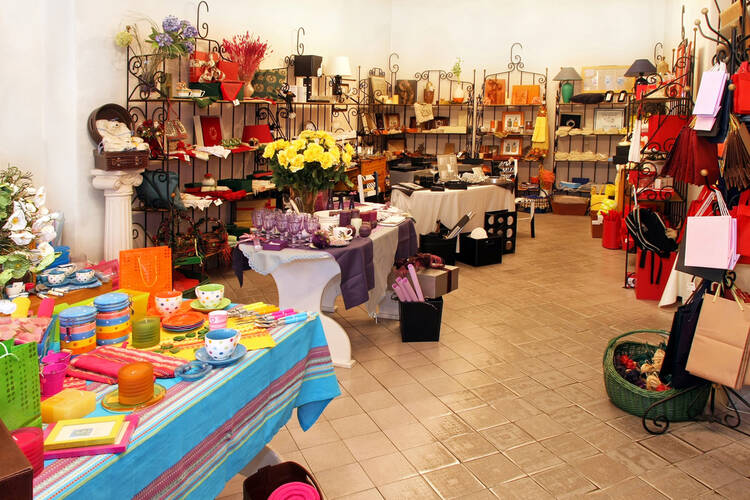
The larger the space, the more money you will spend on rent, utilities, interior remodeling, shelving, and decorating.
While a bigger store gives you more room to display products and create attractive sections, it also increases your overhead costs from day one.
Smaller gift shops are easier and cheaper to run, especially for beginners. Carefully assess how much inventory you plan to carry and how much space you truly need.
Overspending on size at the beginning can strain your budget before your business becomes profitable.
-
Type of Inventory You Want to Sell

Your initial inventory cost depends on the types of products you choose to stock.
High-end gift items, artisan crafts, jewelry, and home décor usually require a larger investment upfront.
However, inexpensive items such as keychains, stationery, and candles allow you to start with a smaller budget.
The diversity and quantity of items you stock also affect costs. Buying wholesale reduces prices, but it requires bulk purchasing.
Carefully curating your product mix will help you stay within budget and avoid unnecessary overspending at start-up.
-
Store Design, Decoration, and Layout
Gift shops must be visually appealing to attract customers and encourage impulse purchases.
The cost of designing your store’s interior wall décor, lighting, shelves, flooring, displays, and signage can vary widely depending on your desired style.
A modern, themed, or luxurious layout will require a bigger budget compared to simple, minimalistic décor. Professional interior designers also add to your expenses.
Creating a cozy, inviting atmosphere is essential for a gift shop, but this aesthetic investment must be planned carefully to avoid exceeding your budget.
-
Licensing, Permits, and Legal Fees
Every business requires certain licenses and permits before opening, and these fees differ depending on your city, province, or state.
Costs may include business registration, sales tax permits, signage permits, and, in some locations, zoning fees.
Additionally, if you hire a lawyer to help with business formation, contracts, or lease reviews, you will incur additional legal expenses.
Although these costs may seem small individually, they can quickly add up.
Proper budgeting ensures you meet legal requirements without encountering financial strain or delays.
-
Marketing and Advertising
Marketing is essential to attract customers, especially during your grand opening.
Costs may include social media advertising, flyers, banners, business cards, influencer partnerships, and possibly a website.
While digital marketing can be affordable, large campaigns or professional branding services can significantly increase your startup expenses.
Investing in strong branding, photography, and promotional materials may also be necessary.
Without effective marketing, your gift shop may struggle to draw attention, so creating a realistic promotional budget is crucial for early success.
-
Staffing and Labor Costs
If you plan to hire employees, you must factor in wages, training, uniforms, and government-mandated contributions such as payroll taxes or insurance.
A small shop may require only one or two part-time workers, while a larger store needs more staff to manage customers, restocking, and daily operations.
Labor costs can become one of your biggest recurring expenses, so it is important to balance staffing needs with your budget.
Some new owners choose to run the shop themselves initially to save money.
-
Equipment, Furniture, and Supplies
Gift shops require shelving, display racks, point-of-sale systems, computers, packaging supplies, security cameras, pricing tools, and furniture.
The quality and style of these items significantly influence how much you will spend.
High-end display fixtures and technology increase costs, while second-hand or simple equipment helps reduce expenses.
Your POS system alone can range from budget-friendly software to expensive professional setups.
Planning your equipment purchases carefully ensures your store runs smoothly without unnecessary financial burden at the beginning.
-
Insurance and Risk Management
Business insurance protects your gift shop from risks such as theft, fire, liability claims, and property damage. The type and level of coverage you choose directly affect your startup costs.
Insurance is not optional for most retail businesses, especially if your lease agreement requires it.
Premiums vary depending on location, store size, and the value of your inventory.
Although insurance adds to your expenses, it offers financial protection and peace of mind, which are essential for a new business.
-
Branding, Packaging, and Presentation
A strong brand helps your gift shop stand out, and building that brand requires an investment in packaging, labels, signage, logo design, and professionally designed marketing materials.
Beautiful packaging enhances customer experience and encourages repeat purchases.
Shopping bags, ribbons, custom boxes, and branded tags all add to the initial cost.
These elements may seem small, but they influence how customers perceive your shop.
Investing in appealing branding ensures your shop makes a strong impression from the very beginning.