

December can be one of the most meaningful months of the year in an assisted living community.
For some residents, it brings Christmas traditions, family visits, music, familiar foods, and happy memories.
For others, the month may include Hanukkah, Kwanzaa, winter traditions, New Year’s preparations, or simply the opportunity to reflect on another year coming to an end.
It can also be an emotionally difficult month for residents who have lost spouses, live far from family, or remember people who are no longer with them.
That is why a good December activity calendar should offer more than parties. You should include a balance of:
Social events, quiet activities, movement, music, creative projects, reminiscence, charitable opportunities, family involvement, and simple everyday activities residents can enjoy without feeling pressured to celebrate a particular holiday.

If you own or manage an assisted living facility, the ideas below can help you create a December program that is festive, inclusive, practical, and adaptable to different resident abilities.
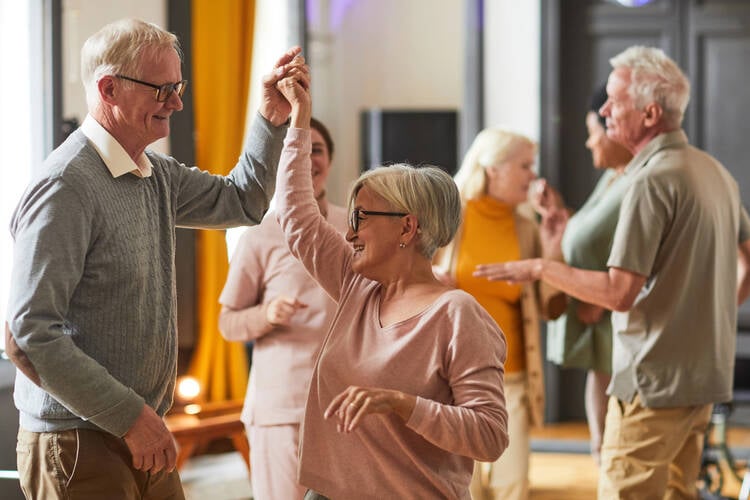
December 1st – 31st Activity Calendar for Assisted Living Residents
You can use this schedule as a starting point and move activities according to staffing, resident preferences, family availability, weather, religious observances, and events in your local community.
Christmas Eve, Christmas Day, Kwanzaa, and New Year’s Eve remain on fixed calendar dates, while holidays such as Hanukkah change from year to year.
If residents observe Hanukkah or another movable holiday, adjust the calendar accordingly.
| Date | Suggested Activity | Main Benefit | Planning Note |
|---|---|---|---|
| December 1 | Welcome December Coffee Social | Social connection | Show residents the month’s calendar and invite them to choose activities they want to attend. |
| December 2 | Winter Craft Workshop | Creativity and dexterity | Provide large, easy-to-handle materials for residents who need them. |
| December 3 | Holiday and Winter Music Hour | Memory and mood | Include songs chosen by residents rather than only staff selections. |
| December 4 | Holiday Card Making | Creativity and connection | Staff can assist residents with handwriting or addressing envelopes. |
| December 5 | Chair Exercise and Winter Stretching | Movement | Keep exercises gentle and adaptable. |
| December 6 | Gingerbread House Decorating | Fine motor skills and teamwork | Use preassembled houses where dexterity is limited. |
| December 7 | Memory and History Discussion | Reminiscence and conversation | Use photographs, music, and newspaper images as prompts. |
| December 8 | Cookie Baking and Decorating | Sensory engagement | Consider dietary restrictions, allergies, and swallowing needs. |
| December 9 | Holiday Trivia | Cognitive stimulation | Include Christmas, Hanukkah, Kwanzaa, winter, music, movies, and general seasonal questions. |
| December 10 | Gift Drive Sorting and Packing | Purpose and community involvement | Give residents manageable tasks such as sorting cards or packing lightweight items. |
| December 11 | Winter Bingo | Cognitive and social engagement | Use large-print cards and clear visual contrast. |
| December 12 | Family Photo Reminiscence | Memory and identity | Invite families to provide copies of meaningful photographs. |
| December 13 | Holiday Tree or Community Display Decorating | Teamwork and creativity | Include decorations representing residents’ different traditions where appropriate. |
| December 14 | Hot Chocolate and Story Afternoon | Relaxation and conversation | Offer suitable alternatives for residents with dietary restrictions. |
| December 15 | Letters to Loved Ones | Emotional connection | Residents can dictate letters if writing is difficult. |
| December 16 | Winter Movie Afternoon | Relaxation | Let residents vote among several movie choices. |
| December 17 | Holiday Sweater and Photo Day | Fun and self-expression | Participation should remain optional. |
| December 18 | Puzzle and Games Tournament | Cognitive and social stimulation | Offer several games with different difficulty levels. |
| December 19 | Intergenerational Visit | Social connection | Combine conversation, reading, games, or crafts. |
| December 20 | Resident Recipe Sharing | Reminiscence | Collect recipes into a facility cookbook or memory book. |
| December 21 | Winter Solstice Light and Nature Activity | Seasonal awareness and sensory engagement | Use battery-operated candles and natural materials rather than open flames. |
| December 22 | Gift Wrapping Workshop | Purpose and dexterity | Use easy-tear tape and pre-cut paper where needed. |
| December 23 | Carol and Favorite Songs Social | Music and companionship | Include secular winter songs and resident requests as well as religious music. |
| December 24 | Christmas Eve Gathering | Tradition and connection | Also provide a quiet alternative for residents who do not celebrate Christmas. |
| December 25 | Christmas Day Meal and Family Social | Celebration and companionship | Pay special attention to residents who have no visitors. |
| December 26 | Kwanzaa Culture and Community Activity | Cultural learning and community | Residents who observe Kwanzaa can help shape the activity if they wish. |
| December 27 | Relaxed Tea and Conversation Day | Rest and socialization | Keep this intentionally low-energy after busy holiday events. |
| December 28 | Year-in-Review Memory Book | Reflection and creativity | Use facility photographs, resident artwork, and memorable events from the year. |
| December 29 | Favorite Moments Discussion | Reflection | Ask residents what they enjoyed during the year and what they want more of next year. |
| December 30 | New Year’s Resolution or Wish Tree | Hope and self-expression | Focus on wishes and enjoyable goals rather than demanding resolutions. |
| December 31 | Early New Year’s Eve Celebration | Celebration and community | Hold the countdown earlier in the evening if that better suits residents’ routines. |
You can combine this schedule with your broader assisted living activity calendar and adjust activities according to the people who actually live in your facility.
Best December Activities for Seniors in Assisted Living
1. Holiday Tree and Community Decorating Party

Bring residents together to decorate a Christmas tree or broader winter and holiday display in the common area.
Residents who celebrate Christmas may enjoy hanging ornaments, ribbons, garlands, or meaningful handmade decorations.
You can also include displays representing other traditions observed by residents so the common areas reflect the actual community living in the facility.
Give residents meaningful choices about colors, decorations, music, and where items should be placed.
The activity becomes more engaging when residents help create the environment rather than simply watching staff decorate around them.
2. Christmas Carol and Favorite Songs Sing-Along

Music can be one of the easiest ways to bring residents together during December.
You can include familiar Christmas carols, winter songs, hymns, popular music from residents’ younger years, and other songs they specifically request.
Use large-print lyric sheets where appropriate and invite residents to sing, clap, listen, or play simple percussion instruments.
Do not assume that everybody enjoys the same holiday music. Giving residents some control over the playlist will usually create a more enjoyable session.
3. Hot Chocolate and Story Afternoon

Create a comfortable gathering with warm drinks, blankets, soft lighting, and short seasonal stories.
Residents can share their own winter memories or listen while staff and volunteers read aloud.
Offer beverage alternatives that meet residents’ dietary and swallowing requirements rather than assuming everyone can drink standard hot chocolate.
This quieter activity can be particularly useful in a month containing several larger and more energetic celebrations.
4. Gingerbread House Decorating
Provide preassembled gingerbread houses, icing, and simple decorations so residents can concentrate on decorating rather than construction.
Residents can work individually or in small teams. If you want to introduce a competition, keep it lighthearted with categories such as:
- Most Colorful
- Most Creative
- Best Teamwork
- Funniest House
- Residents’ Choice.
Remember that the activity should remain enjoyable for people whose fine motor skills are limited. Larger decorative pieces and staff assistance can make participation easier.
5. Winter and Holiday Movie Afternoon
Instead of planning a very long movie marathon, consider one film at a time and give residents several choices.
You can show classic holiday films, comedies, musicals, winter movies, or other familiar favorites.
Create a comfortable viewing area and provide suitable snacks.
After the movie, invite residents who are interested to discuss favorite actors, scenes, music, or memories associated with seeing the film when they were younger.
6. Winter Craft Workshop
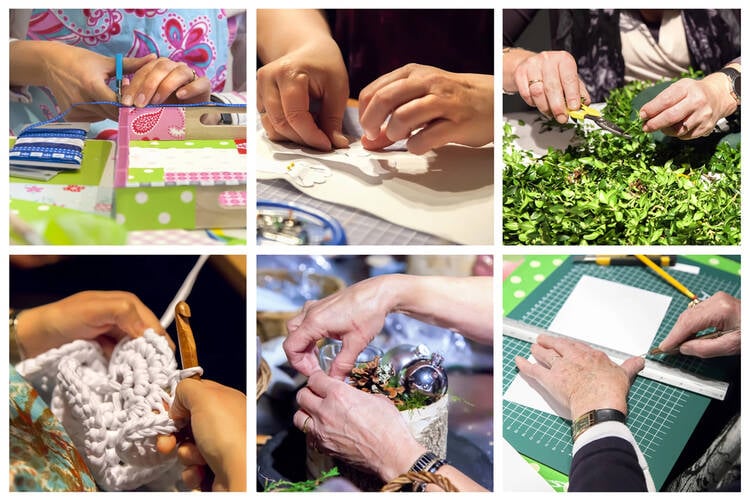
Winter crafts can include:
- Paper snowflakes
- Wreaths
- Greeting cards
- Decorative ornaments
- Table centerpieces
- Painted wooden shapes
- Winter collages
- Decorated picture frames.
Use projects that residents can genuinely complete. Large pieces, pre-cut shapes, easy-grip tools, glue dots, and simple designs can make the activity more accessible to people with reduced hand strength or dexterity.
7. Cookie Baking and Decorating Day
Baking can combine smell, touch, taste, memory, and conversation. Residents might help mix ingredients, cut cookie shapes, add decorations, arrange finished cookies, or package them for gifts.
Staff should handle hot trays, ovens, sharp utensils, and other tasks that require additional safety precautions.
Before serving or tasting anything, consider allergies, diabetes management, texture requirements, and other individualized dietary needs.
8. Holiday Card Exchange

Provide cards, paper, markers, stickers, stamps, photographs, and other supplies so residents can create or write messages to people they care about.
Residents can exchange cards with one another, family members, friends, employees, volunteers, or community groups. Local schools can also participate in an organized card exchange.
Staff or volunteers can write messages dictated by residents who cannot comfortably write themselves.
9. Holiday Sweater and Fun Fashion Day
Invite residents, employees, and visitors to wear festive sweaters, scarves, hats, or colors.
Create a simple photo area and offer humorous categories such as Most Colorful or Most Creative.
A resident should never feel pressured to dress up. Offer the event as an invitation rather than a requirement.
10. Winter Wonderland Photo Booth
Create a simple backdrop with snowflakes, lights, winter scenery, scarves, hats, or other safe props.
Residents can take photographs alone, with friends, family members, or staff.
With appropriate permission, printed photographs can be placed in frames, incorporated into greeting cards, or added to a year-end memory book.
11. Winter Music Session
If a qualified music therapist is available, a structured music-therapy program may be appropriate.
Otherwise, you can simply hold a recreational music session led by staff, musicians, or volunteers. Residents can sing, listen, clap, tap rhythms, or play simple instruments.
Familiar music can stimulate conversation and memories while giving residents another way to interact socially without requiring complicated instructions.
12. Holiday and Winter Trivia

Create trivia covering more than one holiday. Questions might include:
- Classic winter movies
- Popular songs
- Christmas traditions
- Hanukkah traditions
- Kwanzaa
- Winter weather
- Historical December events
- Seasonal foods
- Famous performers
- New Year’s traditions.
Keep the atmosphere cooperative rather than turning the activity into a test residents can fail.
13. Volunteer Gift or Care Package Drive
Residents should have opportunities to give to others as well as receive support themselves.
You can partner with an appropriate local organization and allow residents to help sort donations, assemble care packages, decorate gift bags, create cards, or prepare other suitable items.
Choose tasks residents can perform independently or with minimal assistance so the project provides a genuine sense of contribution.
14. Letters to Loved Ones Day

Set aside a quiet period for residents to write to relatives and friends. They might share memories from the year, holiday wishes, family stories, or simply tell somebody they are thinking about them.
Residents who cannot write comfortably can dictate their letters. Letters can be handwritten, typed, emailed, or even recorded as short audio or video messages where appropriate.
15. Winter Nature Activity
If weather and resident health permit, organize a short outdoor walk around accessible facility grounds.
However, do not assume December means snow. Climate varies considerably.
Residents in warmer locations may enjoy an ordinary garden walk, while colder regions may need an indoor alternative.
You can bring nature indoors with:
- Seasonal greenery
- Indoor plants
- Bird-watching from windows
- Nature photographs
- Herbs and safe scented plants
- Nature videos.
16. Gift Wrapping Workshop

Provide wrapping paper, gift bags, boxes, ribbon, bows, tags, and easy-to-use tape.
Residents can wrap their own gifts or help prepare facility-sponsored gifts and charitable donations.
Pre-cutting paper and using gift bags can make the activity easier for people with limited hand strength.
17. Holiday Bake Sale or Cookie Exchange
Residents who enjoy baking can help prepare cookies, muffins, cakes, or other suitable treats with staff supervision.
You might organize a small cookie exchange, family tasting event, or charity bake sale where permitted.
The most important part is participation rather than how much money the event raises.
Residents can contribute by mixing, decorating, packaging, labeling, greeting visitors, or helping choose the products.
18. Intergenerational Holiday Visit
Invite an appropriate school group, youth organization, family group, choir, or community organization for a supervised visit.
Residents and younger visitors can:
- Read stories
- Sing
- Make cards
- Decorate cookies
- Play games
- Create crafts
- Exchange simple stories about holiday traditions.
Follow your facility’s safeguarding, visitor, infection-control, privacy, and resident-consent policies.
19. Year-in-Review Memory Book
December is a natural time to look back on the year. Collect photographs from birthdays, outings, garden projects, celebrations, resident activities, staff events, and other memorable moments.
Residents can help select photographs, write captions, decorate pages, or dictate their memories.
The finished book can remain in a common area or be reproduced digitally for participating families where appropriate.
This is also a useful activity for learning which programs residents enjoyed most during the year.
20. New Year’s Eve Celebration

Close December with a New Year’s Eve celebration. You do not have to keep residents awake until midnight.
A “noon year’s eve,” afternoon countdown, or early evening party can be much more suitable for residents’ normal routines.
You can serve appropriate sparkling drinks or mocktails, play music, display photographs from the year, and invite residents to share hopes for the coming year.
Instead of demanding resolutions, ask gentle questions such as:
- What would you like to do more often next year?
- What activity would you like us to add?
- Who would you like to spend more time with?
- What is something you are looking forward to?
How to Adapt December Activities for Different Residents
A good activity department does not simply decide whether an event is “appropriate for seniors.” You should think about the individual residents who will actually participate.
| Resident Need | Useful Adaptations | Activities That May Work Well |
|---|---|---|
| Limited mobility | Offer seated versions, bring materials to residents, and avoid requiring prolonged standing | Music, crafts, cookie decorating, cards, bingo, trivia, photo activities |
| Memory impairment | Use familiar music, photographs, simple instructions, repetition, and sensory prompts | Music, baking, reminiscence, decorating, sorting and simple crafts |
| Vision limitations | Use large print, strong contrast, tactile objects, and verbal descriptions | Music, storytelling, baking, conversation, tactile decorating |
| Hearing limitations | Reduce background noise, face residents when speaking, use written instructions and amplification where available | Crafts, puzzles, card making, photo activities, decorating |
| Low energy or fatigue | Shorten sessions, offer comfortable seating, allow residents to leave early and avoid overscheduling | Story afternoon, movies, music, letters, photo reminiscence |
| Social anxiety or preference for quiet activities | Provide small-group and one-to-one alternatives to large celebrations | Letters, crafts, puzzles, reading, memory books, individual decorating |
| Residents who do not celebrate Christmas | Offer secular winter activities and recognize traditions actually represented among residents | Music, games, winter crafts, nature activities, year-in-review, New Year’s events |
How to Keep December From Becoming Overwhelming
December can easily become overprogrammed. Facilities may have family visits, volunteers, school groups, religious services, musicians, parties, special meals, gift distributions, staff events, and ordinary daily activities happening within a few weeks.
More events do not automatically produce a better resident experience.
| Activity Type | Examples | Why Include It |
|---|---|---|
| Large social events | Holiday party, family meal, New Year’s celebration | Community and celebration |
| Small-group activities | Crafts, baking, games, discussion groups | Easier participation and conversation |
| Quiet activities | Reading, letters, movies, photo reminiscence | Allows residents to rest between busy events |
| Physical activities | Chair exercise, gentle walks, balloon games | Keeps movement in the schedule during a sedentary season |
| Purposeful activities | Gift drive, wrapping, cards, care packages | Allows residents to contribute rather than only receive |
| Reflective activities | Year-in-review, memory book, favorite moments discussion | Supports reminiscence and year-end reflection |
Remember Residents Who Find the Holidays Difficult
Holiday activities are usually designed to create happiness, but December can also increase feelings of grief and loneliness.
A resident may have lost a spouse, miss a former home, worry about family members, or feel disappointed because relatives cannot visit.
Watch for residents who become quieter or withdraw from activities. You do not need to force them into a party.
Sometimes a short one-to-one visit, favorite music, a phone or video call with family, a walk, a quiet cup of tea, or simply somebody willing to listen may be more meaningful than another large group celebration.
Activity staff should work with the facility’s care team whenever a resident’s emotional or behavioral changes raise broader concerns.