
When we talk about dementia-friendly crafts for nursing home residents, we are referring to simple, engaging activities designed to match their cognitive abilities while promoting comfort, creativity, and a sense of accomplishment.
These crafts typically involve familiar materials, repetitive steps, and minimal complexity, making them easy to follow without causing frustration.
Such activities are not just about creating something beautiful; they help stimulate memory, improve motor skills, and encourage social interaction among residents.

In this article, we are going to look at some of the best dementia-friendly crafts for nursing home residents.
From painting and coloring to sensory crafts and seasonal decorations, these ideas are carefully selected to suit different ability levels.
Best Dementia-friendly Crafts for Nursing Home Residents
-
Coloring and Painting Activities

Using large-print coloring books, watercolor sets, or simple templates helps reduce confusion and frustration.
These activities allow residents to express creativity without needing perfection.
The repetitive motion of coloring can be calming and therapeutic, while choosing colors can stimulate decision-making.
Staff or caregivers can guide gently without taking over, ensuring residents feel independent.
Finished artwork can be displayed, giving participants a sense of pride and accomplishment in their creative efforts.
-
Paper Collage Creations
Paper collage crafts involve cutting or tearing colored paper, magazines, or fabric, and gluing pieces onto a surface to create simple designs.
This activity is highly flexible and can be adapted to different ability levels. Residents can focus on textures, colors, and shapes rather than detailed outcomes.
It also encourages sensory engagement and hand-eye coordination. Caregivers can pre-cut shapes for those with limited dexterity.
Collages can reflect seasons, memories, or favorite themes, helping residents connect emotionally while enjoying a relaxing, low-pressure creative experience.
-
Bead Stringing Jewelry
Bead stringing is a simple yet effective craft that improves fine motor skills and concentration.
Using large beads and thick strings makes the activity easier and safer for residents.
Participants can create bracelets or necklaces by following patterns or simply choosing colors they like.
This activity promotes independence and decision-making while providing a sense of achievement once completed.
It can also be a social activity where residents sit together and chat while crafting. The finished pieces can be worn or gifted, adding meaning and purpose.
-
Clay and Playdough Modeling
Working with clay or playdough provides a rich sensory experience for dementia patients.
The soft texture is soothing, and the act of squeezing, rolling, or shaping can relieve stress and anxiety.
Residents can create simple shapes, animals, or abstract designs without pressure.
This activity supports hand strength and coordination while allowing free expression.
It is especially beneficial for individuals who may struggle with structured tasks, as there is no right or wrong outcome. Caregivers can guide gently or simply encourage exploration.
-
Seasonal Decoration Crafts
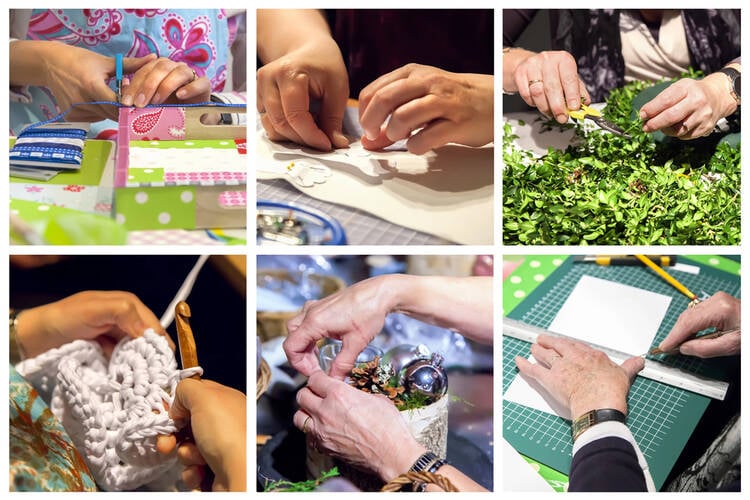
Creating seasonal decorations helps residents stay connected to time and traditions.
Crafts like making holiday ornaments, paper snowflakes, or fall wreaths are simple and enjoyable.
These activities can spark memories of past celebrations and bring a sense of familiarity.
Using safe, easy-to-handle materials ensures participation is stress-free. Group crafting sessions can also foster social interaction and excitement around upcoming events.
Finished decorations can be used to decorate the facility, helping residents feel involved and valued in their environment.
-
Fabric and Felt Crafts
Fabric and felt crafts are excellent for sensory stimulation and creativity. Residents can cut, glue, or arrange soft materials to create simple projects like bookmarks, flowers, or decorative shapes.
Felt is especially easy to handle because it does not fray and requires minimal tools.
This activity can be adapted by providing pre-cut pieces for those with limited mobility. Working with different textures can be comforting and engaging.
These crafts also encourage imagination while allowing residents to create something tangible and meaningful.
-
Memory Scrapbooking
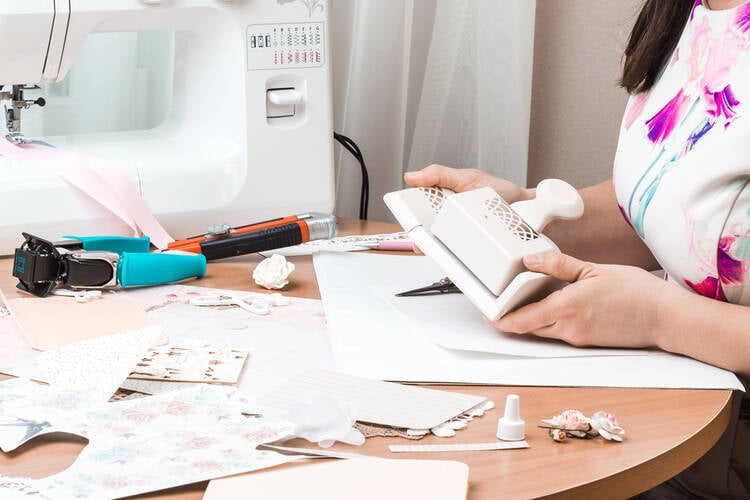
Memory scrapbooking combines creativity with reminiscence therapy. Residents can decorate pages with photos, stickers, and simple captions that reflect their past experiences.
This activity encourages storytelling and helps strengthen emotional connections.
Caregivers or family members can assist by providing meaningful images and guiding conversations.
Scrapbooking is flexible and can be done at different paces, making it suitable for various cognitive levels.
The finished scrapbook becomes a cherished keepsake that residents can revisit, reinforcing identity and preserving memories.
-
Button Sorting and Art
Button crafts involve sorting, arranging, and gluing buttons to create colorful designs.
This activity is simple yet effective for improving focus and fine motor skills.
Residents can sort buttons by color, size, or shape before using them to form patterns or pictures.
The tactile nature of buttons adds sensory appeal, while the repetitive actions can be calming.
Caregivers should ensure buttons are large enough to handle safely. This craft is ideal for individuals who benefit from structured yet creative activities.
-
Flower Arranging
Flower arranging is a soothing and visually rewarding activity. Residents can work with fresh or artificial flowers to create simple bouquets or centerpieces.
This craft stimulates the senses through color, texture, and scent, especially when using real flowers. It also promotes creativity and decision-making.
The process can be done individually or in groups, encouraging social interaction.
Completed arrangements can be displayed in common areas, giving residents a sense of contribution and pride in beautifying their surroundings.
-
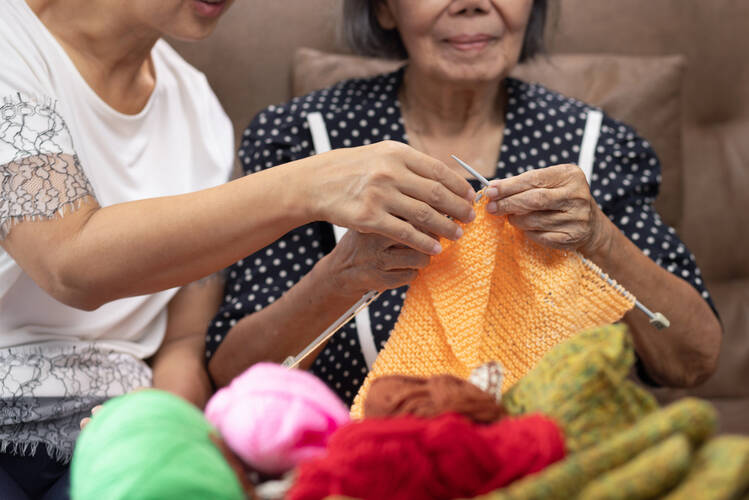
Simple Knitting or Yarn Crafts
Basic knitting or yarn crafts, such as wrapping yarn around shapes or making simple stitches, can be very calming for residents who have prior experience.
Even those without knitting skills can participate in simpler yarn activities like pom-pom making.
The repetitive motions help reduce anxiety and improve focus. Caregivers can provide step-by-step guidance and adapt tasks based on ability.
These crafts offer a sense of purpose, especially when items created can be used or gifted to others, enhancing emotional satisfaction.
-
Sticker Art Projects
Sticker art is an easy and enjoyable activity that requires minimal effort but offers great satisfaction.
Residents can place colorful stickers onto paper to create patterns, scenes, or themed artwork.
This craft is ideal for individuals with limited dexterity because it avoids cutting or complex steps. It also helps improve hand-eye coordination and focus.
Caregivers can provide themed sticker sets, such as animals, flowers, or holidays, to spark interest.
The process is relaxing and allows residents to make creative choices while feeling successful and engaged.
-
Decorating Picture Frames
Residents can decorate plain picture frames using paint, stickers, beads, or foam shapes.
This craft is meaningful because it allows them to personalize an item that can hold a cherished photo.
The activity encourages creativity while remaining simple enough to avoid frustration.
Caregivers can assist with gluing or arranging decorations if needed. Once completed, the frame can be displayed in their room, providing a sense of ownership and pride.
-
Tissue Paper Art
Tissue paper art involves tearing or crumpling colorful tissue paper and gluing it onto a surface to create textured designs.
This craft is highly suitable for residents with dementia because it does not require precision.
The soft texture is pleasant to handle, and the repetitive action can be calming.
Residents can create flowers, abstract art, or seasonal decorations. Caregivers can outline shapes in advance to provide guidance.
This activity promotes creativity, sensory stimulation, and a sense of accomplishment without overwhelming participants.
-
Decorating Wooden Shapes
Pre-cut wooden shapes such as hearts, stars, or animals can be painted or decorated with markers and stickers.
This activity is simple yet engaging, allowing residents to focus on color and design rather than complex construction.
The sturdy material makes it easy to handle, even for those with limited motor skills.
Caregivers can provide examples or let residents create freely. Finished pieces can be used as decorations or gifts. This craft supports creativity while offering a structured and manageable task.
-
Making Greeting Cards
Creating simple greeting cards for family, friends, or staff members is a meaningful craft.
Residents can use pre-folded cards, stamps, stickers, and markers to design personalized messages.
This activity encourages emotional expression and helps maintain social connections.
It can also be adapted by providing templates or pre-written messages for those who struggle with writing.
The process is enjoyable and purposeful, as residents know their creations will be shared.
It fosters a sense of giving and strengthens relationships within and outside the nursing home.
-
Pom-Pom Crafts
Pom-pom crafts involve using soft, colorful pom-poms to create fun designs or decorations.
Residents can glue pom-poms onto paper to form animals, flowers, or abstract patterns. The soft texture makes this activity comforting and engaging.
It is easy to adapt, as caregivers can pre-plan designs or allow free creativity. Handling pom-poms helps improve fine motor skills and coordination.
This craft is also visually stimulating and can be done in groups, encouraging conversation and shared enjoyment among residents.
-
Simple Puzzle Decorating

Residents can decorate blank puzzle pieces or simple pre-made puzzles using paint or markers.
Once completed, the pieces can be assembled to form a collaborative artwork. This activity promotes teamwork and cognitive engagement.
It also provides a sense of accomplishment as residents see the final product come together. Caregivers can adjust the difficulty level by using larger puzzle pieces.
The activity combines creativity with problem-solving, making it both stimulating and enjoyable for participants at different ability levels.
-
Nature-Inspired Crafts
Nature crafts involve using items like leaves, twigs, or flowers to create simple artwork.
Residents can glue these materials onto paper to form collages or seasonal designs.
This activity connects them with the outdoors and can trigger pleasant memories. The textures and natural elements provide sensory stimulation.
Caregivers can collect and prepare materials in advance to ensure safety and ease.
Nature crafts are calming, creative, and adaptable, making them ideal for residents who enjoy simple, hands-on activities.
-
Decorating Mason Jars
Decorating mason jars with paint, ribbons, or stickers is a fun and functional craft. Residents can create candle holders, vases, or storage containers.
This activity encourages creativity while producing something useful. The process is simple and can be adapted for different skill levels.
Caregivers can assist with handling materials like glue or tying ribbons. Finished jars can be displayed in rooms or shared as gifts.
This craft provides a sense of purpose and accomplishment while enhancing the living environment.
-
Simple Sewing or Lacing Cards
Lacing cards or basic sewing projects involve threading yarn through pre-punched holes in shapes or cards.
This activity helps improve coordination and concentration while remaining manageable. It is especially suitable for residents who previously enjoyed sewing.
Caregivers can provide large needles or plastic laces for safety. The repetitive motion can be soothing and help reduce anxiety.
Completed projects can be displayed or gifted, giving residents a sense of pride and reinforcing their ability to create something meaningful.