
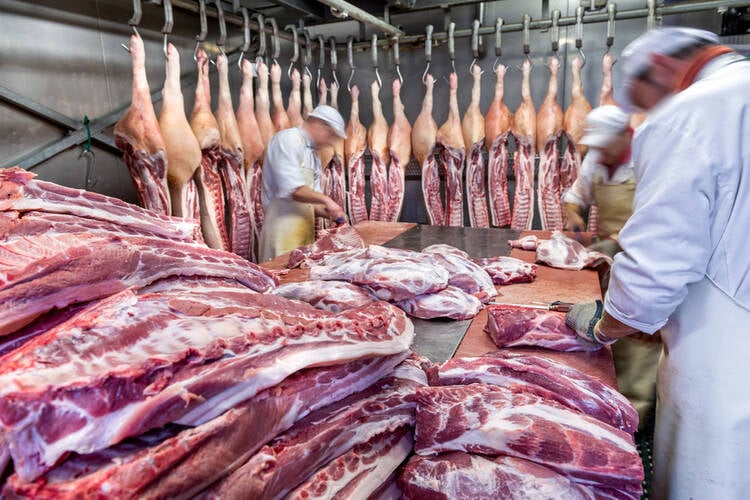
When it comes to starting a butcher business, having the right equipment and tools is essential for efficiency, safety, and product quality.
Proper equipment ensures that meat is processed hygienically, stored correctly, and presented professionally to customers.
From cutting and grinding to packaging and display, each tool plays a vital role in maintaining quality and compliance with health regulations.

Investing in durable, reliable equipment helps streamline operations, reduce waste, and improve customer satisfaction.
In this article, we are going to list some of the essential equipment you need for both your meat processing room and your butcher shop.
This includes items for cutting, grinding, slicing, refrigeration, storage, and display, all designed to help your business operate smoothly, safely, and profitably.
List of Equipment Needed in the Meat Processing Room of a Butcher Shop
-
Meat Saws
Meat saws are crucial for cutting large pieces of meat into manageable portions.
They can be manual or electric and are designed to handle bones and tough cuts efficiently.
Using high-quality, sharp saws reduces labor time and ensures clean, precise cuts.
Regular maintenance and proper sanitation of meat saws prevent contamination and prolong their lifespan.
-
Meat Grinders
Meat grinders are used to process beef, pork, chicken, or other meats into ground products for burgers, sausages, or specialty cuts.
Available in manual or electric models, grinders ensure consistent texture and quality.
They allow butchers to offer custom blends and control fat content. Proper cleaning and maintenance are vital to prevent bacterial growth.
High-capacity grinders help improve workflow efficiency in busy butcher shops, making them an essential investment for processing a variety of products.
-
Meat Slicers
Meat slicers are essential for cutting deli meats, cold cuts, or portioned roasts into uniform slices.
Adjustable thickness settings provide versatility, while sharp, durable blades ensure clean cuts without shredding the meat.
Slicers save time and labor compared to manual cutting and help maintain consistency across products.
In addition to processing room use, slicers can also be used at the counter to serve customers directly, enhancing efficiency and customer service in the butcher shop.
-
Refrigeration Units
Refrigeration units, including walk-in coolers, upright fridges, and display cases, are essential to maintain proper meat storage temperatures.
They slow bacterial growth, preserve freshness, and ensure food safety compliance.
Different units serve different purposes: walk-ins store bulk meat, while display fridges showcase cuts to customers.
Reliable refrigeration protects your investment in inventory and reduces spoilage.
Proper temperature monitoring, regular maintenance, and hygiene practices are crucial.
High-quality refrigeration equipment ensures that your butcher shop consistently delivers fresh, safe, and high-quality meat products.
-
Cutting Boards and Butcher Blocks
Cutting boards and butcher blocks provide a clean, safe surface for processing meat.
Heavy-duty, durable wood or plastic blocks resist knife marks and bacteria, making them essential for hygiene.
They help protect knives from damage and provide stability during cutting, trimming, and portioning.
Proper cleaning and sanitization after each use are critical to prevent cross-contamination.
Large butcher blocks are ideal for heavy cuts, while smaller boards suit portioning tasks.
-
Knives and Cleavers
High-quality knives and cleavers are indispensable in a butcher shop. Knives are used for trimming, slicing, and portioning, while cleavers handle bone-in cuts and large sections of meat.
Regular sharpening, proper storage, and sanitization are critical for safety and hygiene. A variety of knife types ensures that each cut is performed correctly.
Investing in professional-grade knives and cleavers helps butchers maintain consistent product quality.
-
Scales and Weighing Equipment
Accurate scales are vital for portioning, pricing, and inventory management.
Digital or mechanical scales allow precise measurement of cuts, helping ensure fair pricing and reducing waste.
They are also essential for pre-packaged products and customer orders. Scales with tare functions simplify weighing or packaging.
Proper placement in the processing room and counter areas improves workflow efficiency.
Reliable weighing equipment is critical for customer trust, consistent sales, and operational accuracy in any butcher shop.
-
Sausage Stuffers and Casings
Sausage stuffers allow butchers to fill natural or synthetic casings efficiently, producing uniform sausages and specialty products.
These devices can be manual or electric and vary in capacity depending on production needs.
Using sausage stuffers ensures consistent portion sizes, reduces waste, and speeds up production.
Pairing them with high-quality casings and seasonings allows for customized flavors and premium products. Proper cleaning and maintenance are crucial to prevent contamination.
-
Meat Tenderizers
Meat tenderizers are used to soften tougher cuts, improving texture and enhancing flavor absorption. Tools range from handheld mallets to mechanical tenderizing machines.
Tenderized meat cooks more evenly and appeals to customers who prefer softer cuts.
Using tenderizers can help add value to less popular or cheaper cuts, reducing waste and increasing profitability. Regular cleaning and maintenance ensure hygiene and longevity.
-
Cleaning and Sanitation Equipment
Maintaining hygiene is critical in a butcher shop, making cleaning and sanitation equipment essential.
This includes sinks, brushes, sanitizers, disinfectants, and drip trays for meat processing areas.
Regular cleaning prevents cross-contamination, protects food safety, and ensures compliance with health regulations.
Specialized equipment such as floor drains, high-pressure sprayers, and sanitizing stations improves efficiency. Proper cleaning extends the life of knives, cutting boards, and machinery.
A strong sanitation protocol not only safeguards customer health but also builds trust in your butcher shop.
Other Equipment and Tools for a Butcher Shop
-
Display Cases and Refrigerated Counters

Display cases are essential for showcasing your cuts and prepared meats while keeping them at safe temperatures.
Glass-fronted refrigerated counters allow customers to view products clearly, enhancing impulse purchases and sales. These units also help organize inventory by cut type, portion, or pricing.
Investing in high-quality display cases improves the visual appeal of your shop, builds customer trust, and encourages repeat visits, while keeping products fresh and compliant with food safety regulations.
-
Cash Register or POS System
A reliable cash register or point-of-sale (POS) system is critical for smooth transactions, inventory tracking, and sales reporting.
Modern POS systems often include barcode scanning, weight integration, and customer loyalty programs. They help manage pricing, track best-selling cuts, and simplify accounting.
Efficient checkout reduces wait times and improves customer experience. Some systems can also manage delivery orders or subscriptions.
Investing in a robust POS system streamlines operations, enhances accuracy, and provides valuable insights for growing and managing your butcher shop.
-
Packaging Station and Supplies
A dedicated packaging station is essential for pre-packaging cuts, portioned products, or custom orders.
This area should include vacuum sealers, heat sealers, wrapping paper, trays, labels, and tape.
Organized packaging ensures hygiene, efficiency, and consistent presentation.
Proper labeling with weight, cut type, price, and branding enhances professionalism and customer trust.
A well-equipped packaging station allows the butcher shop to offer take-home products, gift packs, or delivery orders while maintaining quality and appeal.
-
Cleaning Supplies for Front-of-House
Beyond the processing room, the front-of-house area requires cleaning supplies like sanitizers, mop buckets, brushes, and trash bins.
Maintaining a spotless shop creates a positive impression for customers and meets health regulations.
Regular cleaning prevents odors, cross-contamination, and pests, ensuring a safe shopping environment. Investing in proper cleaning equipment protects both staff and customers.
-
Customer Service Tools
Tools like scales, slicing stations, tongs, gloves, and trays for counter service improve efficiency and safety.
These tools help staff serve customers accurately and hygienically, creating a positive shopping experience.
Providing gloves or paper for handling cuts and having cutting boards or knives ready ensures clean and professional service.
Proper customer service tools reduce errors, prevent contamination, and streamline workflow at the counter.
-
Label Printers and Signage
Label printers and signage are vital for displaying prices, product names, weight, and other essential information.
Clear, professional labels help customers make informed decisions and reduce errors at checkout.
You can also include branding, QR codes, or cooking tips for added value. Signage helps organize displays, highlight specials, or promote seasonal items.
Using quality labels and visible signs reinforces a professional image, improves operational efficiency, and enhances customer trust.