
Engaging nursing home residents in exercise activities is one of the most effective ways to promote their physical health, mental well-being, and overall quality of life.
Regular movement helps improve mobility, balance, and strength while also reducing the risk of falls and chronic health issues.
Beyond the physical benefits, exercise encourages social interaction, boosts mood, and helps residents feel more energized and independent in their daily routines.
In this article, we are going to explore some of the best nursing home exercise activities designed to suit different ability levels, keep residents engaged, and support a healthier, more active lifestyle within your facility.
Best Nursing Home Exercise Activities for Residents
-
Chair Exercises

Chair exercises are one of the safest and most effective ways to keep nursing home residents active.
They are designed for individuals with limited mobility or balance issues, allowing them to participate while seated. Activities can include leg lifts, arm raises, and seated marching.
These movements help improve circulation, flexibility, and muscle strength without putting stress on joints.
Chair exercises can be done in groups, making them social and enjoyable. They also boost confidence by helping residents stay active regardless of physical limitations.
-
Stretching Routines
Stretching routines are essential for maintaining flexibility and reducing stiffness in residents.
Gentle stretches for the neck, arms, legs, and back can improve range of motion and prevent discomfort caused by long periods of sitting.
These exercises are typically low-impact and can be adapted to individual abilities.
Stretching also helps improve blood flow and posture. When done regularly, it enhances mobility and reduces the risk of injury.
Group stretching sessions can also create a calming and relaxing environment for residents.
-
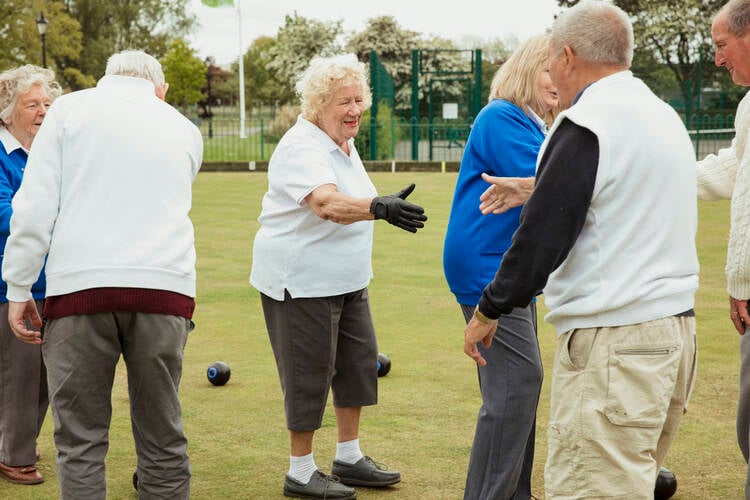
Walking Groups

Walking groups encourage residents to stay active while enjoying social interaction.
Even short, supervised walks around the facility or garden can significantly improve cardiovascular health and mobility.
Walking helps strengthen muscles, improve balance, and boost mood through exposure to fresh air and natural light.
It can be adapted for different fitness levels, with some residents walking longer distances than others.
Group walking also fosters companionship and reduces feelings of isolation, making it both a physical and emotional benefit.
-
Light Aerobics
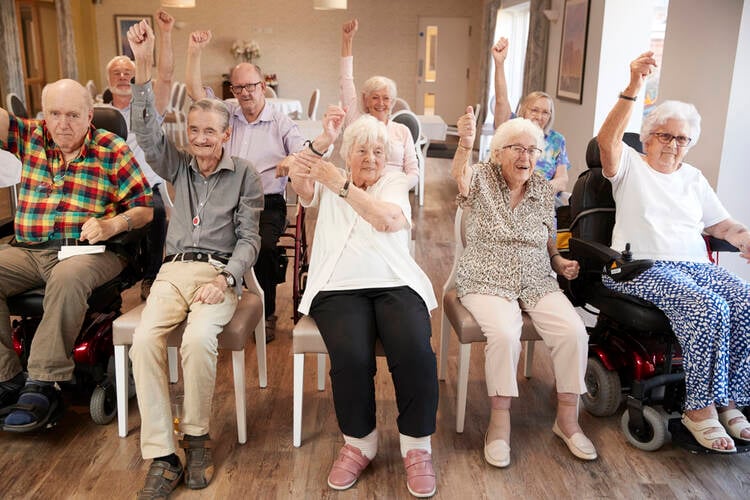
Light aerobics are gentle, rhythmic movements designed to increase heart rate safely.
These exercises can include arm swings, step touches, and slow dance-like movements.
They help improve endurance, coordination, and energy levels without being too strenuous.
Light aerobics can be done to music, making the activity more engaging and enjoyable for residents. Sessions are usually short and structured to avoid fatigue.
This type of exercise is especially beneficial for improving overall cardiovascular health in older adults.
-
Chair Yoga
Chair yoga combines gentle yoga movements with seated positions, making it accessible for residents with limited mobility.
It focuses on breathing, stretching, and relaxation techniques that improve flexibility and reduce stress.
Chair yoga also helps with balance and mental clarity. The slow, controlled movements make it safe for elderly participants.
It can be customized to suit individual needs and abilities. Regular practice promotes relaxation, reduces anxiety, and enhances overall physical and emotional well-being.
-
Resistance Band Exercises
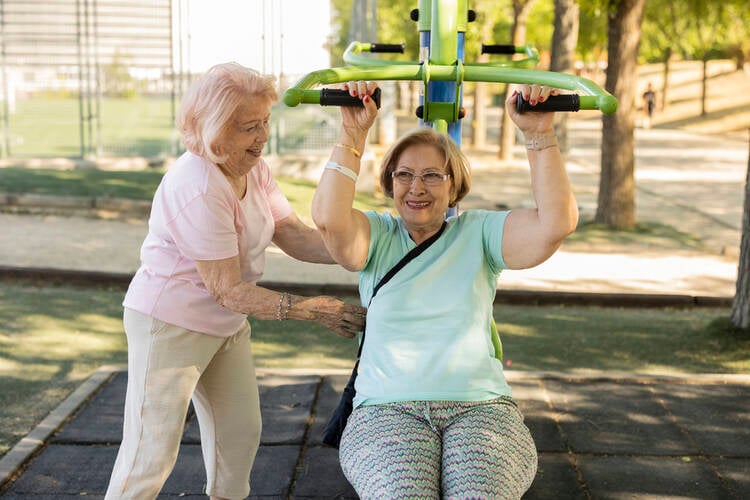
Resistance band exercises are excellent for building strength without heavy weights.
The bands provide gentle resistance that helps improve muscle tone, endurance, and joint stability.
Residents can use bands for arm curls, leg extensions, and shoulder exercises.
These activities are easy to adjust based on strength levels, making them suitable for most residents.
Resistance training also helps maintain independence by improving the ability to perform daily tasks. It is a safe and effective way to support long-term mobility.
-
Dance Therapy Sessions
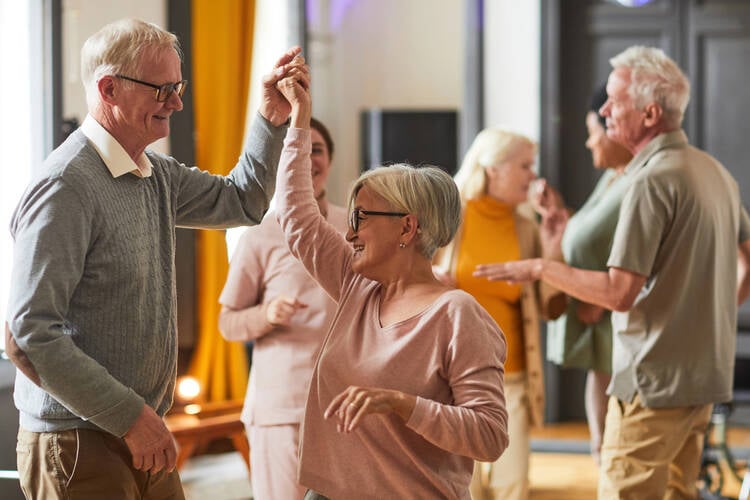
Dance therapy sessions combine movement, music, and expression to promote physical and emotional well-being.
Residents can participate by dancing seated or standing, depending on their ability. Music from different eras can evoke memories and encourage participation.
Dance improves coordination, flexibility, and cardiovascular health while also lifting mood.
It creates a joyful and social atmosphere where residents can express themselves freely.
This activity is especially effective in reducing stress and improving overall happiness in nursing home environments.
-
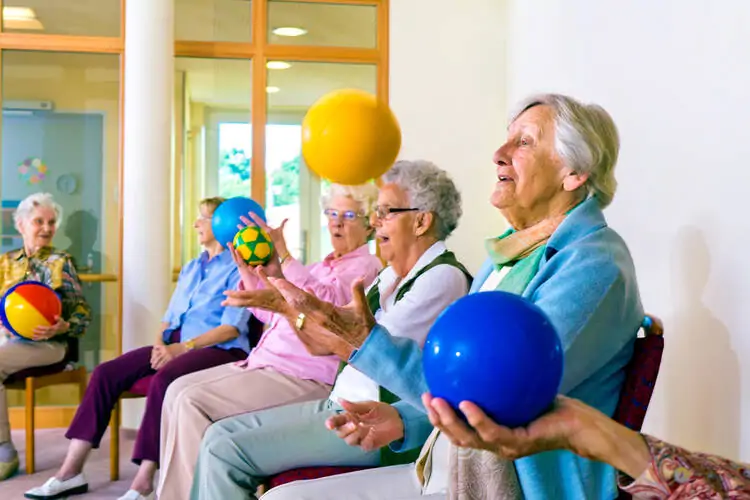
Ball Toss Games
Ball toss games are simple yet highly effective for improving hand-eye coordination and reaction time.
Residents pass or toss a soft ball to each other in a group setting. This activity encourages movement, focus, and social interaction.
It can be adapted for different ability levels by adjusting the distance or using larger, softer balls.
Ball toss games are fun and engaging, helping residents stay active without feeling pressured. They also promote teamwork and communication among participants.
-
Tai Chi Movements
Tai Chi is a gentle form of exercise that involves slow, flowing movements and deep breathing.
It is particularly beneficial for improving balance, flexibility, and mental relaxation.
For nursing home residents, Tai Chi can be adapted into simple routines that are easy to follow. It helps reduce stress, improve posture, and lower the risk of falls.
The calming nature of Tai Chi makes it ideal for promoting mindfulness and emotional stability. Regular practice supports both physical and mental health.
-
Gardening Activities
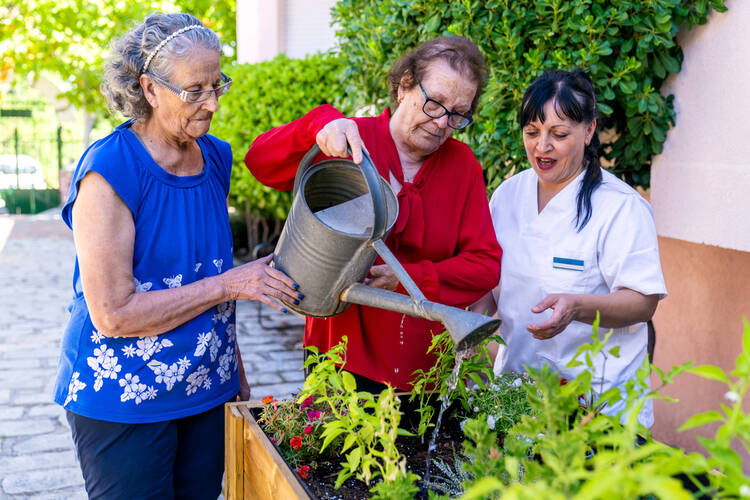
Gardening activities provide light physical exercise while also offering therapeutic benefits.
Residents can participate in planting flowers, watering plants, or tending small garden beds. These activities improve hand strength, coordination, and mobility.
Gardening also promotes relaxation and a sense of purpose, as residents watch plants grow over time.
Being outdoors and engaging with nature enhances mood and reduces stress.
This activity is highly rewarding and encourages both physical movement and emotional well-being in a meaningful way.
-
Seated Marching Exercises
Seated marching is a simple yet effective exercise where residents lift their knees alternately while sitting in a chair.
This movement helps improve lower body strength, circulation, and coordination without requiring standing.
It is especially beneficial for residents with limited mobility or balance concerns.
Seated marching can be done to music to make it more enjoyable and engaging. It also helps maintain hip flexibility and supports cardiovascular health.
Regular practice encourages stamina and keeps residents active in a safe and controlled environment.
-
Hand and Finger Exercises
Hand and finger exercises are important for maintaining dexterity and grip strength in nursing home residents.
Activities may include squeezing soft balls, finger tapping, or using therapy putty.
These exercises help improve fine motor skills, which are essential for daily tasks such as eating, writing, or dressing. They are easy to perform and can be done individually or in groups.
Regular practice reduces stiffness in the joints and promotes better hand coordination, helping residents maintain independence for longer periods.
-
Balloon Volleyball
Balloon volleyball is a fun and safe group activity that encourages movement and interaction.
Residents gently hit a balloon back and forth over a low net or across a table.
The slow movement of the balloon makes it easy to track and reduces the risk of injury.
This activity improves hand-eye coordination, reaction time, and upper body movement.
It also promotes laughter and social bonding, making it both physically and emotionally beneficial for participants of all ability levels.
-
Breathing and Relaxation Exercises
Breathing and relaxation exercises help residents reduce stress and improve lung function.
These exercises involve slow, deep breathing techniques combined with gentle stretching or guided relaxation. They are especially useful for calming anxiety and improving focus.
Residents can practice inhaling deeply through the nose and exhaling slowly through the mouth.
These exercises are low-impact and can be done anywhere, even in bed or a chair.
Regular practice promotes emotional well-being and enhances overall comfort and relaxation.
-
Step Touch Movements
Step touch movements are light aerobic exercises where residents step side to side while gently tapping the opposite foot.
This activity improves balance, coordination, and cardiovascular health. It can be done seated or standing, depending on ability levels.
Step touch routines are often performed to music, making them more enjoyable and engaging.
They are easy to follow and help residents stay active without overexertion.
This exercise also encourages rhythm and group participation, creating a lively and social atmosphere.
-
Light Weight Lifting (Hand Weights)
Lightweight lifting using small hand weights or water bottles helps residents build and maintain muscle strength.
Exercises can include bicep curls, shoulder presses, and arm lifts. These movements support upper-body strength and improve functional abilities needed for daily tasks.
The weights are light to ensure safety and prevent strain. With proper supervision, residents can gradually improve endurance and muscle tone.
This activity also boosts confidence by helping residents feel stronger and more capable in their daily routines.
-
Chair Kickboxing
Chair kickboxing is a modified exercise that combines seated punching and leg movements.
Residents remain seated while performing controlled arm jabs and gentle leg kicks. This activity improves coordination, flexibility, and upper-body strength.
It also provides a fun and energetic way to release stress and boost mood. Chair kickboxing can be done to upbeat music to enhance engagement.
It is safe, adaptable, and suitable for different fitness levels, making it a popular group exercise in nursing homes.
-
Range of Motion Exercises
Range of motion exercises focus on moving joints through their natural range to maintain flexibility and prevent stiffness.
These exercises include shoulder rotations, wrist circles, and ankle movements.
They are often guided by a caregiver or activities director to ensure proper technique.
Range of motion exercises are especially important for residents with arthritis or limited mobility.
They help maintain joint health, reduce pain, and support overall physical function, making daily movements easier and more comfortable.
-
Seated Basketball Toss
Seated basketball toss is a fun and interactive game where residents try to throw soft balls into a basket from a seated position.
This activity improves coordination, focus, and upper body strength. It can be turned into a friendly competition to encourage participation and excitement.
The game is easily adaptable by adjusting distance or basket size based on ability levels.
It promotes social interaction and provides a sense of achievement, making it both entertaining and beneficial for residents.
-
Guided Movement with Music
Guided movement with music involves following simple exercise instructions set to calming or upbeat music.
Residents perform slow arm movements, stretches, or light steps in rhythm with the music. This activity improves coordination, balance, and mood.
Music helps stimulate memory and encourages participation, especially for residents with cognitive challenges.
It creates a joyful and relaxed environment while promoting physical activity.
Guided movement sessions are flexible and can be adjusted to suit different energy levels and abilities.