
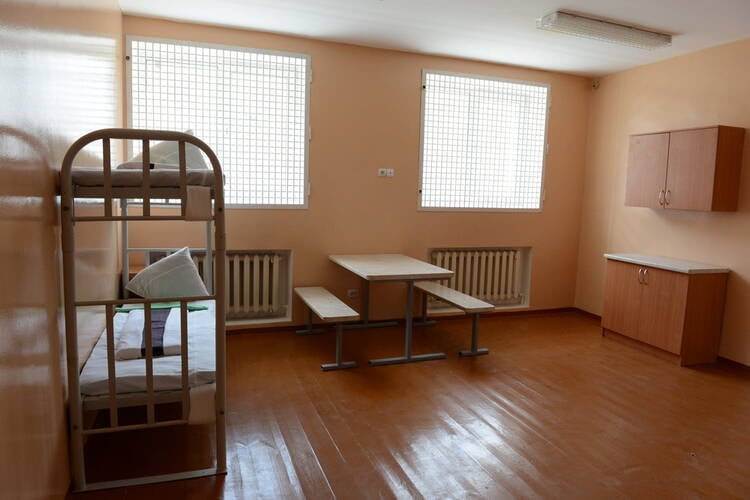
A well-designed halfway house promotes safety, comfort, and a sense of normalcy, helping residents feel secure, supported, and empowered during this critical period of reintegration.
Thoughtful design can reduce stress, encourage positive behavior, and foster a community atmosphere that aids in recovery and personal growth.
When it comes to designing a halfway house, you must focus on both functionality and resident well-being.

In this article, we are going to look at some of the best halfway house design ideas, interior layout strategies, and floor plan tips that maximize privacy, efficiency, and safety.
Best Halfway House Design Ideas
-
Zoning by Function
Zoning different areas for sleeping, dining, recreation, counseling, and administration is essential. Clearly defined zones improve efficiency, safety, and resident comfort.
Private sleeping areas allow rest and personal space, while common areas encourage socialization and community-building.
Counseling rooms and offices should be accessible but separate from noisy areas to maintain confidentiality.
Proper zoning reduces stress, prevents conflicts, and helps staff supervise effectively.
Thoughtful separation of functional spaces ensures smooth daily operations.
-
Private and Semi-Private Sleeping Spaces
Providing private or semi-private rooms enhances dignity and mental well-being. Residents need personal space to rest, store belongings, and reflect.
Bunk beds or small shared rooms with partitions maximize capacity without compromising privacy.
Soundproofing, individual lighting, and personal storage help residents feel secure.
Even in shared rooms, creating distinct boundaries fosters respect among residents and maintains a calm environment.
Comfortable sleeping arrangements are critical for fostering stability, supporting rehabilitation goals, and helping residents adjust to structured living in preparation for reintegration.
-
Trauma-Informed Design
Many halfway house residents have experienced trauma. Incorporating trauma-informed design, such as:
Soft lighting, calming colors, uncluttered spaces, and predictable layouts, reduces stress and promotes healing.
Avoid harsh lights, long corridors, or confined spaces that may increase anxiety.
Trauma-informed design promotes emotional safety, encourages positive behavior, and supports recovery.
Small details, like non-slip floors and clear signage, also contribute to physical safety.
Creating an environment that feels safe and predictable enhances residents’ ability to focus on personal growth.
-
Accessible and Inclusive Design
Halfway houses must accommodate residents of all abilities. Wide hallways, ramps, accessible bathrooms, and lower counters ensure inclusivity.
Layouts should consider mobility challenges, temporary injuries, or visual and auditory impairments. Clear signage and intuitive pathways reduce confusion and stress.
Accessibility also extends to shared spaces, such as dining and recreation areas, ensuring everyone can participate comfortably.
Inclusive design demonstrates respect, equity, and compassion while meeting legal standards.
-
Community and Social Areas
Communal areas are crucial for fostering social interaction, life skills, and peer support.
Lounges, kitchens, and recreational spaces encourage residents to connect in structured ways.
Flexible furniture arrangements allow group activities, educational programs, and informal gatherings.
Design should balance visibility for staff supervision with resident comfort and autonomy.
Access to shared spaces builds a sense of belonging, reduces isolation, and encourages accountability.
-
Efficient Staff and Security Layout
Staff areas should be strategically located to monitor residents without creating a prison-like atmosphere.
Offices, observation points, and intake areas should allow quick access to common spaces and entrances.
Controlled circulation paths enhance safety while reducing unnecessary stress on residents.
Properly placed security features, such as cameras, secure doors, and alarms, ensure safety without feeling oppressive.
Efficient staff layouts improve response times during emergencies and daily operations, allowing staff to maintain oversight, enforce rules, and provide support in a calm, organized manner.
-
Integrated Counseling and Support Spaces
Halfway houses function as rehabilitation environments, so private, soundproof counseling and support rooms are essential.
Residents need spaces for therapy, case management, group sessions, and life skills training.
Locating these rooms near communal areas ensures convenience while maintaining confidentiality.
Comfortable furniture and calming décor enhance the therapeutic experience.
Integrated support spaces make services accessible and reduce barriers to participation.
-
Natural Light and Ventilation
Maximizing natural light and proper ventilation significantly improves physical and mental health.
Large windows, skylights, and open layouts create uplifting, energizing spaces. Fresh air circulation reduces odors and prevents the spread of illness.
Well-lit areas reduce stress, improve mood, and encourage productivity in daily routines.
Thoughtful placement of windows and vents balances privacy, comfort, and hygiene, enhancing the overall livability of the halfway house.
-
Outdoor and Transitional Spaces
Outdoor areas, such as courtyards, gardens, and patios, provide residents with fresh air, relaxation, and opportunities for physical activity.
Transitional spaces near entrances or between functional areas help regulate traffic flow and improve security.
Outdoor seating and shaded areas encourage socialization, reflection, and exercise, which support mental and physical well-being.
Thoughtful design of outdoor and transitional areas promotes healthier routines, encourages community engagement, and provides residents with a connection to nature.
-
Durable and Easy-to-Maintain Materials
Halfway houses experience heavy daily use, so choosing durable, low-maintenance materials is critical.
Floors, furniture, and fixtures should resist wear, spills, and damage while remaining safe and comfortable.
Non-slip floors, stain-resistant surfaces, and easy-clean finishes reduce maintenance time and enhance hygiene.
Choosing materials that balance practicality with warmth prevents the facility from feeling sterile or institutional.
Durable design supports long-term sustainability, reduces costs, and ensures that residents experience a clean, welcoming, and safe environment conducive to recovery.
-
Clear Wayfinding and Signage
Clear wayfinding is essential in a halfway house to reduce confusion and anxiety for new residents.
Use intuitive layouts, color-coded zones, and easily readable signage to direct residents to sleeping areas, bathrooms, dining rooms, counseling offices, and recreation spaces.
Symbols and multiple languages can improve accessibility. Effective signage reduces staff time spent giving directions, prevents bottlenecks, and helps residents navigate independently, promoting confidence and a sense of control.
-
Personal Storage Solutions
Personal storage, such as lockers or secure cabinets, is vital for resident security and dignity.
Residents need a safe space for clothing, documents, personal items, and valuables.
Properly sized, lockable storage reduces theft and helps residents maintain organization in shared living spaces.
Offering personal storage reinforces respect, promotes independence, and creates a sense of ownership over one’s space.
When residents feel their belongings are secure, they are more likely to feel comfortable, confident, and engaged in their rehabilitation.
-
Quiet and Reflection Areas
Dedicated quiet spaces support reflection, meditation, and stress relief. These areas can include small reading nooks, meditation rooms, or calming lounges away from busy communal zones.
Quiet areas help residents decompress after structured programs, social interactions, or stressful moments.
Furnishings should be comfortable and minimal, with soft lighting and calming décor.
By incorporating reflection spaces, halfway houses acknowledge mental health needs and encourage emotional regulation.
-
Family and Child-Friendly Zones
Some residents may have children, so designing family-friendly zones is important.
Separate family sleeping areas, child-safe bathrooms, and small play or learning areas help maintain routines and safety.
Bright, durable, and easy-to-clean furniture makes spaces welcoming while accommodating high use.
Sound separation from adult-only zones ensures restful sleep for everyone.
Family-focused design helps reduce stress for parents and children and supports family stability during transitional periods.
-
Flexible and Multi-Purpose Spaces
Flexibility in-space design allows for adaptability to changing needs. Multi-purpose rooms can host group therapy, education programs, recreational activities, or community meetings.
Movable partitions, modular furniture, and adaptable layouts make it easy to convert spaces efficiently.
Flexible areas maximize utility while maintaining resident comfort and privacy.
They also allow the facility to respond to temporary surges in population or special events.
Multi-purpose, adaptable spaces make the halfway house more functional, cost-effective, and capable of supporting diverse programming.