

If you want to start a juice business, you should first decide whether you want to sell drinks directly to consumers or make money somewhere else in the juice supply chain.
You can open a juice bar, deliver weekly juice subscriptions, operate a mobile truck, manufacture bottled drinks, supply fruit to producers or even sell equipment to other juice businesses.
That gives you opportunities at very different investment levels. You should also pay attention to how customers’ expectations are changing.
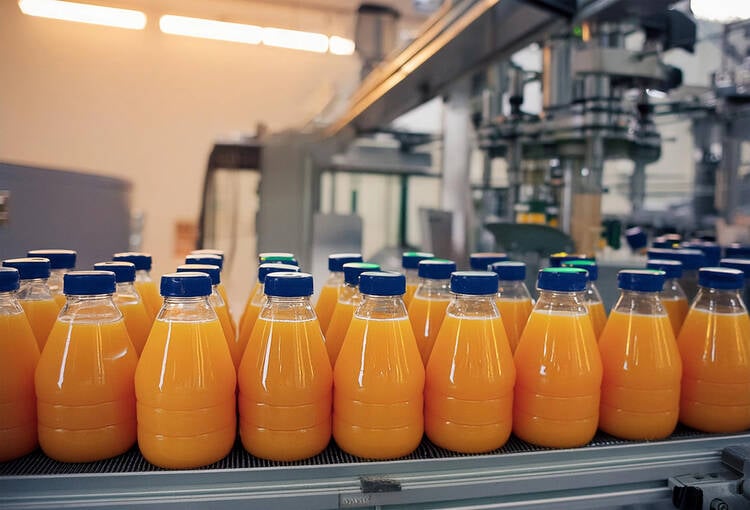
Simply putting orange, apple or pineapple juice into a bottle may not give you enough of an advantage anymore.
Customers are paying closer attention to sugar, ingredients, convenience, portion size and what else a drink provides.
That is creating opportunities around cold-pressed juices, smaller juice shots, vegetable-forward blends, smoothies containing protein and fiber, premium ingredients and unusual flavor combinations.

If you are considering starting a juice-related business, you should choose a model that matches your available capital, skills and target customers rather than trying to follow every beverage trend at once.
Are Juice Businesses Still Worth Starting?
Yes, but you should be careful about assuming that juice automatically sells because customers consider it healthy.
Juice businesses now compete with bottled water, coffee, energy drinks, sparkling beverages, protein drinks, smoothies and many other products for the same customer’s money. Sugar content has also become a bigger concern.
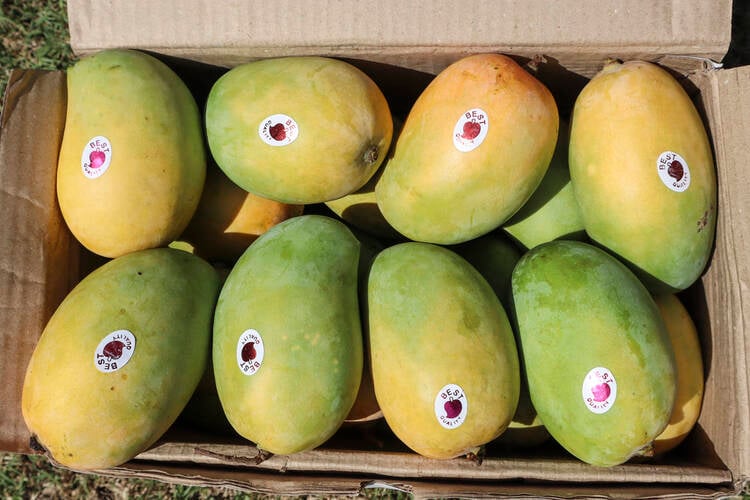
You should also watch your raw-material costs closely. Fresh produce can be expensive and highly perishable.
If you purchase too much fruit and throw a significant percentage away every week, good sales will not necessarily produce good profits.
The strongest juice businesses therefore combine attractive products with disciplined purchasing, portion control and a reliable source of repeat customers.
Retail and Direct-to-Consumer Juice Business Ideas
1. Fresh Juice Bar

A fresh juice bar is one of the most straightforward ways to enter the industry.
You can sell freshly squeezed fruit juices, vegetable blends, smoothies, juice shots and selected snacks. Your location will have a major effect on the business.
Gyms, office districts, shopping areas, hospitals, college neighborhoods and busy pedestrian locations can provide useful traffic if the customer profile matches your products.
You should keep the menu relatively focused. A menu containing forty juices may look impressive but requires you to stock many ingredients and can create unnecessary waste.
Start with a small group of bestsellers and introduce rotating seasonal drinks.
You can also increase the average customer order with smoothie bowls, fruit cups or other complementary products.
2. Cold-Pressed Juice Business

Cold-pressed juice can be sold through a physical shop, online ordering, gyms, cafés and direct delivery.
The business gives you an opportunity to position the product at a more premium level than ordinary freshly squeezed juice.
You should avoid depending entirely on vague claims that cold pressing automatically makes your drinks substantially healthier.
Customers still need good flavor, fresh ingredients and convenient packaging.
A strong model is to create a limited range of clearly identifiable blends such as green vegetable, citrus, beet and tropical fruit varieties.
You can also offer multi-bottle packs that encourage customers to purchase several drinks at once.
Because these products have limited shelf lives, accurate production planning is extremely important.
3. Smoothie Bar

Smoothies give you greater flexibility than juice because you can retain more of the whole fruit and combine it with vegetables, yogurt, milk alternatives, oats, seeds and other ingredients.
You can target breakfast customers, gym users, office workers or people looking for a quick meal or snack. You should make the menu easy to understand.
For example, you could organize smoothies around fruit blends, greens, protein options and indulgent varieties.
Customers can then select optional add-ins without turning every order into a completely different recipe. Portion control is particularly important.
Fruit, protein powders and premium ingredients can make a smoothie surprisingly expensive to produce if staff are allowed to scoop ingredients without standardized recipes.
4. Mobile Juice and Smoothie Truck

A mobile truck allows you to take your drinks directly to customers instead of waiting for them to visit a permanent shop.
You can serve gyms, office parks, college campuses, beaches, sporting events, festivals and farmers’ markets where vending rules permit.
The biggest advantage is mobility. If your weekday office location is busy but weekends are quiet, you can move to events or leisure areas on Saturdays and Sundays.
You should create a predictable schedule rather than changing locations randomly.
Customers are more likely to become regulars if they know where your truck will be each morning. Private catering can also become another income stream.
5. Juice Cart or Kiosk Business
If a full truck or permanent shop requires more capital than you want to invest, you can start with a cart or kiosk.
Shopping centers, markets, gyms, tourist destinations and event venues can all provide possible locations.
Your menu should be especially compact because storage and preparation space will be limited.
Fresh citrus juices, watermelon juice, tropical blends, smoothies or several signature drinks may be enough.
You should calculate how much foot traffic the location needs to cover rent or concession fees before signing an agreement.
A small kiosk in the right location can outperform a beautiful full-size shop that customers rarely pass.
6. Fresh Juice Subscription and Delivery Business

Subscriptions can make the juice business more predictable. Instead of hoping customers place random orders, you can deliver an agreed number of drinks every week.
Your target customers might include households, offices, gyms and other businesses.
You should keep delivery routes compact. Sending one driver across an entire city to deliver a single bottle to each customer will quickly consume your margins.
Create packages such as six-bottle, twelve-bottle or office plans and deliver particular neighborhoods on specific days.
Subscriptions also help production planning because you know a portion of your weekly demand before you purchase fruit.
Corporate and Event Juice Business Ideas
7. Corporate Office Juice Supply Business

Companies buy beverages for meetings, conferences, employee events and office refreshment programs.
You can build a business supplying bottled fresh juice, smoothies and juice shots directly to them. Recurring office accounts are especially valuable.
Instead of waiting for an annual event, you can arrange weekly refrigerator restocking or regular meeting packages.
You should make ordering easy. Create set packages for 10, 25, 50 or 100 people so an office manager does not have to request a custom quotation for every meeting.
Reliable early delivery may become just as important as the drinks themselves.
8. Wedding and Event Juice Bar

A professionally presented juice bar can work at weddings, birthday parties, corporate events and other celebrations.
You can serve freshly prepared juices, smoothies and attractive non-alcoholic drinks.
The opportunity is not simply selling individual cups. You are selling an event package.
That may include the serving station, staff, glassware or cups, garnishes and a predetermined number of drinks.
You should create several package levels based on guest count. Wedding planners, venues and caterers can become valuable sources of repeat referrals.
A visually attractive setup can also distinguish your service from an ordinary beverage table.
9. Gym and Fitness Center Juice Service
Gyms create a natural customer base for certain juice and smoothie products.
You can operate a counter inside a gym, place a small kiosk nearby or supply bottled products to several fitness facilities. Your product mix should match the customers.
Protein smoothies, fruit-and-vegetable blends, hydration-focused drinks and small juice shots may fit better than an enormous menu of sweet fruit beverages.
You should speak with gym owners before investing in a permanent location.
A revenue-sharing arrangement may allow you to test demand without signing a separate retail lease.
Recurring memberships at the gym can also translate into repeat drink customers.
Emerging and Specialty Juice Product Ideas
10. Functional Juice Shot Business
Small juice shots are one of the more interesting product formats to investigate.
Rather than selling a 12- or 16-ounce bottle, you can create smaller servings using ingredients such as ginger, turmeric, citrus or other permitted ingredients.
The smaller format can be convenient for customers and allows you to sell the product as part of a daily routine.
You should be extremely careful with health claims. Do not imply that your juice treats or prevents illnesses unless you have a lawful basis for making the claim.
Sell the product around flavor, ingredients and convenience. Shots can be distributed through juice bars, gyms, supermarkets and subscription boxes.
11. Protein and Fiber Smoothie Business
Customers increasingly want beverages that feel more substantial than ordinary juice.
You can build a smoothie brand around fruit, vegetables, protein sources and ingredients that contribute fiber.
The business could operate from a bar, gym kiosk or packaged ready-to-drink format.
You should formulate the drinks carefully. Adding an enormous scoop of powder to an otherwise poorly balanced drink will not create a good product.
Taste, texture and nutritional composition all matter. If you display nutrition information or make specific nutrient claims, make sure they are accurate and comply with the applicable rules.
12. Vegetable-Forward Juice Business
Fruit-heavy juice can contain considerable natural sugar, so vegetable-forward products give you another way to position the business.
You can use ingredients such as cucumber, celery, leafy vegetables, tomato, carrots and beet alongside smaller amounts of fruit for flavor.
The key is making the drinks enjoyable. Customers are unlikely to become regular buyers if every bottle tastes like something they force themselves to drink.
Use tasting sessions before launching the final recipes. A vegetable-forward line can work particularly well alongside conventional fruit juices rather than replacing them completely.
13. No-Added-Sugar Children’s Juice Brand

Parents can be a valuable market for conveniently packaged children’s drinks.
You can develop properly portioned fruit or fruit-and-vegetable drinks without unnecessary added sweeteners. Packaging should be convenient for lunchboxes and family outings.
You should not describe the product as automatically healthy simply because it contains fruit.

Parents increasingly read sugar and ingredient information, so clear labeling will matter.
Schools, grocery stores and family-oriented retailers can become distribution channels where local regulations permit. You may also sell multi-packs directly to households.
14. Sugarcane Juice Business
Fresh sugarcane juice can be a strong specialist concept in markets where customers are familiar with the drink or where tropical beverages attract interest.
You can sell it from a kiosk, mobile cart or dedicated shop. Flavor variations might include lime, ginger or other locally appropriate ingredients.
You should pay particular attention to sanitation and machine cleaning because fresh sugarcane is processed directly in front of the customer.
The crushing equipment itself can become part of the experience if customers can watch the drink being prepared. High-traffic hot-weather locations can be especially suitable.
Manufacturing and Distribution Juice Business Ideas
15. Bottled Juice Production Business

If you want to build a larger operation, you can produce packaged juice for supermarkets, convenience stores, hotels and other retailers. This requires much more than creating a good recipe.
You need proper processing, packaging, food-safety controls, labeling and distribution.
You should begin with a manageable range rather than trying to compete with national brands across every flavor.

A strong regional product using locally recognizable fruit can provide a clearer point of difference.
Before investing heavily in a production line, identify the retailers and distributors likely to carry the product. Production capacity has little value without distribution.
16. Private-Label Juice Manufacturing

Some restaurants, hotels, gyms and retailers may want juice sold under their own brands without operating production facilities. You can manufacture products for these businesses.
The client provides the brand while you handle agreed production and packaging.
This is a business-to-business model and may produce larger orders than direct retail.
You should establish minimum production quantities because repeatedly stopping a manufacturing line to produce tiny custom orders can become inefficient.
Quality consistency is critical because your mistakes can damage both your own reputation and the client’s brand.
17. Juice and Smoothie Distribution Business
You do not necessarily have to manufacture drinks. You can distribute established juice and smoothie brands to cafés, shops, gyms, hotels and restaurants.
The business requires suitable storage and, for refrigerated products, dependable cold-chain transportation. Your goal should be route density.
Serving twenty customers inside the same part of a city is more efficient than delivering similar quantities to twenty customers scattered across a large region.
You should also look for brands that fill genuine gaps in your local market rather than carrying products retailers can already buy easily from existing wholesalers.
Juice Industry Supply and Support Businesses
18. Fresh Fruit Supply Business

Juice bars and manufacturers need reliable supplies of fresh fruit. You can build a business sourcing produce from farms and delivering it to commercial buyers.
You should specialize in consistency. A juice manufacturer cannot easily operate if today’s oranges are excellent but next week’s order never arrives.
You may supply mangoes, citrus, pineapple, berries or other fruits depending on your region.

Cold storage, grading and dependable transportation can allow you to charge for more than simply acting as a middleman.
As the business grows, you can supply restaurants and other food companies alongside juice producers.
19. Commercial Juicer Sales, Rental and Maintenance Business
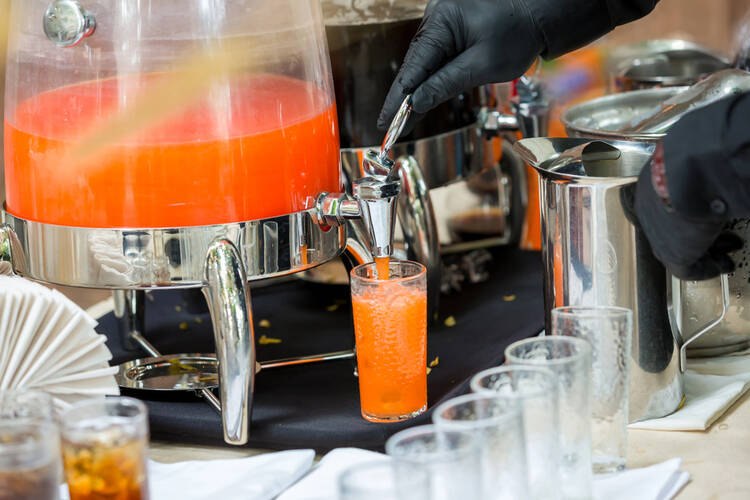
Juice bars need commercial juicers, blenders, refrigeration and other equipment.
You can make money selling or renting those machines to new and existing operators.
Rental can be particularly useful for events, temporary businesses and entrepreneurs testing a concept before purchasing equipment.
You should also consider maintenance and repairs. A juice shop with one important machine out of service can lose an entire day’s sales.
If you can provide replacement equipment or rapid servicing, you become more valuable than an ordinary equipment retailer.
You should learn the brands and machines you sell well enough to provide meaningful after-sales support.
20. Commercial Fruit Farming for Juice Production

If you have suitable land and agricultural experience, you can enter the juice industry from the beginning of the supply chain.
Juice manufacturers need large quantities of fruit, and processing markets can sometimes create an outlet for produce that does not have the perfect appearance required for premium fresh retail.
You should not plant acres of fruit first and then begin searching for customers after harvest.
Identify processors, juice bars, wholesalers and other likely buyers before expanding production. Your crop choice should also reflect your climate and available market.
You can eventually create more value by combining farming with processing, but that should happen only after you understand both businesses.
Which Juice Business Should You Start?
The answer depends on how much money you can invest and whether you want to deal directly with consumers.
If You Have Limited Startup Capital
You should consider a juice cart, small kiosk, delivery service or event juice bar.
These allow you to begin without committing to the rent and fit-out of a large retail shop.
You can also start with pre-orders so you purchase fruit against confirmed demand.
That can dramatically reduce waste while you are still learning what customers prefer.
If You Have Moderate Startup Capital
A juice bar, smoothie shop, mobile truck, cold-pressed juice brand or fitness-center operation may be appropriate.
You should spend money on reliable equipment and an efficient layout rather than expensive decoration that does not improve production or sales.
A strong ordering and refrigeration system will matter much more to the business than decorative furniture.
If You Have Significant Startup Capital
You can investigate juice manufacturing, private-label production, commercial farming or distribution.
These businesses can operate at a much larger scale, but they also introduce greater risks.
You may have to manage food regulation, packaging, transportation, employees and substantial inventory.
You should secure realistic sales channels before making large investments in production capacity.