
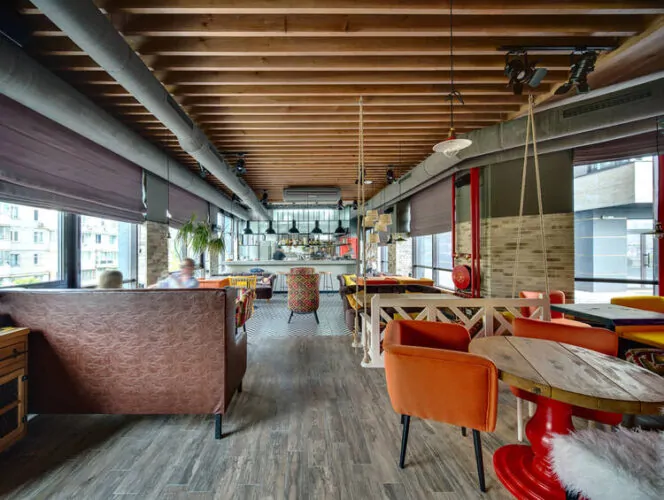
A thoughtfully planned Mexican restaurant should reflect the warmth, culture, and vibrant character associated with Mexican cuisine while remaining functional and inviting.
From colorful décor and themed furniture to efficient kitchen layouts and customer-friendly floor plans, every design element matters.
Today, we are going to look at some of the best Mexican restaurant interior design ideas, floor plans, and layout concepts if you are planning to open, renovate, or rebrand a Mexican restaurant.
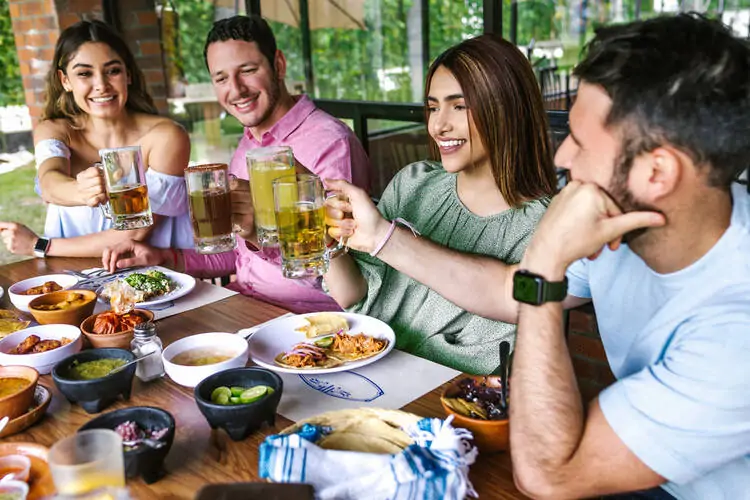
Best Mexican Restaurant Interior Design ideas
-
Create a Vibrant Color Scheme
One of the defining characteristics of a Mexican restaurant is its vibrant and energetic atmosphere.
Using bold colors such as red, yellow, orange, turquoise, and green can instantly create a warm and inviting environment.
These colors reflect the richness of Mexican culture and help establish a memorable dining experience.
Consider incorporating colorful walls, furniture, artwork, and decorative accents throughout the space.
A well-planned color palette can strengthen brand identity, improve the restaurant’s visual appeal, and encourage customers to feel comfortable and engaged during their visit.
-
Incorporate Traditional Talavera Tiles
Talavera tiles are an iconic feature of Mexican design and can be used on floors, walls, countertops, and backsplashes.
Their colorful hand-painted patterns add authenticity and character to the restaurant.
Beyond aesthetics, ceramic tiles are durable, easy to clean, and ideal for high-traffic environments.
Talavera accents can be used sparingly as focal points or extensively throughout the restaurant, depending on the desired theme.
Incorporating these traditional elements helps create a genuine cultural atmosphere while giving the space a unique and visually appealing appearance.
-
Design an Open and Welcoming Entrance
The entrance creates the first impression customers have of your restaurant.
A welcoming entrance should feature attractive signage, decorative lighting, colorful planters, and culturally inspired architectural elements.
Large doors or open façades can make the restaurant feel more inviting and accessible.
Consider showcasing a glimpse of the interior through windows or open layouts to entice passersby.
A thoughtfully designed entrance not only attracts customers but also establishes expectations for the dining experience.
-
Use Rustic Wooden Furniture
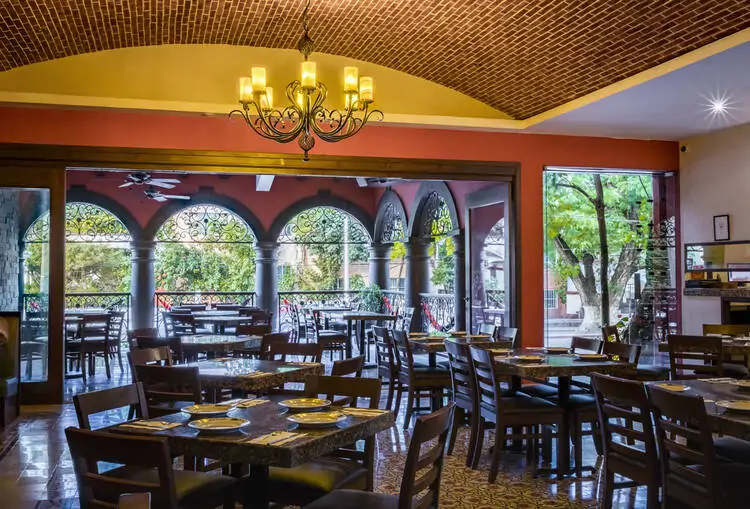
Rustic wooden furniture adds warmth, authenticity, and durability to Mexican restaurant interiors.
Tables, chairs, booths, and barstools made from natural wood help create a traditional and welcoming atmosphere.
Distressed finishes and handcrafted details can further enhance the cultural theme.
Wooden furniture pairs beautifully with colorful décor, ceramic accents, and wrought iron features commonly found in Mexican-inspired spaces.
Besides aesthetic benefits, quality wooden furnishings are durable and capable of withstanding heavy restaurant use while maintaining their charm over time.
-
Create an Efficient Dining Room Layout
A well-designed dining room layout is essential for customer comfort and operational efficiency.
Tables should be arranged to maximize seating capacity without making guests feel crowded.
Adequate aisle space allows customers and staff to move comfortably in the restaurant.
Different seating options, such as booths, communal tables, and private dining areas, can accommodate diverse customer needs.
An efficient floor plan enhances service speed, improves traffic flow, and contributes to a positive dining experience.
-
Install Decorative Lighting Fixtures
Lighting plays a crucial role in establishing the mood and ambiance of a Mexican restaurant.
Decorative fixtures such as wrought iron chandeliers, pendant lights, lanterns, and wall sconces can enhance authenticity and visual appeal.
Warm lighting creates a cozy atmosphere that encourages guests to relax and enjoy their meals.
Strategic lighting can also highlight architectural features, artwork, and decorative elements.
A combination of ambient, accent, and task lighting ensures both functionality and aesthetic value throughout the restaurant.
-
Incorporate Cultural Artwork and Murals
Artwork and murals inspired by Mexican culture can transform a restaurant into an immersive dining environment.
Colorful paintings, handcrafted pieces, and large murals depicting landscapes, traditions, or folklore add personality and authenticity.
These artistic elements serve as conversation starters while reinforcing the restaurant’s theme.
Murals can also become photo-worthy attractions that encourage social media sharing.
Carefully selected artwork helps create a memorable experience and strengthens the connection between the restaurant’s design and its culinary offerings.
-
Design a Functional Bar Area
Many Mexican restaurants feature bars that serve cocktails, tequila, and other beverages.
A functional bar layout should provide sufficient workspace for staff while remaining visually attractive to customers.
Incorporating decorative shelving, colorful tilework, and ambient lighting can enhance the bar’s appeal.
Seating arrangements should encourage social interaction while maintaining comfortable traffic flow.
A well-designed bar area can increase beverage sales, improve customer engagement, and become a focal point within the restaurant.
-
Include Indoor Plants and Greenery
Plants bring life, color, and freshness to restaurant interiors. Incorporating potted plants, hanging greenery, or decorative succulents can soften hard surfaces and create a more welcoming environment.
Plants also complement the vibrant colors and natural materials commonly found in Mexican-inspired designs.
Strategic placement can help define spaces, improve aesthetics, and enhance the overall atmosphere.
In addition to their visual benefits, plants contribute to a sense of comfort and relaxation, making the dining experience more enjoyable for guests.
-
Utilize Wrought Iron Decorative Elements
Wrought iron is a traditional material often associated with Mexican architecture and design.
It can be incorporated into lighting fixtures, railings, furniture, mirrors, and decorative accents.
The intricate patterns and handcrafted appearance of wrought iron add elegance and authenticity to the restaurant’s interior. These features pair well with wood, stone, and colorful ceramic elements.
Incorporating wrought iron details helps create a cohesive design theme while enhancing durability and visual interest throughout the space.
-
Develop a Well-Organized Kitchen Layout
The kitchen is the heart of any restaurant, and its layout directly impacts efficiency and service quality.
A Mexican restaurant kitchen should be organized to support food preparation, cooking, plating, and cleaning processes.
Workstations should be arranged logically to minimize unnecessary movement and improve productivity. Proper storage, ventilation, and equipment placement are also essential.
A well-planned kitchen layout helps reduce delays, improve workflow, and ensure consistent food quality, contributing to overall operational success.
-
Create Comfortable Booth Seating Areas
Booth seating offers privacy, comfort, and a cozy dining experience that many customers appreciate.
Incorporating booths along walls or in designated sections can maximize seating capacity while creating a more intimate atmosphere.
Upholstery colors and materials should complement the restaurant’s overall design theme.
Booths are particularly popular among families and groups seeking a relaxed dining environment.
Their combination of functionality and comfort makes them a valuable addition to many Mexican restaurant floor plans.
-
Design Attractive Outdoor Dining Spaces
Outdoor dining areas can significantly increase seating capacity and enhance customer appeal.
Patios, courtyards, and sidewalk seating areas should reflect the restaurant’s Mexican theme through decorative lighting, colorful furniture, plants, and cultural accents.
Outdoor spaces create a relaxed atmosphere that many customers enjoy, particularly during warmer seasons.
A well-designed patio can become a major attraction and provide additional revenue opportunities.
-
Establish Clear Traffic Flow Patterns
Efficient traffic flow is essential for both customer comfort and staff productivity.
Walkways should be wide enough to accommodate movement without causing congestion.
Entry points, dining areas, restrooms, and service stations should be positioned strategically to reduce bottlenecks.
Clear traffic patterns improve operational efficiency and contribute to a more pleasant dining experience.
Careful planning ensures that customers can navigate the restaurant easily while allowing staff to provide prompt and effective service.
-
Maintain Consistent Branding Throughout the Design
Every aspect of the restaurant’s design should support and reinforce the brand identity.
Consistent use of colors, materials, signage, artwork, and decorative elements helps create a cohesive and memorable environment.
Branding should be evident from the exterior signage to the dining room, restrooms, and menu displays. This consistency strengthens customer recognition and builds trust.
A unified design approach ensures that the restaurant delivers a complete and authentic experience that aligns with its concept and target audience.