
A seafood restaurant business prepares and serves fish, shellfish, crustaceans, mollusks, seafood appetizers, seafood entrées, and complementary food and beverages to customers.
Depending on the concept, a seafood restaurant may generate revenue from:
- Fresh fish entrées
- Grilled seafood
- Oysters
- Shrimp
- Lobster
- Crab
- Ceviche
- Seafood pasta
- Seafood rice dishes
- Fish tacos
- Soups and chowders
- Cocktails
- Wine
- Beer
- Takeout
- Delivery
- Private dining
- Corporate events.

Seafood can be highly profitable when a restaurant combines premium pricing with disciplined purchasing, portion control, and fast inventory turnover.
However, seafood can also create more operational risk than many other restaurant categories because:
- Fresh seafood is highly perishable.
- Market prices can change rapidly.
- Quality varies by supplier and season.
- Cold-chain management is essential.
- Shellfish requires careful traceability.
- Waste can become expensive.
- Customers expect exceptional freshness.
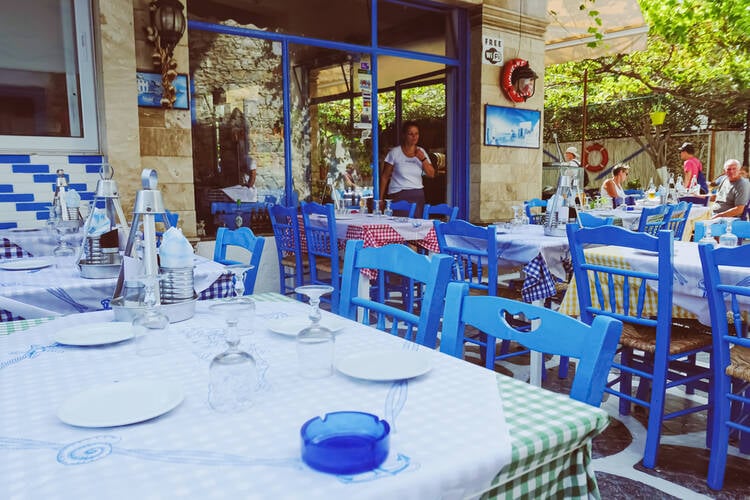
For example, a restaurant may purchase an expensive case of fresh fish expecting a busy weekend.
If sales are weaker than forecast and the fish cannot be safely used, that inventory may become waste within days. A successful seafood restaurant therefore needs to manage:
- Daily purchasing
- Yield
- Portion sizes
- Menu pricing
- Supplier relationships
- Food safety
- Labor
- Reservation flow
- Customer experience.
Hugo Hernández™ LLC will be built around these principles.
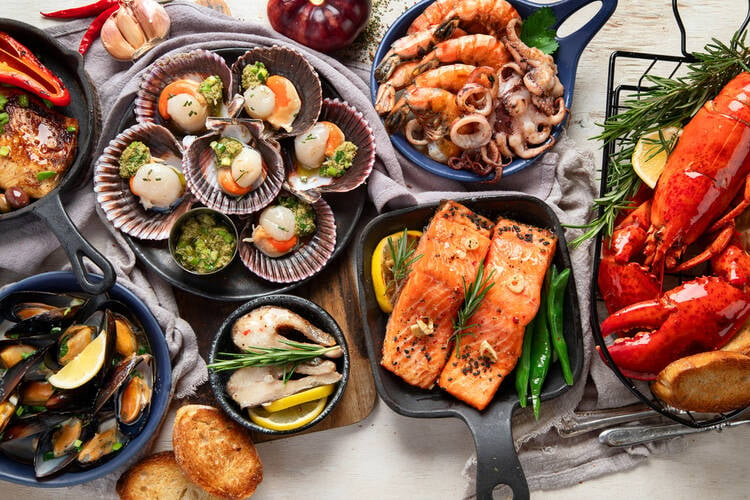
Steps on How to Write a Seafood Restaurant Business Plan
-
Executive Summary
Hugo Hernández™ LLC is a proposed upscale-casual seafood restaurant based in Los Angeles, California.
The restaurant will operate from an approximately 4,000-square-foot leased commercial restaurant space with approximately 110 guest seats, subject to final building, fire, health, zoning, and occupancy approvals.
The concept will combine contemporary California seafood with selected Latin-inspired coastal flavors. The restaurant will serve:
- Fresh fish
- Oysters
- Shrimp
- Crab
- Lobster
- Ceviche-style seafood dishes
- Grilled seafood
- Seafood pasta
- Rice dishes
- Fish tacos
- Premium salads
- Selected steaks and chicken for non-seafood diners
- Desserts
- Wine
- Beer
- Cocktails
- Non-alcoholic drinks.
The proposed property will contain:
- Main dining room
- Raw bar
- Full-service cocktail bar
- Commercial kitchen
- Walk-in refrigeration
- Freezer storage
- Dry storage
- Private dining/event area
- Dishwashing area
- Administrative office
- Employee area.
Hugo Hernández™ LLC will target customers who want high-quality seafood without the stiffness or extremely high prices associated with formal fine dining.
The restaurant will be suitable for:
- Date nights
- Family dinners
- Business lunches
- Birthdays
- Anniversaries
- Weekend dining
- Small corporate events
- Tourists
- Special celebrations.
Our target customers include:
- Los Angeles professionals
- Couples
- Families
- Tourists
- Business diners
- Seafood enthusiasts
- Higher-income residents
- Corporate customers.
The restaurant will operate for both lunch and dinner. Proposed operating hours are:
- Monday – Thursday: 11:30 AM – 10:00 PM
- Friday: 11:30 AM – 11:00 PM
- Saturday: 11:00 AM – 11:00 PM
- Sunday: 11:00 AM – 9:00 PM.
Weekend brunch may eventually be added if customer demand justifies the additional menu complexity.
Hugo Hernández™ LLC will require approximately $1,600,000 in startup capital. Projected revenue is:
- FY1: $2,400,000
- FY2: $3,200,000
- FY3: $4,100,000.
The long-term objective is to establish Hugo Hernández™ LLC as one of Los Angeles’ respected independent seafood restaurant brands and eventually open additional Southern California locations.
-
Company Profile
a. Our Products and Services
Hugo Hernández™ LLC will offer the following:
Raw Oyster Bar
The raw bar will offer a rotating selection of oysters sourced from approved suppliers. Oysters may be sold as:
- Half dozen
- Dozen
- Mixed oyster flights
- Seafood platters.
The selection may change according to:
- Season
- Quality
- Availability
- Supplier pricing.
The restaurant will maintain all required shellfish source documentation. Raw oysters will only be purchased from approved suppliers and accepted when the shipment contains appropriate tags and identification.
Seafood Towers
Premium seafood towers may include combinations of:
- Oysters
- Shrimp
- Crab
- Lobster
- Seasonal shellfish.
Seafood towers provide:
- Strong visual presentation
- Higher average tickets
- Shareable dining experiences
- Social-media appeal.
Ceviche and Chilled Seafood
The menu may feature:
- White fish ceviche
- Shrimp ceviche
- Mixed seafood ceviche
- Shrimp cocktail
- Other properly prepared chilled seafood dishes.
Recipes and processes will comply with applicable food-safety requirements.
Grilled Fresh Fish
Fresh fish selections may include:
- Salmon
- Branzino
- Sea bass
- Snapper
- Halibut
- Swordfish
- Other seasonal varieties.
Customers may select preparations such as:
- Wood-grilled
- Pan-seared
- Roasted
- Blackened where appropriate.
Fish offerings will change according to seasonal quality and price. The restaurant will not promise that every fish species will be available every day.
Lobster Dishes
Potential offerings include:
- Grilled lobster
- Lobster pasta
- Lobster roll
- Lobster rice dishes
- Whole lobster specials.
Lobster may be sold at market price during periods of significant supplier-price volatility.
Shrimp Dishes
Shrimp will appear throughout the menu in dishes such as:
- Garlic shrimp
- Grilled shrimp
- Shrimp tacos
- Shrimp pasta
- Shrimp cocktail
- Seafood rice.
Crab Dishes
Crab offerings may include:
- Crab cakes
- Crab pasta
- Crab salad
- Crab legs as seasonal specials
- Crab incorporated into seafood platters.
Fish Tacos
Fish tacos will provide a more casual and approachable lunch option. Options may include:
- Grilled fish tacos
- Crispy fish tacos
- Shrimp tacos.
These dishes can attract customers who want Hugo Hernández™ quality without purchasing a $40 seafood entrée.
Seafood Pasta
Potential dishes include:
- Shrimp linguine
- Lobster pasta
- Mixed seafood linguine
- Crab pasta.
Seafood Rice Dishes
The restaurant may offer shareable seafood rice dishes featuring combinations of:
- Shrimp
- Mussels
- Fish
- Squid
- Crab.
Soups
Options may include:
- Seafood chowder
- Seasonal fish soup
- Shellfish broth-based soup.
Non-Seafood Entrées
A seafood restaurant should not lose an entire dinner party merely because one guest does not eat seafood. The menu will therefore maintain a limited number of alternatives such as:
- Grilled chicken
- Premium steak
- Vegetarian entrée
- Salads.
The restaurant will avoid creating a second full menu that complicates the kitchen.
Lunch Service
Lunch offerings may include:
- Fish tacos
- Seafood sandwiches
- Grilled fish bowls
- Salads
- Shrimp dishes
- Oysters
- Smaller portions of selected dinner dishes.
The lunch menu will be designed for faster service.
Cocktails
Signature cocktails may use:
- Tequila
- Mezcal
- Rum
- Gin
- Vodka
- Seasonal fruit
- Citrus
- Herbs.
The beverage menu will include cocktails that pair well with seafood rather than an unnecessarily large list.
Wine
The wine program will emphasize wines that complement seafood, including:
- Sauvignon Blanc
- Chardonnay
- Albariño
- Pinot Grigio
- Rosé
- Sparkling wine
- Selected red wines.
Beer
The restaurant will serve:
- California craft beer
- Popular domestic beer
- Selected imported beer.
Non-Alcoholic Drinks
Offerings may include:
- House lemonades
- Agua frescas
- Non-alcoholic cocktails
- Sparkling water
- Coffee
- Tea.
Private Dining
A private/semi-private area will accommodate:
- Birthday dinners
- Business dinners
- Engagement celebrations
- Anniversaries
- Corporate events.
Private dining may operate through:
- Minimum spends
- Prix fixe menus
- Family-style menus
- Beverage packages.
Takeout and Delivery
Selected dishes will be available for:
- Pickup
- Online ordering
- Approved third-party delivery.
Management will exclude dishes that lose quality badly during transportation.
b. Nature of the Business
Hugo Hernández™ LLC will operate primarily as a business-to-consumer restaurant. Business-to-business revenue will come from:
- Corporate private dining
- Business lunches
- Event catering
- Corporate celebrations.
c. The Industry
Hugo Hernández™ LLC will operate within the:
- Full-service restaurant industry
- Seafood restaurant segment
- Hospitality industry
- Food and beverage industry.
d. Mission Statement
“At Hugo Hernández™ LLC, our mission is to serve fresh, thoughtfully prepared seafood in a welcoming Los Angeles restaurant where excellent ingredients, careful cooking, genuine hospitality, responsible sourcing, and memorable coastal flavors come together.”
e. Vision Statement
“Hugo Hernández™ LLC envisions becoming one of Southern California’s most respected independent seafood restaurant brands, known for fresh seafood, dependable quality, excellent hospitality, disciplined food safety, and a dining experience customers choose for both everyday meals and important celebrations.”
f. Our Tagline
“Hugo Hernández™ – Fresh From the Coast. Made for Los Angeles.”
g. Legal Structure of the Business
Hugo Hernández™ LLC will operate as a California limited liability company. The company will maintain appropriate:
- Business registration
- Federal Employer Identification Number
- Los Angeles Business Tax Registration Certificate
- Public Health Permit
- Seller’s permit
- Alcohol licensing
- General liability insurance
- Property insurance
- Workers’ compensation
- Liquor liability coverage where appropriate.
h. Organizational Structure
The initial organization will include:
- Hugo Hernández – Founder/Chief Executive Officer
- General Manager
- Executive Chef
- Executive Sous Chef
- Restaurant/Floor Manager
- Bar Manager
- Purchasing/Receiving Lead
- Line Cooks
- Prep Cooks
- Raw Bar/Oyster Station Cook
- Pastry/Dessert support as needed
- Bartenders
- Servers
- Hosts
- Food Runners
- Bussers
- Dishwashers
- Bookkeeper/Administrative Support.
i. Ownership/Shareholder Structure
A proposed ownership structure is:
- Hugo Hernández – Founder and Managing Member – 60 Percent
- Elena Hernández – Investor/Director – 20 Percent
- Daniel Reyes – Investor/Board Advisor – 10 Percent
- Sofia Martinez – Investor/Board Advisor – 10 Percent.
-
SWOT Analysis
a. Strengths
- Premium Product Category: Seafood supports higher average checks than many casual food concepts.
- Los Angeles Dining Market: The city has a large population, strong tourism, business dining, and an active restaurant culture.
- Multiple Revenue Streams: Lunch, dinner, alcohol, private dining, takeout, and events diversify revenue.
- Distinctive Concept: California coastal seafood with selected Latin-inspired flavors provides a clear identity.
- Raw Bar: Oysters and seafood platters can support premium customer spending.
- Beverage Program: Wine and cocktails can improve average ticket and gross margin.
- Special Occasion Appeal: Seafood restaurants naturally attract birthdays, anniversaries, and date nights.
b. Weaknesses
- Seafood inventory is expensive.
- Product shelf life can be short.
- Waste can quickly damage margins.
- Los Angeles labor costs are high.
- Commercial rent can be expensive.
- Seafood preparation requires experienced kitchen employees.
- Raw shellfish requires strict traceability and handling.
- The restaurant requires substantial startup capital.
c. Opportunities
- Private dining
- Corporate events
- Weekend brunch
- Wine dinners
- Oyster events
- Seasonal seafood menus
- Takeout
- Premium catering
- Additional Los Angeles locations
- Southern California expansion.
i. How Big is the Industry?
Restaurants represent one of the largest segments of the U.S. hospitality industry.
Seafood restaurants operate within the broader full-service restaurant sector but serve a specialized customer preference. Los Angeles provides demand from:
- Residents
- Tourists
- Entertainment professionals
- Corporate diners
- Special-event customers
- International visitors.
However, Los Angeles customers also have enormous restaurant choice. Hugo Hernández™ LLC cannot succeed merely because customers enjoy seafood. The restaurant must provide:
- Consistent quality
- Good service
- Correct pricing
- Strong atmosphere
- Reliable food safety.
ii. Is the Industry Growing or Declining?
Restaurant demand remains substantial, but the industry is highly competitive and sensitive to:
- Consumer spending
- Food inflation
- Labor costs
- Rent
- Tourism
- Economic conditions.
Customers continue dining out but increasingly expect value. Value does not necessarily mean cheap food.
A customer spending $50 or $75 per person can still believe a restaurant offers value if the:
- Food is excellent
- Portions are appropriate
- Service is good
- Experience feels worth the price.
iii. Future Trends in the Industry
Important future trends include:
- Seafood Traceability: Customers and regulators increasingly expect clear sourcing and supplier accountability.
- Menu Discipline: Restaurants will increasingly reduce oversized menus that create labor and waste.
- Dynamic Menu Pricing: Market-priced seafood will remain useful when supplier costs change rapidly.
- Premium Non-Alcoholic Drinks: More customers expect serious alcohol-free beverage choices.
- Private Dining: Restaurants will continue seeking profitable event revenue.
- Online Reservations: Guests increasingly expect real-time reservation management.
- Takeout Quality: Customers still expect restaurant food to travel well when ordered for pickup.
- Labor Productivity: Restaurant layouts and menus will increasingly be designed around efficient staffing.
- Sustainability: Some customers increasingly care about seafood origin and responsible sourcing.
iv. Existing Niches
Seafood restaurant niches include:
- Fine dining seafood
- Oyster bars
- Seafood grills
- Fish houses
- Seafood boils
- Sushi restaurants
- Raw bars
- Fish taco concepts
- Coastal Mediterranean seafood
- Latin coastal seafood.
Hugo Hernández™ LLC will operate as an upscale-casual seafood grill and raw bar with California coastal and selected Latin-inspired flavors.
v. Can You Sell a Franchise in the Future?
Yes. However, franchising a seafood restaurant is more complex than franchising a simple quick-service concept because:
- Seafood quality varies.
- Supplier relationships are important.
- Kitchen skill requirements are higher.
- Food-safety risks require careful control.
Hugo Hernández™ LLC will initially expand through company-owned restaurants.
d. Threats
- Seafood price volatility
- Foodborne illness
- Supplier interruptions
- Labor shortages
- Minimum-wage increases
- Rent increases
- Negative online reviews
- Alcohol-license issues
- Competition
- Economic downturns
- Changing customer preferences
- Equipment failure
- Seafood recalls.
i. Who are the Major Competitors?
Hugo Hernández™ LLC will compete with:
- Independent Los Angeles seafood restaurants
- Oyster bars
- Steakhouses serving premium seafood
- Hotel restaurants
- Sushi restaurants
- Upscale coastal restaurants
- National seafood restaurant concepts.
The restaurant will compete through:
- Freshness
- Focused menu
- Raw-bar quality
- Hospitality
- Atmosphere
- Creative seafood preparations
- Strong beverage program.
ii. Is There a Franchise for Seafood Restaurants?
Yes. The restaurant industry includes numerous seafood franchises and multi-location seafood brands. A franchise may provide:
- Brand awareness
- Recipes
- Purchasing systems
- Training
- Marketing.
Hugo Hernández™ LLC will initially remain independent.
iii. Policies, Regulations and Zoning
A Los Angeles restaurant may require:
- California entity registration
- Federal Employer Identification Number
- City of Los Angeles Business Tax Registration Certificate
- Seller’s permit
- Public Health Permit
- Plan check approval
- Building permits
- Certificate of occupancy
- Fire inspection
- Sign permits
- Alcoholic Beverage Control license
- Planning approval for alcohol where required
- Food-safety training and certification.
Public Health Permit
Hugo Hernández™ LLC will obtain the required Los Angeles County Public Health Permit before serving food.
If the restaurant space is newly constructed or substantially remodeled, restaurant plans will be submitted for appropriate plan review. The plans will address matters such as:
- Kitchen layout
- Food equipment
- Ventilation
- Water heating
- Floor and wall finishes
- Warewashing
- Refrigeration
- Handwashing
- Storage.
Construction will not begin based solely on the restaurant owner’s preferred design.
Approved plans and applicable building requirements will guide the final layout.
Alcohol License
Hugo Hernández™ LLC plans to pursue a Type 47 On-Sale General Eating Place license or another appropriate alcohol license based on final business needs.
A Type 47 license allows a qualifying restaurant to sell:
- Beer
- Wine
- Distilled spirits
for consumption on licensed premises. The restaurant must remain a bona fide eating establishment. It must maintain:
- Suitable kitchen facilities
- Actual and substantial meal sales.
Hugo Hernández™ LLC will therefore be operated first and foremost as a restaurant, not as a nightclub using food merely to support an alcohol license.
Responsible Beverage Service
Managers and employees responsible for alcoholic beverage service will complete applicable Responsible Beverage Service requirements. Employees will be trained to:
- Check identification
- Recognize signs of intoxication
- Refuse unlawful service
- Escalate incidents to management.
Shellfish Traceability
Raw oysters and other applicable shellstock will only be purchased from approved sources. Required shellstock tags will:
- Remain associated with the applicable product
- Identify source information
- Be retained according to applicable recordkeeping requirements.
Management will maintain these records chronologically. Shellfish lacking required documentation will not be accepted.
Raw Oyster Safety
Raw oysters carry inherent food-safety risk. The restaurant will comply with applicable:
- Sourcing rules
- Tagging
- Cold holding
- Consumer warnings
- Seasonal restrictions.
Management will remain especially attentive to California rules affecting raw Gulf oysters.
Food Allergies
Seafood restaurants serve two major allergens:
- Fish
- Crustacean shellfish.
The menu may also contain:
- Milk
- Eggs
- Wheat
- Sesame
- Nuts
- Soy.
Kitchen employees will receive allergen-awareness training. Servers will never casually guarantee that a menu item is allergen-free without verifying preparation procedures.
Los Angeles Minimum Wage
The restaurant’s financial model assumes all City of Los Angeles employees will earn at least the applicable local minimum wage.
The City minimum wage is $18.42 per hour effective July 1, 2026. Hugo Hernández™ LLC will budget most positions above that rate.
Employee gratuities will not be treated as a substitute for the legally required base wage.
-
Marketing Plan
a. Target Audience
i. Age Range
Our principal target market will generally be approximately:
- 25 to 65 years old.
Families with younger children will also be welcome.
ii. Level of Education
No specific education level.
iii. Income Level
Our primary customers will include:
- Middle-income customers
- Upper-middle-income professionals
- Affluent customers
- Corporate diners
- Tourists.
iv. Ethnicity
No ethnicity will be specifically targeted. Los Angeles is highly diverse and the concept will be positioned broadly.
v. Language
English will be the primary operating language. Spanish-speaking staff will be valuable for both employees and customers.
vi. Geographical Location
Customers will primarily come from:
- Los Angeles neighborhoods
- Nearby business districts
- Greater Los Angeles
- Tourist markets.
The strongest regular customer base should come from nearby residents and workers rather than depending entirely on tourists.
vii. Lifestyle and Customer Profile
Customers include:
- Professionals
- Couples
- Families
- Seafood enthusiasts
- Corporate customers
- Tourists
- Celebration diners
- Wine and cocktail customers.
b. Advertising and Promotion Strategies
Hugo Hernández™ LLC will use:
- Soft-opening events
- Grand-opening promotion
- Hotel concierge relationships
- Corporate outreach
- Private dining promotion
- Guest referral
- Seasonal seafood features
- Wine dinners
- Oyster events
- Local partnerships.
i. Traditional Marketing Strategies
- Hotel concierge outreach
- Corporate sales visits
- Neighborhood partnerships
- Food events
- Private dining brochures
- Local sponsorships.
ii. Digital Marketing Strategies
- Local search optimization
- Paid search
- Online reservations
- Email marketing
- Reservation remarketing
- Customer review management
- Private-event inquiry campaigns.
iii. Social Media Marketing Plan
Content will emphasize:
- Fresh fish
- Oysters
- Seafood towers
- Cocktails
- Chef preparation
- Seasonal specials
- Behind-the-scenes receiving
- Private dinners
- Restaurant atmosphere.
Short-form video may feature:
- Oyster shucking
- Whole fish preparation
- Cocktail preparation
- Seafood plating.
c. Pricing Strategy
Pricing will balance premium positioning with repeat-customer affordability.
Prices will also respond to fluctuating seafood costs. Some items may be sold at market price.
-
Sales and Distribution Plan
a. Sales Channels
Revenue will come through:
- Dine-in
- Online reservations
- Walk-in customers
- Takeout
- Delivery
- Private dining
- Corporate events.
b. Inventory Strategy
Seafood inventory will be tightly controlled. Purchasing will be based on:
- Reservations
- Historical sales
- Day of week
- Weather
- Events
- Seasonality
- Supplier availability.
Highly perishable seafood will generally be purchased in smaller, more frequent quantities. Management will monitor:
- Receiving temperature
- Quality
- Weight
- Yield
- Storage
- Waste.
c. Payment Options
The restaurant will accept:
- Credit cards
- Debit cards
- Cash
- Approved mobile wallets
- Corporate event payments.
d. Refund Policy, Incentives and Guarantees
Prepared food cannot ordinarily be returned after consumption. However, legitimate quality problems will be resolved promptly. A manager may:
- Replace a dish
- Remove an item from the bill
- Provide another reasonable remedy.
Promotions may include:
- Lunch specials
- Happy hour where legally and operationally appropriate
- Private dining packages
- Seasonal menus
- Wine dinner events.
Promotions will not encourage irresponsible alcohol consumption.
e. Customer Support Strategy
Managers will actively monitor the dining room. Problems involving:
- Food quality
- Wait times
- Incorrect orders
- Allergy concerns
- Billing
- Service
will be handled immediately whenever possible.
-
Operational Plan
Hugo Hernández™ LLC will operate seven days per week.
a. What Happens During a Typical Day?
Morning operations begin with:
- Seafood deliveries
- Receiving inspection
- Temperature checks
- Shellfish tag verification
- Prep work
- Stock production
- Sauce preparation
- Vegetable preparation
- Dining room setup.
The chef or purchasing lead checks:
- Fish quality
- Shellfish condition
- Invoices
- Weights
- Supplier substitutions.
Lunch service begins around midday. Between lunch and dinner:
- Stations are restocked.
- Seafood counts are updated.
- Dinner reservations are reviewed.
- Fresh prep is completed.
- Staff meal and shift meetings occur.
Before dinner, managers review:
- Reservations
- VIP guests
- Allergy notes
- Large parties
- Menu shortages
- Specials.
During service:
- Hosts manage seating.
- Servers explain menu items.
- Bartenders prepare beverages.
- Kitchen employees prepare food.
- Managers monitor pacing and quality.
At closing:
- Seafood inventory is counted.
- Waste is recorded.
- Food is stored safely.
- Shellfish documentation is organized.
- Kitchen equipment is cleaned.
- Dining room is reset.
- Sales are reconciled.
b. Production Process
The basic process is:
- Purchase approved seafood.
- Receive shipment.
- Inspect quality and temperature.
- Record required source information.
- Store seafood correctly.
- Prep according to standardized recipes.
- Prepare customer order.
- Perform quality check.
- Serve immediately.
c. Seafood Receiving Procedure
Every seafood delivery will be checked for:
- Approved supplier
- Correct quantity
- Quality
- Odor
- Packaging
- Temperature
- Required labels and shellfish tags.
Products that fail receiving standards will be rejected. Management will not accept questionable seafood merely because replacement inventory may be difficult to obtain that day.
d. Supply Chain
Hugo Hernández™ LLC will build relationships with:
- Seafood distributors
- Approved shellfish suppliers
- Produce wholesalers
- Meat suppliers
- Dairy suppliers
- Wine distributors
- Beer distributors
- Spirits distributors
- Restaurant wholesalers
- Cleaning suppliers
- Equipment service companies.
More than one seafood supplier will be maintained where practical. This reduces dependence on a single distributor.
e. Sources of Income
Revenue will come from:
- Lunch food sales
- Dinner food sales
- Oysters/raw bar
- Alcohol
- Non-alcoholic beverages
- Takeout
- Delivery
- Private dining
- Corporate events.
-
Financial Plan
a. Amount Needed to Start Hugo Hernández™ LLC
Hugo Hernández™ LLC will require approximately $1,600,000 to establish the proposed Los Angeles seafood restaurant.
A small seafood café could be opened for considerably less. Our budget reflects:
- Approximately 4,000 square feet
- Full commercial kitchen
- Raw bar
- Cocktail bar
- 110 seats
- Premium interior design
- Alcohol licensing
- Substantial working capital.
b. Startup Costs
Our preliminary startup budget is:
- Lease Deposit, Architectural Work and Restaurant Build-Out: $650,000
- Commercial Kitchen and Refrigeration Equipment: $250,000
- Bar, Raw-Bar and Beverage Equipment: $90,000
- Dining Furniture, Fixtures and Décor: $120,000
- Alcohol Licensing, Health/Planning Permits, Legal and Professional Fees: $125,000
- POS, Cameras, Security and Technology: $35,000
- Opening Food and Beverage Inventory: $45,000
- Branding, Website and Grand Opening Marketing: $40,000
- Pre-Opening Payroll, Recruitment and Training: $75,000
- Working Capital: $170,000.
Total Estimated Startup Requirement: $1,600,000.
The actual cost of obtaining alcohol rights for a specific location can vary significantly.
Management will not sign a final lease assuming alcohol approval is guaranteed.
c. Do You Need to Build a Facility?
No. Hugo Hernández™ LLC will lease and renovate an existing commercial restaurant or restaurant-capable property.
A second-generation restaurant space will be strongly preferred because it may already contain:
- Grease interceptor
- Kitchen ventilation
- Gas lines
- Floor drains
- Electrical infrastructure
- Restrooms.
A raw shell can be significantly more expensive to convert. Before lease execution, management will investigate:
- Zoning
- Alcohol feasibility
- Health requirements
- Occupancy
- Parking
- Ventilation
- Grease disposal
- Utility capacity
- Accessibility.
d. Ongoing Expenses
Major ongoing expenses include:
- Seafood
- Other food
- Beverages
- Payroll
- Payroll taxes
- Workers’ compensation
- Rent
- Utilities
- Insurance
- Cleaning
- Pest control
- Laundry
- Equipment maintenance
- Reservations/POS software
- Credit-card processing
- Marketing
- Licensing
- Accounting.
e. Average Salary of Staff
Our preliminary annual/hourly compensation assumptions are:
- Founder/CEO – $85,000 – $110,000 per year after stabilization
- General Manager – $90,000 – $115,000 per year
- Executive Chef – $95,000 – $125,000 per year
- Executive Sous Chef – $70,000 – $90,000 per year
- Floor/Restaurant Manager – $68,000 – $85,000 per year
- Bar Manager – $65,000 – $82,000 per year
- Purchasing/Receiving Lead – $24 – $30 per hour
- Line Cooks – $23 – $30 per hour
- Prep Cooks – $20 – $25 per hour
- Raw Bar/Oyster Cook – $24 – $31 per hour
- Bartenders – $18.42 – $25+ per hour plus permitted gratuities
- Servers – $18.42 – $22+ per hour plus permitted gratuities
- Hosts – $18.42 – $22 per hour
- Food Runners/Bussers – $18.42 – $22 per hour
- Dishwashers – $18.42 – $22 per hour.
Actual compensation will be adjusted according to the labor market.
f. Funding Sources
Potential funding sources include:
- Hugo Hernández’s equity
- Family investors
- Private investors
- Commercial bank financing
- SBA-backed financing where eligible
- Equipment financing
- Landlord improvement allowance
- Business credit.
A possible capital structure is:
- Founder/Investor Equity: $700,000
- Commercial/SBA Financing: $650,000
- Equipment Financing/Business Credit: $250,000.
-
Financial Projection
a. Pricing
Preliminary menu pricing is:
Raw Oysters
- Half Dozen: $24 – $30
- Dozen: $45 – $56
Ceviche and Chilled Seafood
- $18 – $26
Shrimp Cocktail
- $19 – $25
Appetizers
- $14 – $26
Fish Tacos
- $18 – $24
Grilled Fish Entrées
- $31 – $48+
Seafood Pasta/Rice Entrées
- $29 – $42
Lobster
- $45 – $75+ or market price
depending on preparation and market cost.
Seafood Towers
- $85 – $175+
Signature Cocktails
- $16 – $21
Wine by the Glass
- $14 – $24
b. Sales/Revenue Forecast
Projected total revenue is:
- FY1: $2,400,000
- FY2: $3,200,000
- FY3: $4,100,000.
c. Estimated Profit
Projected after-tax profit is approximately:
- FY1: 5 Percent – $120,000
- FY2: 10 Percent – $320,000
- FY3: 13 Percent – $533,000.
FY1 profitability is intentionally conservative because a newly opened restaurant commonly faces:
- Training inefficiency
- Opening marketing
- Menu adjustments
- Waste
- Customer acquisition expense.
d. Profit Margin
Once stabilized, Hugo Hernández™ LLC will target a net profit margin of approximately:
- 10 – 15 percent.
A seafood restaurant can generate strong revenue while still producing poor profit if food waste and labor are not controlled.
e. Average Customer Check
Our target average check is:
- Lunch: $38 – $48 per customer
- Dinner: $58 – $75 per customer
- Private Dining: $80 – $125+ per guest.
The blended annual average will depend on beverage sales.
f. Customer Volume Target
Approximate average customer-volume targets are:
- FY1: 115 – 130 covers per operating day
- FY2: 145 – 165 covers per day
- FY3: 175 – 195 covers per day.
Weekend traffic should be substantially higher than slower weekdays.
g. Food Cost Target
Management will target total food cost of approximately:
- 30 – 34 percent of food revenue.
Seafood cost requires particular attention. Daily reporting will identify:
- Purchases
- Waste
- Portion yield
- Menu mix.
h. Beverage Cost Target
Alcoholic beverage product cost will generally be targeted around:
- 20 – 24 percent of beverage revenue
on a blended basis. Wine-heavy sales can produce a different percentage than cocktail-heavy sales.
i. Labor Cost Target
Total labor, payroll taxes, and benefits will be targeted around:
- 32 – 36 percent of revenue
once the restaurant is stabilized. Management will not attempt to reach unrealistic labor percentages by understaffing the dining room and damaging customer service.
j. Revenue Mix Target
By FY3, revenue is expected to come approximately from:
- Dine-In Food: 65 Percent
- Alcohol: 18 Percent
- Takeout/Delivery: 10 Percent
- Private Dining and Events: 7 Percent.
k. Seat Utilization
With approximately 110 seats, management will monitor:
- Lunch seat turns
- Dinner seat turns
- Table duration
- Reservation no-shows
- Walk-in wait times.
A healthy restaurant does not necessarily need every seat occupied continuously.
The objective is efficient utilization while maintaining a comfortable guest experience.
l. Waste Target
Management will target recorded food waste below approximately:
- 3 percent of food sales
where achievable. Seafood trim that can safely and appropriately be incorporated into approved recipes may be used in:
- Stocks
- Soups
- Specials
rather than automatically discarded. Food safety will always take priority over waste reduction.
m. Key Performance Indicators
Management will monitor:
- Total sales
- Sales per seat
- Average check
- Food cost percentage
- Seafood waste
- Beverage cost
- Labor cost
- Revenue per labor hour
- Table turns
- Reservation no-show rate
- Private dining revenue
- Online review scores
- Guest return rate
- Health inspection performance.
-
Growth Plan
a. How Do You Intend to Grow and Expand?
Hugo Hernández™ LLC will grow in stages.
Stage One – Stabilize the Los Angeles Restaurant
The first priority is establishing:
- Consistent food quality
- Strong reviews
- Reliable suppliers
- Trained employees
- Profitable menu mix
- Repeat customers.
Stage Two – Increase Private Dining
Management will develop:
- Corporate dinners
- Birthdays
- Rehearsal dinners
- Holiday events
- Business entertaining.
Stage Three – Develop Seasonal Events
Potential events include:
- Oyster nights
- Wine dinners
- Chef tasting menus
- Seasonal seafood features.
Stage Four – Evaluate Second Los Angeles Location
The second restaurant will not be opened until the first unit demonstrates:
- Strong profitability
- Stable management
- Consistent food cost
- High health inspection standards
- Ability to operate without the founder constantly present.
Stage Five – Build Central Purchasing Relationships
Multiple locations can strengthen purchasing leverage with:
- Seafood suppliers
- Wine distributors
- Restaurant wholesalers.
Stage Six – Regional Expansion
The company may expand throughout Southern California.
b. Where Do You Intend to Expand?
Potential future markets include:
- Santa Monica
- Manhattan Beach
- Long Beach
- Pasadena
- Orange County
- San Diego.
Expansion decisions will consider:
- Population
- Household income
- Tourism
- Restaurant competition
- Commercial rent
- Parking
- Alcohol-license feasibility
- Seafood distribution.
The company will not automatically choose an oceanfront location. Waterfront rent can be extremely expensive.
A well-positioned inland restaurant with parking and strong neighborhood demand may be more profitable.
-
Exit Plan
Hugo Hernández™ LLC will be built as a scalable restaurant and hospitality brand capable of eventually being:
- Sold
- Recapitalized
- Transferred to management
- Expanded through additional company-owned restaurants
- Acquired by a larger restaurant group.
Potential buyers may include:
- Restaurant groups
- Hospitality companies
- Private equity firms
- Regional restaurant operators
- Strategic competitors
- Experienced franchise operators.
A potential buyer will evaluate:
- Revenue
- EBITDA
- Net profit
- Food cost
- Labor cost
- Lease terms
- Alcohol license
- Health inspection history
- Customer reviews
- Management depth
- Brand reputation.
The company will therefore maintain detailed financial reporting. Management will separately track:
- Food revenue
- Alcohol revenue
- Takeout
- Private dining
- Food cost
- Beverage cost
- Labor
- Waste.
One of the most important long-term objectives is making Hugo Hernández™ LLC capable of operating successfully without Hugo Hernández personally supervising every service.
This requires:
- Standard recipes
- Portion specifications
- Receiving procedures
- Food-safety procedures
- Management training
- Service standards
- Inventory systems
- Opening and closing procedures.
Chef creativity will remain important, but the restaurant cannot become so dependent on one person that quality disappears when that person takes a vacation.
Another exit strategy may involve a management buyout. Experienced executives and chefs may eventually purchase some or all of the founders’ ownership.
A strategic restaurant group could also acquire the concept and expand it to other markets.
Ultimately, Hugo Hernández™ LLC will be built as much more than a restaurant that happens to sell fish.
The goal is to create a professionally managed seafood hospitality brand with fresh products, disciplined sourcing, strong food safety, excellent service, profitable beverage sales, memorable private dining, controlled waste, strong customer loyalty, and a restaurant model capable of being reproduced successfully in additional Southern California markets.