
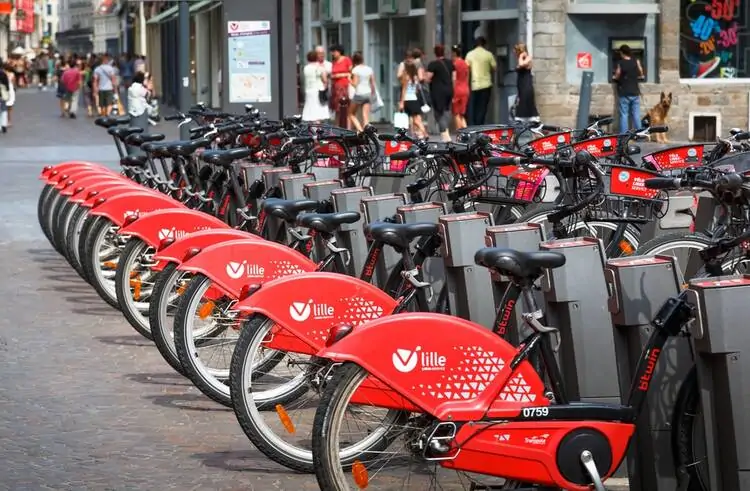
A bike rental business provides bicycles (and often e-bikes or scooters) to customers for short-term use, typically charging by the hour, day, or week.
These services are common in tourist areas, urban centers, and near parks or trails, offering a convenient, affordable alternative to owning a bike.
Customers use rentals for sightseeing, commuting, or recreation, often accessing bikes through kiosks or mobile apps that let them unlock, ride, and return them at designated spots.

Operational success depends on factors like fleet maintenance, pricing strategy, insurance, and understanding local demand. The global bike and scooter rental market is substantial and growing.
It’s valued at several billion USD – estimates for 2025 range from about USD 4.7 billion to USD 7.1 billion – and analysts expect double-digit growth rates (around 12 – 15% CAGR) through the next decade as cities invest in sustainable mobility and demand rises.
Steps on How to Start a Bike Rental Business
-
Conduct Market Research
Conducting market research for a bike rental business starts with understanding local demand.
Identify areas with high tourism, dense populations, universities, or recreational trails where cycling is popular.
Study who your potential customers are: tourists, commuters, or fitness riders, and analyze their needs, such as hourly rentals, guided tours, or e-bike options. This helps define your target market clearly.
Next, analyze competitors in your area. Look at existing bike rental companies, their pricing, fleet size, service quality, and customer reviews.
Pay attention to gaps in the market, such as limited e-bike availability, poor customer service, or a lack of digital booking systems.
Tools like Google Maps, TripAdvisor, and local directories can help you gather competitive insights.
Then evaluate market trends and industry data. The global bike rental and sharing market is growing at over 10% annually, driven by eco-friendly transportation and urban mobility initiatives.
Study local transportation policies, cycling infrastructure, and seasonal demand patterns to estimate potential profitability and operational challenges.
Finally, gather direct customer feedback through surveys, interviews, or online polls.
Ask about preferred rental prices, bike types, and rental duration. Test your concept with a small pilot operation if possible.
This real-world validation helps refine your business model before full-scale launch.
a. Who is the Target Market for the bike rental business?
The target market for a bike rental business is diverse, but it mainly includes tourists, urban commuters, students, and recreational riders.
Tourists are one of the biggest segments, as they often prefer renting bikes to explore cities, parks, and scenic areas without the cost or hassle of owning a vehicle.
This group is especially strong in cities with attractions, waterfronts, and cycling-friendly routes.
Urban commuters are another key market. These are people who use rented bikes for short daily trips to work, transit stations, or errands.
Bike rentals and bike-share systems are increasingly popular in cities investing in sustainable transport, helping reduce traffic congestion and transportation costs.
Students and young adults also represent a strong customer base, especially near universities and colleges.
They often look for affordable, flexible transportation options for getting around campus and nearby areas. Their demand is typically consistent during academic seasons.
Finally, recreational and fitness-focused riders make up an important segment.
These customers rent bikes for exercise, weekend rides, or outdoor adventures on trails and parks.
Many cities report that recreational cycling demand increases significantly during warmer months, making seasonality an important factor in targeting this group.
b. Is Bike Rental Business a Profitable Business?
Yes, the bike rental business is a profitable venture. Available statistics show that the global bike and scooter rental industry is growing steadily, with annual growth rates of about 10 – 15%.
Rising demand for eco-friendly transport, urban congestion solutions, and tourism activities continues to boost usage.
In many cities, shared mobility trips reach millions yearly, creating consistent revenue opportunities for operators. This growth trend supports strong long-term profitability potential.
c. Are There Existing Niches in the Industry?
No, there are no existing niches when it comes to the bike rental business because the bike rental business is a subset of the rental services industry.
d. Who are the Major Competitors?
- Citi Bike
- Capital Bikeshare
- Divvy Bikes
- Bay Wheels
- Metro Bike Share
- Bluebikes
- Indego
- BIKETOWN
- Nice Ride Minnesota
- Houston BCycle
- CoGo Bike Share
- Red Bike
- Capital Bikeshare (Arlington)
- Austin B-cycle
- Denver B-cycle
- Tempe B-cycle
- Broward BCycle
- Greenville BCycle
- San Antonio BCycle
- Spinlister
e. Are There County or State Regulations or Zoning Laws for the bike rental business?
Yes, bike rental businesses are subject to county and state regulations, and these rules vary depending on location.
Most cities require operators to obtain a business license, and in some cases, a specific permit for operating a transportation or mobility service.
These regulations ensure safety standards, proper insurance coverage, and compliance with local transportation laws.
Some states also regulate dockless bike-sharing systems more strictly due to concerns about sidewalk obstruction and public safety.
Zoning laws also play an important role. Many counties restrict where bike rental stations, kiosks, or storage facilities can be located.
For example, commercial or mixed-use zones are typically approved, while residential areas may have limitations.
Operators may need zoning approval or conditional use permits before installing bike racks, docks, or service hubs.
Safety and liability regulations are another key factor. Many jurisdictions require businesses to maintain liability insurance and ensure bikes meet safety standards, including brakes, lights, and regular maintenance checks.
Some cities also require helmets for renters or provide safety guidelines as part of compliance.
Finally, environmental and public space rules may apply, especially in parks, tourist zones, or waterfront areas.
Local governments may limit the number of bikes allowed in certain areas or regulate how they are parked.
Understanding and complying with these regulations is essential for avoiding fines and ensuring smooth operations.
f. Is There a Franchise for Bike Rental Business?
Yes, there are franchise opportunities for bike rental businesses, and here are some of them;
- Unlimited Biking (bike rentals & tours)
- Wheel Fun Rentals franchise
- Electric bike rental franchise (via RexSoft)
- Unlimited Biking franchise (via franchising networks)
- Scooter Planet (includes cycle/bike rentals)
- Unlimited Biking (listed on franchise directories)
- BYKY franchise (international but potential U.S. expansion)
- Big Cat Electric Bicycles (e-bike business opportunity)
- Velofix mobile bike service (bike-related franchise)
- E-bike rental partner programs (e.g., fleet partner opportunities).
g. What Do You Need to Start a Bike Rental Business?
- Business plan
- Business registration and license
- Zoning approval or permits
- Fleet of bicycles or e-bikes
- Secure storage facility or docking station
- Insurance (liability and property coverage)
- Maintenance tools and repair equipment
- Booking and payment system (app or POS software)
- Safety gear (helmets, locks, lights)
- Marketing and customer acquisition strategy.
-
Choose a Memorable Business Name
When looking to start a business, before you can begin to file the necessary documents with the constituted authorities or start your website, it is necessary that you come up with a name that you will be recognized with.
It is essential that the name you come up with can easily be pronounced, is unique and easily memorable.
Some of the catchy business name ideas suitable for a bike rental business are:
- Simeone Hills© Bike Rental Company, Inc.
- Fun Carts® Bike Rental Company, LLC
- Saul Six© e-Bike Rental Company, Inc.
- Larry Cage® Bike Rental Company, Inc.
- Halley Bucks™ Bike Rental Company, Inc.
- Green Life™ e-Bike Rental Company, LLC.
- Tim Lewis© Bike Rental Company, LLC
- Tiger Tree® Bike Rental Company, Inc.
- Steve McClory© Bike Rental Company, Inc.
- Jutty Hills© Bike Rental Company, Inc.
- Charlie Brown® Bike Rental Company, LLC
- Amos Kestin® Bike Rental Company, LLC
- Land Power™ Bike Rental Company, LLC
- Wills Glass© Bike Rental Company, Inc.
- Joe Coque® Bike Rental Company, Inc.
- Kris Xxavier™ Bike Rental Company, Inc.
- Chris Xavion™ Bike Rental Company, Inc.
- George Towns© e-Bike Rental Company, Inc.
- Uncle Sam® Bike Rental Company, LLC
- Early Birds™ Bike Rental Company, Inc.
-
Register Your Business
a. What Type of Business Structure is Best for a Bike Rental Business?
The best type of business structure for a bike rental business depends on several factors, including the size of the business, the number of owners, and the level of personal liability exposure the owners are willing to accept.
However, we usually recommend a limited liability company (LLC). An LLC is a popular choice for startup businesses because it offers personal liability protection for the owners while allowing them to be taxed as a pass-through entity.
b. Steps to Form an LLC
- Choose a Name for Your LLC.
- File Articles of Organization.
- Choose a registered agent.
- Decide on member vs. manager management.
- Create an LLC operating agreement.
- Comply with other tax and regulatory requirements.
- File annual reports.
c. What Type of License is Needed to Open a Bike Rental Business?
- General business operating license (city or municipal license)
- Business registration certificate (provincial/state registration)
- Sales tax permit (if applicable in your region)
- Commercial transportation or mobility service permit (in some cities)
- Zoning approval or land-use permit for the rental location
- Outdoor vending or kiosk permit (if operating in public spaces)
- Liability insurance certificate (often required for licensing approval)
- Special event or park permit (if operating inside parks or tourist zones).
d. What Type of Certification is needed to start a bike rental business?
You don’t need any certifications to start a bike rental business; it is a business that is open to all and sundry as long as you have the finances and business expertise.
e. What Documents are Needed to Open a Bike Rental Business?
These are some of the basic legal documents you need to legally run a Bike rental business in the United States of America.
- Business registration certificate
- Business name registration (DBA)
- Government-issued identification
- Business plan document
- Tax registration number
- Sales tax permit
- Operating license (municipal or city)
- Zoning approval document
- Lease agreement or property ownership proof
- Insurance policy certificate (liability coverage)
- Bike fleet inventory list
- Equipment purchase receipts or invoices
- Safety compliance records
- Maintenance and inspection logs
- Banking and business account documents.
f. Do You Need a Trademark, Copyright, or Patent?
It is not necessary to obtain a trademark, copyright, or patent for a bike rental business, but doing so may be beneficial to protect your brand, intellectual property, and unique services or products.
It may be useful to obtain a trademark for your business name or logo to prevent others from using it.
If your business creates original content for your website or marketing materials, obtaining a copyright can help protect your work and prevent others from using it without permission.
If your business creates a new and innovative product or service related to bike rentals, you may want to consider obtaining a patent to protect your intellectual property.
-
Cost Analysis and Budgeting
a. How Much Does It Cost to Start a Bike Rental Business?
Starting a bike rental business typically costs between $15,000 and $60,000+, depending on location and scale.
Major expenses include purchasing bicycles or e-bikes, insurance, rental space, permits, maintenance tools, and marketing.
Smaller operations can start on the lower end, while larger or tourist-focused businesses with premium fleets and digital systems require significantly higher investment to launch and operate successfully.
b. What are the Costs Involved in Starting a Bike Rental Business?
- Bicycle fleet – buying bikes (basic to e-bikes): $8,000 – $15,000+, depending on quantity and type.
- Insurance (liability & property) – annual coverage: $1,200 – $3,000.
- Helmets & safety gear – helmets, locks, lights: $500 – $2,000.
- Maintenance tools & spare parts – for repairs: $500 – $1,000+.
- Rental location lease or deposits – shop or kiosk setup: $3,000 – $10,000+.
- Website and booking software – online reservations and POS: $300 – $2,000.
- Signage and storage racks – branding and bike storage: $1,000 – $3,000.
- Legal, permits & licensing fees – permits and business fees: $50 – $700+.
- Marketing & advertising – initial promotions: $500 – $3,000.
- Utilities & operating expenses – electricity, internet, etc.: $0 – $1,000+ (varies with location).
c. What Factors Determine the Cost of Opening Bike Rental Business?
- Location (city, tourism level, rent prices)
- Type of bicycles (standard bikes vs e-bikes vs specialty bikes)
- Size of bike fleet (number of bikes purchased)
- Storage or rental facility costs (shop, kiosk, docking station)
- Insurance requirements (liability and property coverage)
- Licensing and permit fees (city/state regulations)
- Maintenance and repair equipment costs
- Technology systems (booking apps, payment systems, GPS tracking)
- Marketing and advertising expenses (online and local promotions)
- Staffing costs (employees, attendants, and maintenance workers).
d. Do You Need to Build a Facility? If YES, How Much Will It Cost?
The truth is that it is not necessary to build a new facility for your bike rental business, but if you have the required finances, it will pay you to build your own parking facility and administrative office.
The truth is that building or reconstructing a facility will help you create one that perfectly fits your overall business goals and vision.
e. What are the Ongoing Expenses of Bike Rental Business?
- Bike maintenance and repair costs
- Insurance premiums (liability, theft, damage)
- Staff salaries and wages
- Rent or facility lease payments
- Utilities (electricity, water, internet)
- Software subscriptions (booking, payment, GPS systems)
- Fuel or transport costs for bike redistribution
- Marketing and advertising expenses
- Replacement of damaged or worn-out bikes and parts
- Cleaning and sanitation supplies for bikes and equipment.
f. What is the Average Salary of your Staff?
- Bike Rental Manager – $107,000 per year
- Bike Rental Staff/Technician – $40,785 per year ($19.96/hr).
- Bicycle Rental Clerk/Entry-Level Staff – $24,440 per year
- Bike Detailers – $24,000 per year.
g. How Do You Get Funding to Start a Bike Rental Business
- Raising money from personal savings and the sale of personal stocks and properties
- Raising money from investors and business partners
- Sell shares to interested investors
- Applying for a loan from your bank/banks
- Pitching your business idea and applying for business grants and seed funding from the government, donor organizations, and angel investors
- Source for soft loans from your family members and your friends.
-
Write a Business Plan
a. Executive Summary
Green Cycle™ Bike Rental Company, LLC in Brooklyn, New York is a modern mobility business designed to provide affordable, eco-friendly, and convenient bicycle rental services for residents and tourists. The company will operate in high-traffic areas such as parks, waterfronts, and tourist zones, offering standard bikes and e-bikes for hourly, daily, and weekly rentals.
Its mission is to promote sustainable transportation while delivering a seamless and enjoyable riding experience.
The business targets a wide customer base, including tourists exploring Brooklyn, local commuters seeking short-distance transport, students, and fitness enthusiasts.
With Brooklyn’s strong cycling culture and growing demand for green transportation, Green Cycle™ aims to fill gaps in accessibility, convenience, and quality service.
The company will use a digital booking system, mobile app integration, and well-maintained bike fleets to ensure customer satisfaction and operational efficiency.
Financially, the company will generate revenue through rentals, guided bike tours, and subscription packages. Startup funding will cover bikes, insurance, permits, and storage facilities.
With strong market demand and supportive urban infrastructure, Green Cycle™ is positioned for sustainable growth and long-term profitability in New York’s expanding micro-mobility sector.
b. Products and Service
Green Cycle™ Bike Rental Company, LLC offers a range of eco-friendly mobility solutions, including standard bicycles, electric bikes, and premium models for short- and long-term rentals.
Our services include hourly, daily, and weekly rentals, guided bike tours, and subscription packages for regular users.
The company also provides safety gear, maintenance support, and a user-friendly online booking system to ensure convenience, comfort, and a seamless riding experience for all customers.
c. Mission Statement
At Green Cycle™ Bike Rental Company, LLC, our mission is to provide safe, reliable, and convenient transportation solutions to our customers through our fleet of high-quality bikes.
We are committed to delivering exceptional customer service and ensuring a positive rental experience for all our clients.
Vision Statement
Our vision at Green Cycle™ Bike Rental Company, LLC is to become a leading provider of bike rentals in our area, recognized for our exceptional service and commitment to sustainability.
We aim to be the preferred choice of customers seeking reliable, cost-effective, and environmentally friendly transportation solutions for all occasions.
d. Goals and Objectives
The goals and objectives of a bike rental business are to provide affordable, eco-friendly transportation, promote healthy and active lifestyles, and enhance urban mobility.
It also aims to generate steady profits through rentals, tours, and subscriptions while maintaining a well-managed fleet.
e. Organizational Structure
- Bike Rental Manager
- Bike Rental Staff/Technician
- Bicycle Rental Clerk/Entry-Level Staff
- Bike Detailers
Marketing Plan
a. SWOT Analysis
Strengths:
Green Cycle™ benefits from Brooklyn’s high tourism traffic, strong cycling culture, and growing demand for eco-friendly transport.
Its modern fleet of standard and electric bikes, combined with digital booking and mobile access, enhances convenience and customer experience.
The business model is scalable and adaptable to seasonal demand and urban mobility trends.
Weaknesses:
High startup and maintenance costs can strain early cash flow, especially for e-bikes and technology systems.
Seasonal weather fluctuations in New York may reduce ridership during the winter months.
Additionally, bike theft, damage, and liability risks can increase operational challenges and insurance expenses.
Opportunities:
The rising focus on sustainable transportation and city bike-friendly infrastructure presents strong growth potential.
Partnerships with hotels, tourism operators, and corporate clients can expand revenue streams.
There is also opportunity to introduce guided tours, subscription plans, and app-based mobility services.
Threats:
Competition from established bike-share systems and ride-sharing services may limit market share.
Regulatory changes, rising insurance costs, and urban infrastructure limitations could impact operations.
Extreme weather events and economic downturns may also reduce customer demand.
b. How Do Bike Rental Companies Make Money?
Bike rental businesses make money by renting and leasing bikes and related accessories.
c. Payment Options
- Credit and debit cards
- PayPal
- Apple Pay and Google Wallet
- Gift cards and store credit
- Cash
d. Sales & Advertising Strategies
- Use online advertising platforms like Google AdWords, Facebook Ads, and Instagram Ads to target potential customers.
- Optimize the company website for search engines by using relevant keywords, creating informative content, and building quality backlinks.
- Create informative and engaging content, such as blog posts, videos, and social media posts, that showcase the benefits of renting a bike for travel.
- Build an email list of customers and potential customers and send out regular newsletters, promotional offers, and updates about new rental inventory or travel destinations.
- Implement a referral program that rewards customers who refer new business to the company.
- Partner with local travel and tourism businesses, such as golf courses, campgrounds, national parks, and tour operators, to offer bundled travel packages or cross-promote services.
- Attend bike shows and travel-related events to showcase the company’s rental inventory and services, network with potential customers and partners, and generate leads.
Financial Projection
a. How Much Should You Charge for your Product/Service?
- Standard bike rental (1 hour) – $8 to $12
- Standard bike rental (full day) – $25 to $45
- Electric bike rental (1 hour) – $15 to $25
- Electric bike rental (full day) – $50 to $90
- Weekly rental package – $120 to $250
- Monthly subscription plan – $80 to $150 per month (commuter plan)
- Guided bike tour (per person) – $40 to $120 per tour
- Helmet rental – $3 to $5 per day
- Bike lock rental – $2 to $4 per day
- Delivery or pickup service fee – $10 to $30 per trip.
b. How Much Profit Do Bike Rental Business Owners Make a Year?
Profit for bike rental business owners varies widely depending on location, demand, fleet size, and operating costs.
Businesses in high-tourism or urban cycling-friendly areas tend to earn significantly more than those in smaller towns.
Revenue is influenced by seasonal trends, rental pricing, and how efficiently the fleet is utilized throughout the year.
Expenses such as maintenance, insurance, staffing, and licensing also play a major role in determining final profit.
On average, small to medium bike rental businesses can generate annual profits ranging from $20,000 to $100,000+, while larger or well-established operations in prime tourist locations may earn significantly more.
Businesses that include e-bikes, guided tours, and subscription models often achieve higher margins.
Strong marketing, efficient operations, and strategic location choices are key factors in maximizing yearly profitability.
c. What Factors Determine the Amount of Profit to Be Made?
- Location (tourist areas, city centers, bike-friendly infrastructure)
- Customer demand (tourism levels and local usage rates)
- Competition (number of bike rental businesses nearby)
- Rental pricing strategy (hourly, daily, and subscription rates)
- Size of bike fleet (more bikes = higher earning potential)
- Type of bikes offered (standard bikes vs high-income e-bikes)
- Operating costs (maintenance, rent, staff, insurance)
- Seasonality and weather conditions (peak vs off-peak seasons)
- Marketing effectiveness (visibility, online presence, partnerships)
- Operational efficiency (bike utilization rate and downtime management).
d. What is the Profit Margin of a Bike Rental Business?
The profit margin of a bike rental business typically ranges from 15% to 40%, depending on location, demand, and operating efficiency.
High-tourism areas and businesses offering e-bikes or premium services often achieve higher margins.
Effective cost control, strong utilization rates, and seasonal demand management significantly influence overall profitability.
e. What is the Sales Forecast?
Below is the sales forecast for a Bike rental business. It is based on the location of the business and other factors as it relates to such startups in the United States.
- First Fiscal Year: $240,000
- Second Fiscal Year: $300,000
- Third Fiscal Year: $460,000
-
Set Up your Shop/Office
a. How Do You Choose a Perfect Location for a Bike Rental Business?
- Areas with high tourist traffic (parks, landmarks, waterfronts)
- Dense urban centers with a strong cycling culture
- Proximity to bike lanes, trails, and safe cycling routes
- Near hotels, resorts, and vacation rentals
- Close to universities and college campuses
- Easy accessibility and high foot traffic visibility
- Low to moderate competition from existing bike rental operators.
b. What State and City is Best to Open a Bike Rental Business?
- Myrtle Beach, South Carolina
- Scottsdale, Arizona
- Palm Springs, California
- Orlando, Florida.
- Las Vegas, Nevada
- Phoenix, Arizona
- San Diego, California
- Naples, Florida
- Hilton Head Island, South Carolina
- Kiawah Island, South Carolina.
c. What Equipment is Needed to Operate a Bike Rental Business?
- Bicycle fleet (standard bikes, e-bikes, specialty bikes)
- Helmets and safety gear
- Bike locks and security systems
- Lights and reflectors
- Tire pumps and air compressors
- Spare parts (tubes, chains, brake pads)
- Basic repair tools (wrenches, screwdrivers, multitools)
- Bike repair stands and maintenance station
- GPS tracking devices for bikes
- Storage racks or docking stations
- Secure storage facility or warehouse
- Booking and payment system (POS or app)
- Cleaning and sanitation supplies
- Signage and branding materials
- Transport vehicle for bike redistribution.
-
Hire Employees
The decision to hire or not to hire employees for a bike rental business depends on the size and scale of the operation.
If the business is small and operates on a small scale, it may be possible for the owner to handle all aspects of the business.
However, as the business grows and the sales increase, it may become necessary to hire employees.
-
Launch the Business Proper
Making publicity for a new business is key to how successful the business can be.
So, if you are considering starting a bike rental business, then you must make sure you organize a launch party that will attract people living in the location.
a. What Makes a Bike Rental Business Successful?
- Choose a good location and the latest bikes to launch the business
- Hire only competent, hardworking, and trustworthy staff
- Throw an open house grand party before officially opening the bike rental business
- Be deliberate with your marketing sales approach
- Encourage the use of word of mouth to promote your bike rental business
- Leverage all available online and offline platforms to promote your bike rental business
b. What Happens During a Typical Day at Bike Rental Business?
- The business is open for the day’s work
- The bikes are washed, cleaned, and ready for rental
- Customer’s requests to rent and lease bikes and they are attended to
- Schedule maintenance of the bikes is carried out
- Marketing/website upkeep
- Supply ordering
- Administrative duties
- The bikes are parked after the day’s job
- The business is closed for the day.
c. What Skills and Experience Do You Need to Build a Bike Rental Business?
- Business management skills
- Customer services skills
- Interpersonal skill
- Logistics and material handling skills
- Bargaining skill
- Work experience in the bike rental services industry
- Experience in managing people
- Experience in business administration
- Experience in handling logistics and transportation software.