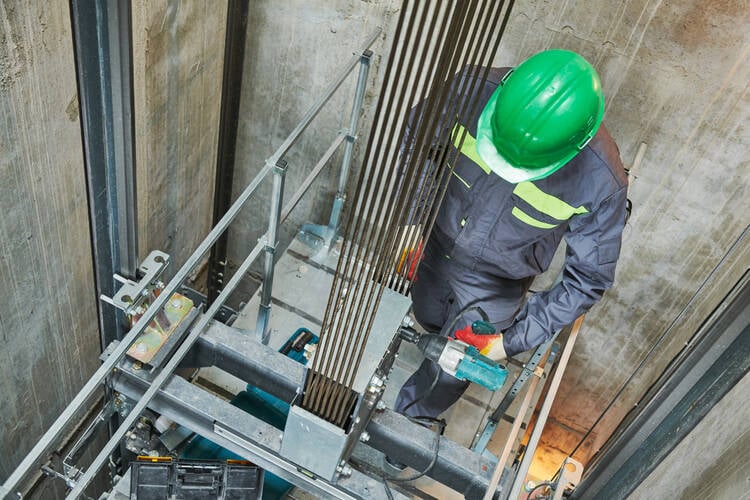
An elevator business involves the manufacturing, installation, maintenance, modernization, and repair of elevators and vertical transportation systems used in residential, commercial, and industrial buildings.
These businesses work closely with construction companies, architects, and building owners to provide safe, efficient, and code-compliant elevator solutions.
Key players in the industry include Otis, Schindler, KONE, and Thyssenkrupp.
Services typically range from installing new systems in high-rises to maintaining older models in smaller buildings.
According to Fortune Business Insights, the global elevator market was valued at approximately $79.7 billion in 2023 and is projected to reach $130.2 billion by 2032, growing at a CAGR of 5.7%.
This growth is driven by urbanization, aging infrastructure, and demand for smart elevators in modern buildings.
Elevator businesses play a critical role in enhancing building accessibility, safety, and vertical mobility, especially in densely populated urban areas.
Steps on How to Start an Elevator Business
-
Conduct Market Research
Conducting market research for an elevator business begins with identifying your target market.
This includes determining whether your focus will be on residential buildings, commercial properties, hospitals, industrial facilities, or a combination of these.
Each segment has distinct needs; for example, hospitals may prioritize stretcher-capable elevators, while residential buildings may need energy-efficient, space-saving models.
Understanding these differences will help you design tailored services and solutions.
Next, analyze your competition. Identify other elevator businesses operating in your target region, and study their pricing, service offerings, customer base, and brand reputation.
Online reviews, social media, company websites, and industry reports are useful tools for assessing what your competitors are doing well and where they may be lacking.
This helps identify gaps in the market that your business can fill. The third step is to assess demand trends and market size.
Look for statistics on construction growth, real estate development, and modernization of old infrastructure in your area.
Government reports, trade publications, and industry databases (like IBISWorld or Statista) can offer valuable insights.
Interviewing contractors, property managers, or building owners can also provide firsthand information.
Finally, gather customer insights through surveys, focus groups, or direct interviews.
Ask potential clients what they look for in elevator services, what challenges they face, and what improvements they would like to see.
a. Who is the Target Market for the Elevator Business?
- Commercial Property Developers and Owners
- Residential Building Developers and Managers
- Hospitals and Healthcare Facilities
- Industrial and Manufacturing Facilities
- Government and Public Sector
- Maintenance and Modernization Clients
b. Is Elevator Business a Profitable Business?
Yes, elevator businesses can be quite profitable. The global elevator industry generated roughly USD 79 billion in 2024 and is expected to grow to around USD 116 billion by 2030, at an estimated CAGR of 6.7%.
While equipment sales typically yield modest operating margins of 5 to 10%, recurring service and maintenance contracts often deliver higher margins of 20 to 25% and contribute over 50% of major firms’ revenues.
Smaller independent elevator maintenance companies typically report profit margins in the range of 10 to 20%, depending on operational efficiency, contract terms, and cost control strategies.
Entering this space requires significant capital upfront for equipment or routes; however, with well-managed service contracts and scale, the business can offer stable and attractive returns.
c. Are There Existing Niches in the Industry?
Yes, there are niche ideas when it comes to the elevator business, and they are:
- Eco-Friendly Elevator Systems: Focus on designing and installing energy-efficient, regenerative-drive elevators that reduce power consumption and carbon emissions.
- Home Elevators for Aging-in-Place: Target the growing senior population by offering compact residential elevators or lifts that enhance mobility and independence in multi-level homes.
- Elevator Modernization Services: Specializes in upgrading outdated elevator systems with new technologies such as touchless controls, smart monitoring, or faster drives.
- Luxury Custom Elevators: Provide high-end, customized elevator solutions for upscale residences, boutique hotels, or yachts.
- Elevator IoT and Remote Monitoring: Develop or integrate IoT solutions that allow building managers to monitor elevator performance, maintenance needs, and safety remotely, offering predictive analytics and reducing downtime.
d. Who are the Major Competitors?
- Otis Elevator Company
- Schindler Elevator Corporation
- KONE Inc.
- TK Elevator (formerly Thyssenkrupp Elevator)
- Mitsubishi Electric US, Inc.
- Fujitec America, Inc.
- Dover Elevator Systems (now part of Thyssenkrupp)
- Hyundai Elevator USA
- Vertical Systems, Inc.
- Canton Elevator, Inc.
- American Crescent Elevator
- GAL Manufacturing Corp.
- Peelle Company
- Delaware Elevator, Inc.
- EMR Elevator, Inc.
- Champion Elevator Corp.
- Excel Elevator & Escalator Corp.
- 3Phase Elevator Corp.
- Dura Elevator Inc.
- Nationwide Lifts, Inc.
e. Are There County or State Regulations or Zoning Laws for Elevator Businesses in the United States?
Yes, there are county and state regulations, as well as zoning laws, that govern elevator businesses in the United States.
These rules ensure safety, accessibility, and proper installation of elevators in residential, commercial, and industrial buildings.
Most states require elevator contractors and technicians to be licensed. This typically involves passing exams, meeting experience requirements, and renewing licenses periodically.
States like California, New York, and Texas have particularly strict codes and require regular inspections of elevators, along with maintenance logs and safety certifications.
Zoning laws may also affect where and how elevator companies can operate.
For instance, the type of building, height restrictions, or land use designations may determine whether an elevator installation is allowed.
Local building permits are usually required before any elevator work can begin, and these permits are subject to municipal review and approval.
Finally, elevator businesses must comply with national standards like the American Society of Mechanical Engineers (ASME) A17.1
Safety Code and the Americans with Disabilities Act (ADA), which ensures accessibility.
f. Is There a Franchise for the Elevator Business?
While major manufacturers like Otis or Schindler do not franchise, several smaller or specialized companies offer franchise or dealer programs. Here are 10 elevator-related franchises or dealer opportunities:
- Nationwide Lifts
- Savaria (Authorized Dealer Network)
- Stiltz Home Lifts
- Inclinator Company of America (Dealer Program)
- Bruno Independent Living Aids (Dealer Network)
- AmeriGlide (Authorized Dealer Program)
- Access Elevator & Lifts
- Garaventa Lift (Dealer Network)
- Symmetry Elevating Solutions (Dealer Opportunities)
- Handicare Stairlifts (Authorized Dealer Program).
g. What Do You Need to Start an Elevator Business?
- Business License and Registration
- Elevator Contractor License
- Trained and Certified Technicians
- Insurance (Liability, Workers’ Compensation, etc.)
- Office or Workshop Space
- Tools and Installation Equipment
- Supplier or Manufacturer Partnerships
- Safety and Compliance Knowledge (e.g., ASME, ADA)
- Marketing and Branding Materials
- Maintenance and Service Software.
-
Choose a Memorable Business Name
When looking to start a business, before you can begin to file the necessary documents with the constituted authorities or start your website, it is necessary that you come up with a name that you will be recognized with.
It is essential that the name you come up with can easily be pronounced, is unique and easily memorable.
Some of the catchy business name ideas suitable for an elevator business are:
- Champions Tech™ Elevator Company, Inc.
- Pierse Jordan® Elevator Company, Inc.
- Lift Up® Elevator Company, Inc.
- Mack Schuller® Elevator Company, LLC
- Oakmont Engineering™ Elevator Company, Inc.
- Rowland Halley© Elevator Company, LLC
- Miller Barnes™ Elevator Company, Inc.
- Silver Creek® Elevator Company, Inc.
- Rolling Hills™ Elevator Company, Inc.
- Greg Tampa® Elevator Company, LLC
- Grandview Base® Elevator Company, Inc.
- Radamel Ramos™ Elevator Company, LLC
- Calvin Cardamon™ Elevator Company, Inc.
- Power Heartland® Elevator Company, Inc.
- Dallas Heights® Elevator Company, Inc.
- John Desmond© Elevator Company, LLC
- Green Tech® Elevator Company, Inc.
- Golden Steel® Elevator Company, Inc.
- James Miller™ Elevator Company, LLC
- Prinston Townsend® Elevator Company, Inc.
-
Register Your Business
a. What Type of Business Structure is Best for an Elevator Business?
The best type of business structure for an elevator business depends on several factors, including the size of the business, the number of owners, and the level of personal liability exposure the owners are willing to accept.
However, we usually recommend a limited liability company (LLC). An LLC is a popular choice for startup businesses because it offers personal liability protection for the owners while allowing them to be taxed as a pass-through entity.
This means that the profits and losses of the business are passed through to the owners’ tax returns, avoiding double taxation.
Ultimately, the best business structure for an elevator business will depend on factors such as the ownership structure, the club’s goals and objectives, and the type of services and activities offered.
b. Steps to Form an LLC
- Choose a Name for Your LLC.
- File Articles of Organization.
- Choose a registered agent.
- Decide on member vs. manager management.
- Create an LLC operating agreement.
- Comply with other tax and regulatory requirements.
- File annual reports.
c. What Type of License is Needed to Open an Elevator Business?
- Elevator Contractor License
- Elevator Mechanic License
- Business Operating License
- Electrical Contractor License (in some states)
- General Contractor License (if required locally)
- Occupational License (city or county level)
- Elevator Inspector License (for inspection services)
- Specialized Lift Installation License (e.g., for stairlifts or dumbwaiters).
d. What Type of Certification is Needed to Open an Elevator Business?
Here are some certifications that you or your trainers may consider:
- Certified Elevator Technician (CET)
- National Association of Elevator Contractors (NAEC) Certification
- OSHA Safety Certification
- ASME A17.1 Code Compliance Training
- Elevator Inspector Certification
- State-Specific Elevator Licensing Certification
- EPA Refrigerant Handling Certification (for elevator HVAC systems).
e. What Documents are Needed to Open an Elevator Business?
- Business License
- Elevator Contractor License
- Proof of Insurance (Liability, Workers’ Comp)
- Tax Identification Number (EIN)
- Articles of Incorporation or Organization
- Operating Agreement or Bylaws
- Elevator Technician Certifications
- Safety Compliance Certificates (OSHA, ASME)
- Building Permits (for installations)
- Service Contracts or Agreements
- Employee Identification and Certifications
- Financial Statements or Bank Statements
- Vendor or Supplier Contracts
- Environmental Compliance Documents
- Zoning and Land Use Permits.
f. Do You Need a Trademark, Copyright, or Patent?
For an elevator business, trademarks, copyrights, and patents serve different purposes and may or may not be necessary depending on your business activities.
A trademark is useful if you want to protect your brand name, logo, or slogan, helping distinguish your company in the market and preventing others from using similar identifiers.
Registering a trademark can strengthen your brand identity and legal protection.
Copyrights generally apply to original creative works like marketing materials, manuals, or website content.
While copyrights protect these materials automatically upon creation, registering them offers stronger legal enforcement if infringement occurs.
Patents are relevant if your business develops unique elevator technologies, designs, or innovations.
-
Cost Analysis and Budgeting
a. How Much Does It Cost to Start an Elevator Business?
When it comes to starting an elevator business, the startup costs could range from as low as $150,000 to over $500,000.
This is so because the cost of securing a facility, equipment, furnishing, and startup inventory is on the high side.
b. What are the Costs Involved in Starting an Elevator Business
- Business Licensing and Permits: $1,000 to $5,000
- Elevator Contractor and Technician Licensing: $500 to $3,000
- Insurance (Liability, Workers’ Comp): $5,000 to $20,000 annually
- Office or Workshop Rent: $1,000 to $5,000 per month
- Tools and Equipment: $20,000 to $100,000
- Vehicle Purchase and Maintenance: $20,000 to $50,000
- Initial Inventory and Parts: $10,000 to $50,000
- Employee Salaries and Training: $50,000 to $150,000 annually per technician
- Marketing and Advertising: $5,000 to $15,000 initially
- Software and Safety Compliance Training: $2,000 to $10,000
- Miscellaneous: $5,000
c. What Factors Determine the Cost of Opening an Elevator Business?
- Business Location
- Scale and Scope of Services (installation, maintenance, repair)
- Licensing and Certification Requirements
- Equipment and Tool Needs
- Number of Employees and Payroll Costs
- Insurance Coverage and Premiums
- Vehicle and Transportation Expenses
- Marketing and Branding Budget
- Technology and Software Investments
- Local Building Codes and Regulatory Compliance.
d. Do You Need to Build a Facility? If YES, How Much Will It Cost?
It is not compulsory to build a new facility for your elevator business because you have the option to rent or lease a facility.
If you plan to build a new facility, the cost will likely be higher than if you lease or renovate an existing facility.
e. What are the Ongoing Expenses of an Elevator Business?
- Employee Salaries and Benefits
- Insurance Premiums (Liability, Workers’ Compensation)
- Equipment Maintenance and Replacement
- Vehicle Fuel, Maintenance, and Leasing Costs
- Office Rent and Utilities
- Licensing and Certification Renewals
- Marketing and Advertising
- Inventory and Spare Parts Purchases
- Training and Safety Compliance Programs
- Software Subscriptions and Technology Upgrades.
f. What is the Average Salary of your Staff?
- Project Manager: $70,000 to $100,000 per year
- Maintenance Supervisor: $65,000 to $90,000 per year
- Safety Compliance Officer: $60,000 to $85,000 per year
- Elevator Technician: $60,000 to $85,000 per year
- Elevator Installer: $55,000 to $80,000 per year
- Sales Representative: $50,000 to $75,000 per year (plus commission)
- Administrative Assistant: $35,000 to $50,000 per year.
g. How Do You Get Funding to Start an Elevator Business
- Raising money from personal savings and the sale of personal stocks and properties
- Raising money from investors and business partners
- Sell shares to interested investors
- Applying for a loan from your bank/banks
- Source for soft loans from your family members and your friends.
-
Write a Business Plan
a. Executive Summary
Oakmont Engineering™ Elevator Company, Inc., based in New York City, New York, is a specialized elevator service provider focusing on installation, maintenance, and modernization of vertical transportation systems.
The company aims to deliver high-quality, safe, and efficient elevator solutions for commercial, residential, and industrial clients in the NYC metropolitan area.
By leveraging cutting-edge technology and a skilled workforce, Oakmont Engineering™ seeks to address the growing demand for reliable elevator services driven by urban development and aging infrastructure.
With a strong commitment to compliance with safety codes and customer satisfaction, Oakmont Engineering™ plans to build long-term relationships through exceptional service and innovative solutions.
The company will target property developers, building managers, and government contracts, emphasizing eco-friendly systems and smart elevator technologies to meet modern accessibility and efficiency standards.
This strategic approach positions Oakmont Engineering™ as a competitive player in the vibrant New York City elevator market.
b. Products and Services
- Elevator Installation
- Elevator Maintenance and Repair
- Elevator Modernization and Upgrades
- Emergency Elevator Services
- Custom Elevator Design Solutions
- Accessibility Lift Installation (e.g., wheelchair lifts, stairlifts)
- Safety Inspections and Compliance Consulting.
c. Mission Statement
At Oakmont Engineering™ Elevator Company, Inc., our mission is to provide safe, reliable, and innovative elevator solutions that enhance building accessibility and efficiency.
We are committed to exceptional customer service, strict compliance with safety standards, and sustainable practices.
Vision Statement:
Our vision at Oakmont Engineering™ Elevator Company, Inc. is to become the leading elevator service provider in New York City by pioneering innovative, eco-friendly technologies and setting the highest standards for safety and customer satisfaction.
We strive to transform vertical transportation for a smarter, more accessible future.
d. Goals and Objectives
At Oakmont Engineering™ Elevator Company, Inc., our goals are to deliver exceptional elevator installation, maintenance, and modernization services that exceed customer expectations.
We aim to expand our market share in the New York City area by building strong relationships with developers, property managers, and government clients.
Our objectives include investing in advanced technologies, ensuring full regulatory compliance, and fostering a skilled workforce.
We prioritize safety, sustainability, and innovation to become a trusted leader in the vertical transportation industry.
e. Organizational Structure
- Project Manager
- Maintenance Supervisor
- Safety Compliance Officer
- Elevator Technician
- Elevator Installer
- Sales Representative
- Administrative Assistant.
Marketing Plan
a. SWOT Analysis
Strength:
- Experienced Leadership: Founded by Jay Lundin, Oakmont brings over two decades of industry expertise, ensuring high-quality service and operational efficiency.
- Comprehensive Service Offering: The company provides a full spectrum of elevator solutions, including installation, maintenance, and modernization, catering to diverse client needs.
- Strategic Location: Being based in NYC positions Oakmont in a high-demand market with numerous commercial and residential buildings requiring elevator services.
Weakness:
- Limited Brand Recognition: As a relatively new player in a competitive market, Oakmont may face challenges in establishing brand presence against established competitors.
- Resource Constraints: Being a smaller company, Oakmont might have limited resources for large-scale marketing campaigns or rapid expansion.
Opportunities:
- Growing Urban Development: The ongoing construction boom in NYC increases the demand for elevator installations and modernization projects.
- Technological Advancements: Adopting smart elevator technologies and eco-friendly solutions can differentiate Oakmont in the market.
- Aging Infrastructure: Many older buildings require modernization of elevator systems, presenting a niche market for Oakmont’s services.
Threat:
- Intense Competition: Established companies with larger market shares and resources pose significant competition.
- Economic Fluctuations: Economic downturns can lead to reduced construction activities, affecting demand for elevator services.
- Regulatory Changes: Evolving safety and building codes may require continuous adaptation and investment in compliance.
b. How Do Elevator Businesses Make Money?
Elevator businesses make money through various revenue streams, including:
- New Elevator Sales and Installation
- Maintenance and Repair Contracts
- Modernization and Upgrades
- Emergency Service Calls
- Parts and Component Sales
- Consulting and Safety Inspections
- Leasing or Renting Elevator Equipment
- Warranty and Service Agreements
- Customization and Design Services
- Training and Certification Programs.
b. Payment Options
- Credit or Debit Card
- Cash
- Electronic Payment Systems such as PayPal or Venmo
- Checks
- Bank Transfers.
c. Sales & Advertising Strategies
- Targeted Industry Networking: Build relationships with real estate developers, construction companies, architects, and property managers.
- Content Marketing and SEO: Create a professional website featuring educational blog posts about elevator safety, maintenance tips, and technology trends.
- Direct Sales Outreach: Employ a skilled sales team to conduct cold calls, send personalized emails, and arrange face-to-face meetings with potential clients.
- Digital Advertising: Run targeted pay-per-click (PPC) ads on Google and LinkedIn focusing on building owners and property managers.
- Referral Program: Develop a referral incentive program rewarding satisfied clients or industry partners who refer new customers.
- Partnerships and Alliances: Collaborate with complementary businesses such as HVAC, electrical contractors, and facility management companies for cross-referrals.
- Print and Local Advertising: Advertise in construction trade magazines, local business journals, and community newsletters to reach decision-makers in the area.
- Trade Shows and Demonstrations: Exhibit at elevator and building industry trade shows, offering live demos of your products or services to engage prospects directly.
Financial Projection
a. How Much Should You Charge for Your Product/Service?
Elevator Installation Costs
- Residential Elevators: For homes with 2 to 6 stories, elevator installation costs range from $20,000 to $50,000, depending on the number of floors and customization options.
- Commercial Elevators: In commercial settings, installation costs can vary between $50,000 and $100,000 per landing, influenced by building height, elevator type, and customization requirements.
- High-Rise Traction Elevators: For mid- to high-rise buildings, the cost typically ranges from $150,000 to $500,000+ per unit, depending on features and installation complexity.
Elevator Maintenance Contracts
- Small Buildings: Maintenance contracts for elevators in small buildings generally cost between $3,500 and $5,000 per year.
- High-Rise Buildings: For high-rise buildings, annual maintenance costs can range from $8,000 to $10,000, influenced by the number of elevators and system complexity.
Elevator Modernization Costs
- Full Modernization: A complete elevator modernization typically costs around $175,000, with a range from $75,000 to $250,000 per elevator, depending on the extent of upgrades and building requirements.
- Partial Modernization: Partial upgrades, such as controller or door equipment replacements, can range from $5,000 to $100,000, depending on the elevator type and scope of work.
b. How Much Profit Do Elevator Business Owners Make a Year?
Elevator business owners typically earn annual profits ranging from 10% to 20% of their revenue, depending on company size and efficiency.
Small businesses may see profits of $50,000 to $150,000, while larger firms can make several million dollars yearly.
Recurring maintenance contracts often provide stable, high-margin income, boosting overall profitability in this capital-intensive industry.
c. What Factors Determine the Amount of Profit to Be Made?
- Business Size and Scale
- Service Mix (Installation vs. Maintenance vs. Modernization)
- Geographic Location and Market Demand
- Operational Efficiency and Cost Control
- Pricing Strategy and Contract Terms
- Customer Base Stability and Contract Duration
- Quality of Workforce and Training
- Competition Level in the Region
- Technological Innovation and Differentiation
- Regulatory Compliance and Safety Record.
d. What is the Profit Margin of an Elevator Business?
On average, the profit margin for elevator business products ranges from 10 per cent to 30 per cent, depending on the location, and other service and product offerings.
e. What is the Sales Forecast?
Below is the sales forecast for an elevator business. It is based on the location of the business and other factors as they relate to such startups in the United States.
- First Fiscal Year (FY1): $750,000
- Second Fiscal Year (FY2): $1.5 million
- Third Fiscal Year (FY3): $3.5 million
-
Set Up your Shop/Office
a. How Do You Choose a Perfect Location for Elevator Business?
- Proximity to Urban Development
- Access to Target Customers
- Competitive Landscape: Choose locations with manageable competition and strong market demand.
b. What State and City is Best to Open an Elevator Business?
- New York, New York
- Austin, Texas
- Miami, Florida
- Atlanta, Georgia
- Charlotte, North Carolina
- Dallas–Fort Worth, Texas
- Nashville, Tennessee
- Seattle, Washington
- Houston, Texas
- San Francisco, California.
c. What Equipment is Needed to Operate an Elevator Business?
- Elevator hoisting and lifting systems
- Control panels and switchboards
- Safety gear (harnesses, helmets, gloves)
- Welding and fabrication tools
- Electrical testing equipment
- Diagnostic and service tools
- Scaffolding and ladders
- Hydraulic jacks and pumps
- Power drills and hand tools
- Vehicle for transport (e.g., service van or truck).
-
Hire Employees
If you are looking to start an elevator business, then you should make plans to hire employees.
This is so because an elevator business cannot be run by an individual. It requires a team to effectively manage the technical, operational, and administrative demands.
From certified technicians and engineers to project managers, safety inspectors, and customer service staff, each plays a vital role.
-
Launch the Business Proper
Organizing an opening party for a new elevator business can be a powerful way to introduce your brand to the community and raise awareness about your products and services.
If you plan to host a proper launch event, be sure to invite potential clients, building developers, property managers, contractors, influencers, local business leaders, and key stakeholders.
The event should include a product showcase or demo, speeches, branded merchandise, and networking opportunities. Consider offering refreshments and guided tours of your facility.
a. What Makes an Elevator Business Successful?
- High-Quality Products and Services
- Skilled Workforce
- Strong Customer Service
- Compliance with Safety and Industry Standards
- Innovative Technology
- Strategic Partnerships
- Effective Marketing and Branding
- Reliable Maintenance Contracts
- Scalability and Growth Planning
- Excellent Project Management
b. What Happens During a Typical Day at an Elevator Business?
A typical day at an elevator business begins with team briefings where project managers assign tasks to technicians, engineers, and office staff.
Field teams head to various sites for elevator installations, routine maintenance, inspections, or emergency repairs.
Office personnel handle scheduling, customer inquiries, invoicing, and permit processing.
Throughout the day, teams ensure all work meets safety and industry standards.
Engineers may review new building plans or design specifications for upcoming projects. Technicians complete service reports and update clients on progress.
At the end of the day, completed tasks are reviewed, parts are reordered if needed, and preparations are made for the next day’s jobs.
c. What Skills and Experience Do You Need to Build an Elevator Business?
- Technical Knowledge of Elevators
- Experience in Elevator Installation and Maintenance
- Strong Project Management Skills
- Understanding of Building Codes and Safety Regulations
- Business Management and Operations Knowledge
- Sales and Customer Relationship Skills
- Mechanical and Electrical Engineering Background
- Team Leadership and Staff Training Abilities
- Budgeting and Financial Planning Skills
- Licensing and Permit Compliance Experience.