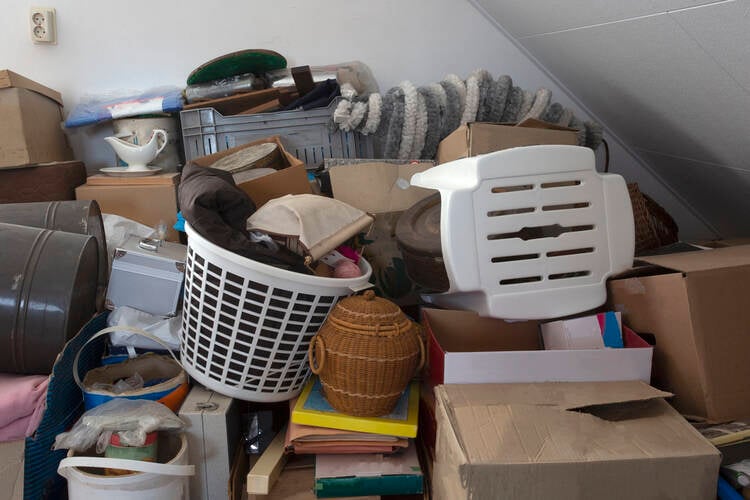
A hoarding cleaning business specializes in the professional removal, cleanup, and sanitation of homes affected by hoarding disorder.
Hoarding involves the excessive accumulation of items, making living spaces unsafe or unsanitary.
These businesses typically offer services such as sorting, organizing, deep cleaning, pest control, and hazardous waste disposal.
They often work with mental health professionals, social workers, or family members to approach the situation with sensitivity and respect.
The goal is to restore the home to a livable condition while ensuring the dignity of the client is preserved.
According to the American Psychiatric Association, hoarding disorder affects an estimated 2.6% of the U.S. population.
The National Alliance on Mental Illness (NAMI) reports that most hoarding cases go untreated until a crisis arises, often prompting intervention by authorities or landlords.
As awareness grows, the demand for hoarding cleanup services continues to rise, making it not only a niche but an essential sector within the broader cleaning industry.
Steps on How to Start a Hoarding Cleaning Business
-
Conduct Market Research
Conducting market research is essential for any business, including a hoarding cleaning business.
First, you have to determine your geographic target area. Where do you plan to offer your hoarding cleaning services? This might be a specific city, region, or even multiple locations.
Segment your target market based on factors like demographics (age, income, household size), psychographics (lifestyle, values), and behavior (customer preferences, buying habits).
You are also expected to research other hoarding cleaning businesses in your area and evaluate their strengths and weaknesses, pricing strategies, customer reviews, and marketing tactics.
Design a survey to gather information about the needs and preferences in your area.
You can use online survey tools like SurveyMonkey or Google Forms to create a survey and share it with potential customers.
Lastly, conduct a SWOT (Strengths, Weaknesses, Opportunities, Threats) analysis to assess your business’s internal and external factors.
This will help you identify areas for improvement and potential strategies. Use the insights gained from your research to create a comprehensive business plan.
This plan should outline your business strategy, marketing approach, financial projections, and operational details.
a. Who is the Target Market for the Hoarding Cleaning Business?
- Individuals with Hoarding Disorder
- Family Members and Caregivers: Relatives or close contacts of someone struggling with hoarding.
- Mental Health Professionals: Therapists, social workers, and case managers who work with clients affected by hoarding.
- Landlords and Property Managers
- Adult Protective Services and Government Agencies
- Estate Executors and Real Estate Agents
- Home Health Care Providers: Agencies that provide in-home care often need homes cleaned and made safe before their staff can provide services.
b. Is Hoarding Cleaning Business a Profitable Business?
Yes, a hoarding cleaning business can be highly profitable due to the specialized nature of the work and growing demand.
Cleanup projects can range from $1,000 to over $10,000, depending on severity.
With an estimated 2.6% of Americans affected by hoarding disorder, the market is substantial.
Profit margins are generally high due to premium pricing for hazardous conditions, biohazard disposal, and emotional labor, making it a lucrative niche in the broader cleaning industry.
c. Are There Existing Niches in the Industry?
No, there are no existing niches when it comes to the hoarding cleaning business because the business is a niche idea in the janitorial cum commercial cleaning services industry.
d. Who are the Major Competitors?
- Steri-Clean
- Bio-One
- Aftermath Services
- com
- Clutter Trucker
- Spaulding Decon
- Hoarding Cleanup Pros
- Scene Clean
- Address Our Mess
- Hoarding Help Central
- Valor Technical Cleaning
- Hoarding Cleanup Crew
- ServiceMaster Restore
- PureOne Services
- USA Hoarding Cleanup
- BioRecovery
- Extreme Hoarding Clean Up
- National Trauma Clean-Up
- PuroClean
- American Bio Recovery Association (ABRA)-affiliated providers.
e. Are There County or State Regulations or Zoning Laws for Hoarding Cleaning Businesses in the United States of America?
Yes, both federal and state regulations govern hoarding cleaning Businesses in the United States.
Regulations and zoning laws for hoarding cleaning businesses can vary depending on the specific county, city, and state in the United States.
Generally, local governments may have zoning ordinances, business licensing requirements, and health and safety regulations that businesses must adhere to.
These regulations are put in place to ensure public safety, proper waste disposal, and compliance with local zoning and land use plans.
Most municipalities require businesses to obtain a license to operate legally.
The process and requirements for obtaining a business license can vary. Zoning laws dictate where certain types of businesses can operate.
Some areas may be zoned for commercial or industrial use, while others are designated for residential use.
Hoarding cleaning businesses may need to operate in zones that allow for service-oriented or light industrial activities.
Proper disposal of waste generated during hoarding cleaning, such as old items, debris, and cleaning chemicals, may be subject to local regulations.
Businesses may need to comply with waste disposal guidelines to protect the environment.
Some areas have environmental regulations that businesses must follow, especially if they use or dispose of chemicals that may be considered hazardous.
If the business involves regular visits to client locations, there may be regulations regarding parking and traffic that need to be considered.
f. Is There a Franchise for Hoarding Cleaning Business?
Yes, there are franchise opportunities for the hoarding cleaning business, and here are some of them;
- Steri-Clean
- Bio-One
- Spaulding Decon
- Aftermath Services
- PuroClean
- ServiceMaster Restore
- PureOne Services
- 1-800 WATER DAMAGE
- Restoration 1
- AdvantaClean.
g. What Do You Need to Start a Hoarding Cleaning Business?
- Business Plan
- Legal Business Structure
- Business License
- Insurance
- Equipment and Cleaning Supplies
- Transportation
- Marketing Materials
- Website and Online Presence
- Pricing Structure
- Safety Gear
- Organization and Storage Solutions
- Customer Relationship Management (CRM) System.
-
Choose a Memorable Business Name
When looking to start a business, before you can begin to file the necessary documents with the constituted authorities or start your website, it is necessary that you come up with a name that you will be recognized with.
It is essential that the name you come up with can easily be pronounced, is unique and easily memorable.
Some of the catchy business name ideas suitable for a hoarding cleanup business are:
- Base Team® Hoarding Cleaning Services, LLC
- Jerry Smith® Hoarding Cleaning Services, LLC
- Joe Norman© Hoarding Cleaning Services, Inc.
- David Martins® Hoarding Cleaning Services, Inc.
- Andrew Nelson ® Hoarding Cleaning Services, Inc.
- Dave Allen™ Hoarding Cleaning Services, LLC
- Jude Philips© Hoarding Cleaning Services, LLC
- Jules Koleman® Hoarding Cleaning Services, Inc.
- David Hazel ® Hoarding Cleaning Services, Inc.
- Dennis Wolfs™ Hoarding Cleaning Services, Inc.
- Kennedy Alvin™ Hoarding Cleaning Services, LLC
- Sean Jose© Hoarding Cleaning Services, Inc.
- Benson Gordon® Hoarding Cleaning Services, Inc.
- Hansen McNeil™ Hoarding Cleaning Services, LLC
- Green Clean© Hoarding Cleaning Services, Inc.
- Safe Zone™ Hoarding Cleaning Services, LLC
- Excel Group® Hoarding Cleaning Services, Inc.
- Hickey Michael™ Hoarding Cleaning Services, LLC
- Leon Marcus® Hoarding Cleaning Services, Inc.
- Calvin Lewis© Hoarding Cleaning Services, Inc.
-
Register Your Business
a. What Type of Business Structure is Best for a Hoarding Cleaning Business?
The ideal business structure for a hoarding cleaning company is determined by a variety of factors, including the size of the company, the number of owners, the level of personal liability the owners are ready to accept, and the tax consequences of the various business structures.
However, we normally recommend a limited liability company structure. An LLC is a hybrid corporate form that provides the flexibility of a partnership while also providing its owners with limited liability protection.
An LLC can have one or more owners, and the owners are not personally accountable for the debts or liabilities of the business.
This business form is frequently used for small to medium-sized organizations.
b. Steps to Form an LLC
- Choose a Name for Your LLC.
- File Articles of Organization.
- Choose a registered agent.
- Decide on member vs. manager management.
- Create an LLC operating agreement.
- Comply with other tax and regulatory requirements.
- File annual reports.
c. What Type of License is Needed to Start a Hoarding Cleaning Business?
- General Business License
- Occupational or Professional License (local/county specific)
- Biohazard Waste Transport License
- Hazardous Waste Disposal Permit
- Environmental Protection Agency (EPA) Certification (if handling certain chemicals)
- OSHA Compliance Certification
- Trauma or Crime Scene Cleanup Certification (if offering this service)
- Zoning or Home Occupation Permit (if operating from home).
d. What Type of Certification is Needed to Start a Hoarding Cleaning Business?
- Professional Organizer Certification
- Cleaning Industry Management Standard (CIMS) Certification
- Occupational Safety and Health Administration (OSHA) Certification
- Hazardous Waste Operations and Emergency Response (HAZWOPER) Certification
- Green Cleaning Certification.
e. What Documents are Needed to Start a Hoarding Cleaning Business?
- Business Plan
- Business License
- Employer Identification Number (EIN)
- LLC or Corporation Formation Documents
- Operating Agreement or Partnership Agreement
- Insurance Policies (General Liability, Workers’ Comp, etc.)
- Service Contracts and Client Agreements
- Employee Handbook (if hiring staff)
- Non-Disclosure Agreements (NDAs)
- Biohazard Waste Handling Certification
- OSHA Compliance Documentation
- Vehicle Registration and Insurance Documents
- Marketing Materials (flyers, brochures, business cards)
- Standard Operating Procedures (SOPs)
- Waste Disposal and Hauling Permits.
f. Do You Need a Trademark, Copyright, or Patent?
Essentially, it is not necessary to obtain a trademark, copyright, or patent for a hoarding cleaning business, although it may help protect your intellectual property and brand.
For example, registering a trademark for your hoarding cleaning business can help prevent others from using similar branding.
Also, if you create original marketing materials or other creative works for your hoarding cleaning business, you may want to consider obtaining a copyright to prevent others from using your content without permission.
Patents are typically not applicable to a hoarding cleaning business.
-
Cost Analysis and Budgeting
a. How Much Does It Cost to Start a Hoarding Cleaning Business?
The cost required to start a hoarding cleaning business may vary significantly.
But on average, you can budget as low as $20,000 to as much as over $200,000.
b. What are the Costs Involved in Starting a Hoarding Cleaning Business
- Business Registration Fees – $750.
- Legal expenses for obtaining licenses and permits – $1,300.
- Marketing, Branding, and Promotions – $2,000.
- Business Consultant Fee – $2,500.
- Insurance – $1,400.
- Rent or lease – $50,000
- Operational Cost (salaries of employees, payments of bills, et al) – $60,000
- Equipment, and Utility Truck – $60,000
- start-up inventory – $5,000
- Store Equipment (cash register, security, ventilation, signage) – $1,750
- Website: $850
- Opening party: $3,000
- Miscellaneous: $3,000
c. What Factors Determine the Cost of Starting a Hoarding Cleaning Business?
- Business Licensing and Permits
- Insurance (General Liability, Workers’ Comp, Biohazard Coverage)
- Cleaning Equipment and Supplies
- Protective Gear (PPE, Hazmat suits, respirators, gloves)
- Vehicle Purchase or Leasing (for transport of crew and waste)
- Biohazard and Waste Disposal Fees
- Marketing and Branding (website, SEO, ads, uniforms)
- Employee Wages and Training Costs
- Franchise Fees (if applicable)
- Office Space or Storage Facility (if needed for supplies/equipment).
d. Do You Need to Build a Facility? If YES, How Much Will It Cost?
No, it is not compulsory to build new facilities for your hoarding cleaning business.
You just need a budget-friendly office or storage facility to start the business because your services will be deployed in your clients’ facilities.
e. What are the Ongoing Expenses of a Hoarding Cleaning Business?
- Expenses for cleaning agents, personal protective equipment (PPE), containment materials, and testing equipment.
- Fuel, maintenance, insurance, and registration costs for company vehicles used for transportation to job sites.
- Labor costs (wages, taxes, and benefits).
- Marketing and advertising, such as online ads, flyers, and business cards.
- Insurance such as liability insurance, property insurance, and workers’ compensation insurance.
- Fees for the proper disposal of hazardous materials and waste generated during cleanup operations.
- Business licenses and permits
- Website and software expenses
- Income taxes and other taxes.
f. What is the Average Salary of your Staff?
- Chief Executive Officer (Owner) – $65,000 per year
- Manager – $55,000 per year
- Accountant and Administrative Assistant – $48,0000
- Marketing and Sales Officer – $45,000 per year
- Hoarding Cleaning Technicians (Cleaners) – $40,000 per year
- Truck Driver – $38,000 per year.
g. How Do You Get Funding to Start a Hoarding Cleaning Business
- Raising money from personal savings and the sale of personal stocks and properties
- Raising money from investors and business partners
- Sell shares to interested investors
- Applying for a loan from your bank/banks
- Source for soft loans from your family members and your friends.
-
Write a Business Plan
a. Executive Summary
Jenny Leonardo© Hoarding Cleaning Services, Inc. is a specialized cleaning company based in Philadelphia, Pennsylvania, dedicated to restoring homes affected by hoarding disorder.
With a team of experienced technicians and a commitment to excellence, we ensure that our clients’ facilities meet safety and hygiene standards while minimizing fire risks.
Jenny Leonardo© Hoarding Cleaning Services, Inc. is strategically positioned to serve this need in the Greater Philadelphia area through a team of trained professionals, industry-standard safety protocols, and a client-centered approach that builds trust and delivers results.
Jenny Leonardo© Hoarding Cleaning Services, Inc. is committed to environmentally friendly practices, including responsible waste disposal and the use of eco-friendly cleaning products.
b. Services
Our company offers a full range of services, including hoarding cleanup, sorting and organizing, deep cleaning, pest control coordination, hazardous waste removal, and property restoration.
c. Mission Statement
At Jenny Leonardo© Hoarding Cleaning Services, Inc., our mission is to restore homes and lives by providing compassionate, respectful, and professional hoarding cleanup services.
We are committed to helping individuals and families reclaim their living spaces.
Vision Statement:
Our vision is to be the leading hoarding cleanup service in Philadelphia and beyond, recognized for our empathy, excellence, and positive impact on the lives of those affected by hoarding.
We aim to break the stigma, promote healing, and set the standard for respectful home restoration in every community we serve.
d. Goals and Objectives
At Philips Timms© Hoarding Cleaning Services, Inc., our goals are to establish ourselves as the premier provider of hoarding cleaning solutions in Philadelphia and expand our reach regionally.
We aim to achieve this by delivering unmatched quality, reliability, and customer satisfaction in every service we provide.
Our objectives include acquiring new clients, building long-term relationships, adhering to industry standards, investing in employee training, and continuously innovating our processes to stay ahead in the market.
e. Organizational Structure
- Chief Executive Officer (Owner)
- Manager
- Accountant/Cashier
- Marketing and Sales Officer
- Hoarding Cleaning Technicians (Cleaners)
- Truck Driver.
Marketing Plan
a. SWOT Analysis
Strength:
- Specialized Expertise: Focused expertise in hoarding cleanup and related sensitive services, differentiating from general cleaning companies.
- Compassionate Approach: Client-centered, respectful, and discreet service model builds trust with clients and referral sources.
- Experienced Team: Trained staff familiar with biohazard safety, trauma cleanup, and mental health considerations.
- Growing Market Demand: Rising awareness of hoarding disorder and the need for specialized cleanup services in Philadelphia.
- Comprehensive Service Offering: End-to-end services from sorting and removal to pest control and sanitation.
- Local Market Knowledge: Deep understanding of Philadelphia’s regulations, waste disposal, and client demographics.
Weakness:
- High Operational Costs: Costs for PPE, specialized disposal, and labor-intensive cleanup can reduce profit margins.
- Emotional and Physical Toll: Service requires managing emotionally charged situations and physically demanding work, which can affect staff retention.
- Limited Brand Awareness: As a new business, it may face challenges in building reputation and trust.
- Dependency on Referrals: Heavy reliance on mental health professionals and family referrals could limit client acquisition channels.
Opportunities:
- Partnerships with Healthcare Providers: Collaborate with therapists, social workers, and hospitals for steady referral streams.
- Educational Outreach: Provide community workshops and resources to destigmatize hoarding and promote early intervention.
- Expansion of Services: Add related offerings such as trauma cleanup, estate cleanouts, or elder care home support.
- Franchise or Regional Growth: Potential to expand services into neighboring cities or offer franchise opportunities.
- Insurance and Government Contracts: Pursue contracts with public health agencies or property management firms for steady work.
Threat:
- Competition: Established companies like Steri-Clean and Bio-One may dominate the market with larger resources.
- Regulatory Changes: Stricter regulations around biohazard disposal or waste transport could increase costs.
- Economic Downturns: Reduced discretionary spending or funding cuts in social services could lower demand.
- Client Reluctance: Stigma and denial around hoarding may delay cleanup interventions or reduce willingness to pay.
- Workplace Hazards: Risk of injury or exposure to biohazards could lead to legal issues or increased insurance costs.
b. How Do Hoarding Cleaning Companies Make Money?
Hoarding cleaning companies make money by charging clients for specialized cleanup services that address clutter removal, deep cleaning, hazardous waste disposal, and property restoration.
Pricing varies based on the severity and size of the job, often ranging from $1,000 to over $10,000 per project.
They also generate revenue through contracts with mental health agencies, landlords, and government bodies.
Additional income comes from premium fees for biohazard handling, urgent cleanups, and ongoing maintenance services.
c. Payment Options
- Cash
- Credit Card
- Debit Card
- Mobile Payment Apps (e.g., Apple Pay, Google Pay)
- Contactless Payment (e.g., NFC-enabled cards)
- Digital Wallets (e.g., PayPal, Venmo)
- QR Code Payments.
d. Sales and Advertising Strategies
- Develop a professional website with informative content, client testimonials, and before-and-after photos.
- Optimize your website for search engines (SEO) to rank higher in relevant searches.
- Create and maintain active profiles on social media platforms like Facebook, Instagram, and LinkedIn.
- Encourage satisfied customers to leave positive online reviews on platforms like Google My Business and Yelp.
- Optimize your online presence for local searches by ensuring your business information is accurate on online directories, especially Google My Business.
- Build relationships with real estate agents, property managers, government agencies, and other industry professionals who can refer clients to your business.
- Attend industry events and local business networking groups to expand your contacts.
- Consider sponsorships or partnerships with relevant local organizations or events.
- Develop a referral program that rewards customers or partners who refer clients to your business.
- Advertise your services on company vehicles with eye-catching graphics and contact information.
Financial Projection
a. How Much Should You Charge for Your Service?
Here’s a general breakdown of typical charges:
- Initial Assessment Fee: $100 to $300 — Covers on-site evaluation and customized cleanup plan.
- Hourly Labor Rate: $50 to $150 per hour per worker — Includes sorting, packing, and cleaning.
- Minimum Cleanup Charge: $1,000 to $3,000 — For small to moderate hoarding situations.
- Full-Scale Cleanup: $5,000 to $15,000+ — For severe cases requiring extensive removal and restoration.
- Biohazard and Hazardous Waste Disposal Fees: $500 to $3,000 — Depending on materials and local regulations.
- Specialty Services (Pest Control, Odor Removal): $200 to $1,000 — Additional treatments as needed.
- Ongoing Maintenance or Follow-Up Visits: $100 to $500 per visit — To prevent recurrence and support clients.
b. How Much Profit Do Hoarding Cleaning Business Owners Make a Year?
The profit that hoarding cleaning business owners can make in a year varies widely and depends on numerous factors.
These factors include the size and scale of the business, the geographic location, the demand for hoarding cleaning services in the area, the effectiveness of the business’s marketing and client acquisition strategies, and the ability to manage costs and overhead.
c. What Factors Determine the Amount of Profit to Be Made?
- Job Size and Complexity — Larger or more severe cleanups yield higher revenue but also higher costs.
- Pricing Strategy — Competitive yet profitable pricing for services, including premiums for hazardous waste handling.
- Operational Costs — Expenses for labor, equipment, disposal fees, insurance, and protective gear affect margins.
- Client Acquisition — Ability to secure steady clients impacts revenue flow.
- Efficiency and Productivity — Skilled teams that complete jobs quickly without compromising quality increase profitability.
- Geographic Location — Demand and pricing power vary by region, affecting potential earnings.
- Additional Services Offered — Offering related services like trauma cleanup or pest control can boost income streams.
d. What is the Profit Margin of a Hoarding Cleaning Business?
The profit margin for a hoarding cleaning business can range from 5% to 20% or more of the gross revenue.
This margin can be influenced by various factors, including competition, pricing strategies, and operating efficiency.
e. What is the Sales Forecast?
- First Fiscal Year (FY1): $260,000
- Second Fiscal Year (FY2): $400,000
- Third Fiscal Year (FY3): $650,000
-
Set Up Your Shop/Office
a. How Do You Choose a Perfect Location for a Hoarding Cleaning Business?
- Proximity to Target Market: Locate near urban areas with higher populations and demand for specialized cleaning services.
- Accessibility to Disposal Sites: Easy access to waste disposal, biohazard facilities.
- Local Regulations and Permits: Choose areas with favorable business licensing and manageable environmental regulations.
- Visibility and Branding Opportunities: A location that supports marketing efforts, such as storefront visibility or local networking.
- Cost of Operations: Balance affordable rent or property costs with the convenience and functionality needed for storage and operations.
b. What State and City is Best to Start a Hoarding Cleaning Business?
- Detroit, Michigan
- Houston, Texas
- Los Angeles, California
- Chicago, Illinois
- San Jose, California
- Louisville, Kentucky
- Minneapolis, Minnesota
- Dallas, Texas
- Atlanta, Georgia
- Philadelphia, Pennsylvania.
c. What Equipment is Needed to Operate a Hoarding Cleaning Business?
- Pressure Washer
- Scrapers and Scraping Tools
- Degreasers and Cleaning Chemicals
- Safety Equipment or Personal protective equipment (PPE), including gloves, goggles, respirators, and protective clothing.
- Access equipment such as ladders, scaffolding, and safety harnesses
- Ductwork Access Tools (tools such as duct brushes, rods, and access panels)
- Industrial-grade vacuum cleaners equipped with HEPA filters
- Containment Systems (Tarps, plastic sheeting, and containment barriers)
- Inspection Tools (Inspection mirrors, cameras, and lights)
- Vehicle and Transportation Equipment (Service vehicles equipped with storage racks, bins, and toolboxes)
- Personal First Aid Kits.
-
Hire Employees
Hiring employees for a hoarding cleaning business is essential. Look for candidates with strong organizational skills, attention to detail, and experience in cleaning or organizing.
Prioritize reliability, as punctuality and consistency are important in client-centric services.
Effective communication and a positive attitude are valuable traits, ensuring a positive client experience.
Conduct thorough background checks, check references, and provide adequate training to build a skilled and trustworthy team that reflects the professionalism of your hoarding cleaning business.
-
Launch the Business Proper
Organizing a successful launch party for a new hoarding cleaning business requires careful planning and attention to detail.
Begin by selecting a suitable venue that reflects the business’s professionalism and target clientele.
Send out invitations to potential clients, local business owners, and industry contacts.
Create engaging promotional materials and demonstrations showcasing the business’s services and expertise.
Offer special discounts or incentives for attendees to book services on the spot.
Lastly, ensure seamless execution by coordinating logistics, staffing, and follow-up procedures to capitalize on the event’s momentum and generate buzz for the business.
a. What Makes a Hoarding Cleaning Business Successful?
- Choose good locations to launch the business
- Make sure you partner with key stakeholders and offer a wide range of hoarding cleaning services and support (give your customers options)
- Be deliberate with your marketing and sales approach
- Encourage the use of word of mouth to promote your hoarding cleaning business
- Leverage all available online and offline platforms to promote your hoarding cleaning business
b. What Happens During a Typical Day at a Hoarding Cleaning Business?
A typical day at a hoarding cleaning business begins with assessing client cases, often involving on-site evaluations to understand the scope and severity of the cleanup needed.
The team plans the cleanup process carefully, considering safety, emotional sensitivity, and logistics.
Crew members arrive at clients’ homes equipped with protective gear, specialized tools, and disposal containers.
They sort belongings, remove clutter, clean and sanitize affected areas, and safely dispose of hazardous materials.
Throughout the day, the business also handles administrative tasks like scheduling, billing, and coordinating waste disposal.
Teams may follow strict safety protocols and collaborate with mental health professionals or pest control services when necessary.
This blend of physical labor, emotional care, and operational management defines the daily rhythm of the business.
c. What Skills and Experience Do You Need to Build a Hoarding Cleaning Business?
- Hazardous Materials Training
- Environmental Science Knowledge
- Regulatory Compliance Expertise
- Business Management Skills
- Safety and Risk Assessment Skills
- Emergency Response Experience
- Hoarding Cleaning Certification
- Leadership and Team Management
- Marketing and Sales Skills
- Financial Management Experience.