
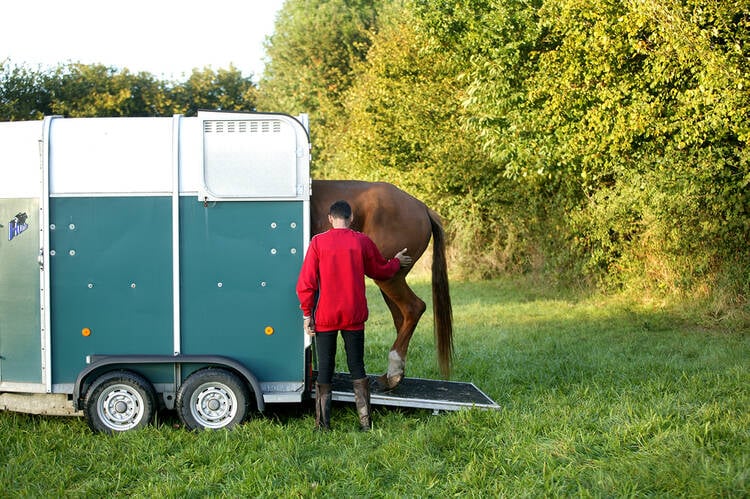
A horse trailer rental business is a niche segment of the transportation and equipment rental industry that provides specialized trailers for safely moving horses to events, farms, veterinary clinics, or new locations.
Instead of purchasing expensive equipment, horse owners, trainers, and equestrian businesses rent trailers on a short- or long-term basis, making it a flexible and cost-effective solution.
The business typically generates revenue through daily or weekly rental fees, add-on services, and insurance charges.
Industry data shows average trailer rentals can cost about $250 per use, depending on duration and type.
The market is growing alongside the broader trailer rental and equestrian industries.
Globally, the trailer rental market was valued at about $16.2 billion in 2023 and is projected to reach $21.9 billion by 2030.
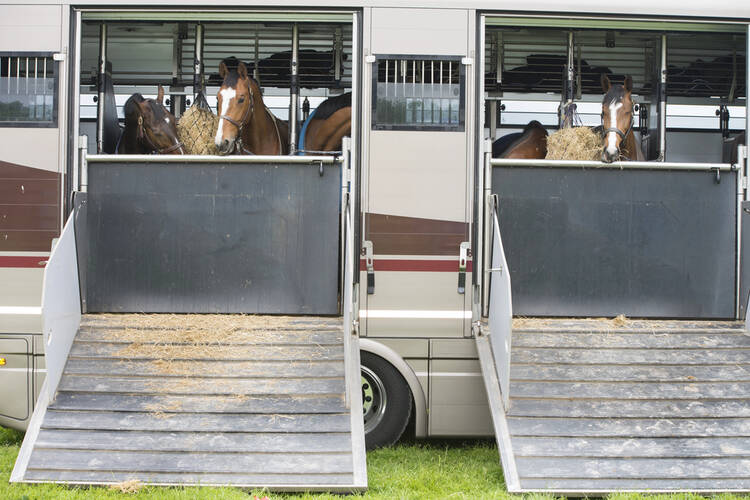
In North America alone, over 62 million trailer rental transactions occur annually, with horse trailer rentals rising by 9% to about 1.8 million units in 2023 due to increasing equine events and ownership.
This steady demand makes horse trailer rental a viable and scalable business opportunity.
Steps on How to Start a Horse Trailer Rental Business
-
Conduct Market Research
Conducting market research for a horse trailer rental business starts with identifying your target market.
This includes horse owners, trainers, breeders, riding schools, and event participants who regularly transport horses.
You should analyze their needs, preferences, and rental frequency by using surveys, interviews, and online forums.
Understanding whether customers need short-term rentals for events or long-term solutions for regular transport will help you tailor your services effectively.
Next, study your competitors within your region. Identify existing horse trailer rental providers, their pricing, trailer types, and service quality.
Visit their websites, read customer reviews, and even test their services if possible.
This helps you spot gaps in the market, such as lack of flexible pricing, poor customer service, or limited trailer availability, which you can leverage as your competitive advantage.
You should also assess demand and industry trends by reviewing data from equestrian associations, agricultural reports, and trailer rental statistics.
Look at factors such as the number of horse owners in your area, frequency of horse shows, and growth in equine activities.
Seasonal demand patterns and regional differences will also influence how you plan your inventory and pricing strategy.
Finally, evaluate pricing and financial feasibility. Determine how much customers are willing to pay and estimate your startup and operational costs. Conduct small pilot tests or pre-launch bookings to validate demand.
Combining customer insights, competitor analysis, and financial data will help you make informed decisions and position your horse trailer rental business for success.
a. Who is the Target Market for the horse trailer rental business?
- Individuals who own horses for leisure riding and occasionally need transportation to trails, clinics, or boarding facilities.
- Trainers who frequently move horses between training grounds, competitions, or client locations.
- Riders involved in horse shows, rodeos, dressage, and competitions who require reliable short-term transport.
- Breeding farms that need trailers to transport horses for mating, sales, or relocation.
- Equestrian schools that transport horses for lessons, camps, or off-site training sessions.
- Nonprofits that rescue and relocate horses
- Businesses involved in buying and selling horses that frequently move animals between locations.
- Organizers who may provide or coordinate transportation services for participants.
b. Is Horse Trailer Rental Business a Profitable Business?
Yes, a horse trailer rental business can be profitable due to strong demand in the broader trailer rental industry.
Profit margins typically range from 20% to 30%, with some businesses achieving even higher gross margins depending on utilization and cost control.
The market is also expanding, with the global trailer rental industry projected to reach about $21.9 billion by 2030, while individual trailers can generate $500–$2,000 monthly.
Horse trailer rentals are growing (about 9% increase in demand), making it a viable and scalable business when managed efficiently.
c. Are There Existing Niches in the Industry?
No, there are no existing niches when it comes to the horse trailer rental business.
d. Who are the Major Competitors?
- Double D Trailers
- Featherlite Trailers
- Sundowner Trailers
- Exiss Trailers
- Trails West Trailers
- CM Trailers
- Titan Trailer Manufacturing
- Logan Coach Trailers
- 4-Star Trailers
- Adam Trailers
- Frontier Trailers
- Bison Trailers
- Sooner Trailers
- EBY Trailers
- Lakota Trailers
- Hawk Trailers
- Kingston Trailers
- Delta Manufacturing Trailers
- Barrett Trailers
- Cimarron Trailers.
e. Are There County or State Regulations or Zoning Laws for horse trailer rental businesses in the United States?
Yes, horse trailer rental businesses in the United States are subject to county and state regulations, as well as local zoning laws. These rules vary by location but generally govern where the business can operate, how equipment is stored, and the type of activities permitted. Most areas require businesses to operate in commercially or agriculturally zoned districts, especially if multiple trailers are stored on-site.
At the state level, operators must register their business, obtain the necessary licenses, and ensure all trailers meet safety and transportation standards.
This often includes proper titling, vehicle registration, insurance coverage, and compliance with Department of Transportation (DOT) regulations, particularly if trailers are used across state lines or for commercial hauling.
Local county and municipal regulations may impose additional requirements such as noise restrictions, parking limitations, and signage rules.
Some areas also require special permits for operating a rental business or for storing large equipment in residential zones.
Home-based operations may face stricter rules or may not be allowed at all without special approval.
f. Is There a Franchise for Horse Trailer Rental Business?
No, there are no franchise opportunities for a horse trailer rental business.
g. What Do You Need to Start a Horse Trailer Rental Business?
- Business Plan: A detailed plan outlining your target market, pricing, startup costs, and growth strategy.
- Horse Trailers: Reliable, well-maintained trailers.
- Business Registration & Licenses: Legal registration of your business and any required local, state, or federal permits.
- Insurance Coverage
- Storage Facility or Yard
- Towing Vehicles (Optional): Trucks for customers who may need hauling services along with the trailer rental.
- Safety Equipment: Items such as hitch locks, wheel chocks, emergency kits, and proper lighting systems.
- Booking & Payment System: An online or manual system for managing reservations, payments, and customer records.
- Maintenance Tools & Schedule
- Marketing & Advertising Strategy
-
Choose a Memorable Business Name
When looking to start a business, before you can begin to file the necessary documents with the constituted authorities or start your website, it is necessary that you come up with a name that you will be recognized with.
It is essential that the name you come up with can easily be pronounced, is unique and easily memorable.
Some of the catchy business name ideas suitable for a horse trailer rental business are:
- John Parker® Horse Trailer Rental Company, Inc.
- Rowe Yorke™ Horse Trailer Rental Company, LLC
- Golden Ranch© Horse Trailer Rental Company, Inc.
- White Stallion® Horse Trailer Rental Company, Inc.
- Silver Stallion® Horse Trailer Rental Company, LLC
- James Lee™ Horse Trailer Rental Company, Inc.
- Mike Dean® Horse Trailer Rental Company, Inc.
- Clutter Berg™ Horse Trailer Rental Company, LLC
- Carl Williams© Horse Trailer Rental Company, Inc.
- Fred Freeman® Horse Trailer Rental Company, Inc.
- Denver Group® Horse Trailer Rental Company, Inc.
- Ben Malow™ Horse Trailer Rental Company, Inc.
- John Smith™ Horse Trailer Rental Company, LLC
- Kate Milton® Horse Trailer Rental Company, Inc.
- John Way® Horse Trailer Rental Company, Inc.
- Six and Ten© Horse Trailer Rental Company, Inc.
- West Coast® Horse Trailer Rental Company, Inc.
- North Pole© Horse Trailer Rental Company, LLC
- East Coast® Horse Trailer Rental Company, Inc.
- Dallas Twins® Horse Trailer Rental Company, Inc.
-
Register Your Business
a. What Type of Business Structure is Best for a Horse Trailer Rental Business?
The ideal business structure for a horse trailer rental business is determined by a variety of factors, including the size of the company, the number of owners, the level of personal liability the owners are ready to accept, and the tax consequences of the various business structures.
However, we normally recommend that you start the business with minimal liability.
An LLC is a hybrid corporate form that provides the flexibility of a partnership while also providing its owners with limited liability protection.
An LLC can have one or more owners, and the owners are not personally accountable for the debts or liabilities of the business.
This business form is frequently used for small to medium-sized organizations.
b. Steps to Form an LLC
- Choose a Name for Your LLC.
- File Articles of Organization.
- Choose a registered agent.
- Decide on member vs. manager management.
- Create an LLC operating agreement.
- Comply with other tax and regulatory requirements.
- File annual reports.
c. What Type of License is Needed to Open a Horse Trailer Rental Business?
- General Business License
- Commercial Vehicle Registration
- USDOT Number (U.S. Department of Transportation) – if operating across state lines or hauling for hire
- Motor Carrier Authority (MC Number) – for commercial transport services
- Sales Tax Permit (Seller’s Permit)
- Zoning Permit/Land Use Permit
- Employer Identification Number (EIN) – for tax and hiring purposes
- Special Equipment Rental Permit (required in some states or counties).
d. What Type of Certification is Needed to Open a Horse Trailer Rental Business?
- Commercial Driver’s License (CDL) – if operating large towing vehicles or offering hauling services
- Defensive Driving Certification
- Trailer Safety & Towing Certification
- Equine First Aid Certification
- Occupational Safety and Health (OSHA) Safety Certification.
e. What Documents are Needed to Open a Horse Trailer Rental Business?
- Business plan document
- Business registration certificate
- Operating license
- Employer Identification Number (EIN) confirmation
- Sales tax permit
- Business bank account documents
- Insurance policies (liability and commercial auto)
- Trailer ownership titles
- Vehicle registration documents
- DOT registration (if applicable)
- Motor carrier authority certificate
- Zoning approval or land use permit
- Lease or property ownership agreement for storage yard
- Safety inspection certificates for trailers
- Maintenance and service records
- Rental agreement/contracts template
- Waiver and liability release forms
- Driver qualification files (if offering hauling services)
- Financial records and startup budget plan
- Marketing and branding documents (logo, business profile, advertising plan).
f. Do You Need a Trademark, Copyright, or Patent?
For a horse trailer rental business, you typically do not need a patent, because patents apply to new inventions or unique technical designs, not service-based businesses.
However, you may need a trademark to protect your business name, logo, and branding so competitors cannot use a similar identity in the market.
A copyright is optional but useful for protecting original content such as your website text, marketing materials, photos, and advertising designs. This ensures others cannot copy your creative work without permission.
Overall, a trademark is the most important intellectual property protection for this type of business, while copyright supports branding materials, and patents are generally not required.
-
Cost Analysis and Budgeting
a. How Much Does It Cost to Start a Horse Trailer Rental Business?
Starting a horse trailer rental business typically costs $10,000 to $100,000 and above, depending on trailer quality, quantity, and location.
Expenses include trailers ($5,000-$50,000 each), insurance, licensing, storage, maintenance, and marketing. A small startup with 1–2 trailers is much cheaper than a fleet-based operation.
b. What are the Costs Involved in Starting a Horse Trailer Rental Business
- Horse Trailers Purchase – $5,000 to $50,000 per trailer
- Business Registration & Licensing – $200 to $1,500
- Insurance (liability & commercial auto) – $1,000 to $5,000 annually
- Storage/Yard Rental or Purchase – $500 to $3,000 per month
- Maintenance & Repairs – $500 to $2,000 per year per trailer
- Marketing & Advertising – $500 to $5,000 (startup phase)
- Booking & Management System – $20 to $200 per month
- Safety Equipment & Accessories – $300 to $2,000 upfront.
c. What Factors Determine the Cost of Opening a Horse Trailer Rental Business?
- Number of Trailers Purchased – More trailers significantly increase startup costs
- Type and Quality of Trailers – Gooseneck, aluminum, or luxury trailers cost more than basic models
- New vs. Used Equipment – New trailers are more expensive but require less maintenance
- Location of the Business – Land and storage costs vary widely by region
- Insurance Coverage Level – Higher coverage limits increase annual premiums
- Licensing and Regulatory Requirements – Vary by state and can affect startup expenses
- Storage Facility Type – Renting a yard vs. owning property changes costs significantly
- Maintenance and Repair Needs – Older fleets require higher upkeep costs
- Marketing and Branding Strategy – Digital ads, signage, and promotions affect the budget size
- Additional Services Offered – Offering towing or delivery increases equipment and labor costs.
d. Do You Need to Build a Facility? If YES, How Much Will It Cost?
Yes, you may need a facility such as a storage yard or small depot to park and maintain trailers safely.
Costs vary widely based on location and size, typically ranging from $50,000 to $500,000+ to build or purchase land and basic infrastructure like fencing, security, and office space.
e. What are the Ongoing Expenses of a Horse Trailer Rental Business?
- Property Lease or Mortgage Payments
- Property Maintenance and Repairs
- Utilities (Electricity, Water, Gas)
- Security System Maintenance and Monitoring
- Insurance Premiums (Property, Liability, etc.)
- Property Taxes
- Marketing and Advertising Costs
- Staff Salaries and Benefits
- Software and Technology Expenses (e.g., online booking systems)
- Pest Control and Facility Cleaning Costs
- Miscellaneous costs.
f. What is the Average Salary of your Staff?
- Business Owner/Manager – $70,000 to $120,000 per year
- Fleet Manager – $60,000 to $95,000 per year
- Operations Manager – $55,000 to $90,000 per year
- Tow Truck/Hauling Driver – $45,000 to $75,000 per year
- Marketing/Advertising Specialist – $45,000 to $80,000 per year
- Trailer Maintenance Technician – $40,000 to $65,000 per year
- Office/Booking Administrator – $35,000 to $55,000 per year
- Customer Service Representative – $30,000 to $45,000 per year.
g. How Do You Get Funding to Start a Horse Trailer Rental Business
- Raising money from personal savings and the sale of personal stocks and properties
- Raising money from investors and business partners
- Sell shares to interested investors
- Applying for a loan from your bank/banks
- Pitching your business idea and applying for business grants and seed funding from the government, donor organizations, and angel investors
- Source for soft loans from your family members and your friends.
-
Write a Business Plan
a. Executive Summary
Dallas Twins™ Horse Trailer Rental Company, LLC is a proposed transportation and equipment rental business based in Dallas, Texas, focused on providing safe, reliable, and affordable horse trailer rental services.
The company will serve horse owners, trainers, breeders, riding schools, and equestrian event participants who require convenient short-term or long-term horse transportation solutions.
With a fleet of well-maintained bumper pull and gooseneck trailers, the business aims to eliminate the high cost of ownership while ensuring safety, comfort, and compliance with transportation standards.
Located in the growing Dallas–Fort Worth equestrian and agricultural market, Dallas Twins™ will benefit from strong regional demand driven by horse shows, ranching activities, and recreational riding communities.
By combining strong customer service, digital booking systems, and strategic marketing, the business aims to establish itself as a trusted leader in the Texas horse trailer rental industry.
b. Products and Service
Dallas Twins™ Horse Trailer Rental Company, LLC provides reliable horse trailer rental solutions for safe and convenient transportation of horses.
The company offers a range of well-maintained trailers, including bumper pull and gooseneck options, suitable for horse owners, trainers, breeders, and equestrian event participants.
Customers can rent trailers on a daily, weekly, or long-term basis depending on their needs.
In addition to trailer rentals, the company provides optional services such as delivery and pickup, towing assistance, insurance coverage, and safety equipment.
c. Mission Statement
At Dallas Twins™ Horse Trailer Rental Company, LLC, our mission statement is to provide safe, reliable, and affordable horse trailer rental services that make horse transportation stress-free for owners, trainers, breeders, and equestrian event participants in Dallas, Texas.
We are committed to maintaining high-quality trailers, excellent customer service, and strict safety standards while supporting the local equestrian community.
Vision Statement:
Our vision statement is to become the leading horse trailer rental company in Texas by delivering trusted, convenient, and innovative transportation solutions.
We aim to build a strong brand known for reliability, professionalism, and customer satisfaction, while expanding our services to serve more equestrian markets across the United States.
d. Goals and Objectives
Dallas Twins™ Horse Trailer Rental Company, LLC aims to provide safe, reliable, and affordable horse trailer rental services while building a strong presence in the Dallas equestrian market.
Our goal is to maintain high-quality trailers, ensure excellent customer service, and achieve steady customer growth through consistent availability and convenience.
Our objectives include expanding our trailer fleet, increasing profitability within the first three years, building strong partnerships within the equestrian community, and establishing a trusted brand known for safety, reliability, and professionalism across Texas.
e. Organizational Structure
- Business Owner/Manager
- Fleet Manager
- Operations Manager
- Tow Truck/Hauling Driver
- Marketing/Advertising Specialist
- Trailer Maintenance Technician
- Office/Booking Administrator
- Customer Service Representative.
Marketing Plan
a. SWOT Analysis
Strength
- Strong demand for horse transportation in the Dallas–Fort Worth equestrian market
- Flexible rental options (daily, weekly, long-term)
- Lower cost alternative to trailer ownership
- Potential for add-on services (delivery, towing, insurance)
- Scalable business model with fleet expansion opportunities.
Weakness
- High startup costs for purchasing trailers and insurance
- Ongoing maintenance and repair expenses
- Dependence on trailer availability and utilization rates
- Limited brand awareness at the startup stage
- Seasonal fluctuations in demand.
Opportunities
- Growing equestrian events and ranching activities in Texas
- Partnerships with stables, rodeos, and riding schools
- Expansion into trailer delivery and hauling services
- Online booking system to improve customer reach
- Fleet expansion into neighboring states.
Threats
- Competition from trailer owners and rental companies
- Rising insurance and fuel costs
- Regulatory changes in transportation and safety laws
- Economic downturns affecting recreational spending
- Trailer damage or liability risks from accidents.
b. How Do Horse Trailer Rental Businesses Make Money?
Horse trailer rental businesses make money primarily by charging rental fees for trailers used to transport horses.
Customers typically pay daily, weekly, or monthly rates depending on usage.
Additional income comes from premium pricing for specialized trailers such as gooseneck models, as well as seasonal price increases during peak equestrian events.
They also generate revenue through value-added services such as trailer delivery and pickup, towing assistance, insurance coverage, cleaning fees, and late return penalties.
These add-ons increase overall profitability and help maximize income from each rental transaction.
c. Payment Options
- Credit Card Payments
- Cash
- Bank Transfers
- Checks
- Electronic Funds Transfer (EFT)
- Payment Platforms (PayPal, Square, etc.)
- Mobile Payment Apps.
d. Sales & Advertising Strategies
- Social Media Marketing – Promote trailers on Facebook, Instagram, and TikTok with photos, videos, and customer testimonials.
- Local Equestrian Partnerships – Partner with stables, riding schools, rodeos, and horse trainers.
- Google Business Profile – Optimize for “horse trailer rental near me” searches.
- Website with Online Booking – Allow customers to view availability and book easily.
- Referral Programs – Offer discounts to customers who refer new clients.
- Event Sponsorships – Sponsor horse shows, rodeos, and equestrian competitions.
- Flyers and Local Ads – Distribute in feed stores, tack shops, and rural communities.
- Email Marketing – Send promotions, seasonal deals, and reminders.
- Fleet Branding – Wrap trailers with the company logo for mobile advertising.
- Partnership with Veterinary Clinics
Financial Projection
a. How Much Should You Charge for Your Product/Service?
- Bumper Pull Horse Trailer (Daily Rental) – $75 to $150 per day
- Gooseneck Horse Trailer (Daily Rental) – $150 to $300 per day
- Weekly Rental Package (Standard Trailer) – $400 to $900 per week
- Monthly Rental (Long-term Use) – $1,200 to $3,000 per month
- Delivery & Pickup Service – $50 to $200 per trip
- Towing Assistance Service – $75 to $150 per hour
- Cleaning Fee (if returned dirty) – $50 to $150 per rental
- Security Deposit – $300 to $1,000 (refundable)
- Late Return Fee – $25 to $75 per hour/day
- Insurance Coverage Add-on – $10 to $40 per day.
b. How Much Profit Do Horse Trailer Rental Business Owners Make a Year?
Horse trailer rental business owners can earn between $30,000 and $150,000+ per year, depending on fleet size, utilization rate, and pricing strategy.
Small operators with 1–3 trailers earn modest income, while larger fleets in high-demand areas can generate significantly higher profits, especially during peak equestrian seasons and events.
c. What Factors Determine the Amount of Profit to Be Made?
- Fleet Size (Number of Trailers) – More trailers increase rental capacity and revenue potential.
- Utilization Rate – How often trailers are rented versus sitting idle.
- Rental Pricing Strategy – Higher or optimized pricing increases income per booking.
- Location Demand – Areas with strong equestrian activity generate more consistent rentals.
- Seasonality – Peak horse show seasons boost profits, while off-seasons reduce income.
- Operating Costs – Insurance, maintenance, storage, and fuel directly affect net profit.
- Service Add-ons – Extra income from delivery, towing, cleaning, and insurance upgrades.
- Marketing Effectiveness – Strong promotion increases bookings and customer reach.
- Competition Level – More competitors may reduce pricing power and margins.
- Trailer Condition & Quality – Better-maintained trailers reduce repair costs and attract premium pricing.
d. What is the Profit Margin of a Horse Trailer Rental Business?
Horse trailer rental businesses typically earn a 20% – 40% profit margin, depending on utilization, pricing, and costs like insurance and maintenance.
Higher demand, efficient operations, and add-on services can significantly increase overall profitability.
e. What is the Sales Forecast?
- First Fiscal Year (FY1): $350,000
- Second Fiscal Year (FY2): $500,000
- Third Fiscal Year (FY3): $1.2 million
-
Set Up your Shop / Office
a. How Do You Choose a Perfect Location for a Horse Trailer Rental Business?
- High Equestrian Activity Area – Choose locations near horse farms, stables, riding schools, and equestrian communities with strong demand.
- Proximity to Event Venues – Be close to rodeo grounds, horse show arenas, and competition centers to capture frequent rentals.
- Easy Road Access – Ensure the site has good highway access for large trailer movement and towing convenience.
- Zoning Approval for Commercial Use – Select areas zoned for equipment rental, agricultural, or commercial vehicle storage.
- Secure and Spacious Property – Pick a location with enough space for parking, maneuvering, and securing multiple trailers safely.
b. What State and City is Best to Open a Horse Trailer Rental Business?
- Atlanta, Georgia
- Los Angeles, California
- Chicago, Illinois
- Dallas/Fort Worth, Texas
- Denver, Colorado
- New York City, New York
- San Francisco, California
- Seattle, Washington
- Las Vegas, Nevada
- Orlando, Florida.
c. What Equipment is Needed to Operate a Horse Trailer Rental Business?
- Horse trailers (bumper pull and gooseneck)
- Heavy-duty towing trucks (if offering delivery/hauling services)
- Trailer hitches, couplers, and ball mounts
- Safety equipment (brake lights, reflectors, wheel chocks)
- Tire inflators and spare tires
- Maintenance tools (jacks, wrenches, grease guns, tool kits)
- Cleaning equipment (pressure washer, disinfectants, brushes)
- Security systems (GPS trackers, locks, surveillance cameras)
- Office equipment (computer, printer, phone system)
- Booking and payment software system
- Storage yard fencing and gate access system
- Fire extinguisher and emergency roadside kits.
-
Hire Employees
Hiring employees for a new horse trailer rental business is essential for efficient operations and customer service.
Trained staff can handle trailer maintenance, bookings, customer inquiries, and safe hitching and towing procedures.
They ensure trailers are properly inspected, cleaned, and prepared before each rental, reducing the risk of accidents or breakdowns.
Employees also assist with marketing, delivery services, and on-site support for customers.
Having reliable staff improves workflow, enhances customer satisfaction, and allows the business owner to focus on growth, partnerships, and long-term strategic planning effectively.
-
Launch the Business Proper
Organizing an opening party for a new horse trailer rental business can be a good way to introduce your business to the community and create awareness about your services.
However, whether or not to have an opening party depends on your individual business and goals.
If you want to go ahead and organize a proper launch for your horse trailer rental business, then you must make sure to invite key stakeholders and members of the community who may be interested in your services.
a. What Makes a Horse Trailer Rental Business Successful?
- Reliable and Well-Maintained Trailers – Keeping trailers in excellent condition ensures safety, customer satisfaction, and repeat business.
- Strong Location Advantage – Being close to equestrian communities, farms, and event venues increases consistent demand.
- Effective Marketing Strategy – Using social media, partnerships, and local advertising helps attract and retain customers.
- Excellent Customer Service – Fast response, clear communication, and flexible rental options build trust and loyalty.
- Efficient Operations Management – Proper scheduling, maintenance, and pricing strategies improve profitability and reduce downtime.
b. What Happens During a Typical Day at a Horse Trailer Rental Business?
A typical day at a horse trailer rental business begins with inspecting and preparing trailers for customers.
Staff checks tires, brakes, lights, hitches, and overall cleanliness to ensure safety and compliance.
Bookings are reviewed, reservations confirmed, and trailers assigned to scheduled customers.
Walk-in inquiries and phone calls are handled throughout the day, providing information on availability, pricing, and rental terms.
Deliveries or pickups may also be coordinated for clients who require transportation assistance, ensuring trailers are properly dispatched and returned on time.
During the day, staff manage ongoing rentals, track returns, and perform routine maintenance if needed.
Returned trailers are cleaned, inspected for damage, and documented before being made available again.
Administrative tasks such as processing payments, updating booking systems, and responding to customer feedback are completed.
Marketing activities, including social media updates and promotional outreach, may also be conducted.
c. What Skills and Experience Do You Need to Build a Horse Trailer Rental Business?
- Business Management Skills (Ability to plan, organize, and manage daily operations effectively.)
- Customer Service Skills
- Trailer Maintenance Knowledge (Understanding basic repairs, inspections, and safety checks.)
- Logistics & Transportation Experience
- Financial Management Skills
- Marketing Skills
- Negotiation Skills
- Regulatory Knowledge (Understanding licensing, safety, and transportation laws.)
- Problem-Solving Skills
- Equestrian Industry Knowledge.