
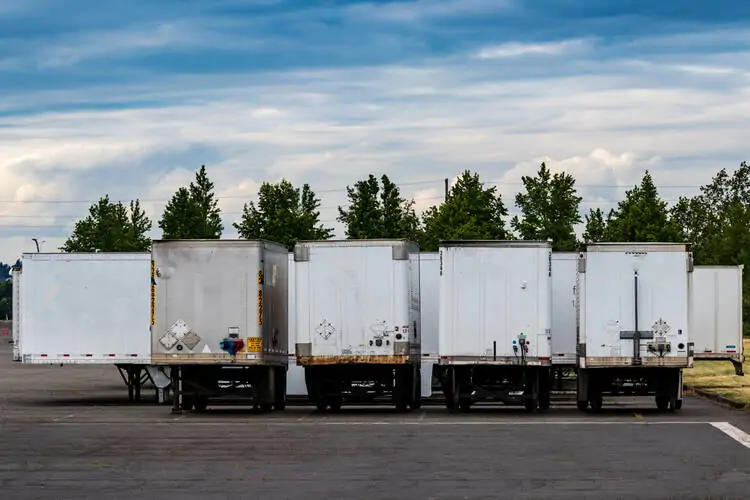
A trailer rental business is a service-based operation that provides trailers such as utility, cargo, flatbed, or refrigerated units to individuals and businesses for temporary use.
Instead of purchasing expensive equipment, customers rent trailers for moving, logistics, construction, or recreational purposes.
This model is popular because it eliminates high upfront costs, maintenance responsibilities, and long-term ownership commitments while offering flexibility for short- or long-term needs.
The business typically generates revenue through daily, weekly, or monthly rental fees, with additional income from delivery, insurance, or maintenance services.
The industry is large and growing steadily. Globally, the trailer rental market is valued at about $4.04 billion in 2026 and is projected to reach $6.19 billion by 2035, growing at around 4.3% annually.
Other estimates suggest it could exceed $21.9 billion by 2030, driven by logistics and e-commerce demand.
Commercial use dominates with about 81% of rentals, while short-term rentals account for roughly 62% of transactions, highlighting strong demand for flexible transportation solutions.
Steps on How to Start a Trailer Rental Business
-
Conduct Market Research
Conducting market research for a trailer rental business begins with defining your target market.
Identify who is most likely to rent trailers such as moving customers, construction companies, landscapers, and event planners. Study their needs, preferences, rental frequency, and budget.
This helps you determine the types of trailers to offer and the pricing structure that will appeal to them.
Next, analyze your competitors in the local area. Look at existing trailer rental companies, their pricing, trailer types, customer reviews, and service quality.
Pay attention to gaps in their offerings, such as limited availability, poor customer service, or a lack of specialized trailers.
These gaps can present opportunities for your business to stand out and attract customers.
You should also gather data through surveys, interviews, and online research.
Ask potential customers about their rental habits, challenges, and expectations.
Use online tools, industry reports, and local business directories to understand market demand, seasonal trends, and growth potential. Reliable data helps you make informed decisions rather than assumptions.
Finally, evaluate your findings to determine feasibility and strategy. Assess demand, pricing trends, and startup costs to estimate profitability.
Use your research to create a business plan, refine your services, and develop marketing strategies that align with customer needs and market conditions.
a. Who is the Target Market for the trailer rental business?
- Individual consumers (people moving homes or transporting goods)
- DIY homeowners and renovators
- Small business owners
- Contractors (construction workers, electricians, plumbers)
- Landscaping and gardening companies
- Delivery and courier service providers
- Logistics and transportation companies
- Retail businesses and warehouses
- Event planners and event management companies
- Farmers and agricultural businesses
- Livestock transporters
- Outdoor enthusiasts (campers, bikers, ATV users)
- Car dealerships and auto repair shops
- Moving companies
- Government agencies and municipalities.
b. Is Trailer Rental Business a Profitable Business?
A trailer rental business can be highly profitable due to strong demand and relatively low operating costs.
Industry data shows that average profit margins typically range between 20% and 30%, with some businesses achieving 60% – 80% gross margins depending on efficiency and utilization.
In addition, a single trailer can generate about $500 to $2,000 per month, and many operators recover their initial investment within 1 to 3 years.
The global market is also expanding, projected to reach over $21.9 billion by 2030, indicating strong long-term demand.
c. Are There Existing Niches in the Industry?
No, there are no existing niches when it comes to the trailer rental business.
d. Who are the Major Competitors?
- U-Haul
- Penske Truck Leasing
- Budget Truck Rental
- Ryder System, Inc.
- XTRA Lease
- Herc Rentals
- United Rentals
- Sunbelt Rentals
- Big Tex Trailer World
- Load Trail
- Carry-On Trailer
- ATC Trailers
- Diamond C Trailers
- PJ Trailers
- Miska Trailer Factory
- Leonard Buildings & Truck Accessories
- All Pro Trailer Superstore
- Trailer Rental Company
- Nationwide Trailer Rental
- Hale Trailer Brake & Wheel.
e. Are There County or State Regulations or Zoning Laws for trailer rental businesses in the United States?
Yes, trailer rental businesses in the United States are subject to both county and state regulations, as well as local zoning laws.
These rules are designed to ensure safety, proper land use, and environmental compliance.
At the state level, operators may need business licenses, vehicle registration compliance, and adherence to transportation safety standards.
Some states also regulate trailer inspections, insurance coverage, and weight limits depending on the type of trailers being rented.
County and city zoning laws play a major role in determining where a trailer rental business can operate.
municipalities classify trailer yards as commercial or industrial use, meaning they cannot be located in residential areas.
Zoning regulations may also control storage space requirements, fencing, lighting, noise levels, and traffic flow to prevent disruption to surrounding neighborhoods.
In addition, environmental and safety regulations may apply depending on operations.
For example, businesses that store large fleets of trailers may need stormwater management permits or fire safety approvals.
Insurance requirements are also often mandated to protect customers and property, including liability and commercial vehicle coverage.
Overall, compliance varies by location, so business owners must check with state departments of transportation, local zoning boards, and municipal offices.
Proper legal compliance ensures smooth operations, reduces the risk of fines, and helps build a trustworthy and sustainable trailer rental business.
f. Is There a Franchise for Trailer Rental Business?
Yes, there are franchises and franchise-like opportunities related to trailer rental and trailer management in the United States.
However, true “pure trailer rental franchises” are limited; most opportunities are either RV/trailer rental management systems or logistics/leasing franchise models rather than traditional storefront trailer rental brands.
Here are 10 related franchise or franchise-style opportunities:
- Fireside RV Rental
- American Trailer Rental Group (ATRG)
- U-Haul Dealer Network (franchise-style program)
- Trailer Bridge Franchise/Partner Programs
- Load Trail Dealer Network
- PJ Trailers Dealer Network
- Big Tex Trailer Dealer Program
- XTRA Lease Authorized Partner Programs
- Ryder Franchise/Service Partner Network
- Utility Trailer Manufacturing Dealer Network.
g. What Do You Need to Start a Trailer Rental Business?
- Business plan (market research, pricing, target customers)
- Startup capital (to purchase trailers and cover operating costs)
- Business registration and licensing
- Proper insurance (liability, trailer, and commercial coverage)
- Trailer inventory (utility, enclosed, flatbed, refrigerated, etc.)
- Secure storage facility or yard space
- Maintenance and repair tools or service contracts
- Booking and rental management system (software or app)
- Tow vehicles (if offering delivery or pickup services)
- Marketing strategy (online ads, local partnerships, signage).
-
Choose a Memorable Business Name
When looking to start a business, before you can begin to file the necessary documents with the constituted authorities or start your website, it is necessary that you come up with a name that you will be recognized with.
It is essential that the name you come up with can easily be pronounced, is unique and easily memorable.
Some of the catchy business name ideas suitable for a trailer rental business are:
- Leo Phil® Trailer Rental Company, Inc.
- Red Edge™ Trailer Rental Company, LLC
- James Willow© Trailer Rental Company, Inc.
- William Ben® Trailer Rental Company, Inc.
- Brendan Lyford® Trailer Rental Company, LLC
- Julius Moore™ Trailer Rental Company, Inc.
- Mike Dean® Trailer Rental Company, Inc.
- Clutter Berg™ Trailer Rental Company, LLC
- Carl Williams© Trailer Rental Company, Inc.
- Fred Freeman® Trailer Rental Company, Inc.
- Dan Burrows® Trailer Rental Company, Inc.
- Ben Marlow™ Trailer Rental Company, Inc.
- John Smith™ Trailer Rental Company, LLC
- Kate Milton® Trailer Rental Company, Inc.
- John Way® Trailer Rental Company, Inc.
- Steve George© Trailer Rental Company, Inc.
- Edwin Brown® Trailer Rental Company, Inc.
- Nathan Newman© Trailer Rental Company, LLC
- Emily West® Trailer Rental Company, Inc.
- David Oslo® Trailer Rental Company, Inc.
-
Register Your Business
a. What Type of Business Structure is Best for a Trailer Rental Business?
The ideal business structure for a trailer rental business is determined by a variety of factors, including the size of the company, the number of owners, the level of personal liability the owners are ready to accept, and the tax consequences of the various business structures.
However, we normally recommend that you start the business with minimal liability.
An LLC is a hybrid corporate form that provides the flexibility of a partnership while also providing its owners with limited liability protection.
An LLC can have one or more owners, and the owners are not personally accountable for the debts or liabilities of the business.
This business form is frequently used for small to medium-sized organizations.
b. Steps to Form an LLC
- Choose a Name for Your LLC.
- File Articles of Organization.
- Choose a registered agent.
- Decide on member vs. manager management.
- Create an LLC operating agreement.
- Comply with other tax and regulatory requirements.
- File annual reports.
c. What Type of License is Needed to Open a Trailer Rental Business?
- General business license (from your city or municipality)
- Provincial/State business registration (e.g., incorporation or sole proprietorship registration)
- Commercial vehicle registration (for trailers and tow vehicles)
- Motor vehicle dealer or rental license (required in some states/provinces)
- Sales tax permit / GST-HST registration (for charging taxes on rentals)
- Zoning or land-use permit (to legally operate a trailer yard or storage site)
- Commercial insurance licensing compliance (proof of required coverage)
- DOT/transportation compliance permits (if operating across state/provincial lines or hauling equipment).
d. What Type of Certification is Needed to Open a Trailer Rental Business?
- Commercial Driver’s License (CDL) – required if you or staff will operate heavy tow vehicles above legal weight limits
- Defensive Driving Certification – improves safety and may be required by insurers or employers
- Cargo Securement Certification – ensures proper loading and securing of trailers and equipment
- Transportation of Dangerous Goods (TDG) Certification – required if transporting regulated or hazardous materials
- Forklift or Equipment Handling Certification – useful for loading/unloading trailers safely in the yard or storage facility.
e. What Documents are Needed to Open a Trailer Rental Business?
- Business registration certificate (incorporation or sole proprietorship papers)
- Business license from the local municipality
- Federal business number (for tax identification)
- GST/HST registration documents
- State/provincial sales tax permit (if applicable)
- Zoning approval or land-use permit
- Commercial lease agreement (for yard or storage space)
- Proof of insurance (liability and commercial coverage)
- Trailer ownership/title documents
- Vehicle registration documents for all trailers
- Safety inspection certificates for trailers
- Operating permits (transportation or rental permits where required)
- Employee records and work eligibility documents (if hiring staff)
- Rental contracts and liability waiver forms
- Banking documents (business account setup and merchant services agreements).
f. Do You Need a Trademark, Copyright, or Patent?
For a trailer rental business, you typically do not need a patent, because patents apply to new inventions or unique technical designs, not service-based businesses.
However, you may need a trademark to protect your business name, logo, and branding so competitors cannot use a similar identity in the market.
A copyright is optional but useful for protecting original content such as your website text, marketing materials, photos, and advertising designs. This ensures others cannot copy your creative work without permission.
-
Cost Analysis and Budgeting
a. How Much Does It Cost to Start a Trailer Rental Business?
Starting a trailer rental business typically costs between $50,000 and $500,000 or more, depending on scale.
Major expenses include trailer purchases, insurance, storage space, licensing, and marketing.
Smaller startups may begin with a few units, while larger operations require higher investment for fleets and facilities.
b. What are the Costs Involved in Starting a Trailer Rental Business
- Trailer purchase ($2,000–$12,000 per trailer, depending on type and size)
- Insurance ($1,500–$5,000 per year for basic coverage)
- Land or storage yard rental ($500–$5,000 per month, depending on location)
- Business registration and licensing ($100–$1,000)
- Marketing and advertising ($500–$5,000 startup cost)
- Maintenance and repair tools ($500–$3,000 initial setup)
- Booking/rental software system ($30–$300 per month)
- Security systems and fencing ($1,000–$10,000 setup cost)
- Tow vehicles (if needed) ($10,000–$60,000+ per vehicle)
- Utilities and operating expenses ($200–$2,000 per month).
c. What Factors Determine the Cost of Opening a Trailer Rental Business?
- Size of the business (number of trailers in the fleet)
- Type of trailers offered (utility, enclosed, flatbed, refrigerated, etc.)
- Location and property costs (land purchase or rental prices)
- Insurance coverage level and risk profile
- Licensing, permits, and regulatory requirements
- Condition (new vs used trailers) and purchase source
- Marketing and customer acquisition strategy
- Equipment and technology needs (software, tracking systems, tow vehicles).
d. Do You Need to Build a Facility? If YES, How Much Will It Cost?
Yes, you may need a facility such as a storage yard or small depot to safely park and maintain trailers.
Costs vary widely based on location and size, typically ranging from $50,000 to $500,000 to build or purchase land and basic infrastructure like fencing, security, and office space.
e. What are the Ongoing Expenses of a Trailer Rental Business?
- Insurance premiums (liability, trailer, and business coverage)
- Storage yard or facility rent/lease payments
- Trailer maintenance and repair costs
- Fuel and transportation expenses (delivery/pickup services)
- Licensing, permits, and renewal fees
- Marketing and advertising costs
- Software and booking system subscriptions
- Utilities (electricity, water, internet, security systems)
- Taxes and accounting/bookkeeping services.
f. What is the Average Salary of your Staff?
- Business Owner/Manager – $70,000 to $120,000 per year
- Fleet Manager – $60,000 to $95,000 per year
- Operations Manager – $55,000 to $90,000 per year
- Tow Truck/Hauling Driver – $45,000 to $75,000 per year
- Marketing/Advertising Specialist – $45,000 to $80,000 per year
- Trailer Maintenance Technician – $40,000 to $65,000 per year
- Office/Booking Administrator – $35,000 to $55,000 per year
- Customer Service Representative – $30,000 to $45,000 per year.
g. How Do You Get Funding to Start a Trailer Rental Business
- Raising money from personal savings and the sale of personal stocks and properties
- Raising money from investors and business partners
- Sell shares to interested investors
- Applying for a loan from your bank/banks
- Pitching your business idea and applying for business grants and seed funding from the government, donor organizations, and angel investors
- Source for soft loans from your family members and your friends.
-
Write a Business Plan
a. Executive Summary
Brendan Lyford™ Trailer Rental Company, LLC in Seattle, Washington, is a service-based business focused on providing reliable, flexible, and affordable trailer rental solutions to individuals and businesses.
The company will offer a variety of trailers, including utility, enclosed, flatbed, and specialized options to meet the needs of customers in moving, construction, logistics, and recreational activities.
Positioned in a growing urban and industrial market like Seattle, the business aims to serve both short-term and long-term rental demands while ensuring convenience, safety, and customer satisfaction.
The company will generate revenue through hourly, daily, weekly, and monthly rental fees, with additional income from delivery services, insurance add-ons, and maintenance packages.
Strong demand in the transportation and construction sectors supports growth potential, especially with increasing e-commerce and relocation activities.
With effective marketing, strategic location, and a well-maintained fleet, Brendan Lyford™ Trailer Rental Company, LLC is positioned to become a competitive and profitable player in the regional trailer rental industry.
b. Products and Service
Brendan Lyford™ Trailer Rental Company, LLC offers a range of trailer rental products designed to meet both personal and commercial transportation needs.
Our core inventory includes utility trailers for general hauling, enclosed trailers for secure transport of valuables, flatbed trailers for heavy equipment, and car haulers for vehicle transportation.
We also provide specialty trailers such as refrigerated units for temperature-sensitive goods and dump trailers for construction and landscaping projects.
In addition to trailer rentals, we offer value-added services to enhance customer convenience.
These include flexible rental terms (hourly, daily, weekly, and monthly), trailer delivery and pickup services, and optional roadside assistance coverage.
Customers can also access loading accessories such as straps, ramps, and safety equipment to ensure secure transport.
Maintenance checks are conducted regularly to guarantee safety and reliability.
c. Mission Statement
At Brendan Lyford™ Trailer Rental Company, LLC, our mission is to provide safe, reliable, and affordable trailer rental solutions that meet the diverse needs of individuals and businesses in Seattle and surrounding areas.
We are committed to delivering excellent customer service, maintaining high-quality equipment, and ensuring convenience, flexibility, and efficiency in every rental experience while supporting community and business growth.
Vision Statement:
Our vision at Brendan Lyford™ Trailer Rental Company, LLC is to become a leading trailer rental provider in Seattle and the surrounding regions, recognized for reliability, innovation, and exceptional customer service.
We aim to expand our fleet, strengthen community partnerships, and set industry standards for convenience, safety, and affordability.
d. Goals and Objectives
Brendan Lyford™ Trailer Rental Company, LLC aims to provide safe, reliable, and affordable trailer rental services while building a strong presence in the Dallas equestrian market.
Our goal is to maintain high-quality trailers, ensure excellent customer service, and achieve steady customer growth through consistent availability and convenience.
Our objectives include expanding our trailer fleet, increasing profitability within the first three years, building strong partnerships within the equestrian community, and establishing a trusted brand known for safety, reliability, and professionalism across Washington.
e. Organizational Structure
- Business Owner/Manager
- Fleet Manager
- Operations Manager
- Tow Truck/Hauling Driver
- Marketing/Advertising Specialist
- Trailer Maintenance Technician
- Office/Booking Administrator
- Customer Service Representative
Marketing Plan
a. SWOT Analysis
Strength
- Diverse trailer inventory (utility, enclosed, flatbed, specialty)
- Strategic location in Seattle with strong demand
- Flexible rental options (hourly to monthly)
- Scalable business model with fleet expansion potential
- Multiple revenue streams (rentals, delivery, add-ons).
Weakness
- High startup and maintenance costs
- Dependence on trailer utilization rates for a steady income
- Limited brand recognition as a new business
- Seasonal fluctuations in demand
- Need for ongoing fleet upkeep and repairs.
Opportunities
- Growing demand from the construction and e-commerce sectors
- Expansion into corporate fleet leasing contracts
- Partnerships with moving companies and contractors
- Introduction of digital booking and mobile app services
- Geographic expansion across Washington State.
Threats
- Strong competition from established rental companies
- Rising insurance and operational costs
- Economic downturns are reducing rental demand
- Regulatory changes in transportation and zoning laws
- Theft, damage, or liability risks affecting assets.
b. How Do Trailer Rental Businesses Make Money?
Trailer rental businesses make money primarily by charging customers rental fees for trailers on an hourly, daily, weekly, or monthly basis.
Additional revenue comes from delivery and pickup services, insurance add-ons, and late return penalties.
Many businesses also earn income by offering accessories such as straps, ramps, and safety equipment.
Some operators generate extra profit through long-term commercial contracts with construction companies, moving firms, and logistics providers, ensuring consistent utilization and stable recurring revenue streams.
c. Payment Options
- Credit Card Payments
- Cash
- Bank Transfers
- Checks
- Electronic Funds Transfer (EFT)
- Payment Platforms (PayPal, Square, etc.)
- Mobile Payment Apps.
d. Sales & Advertising Strategies
- Local SEO optimization (Google Business Profile, maps ranking)
- Pay-per-click advertising (Google Ads for “trailer rental near me”)
- Social media marketing (Facebook Marketplace, Instagram, TikTok)
- Partnerships with moving companies and contractors
- Referral and loyalty programs for repeat customers
- Seasonal promotions and discount offers
- Listing on online rental marketplaces and directories
- Vehicle branding (trailers and tow trucks as mobile ads)
- Flyers, posters, and local community bulletin boards
- Networking with construction, farming, and logistics businesses
- Website with online booking and instant quotes
- Email marketing campaigns for repeat customers
- Sponsorship of local events or trade shows
- Customer reviews and testimonials strategy
- Cross-promotions with storage units and hardware stores.
Financial Projection
a. How Much Should You Charge for Your Product/Service?
- Utility trailer rental — $40–$90 per day
- Enclosed trailer rental — $70–$150 per day
- Flatbed trailer rental — $80–$160 per day
- Car hauler trailer — $90–$180 per day
- Dump trailer rental — $100–$200 per day
- Refrigerated trailer — $150–$400 per day
- Hourly rental (small trailers) — $10–$25 per hour
- Weekly rental discount — $250–$900 per week (depending on trailer type)
- Monthly rental — $700–$2,500 per month
- Delivery/pickup service — $25–$150 per trip (based on distance)
- Damage waiver/insurance fee — $10–$30 per day
- Late return fee — $25–$75 per day
- Cleaning fee — $25–$100 per rental
- Tie-downs, straps, accessories — $5–$25 per item rental
- After-hours pickup/return — $20–$80 extra fee.
c. How Much Profit Do Trailer Rental Business Owners Make a Year?
Trailer rental business owners can earn anywhere from $30,000 to over $250,000 annually, depending on fleet size, location, and utilization rate.
Small operators may make modest income, while larger fleets with commercial contracts generate significantly higher profits.
High demand, strong pricing, and efficient management increase yearly earnings and profitability.
d. What Factors Determine the Amount of Profit to Be Made?
- Size of trailer fleet (more trailers = higher earning capacity)
- Utilization rate (how often trailers are rented out)
- Rental pricing strategy (daily, weekly, monthly rates)
- Location and market demand (urban vs rural demand levels)
- Type of trailers offered (specialty trailers earn higher rates)
- Operating expenses (insurance, maintenance, storage, staffing)
- Seasonality of demand (peak vs off-peak rental periods)
- Competition in the local market (pricing pressure)
- Additional services offered (delivery, insurance, accessories)
- Customer retention and repeat business rates.
e. What is the Profit Margin of a Trailer Rental Business?
Trailer rental businesses typically earn a 20% – 40% profit margin, depending on utilization, pricing, and costs like insurance and maintenance.
Higher demand, efficient operations, and add-on services can significantly increase overall profitability.
f. What is the Sales Forecast?
- First Fiscal Year (FY1): $350,000
- Second Fiscal Year (FY2): $500,000
- Third Fiscal Year (FY3): $1.2 million
-
Set Up your Shop/Office
a. How Do You Choose a Perfect Location for a Trailer Rental Business?
- High-demand area (near construction zones, industrial parks, or busy residential neighborhoods)
- Easy highway or road access for towing and transport convenience
- Large, secure storage space for parking and organizing trailers
- Zoning approval for commercial or industrial operations
- Low to moderate rental or land acquisition costs
- Proximity to target customers (contractors, movers, logistics companies)
- Good visibility and signage opportunities to attract walk-in and drive-by customers.
b. What State and City is Best to Open a Trailer Rental Business?
- Atlanta, Georgia
- Los Angeles, California
- Chicago, Illinois
- Dallas/Fort Worth, Texas
- Denver, Colorado
- New York City, New York
- San Francisco, California
- Seattle, Washington
- Las Vegas, Nevada
- Orlando, Florida.
c. What Equipment is Needed to Operate a Trailer Rental Business?
- Utility trailers
- Enclosed cargo trailers
- Flatbed trailers
- Car hauler trailers
- Dump trailers
- Refrigerated trailers (optional specialty units)
- Tow vehicles (trucks or heavy-duty SUVs)
- Trailer hitch systems and couplers
- Safety chains and breakaway systems
- Wheel chocks and stabilizers
- Ratchet straps and tie-down kits
- Loading ramps and dollies
- GPS tracking devices for fleet management
- Security system (CCTV cameras, alarms, fencing)
- Maintenance tools and repair kits.
-
Hire Employees
Hiring employees for a new trailer rental business is essential for efficient operations and customer service.
Trained staff can handle trailer maintenance, bookings, customer inquiries, and safe hitching and towing procedures.
They ensure trailers are properly inspected, cleaned, and prepared before each rental, reducing the risk of accidents or breakdowns.
Employees also assist with marketing, delivery services, and on-site support for customers.
Having reliable staff improves workflow, enhances customer satisfaction, and allows the business owner to focus on growth, partnerships, and long-term strategic planning effectively.
-
Launch the Business Proper
Organizing an opening party for a new trailer rental business can be a good way to introduce your business to the community and create awareness about your services.
However, whether or not to have an opening party is ultimately a decision that depends on your individual business and goals.
If you want to go ahead and organize a proper launch for your trailer rental business, then you must make sure to invite key stakeholders and members of the community who may be interested in your services.
a. What Makes a Trailer Rental Business Successful?
- Diverse and well-maintained trailer fleet
- Strong demand market and strategic location
- Competitive and flexible pricing
- Excellent customer service
- Effective marketing and online visibility
- Reliable booking and management system
- Regular maintenance and safety compliance
- Efficient operations and scheduling
- Value-added services (delivery, insurance, accessories)
- Strong financial management and reinvestment strategy.
b. What Happens During a Typical Day at a Trailer Rental Business?
A typical day at a trailer rental business begins with inspecting trailers to ensure they are clean, safe, and ready for customers.
Staff check tires, lights, brakes, and security systems before opening. Customers arrive for pickups or returns, complete rental agreements, and receive instructions on proper use.
The team also handles bookings, phone inquiries, and online reservations while updating availability in the system.
Deliveries may be scheduled for businesses or individuals who need trailers transported to specific locations.
Throughout the day, staff manage returns, inspect trailers for damage, and process payments or deposits.
Maintenance tasks such as minor repairs, cleaning, and equipment restocking are performed between rentals.
Administrative work, including marketing updates and customer follow-ups, is also ongoing.
c. What Skills and Experience Do You Need to Build a Trailer Rental Business?
- Business Management Skills
- Customer Service Skills
- Trailer Maintenance Knowledge (Understanding basic repairs, inspections, and safety checks.)
- Logistics & Transportation Experience
- Financial Management Skills
- Marketing Skills
- Negotiation Skills
- Regulatory Knowledge (Understanding licensing, safety, and transportation laws.)
- Problem-Solving Skills
- Trailer Rental Industry Knowledge.