
Building a water refill station requires that you carefully plan the design, layout, and functionality to ensure efficiency, hygiene, and customer satisfaction.
Note that the design of your water station plays a major role in attracting customers and maintaining smooth operations.
A well-designed setup not only enhances workflow and safety but also helps establish your brand identity and trustworthiness in the community.
From space optimization and equipment arrangement to branding, lighting, and customer flow, these ideas will help you create a functional, visually appealing, and professional water station that meets both health standards and customer expectations.
Water Refill Station Design Ideas
-
Compact Urban Layout
If you are operating in a small city space, a compact urban design works best.
Use vertical shelving for bottles and compact purification units to maximize limited space.
Place the refill counter near the entrance for convenience, and position storage tanks at the back.
Use glass panels to create an open, clean feel without crowding the area. Efficient plumbing lines should run beneath the floor to minimize clutter.
The key is to design a sleek, functional space that saves every inch while maintaining hygiene, accessibility, and quick customer turnaround times.
-
Open Concept Layout
An open-concept water refill station emphasizes transparency and trust. Use glass partitions that allow customers to see the filtration and bottling process.
Place your purification equipment along one wall and the refill counter opposite it to maintain flow.
Keep aisles wide enough for easy movement. Natural lighting or bright LED fixtures enhance visibility and cleanliness.
Open designs make the space look larger, while showcasing your commitment to purity and hygiene.
-
Eco-Friendly Design
Design your water station around sustainability. Use eco-friendly materials such as bamboo, recycled wood, and low-energy LED lighting.
Incorporate solar panels to power pumps or filters. Position recycling bins for returned bottles and offer refill incentives.
Use green plants around the refill area to improve aesthetics and air quality.
Arrange your layout so that natural ventilation and lighting reduce energy use.
Label eco features visibly so customers see your environmental commitment.
-
Drive-Thru Water Station
A drive-thru design adds speed and convenience for busy customers. Set up a covered lane beside your main structure where vehicles can pull in and refill bottles directly from the attendant’s counter.
Keep the purification and storage equipment inside the main building, connected by underground water lines.
Use a wide driveway to allow two-way flow and avoid congestion. Include a payment window and signage to guide drivers.
This layout reduces waiting time and attracts commuters or families looking for quick service without having to leave their cars.
-
Community Refill Hub
Create a water refill station that doubles as a community hydration hub. Include shaded outdoor seating or benches where customers can relax while waiting. Use open signage to invite walk-ins and group refills.
Inside, dedicate one area to large-container refills and another to smaller bottles.
Add a hydration bar where people can sample flavored or mineral-enhanced water. Position purification equipment visibly but safely behind glass.
A communal layout builds customer relationships and encourages repeat visits, turning your refill station into a friendly neighborhood destination rather than just a business.
-
Minimalist Modern Design
Go for a minimalist look with clean lines, neutral colors, and organized equipment. Keep your floor plan open with uncluttered counters and easy-to-navigate paths.
Use stainless steel, glass, and smooth tile finishes to convey hygiene and professionalism.
Position tanks and filters symmetrically against one wall, leaving ample space for customer flow. Lighting should be bright but soft to avoid harsh reflections.
Minimalist designs appeal to modern urban consumers who appreciate simplicity, order, and cleanliness.
This approach also reduces maintenance effort while projecting a fresh, upscale brand image.
-
Industrial-Style Layout
An industrial design theme emphasizes strength and efficiency. Use exposed pipes, metal racks, and concrete floors for durability and character. Arrange water tanks and filtration units visibly as part of the aesthetic.
Keep the layout straightforward, storage at the back, refill counters at the front, and plumbing lines along visible walls. Hang pendant lights or use track lighting for illumination.
This style works especially well for stations in warehouse districts or commercial areas.
It gives a bold, practical look that communicates functionality, cleanliness, and reliability to customers.
-
Walk-In and Self-Service Layout
A self-service refill station empowers customers to refill bottles themselves.
Design a walk-in layout with multiple refill taps arranged along one wall. Label each tap clearly by water type (alkaline, purified, mineral).
Place payment kiosks nearby for convenience. Include sanitizing stations for customer use before and after refilling.
The filtration system should remain enclosed behind transparent panels for hygiene.
Use durable, non-slip flooring to prevent water spills from causing damage.
This design encourages faster service and lower staffing costs while appealing to customers who value convenience and autonomy.
-
Dual-Zone Layout (Refill & Retail)
Combine water refilling services with sales of bottles, filters, and eco-products. Divide your space into two functional zones: a refill area and a retail area.
Keep the refill section close to the entrance for easy access, while the retail area is located on the side or at the back.
Use attractive shelves and display stands for retail items. Clearly mark walking paths to maintain order. This layout maximizes profit by diversifying income streams.
Customers coming for refills may also purchase accessories, turning your station into a multipurpose hydration store rather than a single-service outlet.
-
Franchise-Ready Design
If you plan to expand or franchise, standardize your design for consistency across locations.
Use modular layouts with easy-to-replicate equipment placement and color schemes.
Position refill counters, tanks, and waiting areas in the same configuration at all branches.
Choose durable materials that balance cost and aesthetics. Include branded walls, lighting, and signage for a strong identity.
A consistent layout simplifies staff training, improves workflow, and enhances customer recognition.
This approach ensures operational efficiency and builds a recognizable brand image, laying the foundation for nationwide or regional franchise expansion.
-
Mobile Water Refill Truck
A mobile refill truck offers flexibility to serve multiple neighborhoods or events.
Fit a compact purification system, refill taps, and water storage tanks into a custom vehicle. Include foldable counters, clear branding, and a canopy for shade.
The layout should prioritize safety and mobility, with all equipment securely fastened. Design the interior to allow staff easy access for operation and cleaning.
This concept is perfect for areas lacking refill stations or for promoting your brand in outdoor markets and events.
Mobility expands your reach and ensures consistent customer engagement.
-
Luxury Water Boutique Design
For high-end markets, design your refill station as a boutique experience. Use marble countertops, ambient lighting, and stylish bottle displays. Offer premium water options, alkaline, mineral-rich, or flavored, presented elegantly.
Keep filtration units hidden behind decorative panels, but maintain transparency through clear labeling. Create a lounge-style waiting area with comfortable seating.
The floor plan should guide customers from the entrance to the refill counter smoothly, emphasizing elegance and exclusivity.
This design attracts affluent customers and health enthusiasts who value both aesthetics and quality, transforming your refill station into a sophisticated wellness destination.
-
Family-Friendly Layout
Design your water refill station with families in mind. Provide wide aisles for strollers and carts, and lower refill taps for children.
Create a safe waiting area with seating and child-friendly décor. Include accessible ramps for customers carrying heavy bottles.
Place your purification area behind glass so parents can show kids how clean water is produced. Keep traffic flow simple: entry, refill, payment, exit.
This layout encourages families to visit regularly, positioning your brand as friendly, safe, and community-oriented.
-
Outdoor Kiosk Design
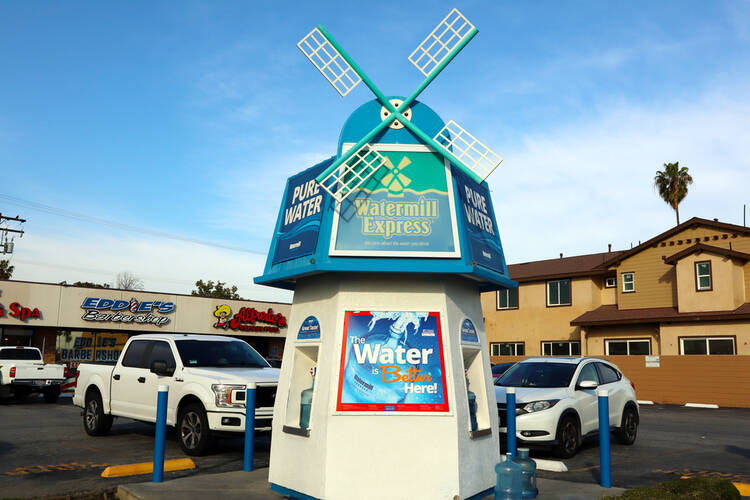
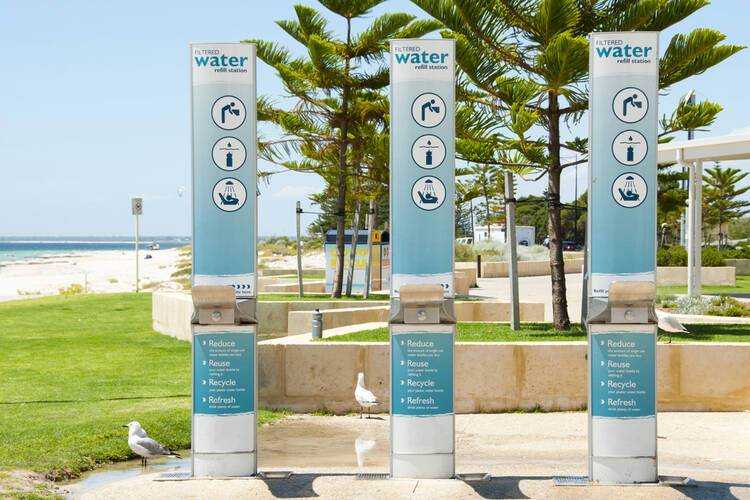
An outdoor kiosk layout is ideal for parks, markets, or street corners. Use a small but efficient floor plan featuring a refill counter, compact filtration unit, and storage tanks beneath the counter.
Ensure the design is weatherproof, with shade roofing and good ventilation.
Install bright LED signage for nighttime visibility. Offer quick walk-up service for pedestrians and cyclists.
The open-air design attracts high foot traffic and requires less investment than a full-scale station.
With proper branding and cleanliness, outdoor kiosks can generate high daily turnover in busy public areas.
-
Health & Wellness Themed Layout
Integrate wellness into your design by combining your water refill service with a health-focused ambiance.
Use soothing colors, nature-inspired décor, and calming background music. Add a hydration information wall explaining the benefits of purified water.
Position refill counters near educational displays about minerals and filtration.
Include small retail shelves for reusable bottles, detox kits, or vitamin-infused products.
The floor plan should encourage flow and comfort while promoting health awareness.
This theme differentiates your business and aligns your brand with holistic wellness, attracting conscious consumers seeking a clean, uplifting environment.