
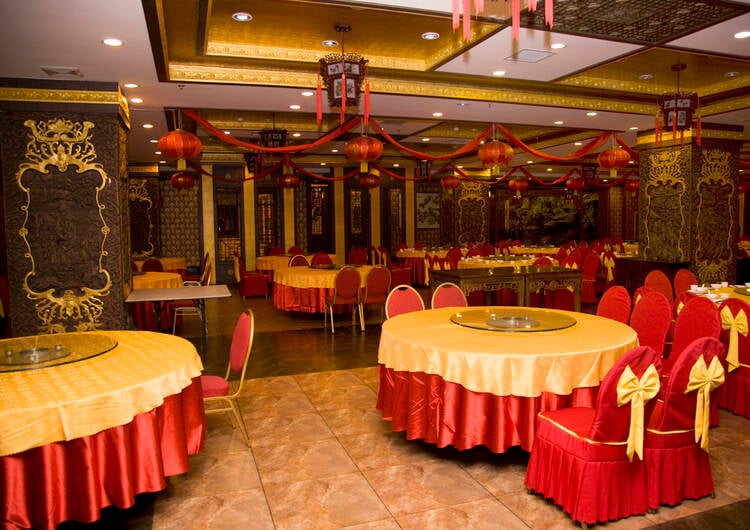
From lighting and seating arrangements to décor and color schemes, every detail contributes to the atmosphere you create.
For a Chinese restaurant, blending cultural elements with modern design can help you stand out while maintaining authenticity and visual appeal.
We will look at some of the best Chinese restaurant interior design ideas, floor plan strategies, and layout tips.

Whether you are aiming for a casual dining space or an upscale experience, thoughtful planning can improve workflow, maximize seating capacity, and enhance customer satisfaction.
Best Chinese Restaurant Interior Design Ideas
-
Incorporate Traditional Chinese Elements
Incorporating traditional Chinese elements such as lanterns, bamboo décor, calligraphy art, and wooden screens can instantly create an authentic atmosphere.
These features help tell a cultural story and make your restaurant visually memorable. You do not have to go overboard. Balance is key.
Combining traditional décor with modern finishes can appeal to a wider audience.
Thoughtfully placed ornaments and symbols can also enhance the dining experience.
Customers often appreciate a setting that reflects the cuisine’s heritage, making them feel more immersed and connected to the food they are enjoying.
-
Optimize Seating Arrangement
An effective seating arrangement ensures comfort while maximizing space.
You should include a mix of booth seating, round tables for groups, and smaller tables for couples.
Round tables are especially popular in Chinese dining as they encourage sharing meals.
Make sure there is enough space between tables for privacy and easy movement.
Avoid overcrowding, as it can negatively impact customer experience. Flexible seating options allow you to accommodate different group sizes.
A well-thought-out seating plan can increase customer satisfaction and improve turnover rates during busy hours.
-
Use Warm and Inviting Lighting
Lighting plays a crucial role in setting the mood of your restaurant. Warm lighting creates a cozy, welcoming atmosphere, while accent lighting can highlight specific design elements, such as artwork or feature walls.
Traditional Chinese lanterns can serve as both functional and decorative lighting fixtures.
Avoid overly bright lighting, as it can make the space feel less relaxing. Dimmer switches can help you adjust lighting levels throughout the day.
A well-lit space enhances the dining experience and can even make your food look more appealing to customers.
-
Create a Functional Kitchen Layout
A well-designed kitchen layout is essential for efficiency and smooth operations.
Ensure that cooking stations, prep areas, and storage are strategically placed to minimize movement and save time. The kitchen should allow staff to work comfortably without congestion.
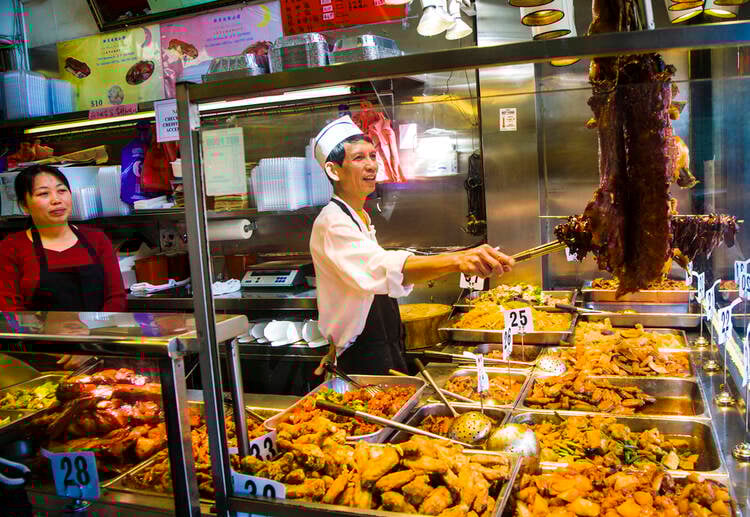
Proper ventilation and safety measures are also important. If possible, consider an open kitchen concept where customers can see food preparation.
This not only builds trust but also adds an interactive element to the dining experience.
-
Design an Efficient Floor Plan
Your floor plan should balance aesthetics with practicality. Plan clear pathways for staff and customers to move easily without disruption.
The entrance, waiting area, dining space, and restrooms should be logically positioned.
Avoid clutter and ensure accessibility for all guests. A good floor plan also considers emergency exits and safety regulations.
Proper zoning of different areas helps create a seamless flow within the restaurant.
When your layout is efficient, it improves both customer experience and staff performance, contributing to smoother daily operations.
-
Add Private Dining Areas
Private dining rooms are highly valued in Chinese culture, especially for family gatherings and business meetings.
Including one or more private spaces in your layout can attract customers looking for exclusivity and privacy. These rooms can be separated by sliding doors or decorative partitions.
Offering private dining options also allows you to charge premium rates. Ensure these spaces are well-decorated and comfortable.
This feature can set your restaurant apart from competitors and increase your revenue by catering to special occasions and group events.
-
Choose the Right Color Scheme
Colors have a strong cultural significance in Chinese design. Red and gold are commonly used as they symbolize luck, prosperity, and happiness.
You can incorporate these colors into your walls, furniture, or décor accents.
However, it is important to balance bold colors with neutral tones to avoid overwhelming the space.
A well-chosen color scheme can enhance the ambiance and make your restaurant more visually appealing.
Consistency in color design also strengthens your brand identity and creates a cohesive look throughout the space.
-
Focus on the Entrance and Reception Area
The entrance and reception area create the first impression for your customers.
A well-designed entrance with Chinese-inspired décor, signage, and lighting can immediately attract attention. Ensure the reception area is organized and welcoming.
Comfortable seating for waiting guests can improve their experience. You can also display menus or promotional items in this area.
A strong first impression sets the tone for the entire dining experience and can influence whether customers choose to return in the future.
-
Use Space-Saving Furniture
Space-saving furniture is essential, especially if your restaurant has limited space.
Foldable tables, stackable chairs, and built-in seating can help maximize your floor area.
Multi-functional furniture allows you to adapt your layout based on customer needs.
This flexibility is particularly useful during peak hours. Choosing furniture that is both stylish and practical ensures you maintain a good balance between design and functionality.
Efficient use of space can increase seating capacity without compromising comfort, ultimately boosting your revenue potential.
-
Maintain Cleanliness and Organization
Cleanliness and organization are critical in any restaurant, and your layout should support easy maintenance. Choose materials that are durable and easy to clean.
Ensure there is enough storage space to keep the dining area clutter-free. Proper waste management systems should also be in place.
A clean and organized environment not only meets health regulations but also enhances customer trust.
When customers see a well-maintained space, they are more likely to feel comfortable and confident about the quality of your food and service.
-
Incorporate Feng Shui Principles
Applying Feng Shui principles in your restaurant design can help create a balanced and harmonious environment.
This includes thoughtful placement of furniture, proper flow of energy, and strategic use of elements like water features or plants.
For example, avoid placing tables directly in line with the entrance, as it may disrupt comfort.
A well-balanced layout can make customers feel more relaxed and welcomed.
Even if you do not strictly follow Feng Shui rules, integrating its basic concepts can improve the ambiance and contribute to a more pleasant dining experience.
-
Create a Themed Dining Experience
Designing your restaurant around a specific Chinese theme, such as imperial palace style, modern Shanghai, or rustic village, can make your space unique and memorable.
A strong theme helps guide your choice of furniture, colors, lighting, and décor.
Consistency is key to making the concept feel authentic rather than random.
A themed restaurant can also become a social media attraction, encouraging customers to share their experiences online.
This can increase visibility and attract new customers who are drawn to immersive and visually appealing dining environments.
-
Improve Ventilation and Air Quality
Proper ventilation is essential in a Chinese restaurant, especially with stir-frying and grilling that produce strong aromas and smoke.
A well-designed ventilation system ensures the dining area remains comfortable for guests.
Poor air quality can negatively affect the customer experience and discourage repeat visits.
Installing high-quality exhaust systems in the kitchen and maintaining good airflow throughout the space is crucial.
You can also incorporate air purifiers or natural ventilation where possible. Clean, fresh air enhances comfort and makes your restaurant more inviting.
-
Integrate Technology into the Layout
Modern Chinese restaurants can benefit from integrating technology into their design.
This includes digital menu boards, self-order kiosks, and efficient POS systems.
Your layout should accommodate these features without disrupting the flow of movement.
Charging stations or QR code menus can also enhance customer convenience.
Technology can improve service speed, reduce errors, and streamline operations.
When thoughtfully incorporated, it complements your design rather than overwhelming it, helping you create a modern dining experience that meets current customer expectations.
-
Plan for Scalability and Future Expansion
When designing your restaurant, think long-term and plan for potential growth.
Your layout should allow for easy modifications, such as adding more seating, expanding the kitchen, or introducing new service areas.
Avoid overly rigid designs that limit flexibility. Planning for scalability can save you money and stress in the future.
For example, leaving space for additional equipment or storage can make expansion smoother.
A forward-thinking approach ensures your restaurant can adapt to changing customer demands and continue to grow successfully over time.